Quick Summary
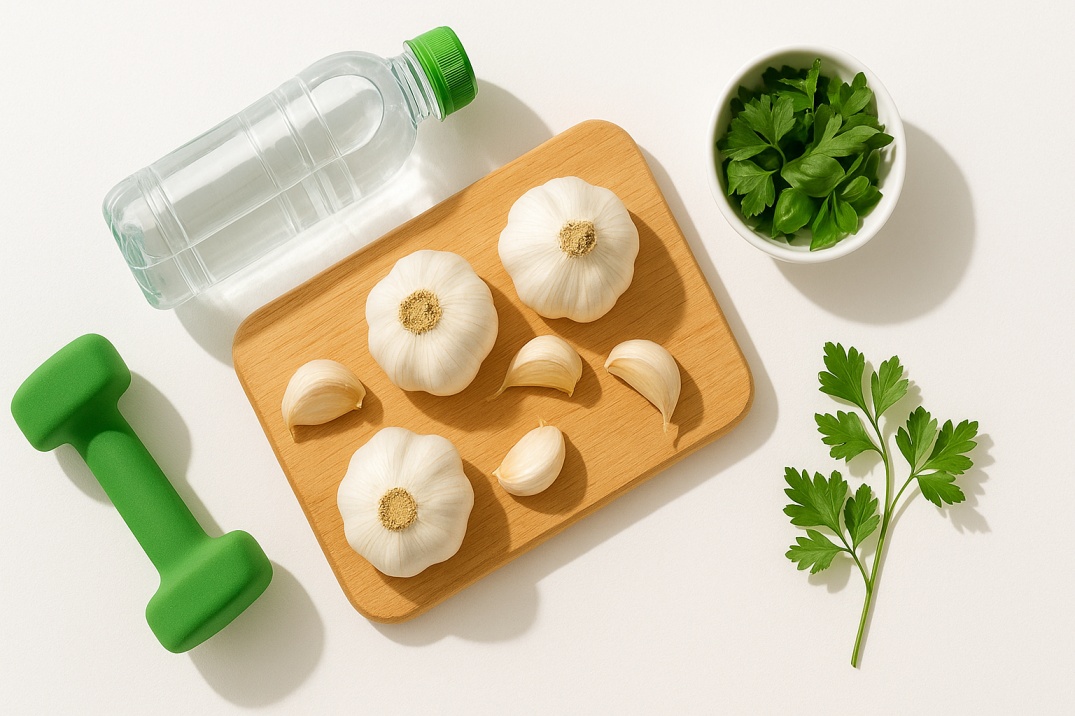
Garlic is more than just a flavorful ingredient—it contains compounds that may support heart health, immunity, and overall wellness. Here’s what research actually shows about incorporating garlic into your fitness and nutrition routine.
Why Garlic Matters for Your Health
Garlic contains allicin, a sulfur compound created when garlic is crushed or chopped. This compound, along with other nutrients, gives garlic its potential health benefits. One clove of garlic contains vitamins C and B6, manganese, selenium, and fiber.
Evidence-Based Benefits
1. Heart Health & Blood Pressure
What the research shows: Multiple studies indicate that garlic supplementation may help reduce blood pressure in people with hypertension.
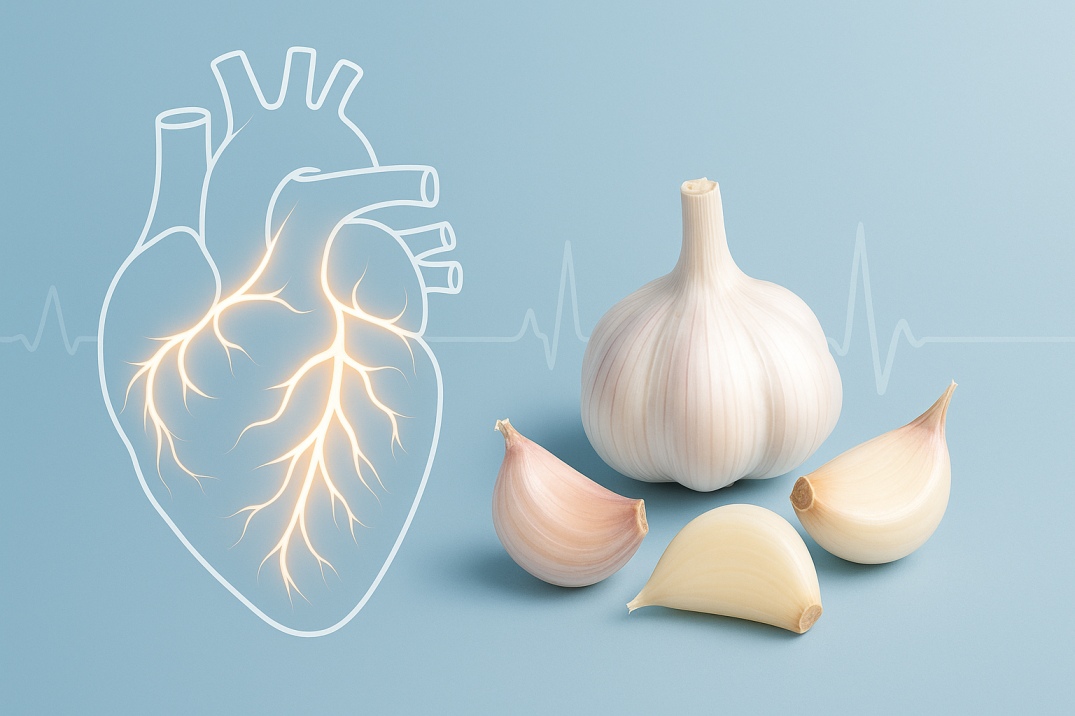
- A meta-analysis found garlic supplements reduced systolic blood pressure by an average of 8-10 mmHg in hypertensive individuals
- May help improve cholesterol levels by modestly reducing total and LDL cholesterol
For fitness enthusiasts: Better cardiovascular health supports endurance and overall athletic performance.
2. Immune System Support
What the research shows: Garlic has antimicrobial and antioxidant properties that may help your body fight infections.

- One 12-week study found that daily garlic supplementation reduced the number of colds by 63% compared to placebo
- May reduce the severity and duration of cold symptoms
For fitness enthusiasts: Fewer sick days mean more consistent training.
3. Anti-Inflammatory Properties
What the research shows: Garlic contains compounds with anti-inflammatory effects.
- May help reduce markers of inflammation in the body
- Could support recovery after intense workouts
For fitness enthusiasts: Managing inflammation is key to recovery and preventing overtraining.
4. Blood Sugar Regulation
What the research shows: Some studies suggest garlic may help with blood sugar control.
- May improve insulin sensitivity
- Could help regulate blood glucose levels in people with type 2 diabetes
For fitness enthusiasts: Stable blood sugar supports energy levels and body composition goals.
5. Antioxidant Support
What the research shows: Garlic is rich in antioxidants that protect cells from oxidative damage.
- May help protect against cellular damage from free radicals
- Could support healthy aging
For fitness enthusiasts: Antioxidants support overall recovery and cellular health.
Should You Eat Garlic on an Empty Stomach?
The truth: There’s limited scientific evidence that eating garlic specifically on an empty stomach provides superior benefits. In fact:
- With food is often better: Eating garlic with meals may reduce digestive discomfort
- Consistency matters more: Regular consumption is more important than timing
- Listen to your body: If empty stomach consumption causes discomfort, take it with food
How to Use Garlic Effectively
Recommended Dosage
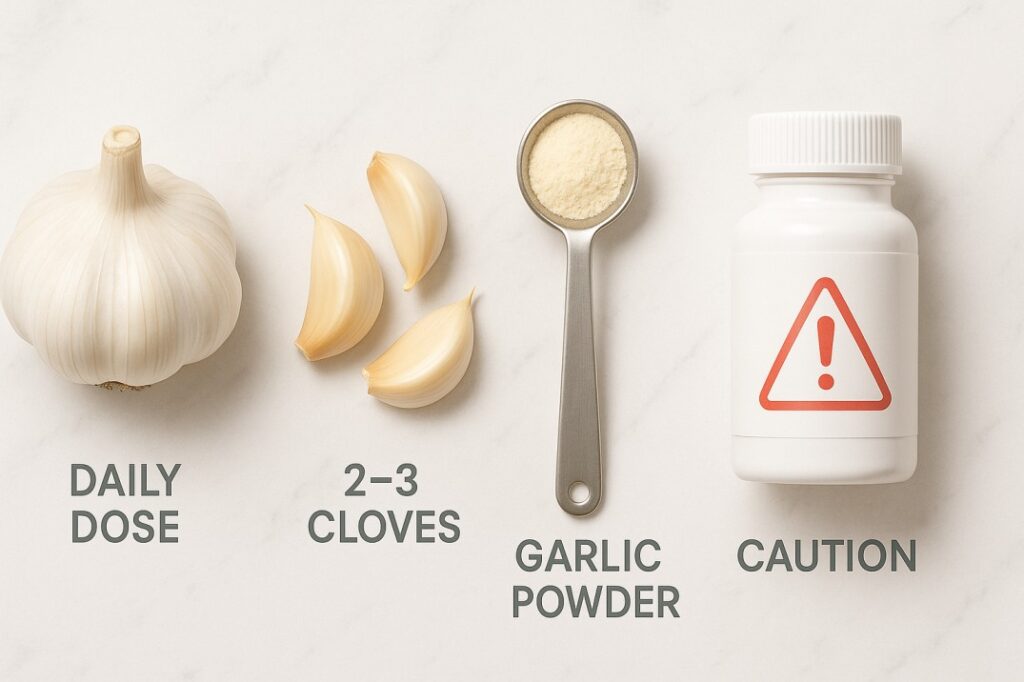
- Fresh garlic: 1-2 cloves (4g) per day
- Aged garlic extract: 600-1,200 mg per day
- Garlic powder: 300 mg, 2-3 times per day
Best Practices
- Crush or chop it: This activates allicin formation—wait 10 minutes before cooking
- Don’t overcook: High heat destroys beneficial compounds; add near the end of cooking
- Pair with fat: Garlic’s compounds are better absorbed with dietary fat
- Be consistent: Daily consumption provides the most benefit
Easy Ways to Add Garlic to Your Diet
- Add minced garlic to post-workout meals (chicken, fish, vegetables)
- Mix into salad dressings or marinades
- Roast whole cloves and spread on whole-grain toast
- Add to smoothies or protein shakes (start with small amounts!)
- Sauté with vegetables or lean proteins
Important Side Effects & Warnings
Common Side Effects
- Bad breath and body odor
- Heartburn or upset stomach
- Gas and bloating
- Nausea (especially in high doses)
Who Should Be Cautious
⚠️ Avoid or consult your doctor if you:
- Have GERD or acid reflux (garlic may worsen symptoms)
- Take blood thinners (garlic has anticoagulant effects)
- Have upcoming surgery (stop garlic 2 weeks before)
- Are pregnant or breastfeeding (safe in food amounts, but avoid supplements)
- Have low blood pressure
- Have a garlic allergy (rare but possible)
Medication Interactions
Garlic may interact with:
- Blood thinners (warfarin, aspirin)
- HIV medications (saquinavir)
- Some blood pressure medications
Always consult your healthcare provider before adding garlic supplements to your routine.
The Bottom Line for Athletes & Fitness Enthusiasts
✅ Do:
- Include garlic regularly in your meals for overall health benefits
- Focus on fresh, crushed garlic when possible
- Be consistent—benefits build over time
- Combine with a balanced diet and training program
❌ Don’t:
- Expect garlic to replace proper nutrition or medication
- Rely on garlic alone for weight loss or performance gains
- Ignore side effects or medication interactions
- Take excessive amounts (more isn’t always better)
Key Takeaway
Garlic is a nutritious food with legitimate health benefits supported by research—particularly for heart health and immune function. While it won’t transform your fitness overnight, it’s a worthwhile addition to a balanced diet that supports your training goals.
Remember: No single food is a magic bullet. Garlic works best as part of a comprehensive approach to nutrition, training, recovery, and overall wellness.
References & Further Reading
- Ried K. et al. (2016). “Garlic lowers blood pressure in hypertensive individuals.” Integrated Blood Pressure Control
- Arreola R. et al. (2015). “Immunomodulation and anti-inflammatory effects of garlic compounds.” Journal of Immunology Research
- Josling P. (2001). “Preventing the common cold with a garlic supplement.” Advances in Therapy
- National Institutes of Health Office of Dietary Supplements: Garlic Fact Sheet
Disclaimer: This information is for educational purposes only and not intended as medical advice. Always consult with healthcare professionals before making significant dietary changes or starting supplements, especially if you have medical conditions or take medications.