Bananas are one of the most portable, affordable, and nutrient-dense foods you can add to your training toolkit — yet they still take heat for being “too sugary.” The science tells a different story. Whether you’re chasing a personal record, grinding through leg day, or recovering from a long run, the humble banana punches well above its weight.
Nutritional Snapshot
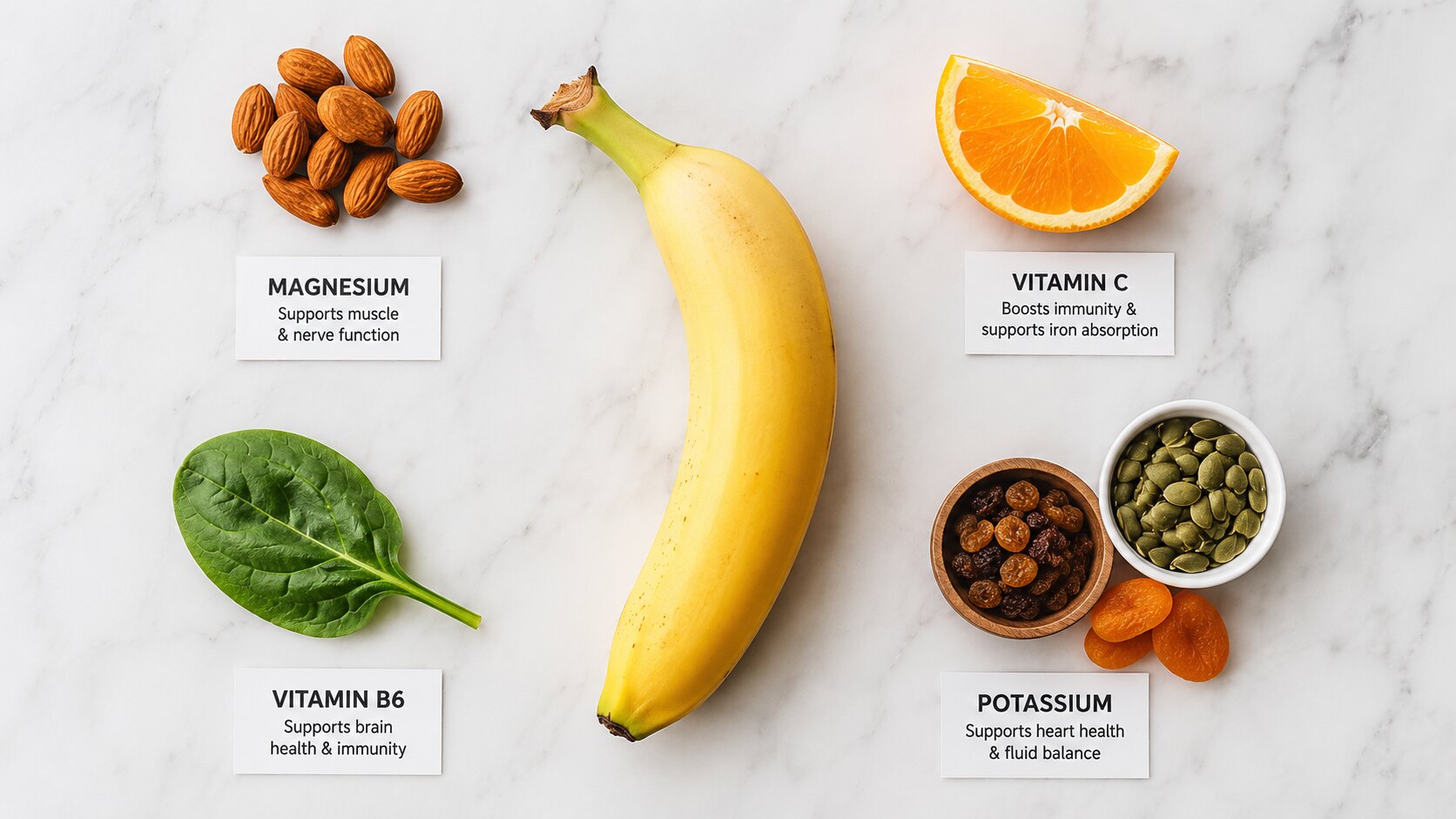
One medium banana (118 g) delivers a focused package of performance-relevant nutrients, according to the USDA FoodData Central:
- Calories: ~105 kcal
- Carbohydrates: 27 g (24 g net carbs)
- Fiber: 3.1 g
- Potassium: 422 mg (9% DV)
- Vitamin B6: 0.43 mg (33% DV)
- Magnesium: 32 mg (8% DV)
- Vitamin C: 10.3 mg (11% DV)
Bananas are low in protein and fat, making them a fast-digesting carbohydrate source — exactly what your muscles need around training.
Performance Benefits for Active Individuals
Pre- and Intra-Workout Fuel
Bananas sit in the low-to-medium glycemic index range (GI ~51 on average; ~30 for green, ~60 for ripe), providing sustained energy without a harsh blood sugar spike. A 2012 study published in PLOS ONE found that bananas matched a 6% carbohydrate sports drink in supporting performance and recovery during 75-km cycling time trials, with the added benefit of dopamine and serotonin precursors from the fruit itself.
Eat one medium banana 30–60 minutes before exercise for a clean, easily digested energy source.
Electrolyte Support and Muscle Function
Potassium is the primary intracellular electrolyte governing nerve signaling and muscle contraction. Inadequate intake during prolonged exercise is associated with cramping and fatigue. A single banana covers roughly 9% of your daily potassium target, and paired with its magnesium content, it supports both cardiovascular efficiency and neuromuscular output, per research in Hypertension (Whelton et al., 2012).
Digestive Health and Gut Performance
The 3.1 g of fiber in a medium banana — split between pectin and resistant starch — feeds beneficial gut bacteria and supports regular gastrointestinal transit. Unripe bananas are particularly high in resistant starch, which bypasses digestion and acts as a prebiotic in the colon. A well-functioning gut means better nutrient absorption and less GI distress during competition.

Insulin Sensitivity and Recovery
Research published in the Journal of Nutrition and Metabolism indicates that 15–30 g of resistant starch daily may improve insulin sensitivity by up to 33–50% over four weeks — relevant for athletes looking to optimize glucose uptake in muscle tissue post-training. Green bananas are your best source of resistant starch; yellow bananas offer more readily available sugars for immediate glycogen replenishment.
Heart and Kidney Health
High potassium intake is consistently associated with lower blood pressure. Epidemiological data show that individuals with high potassium diets have up to a 27% reduced risk of cardiovascular disease (D’Elia et al., Journal of the American College of Cardiology, 2011). Long-term banana consumption — two to three per week — has also been linked to a significantly lower risk of kidney disease in large cohort studies.
How to Use Bananas Around Your Training
- Pre-workout (30–60 min prior): One medium ripe banana with a small amount of nut butter for sustained energy.
- Intra-workout: Half a banana during sessions longer than 60 minutes as a quick carb top-up.
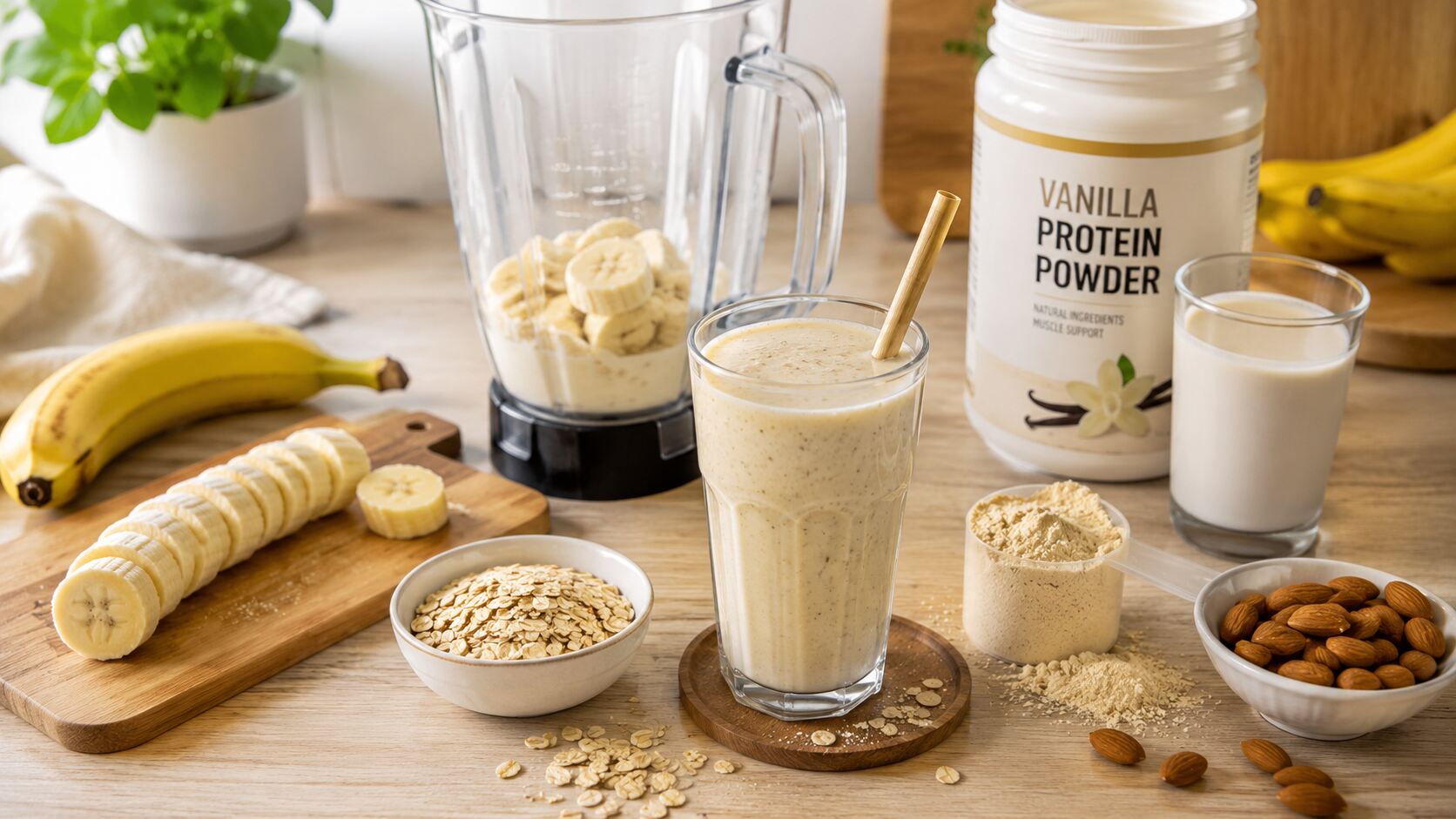
- Post-workout: Blend with whey or plant protein, oats, and milk for a complete recovery shake delivering fast carbs alongside amino acids.
- Baking swap: Mash two ripe bananas to replace sugar and binding agents in oat-based protein bars or pancakes.
Pro Tip: Match Ripeness to Your Goal
Green bananas = higher resistant starch → better for gut health and insulin sensitivity. Yellow bananas = higher available sugars → better for immediate pre/intra-workout fuel.
Cautions and Considerations
Bananas are generally very well tolerated. Individuals managing type 2 diabetes should monitor portion size with ripe bananas, as the higher GI may affect blood glucose more significantly. Those on potassium-restricted diets (e.g., certain kidney disease protocols) should consult their healthcare provider before significantly increasing banana intake.
The Bottom Line
Bananas earn their place in any athlete’s nutrition plan. They are practical, evidence-backed, and adaptable across your training schedule — from pre-workout fuel to post-session recovery. Keep a bunch on your counter and stop second-guessing one of nature’s most effective sports foods.
Disclaimer: This article is intended for informational purposes only and does not constitute medical or dietary advice. Consult a registered dietitian or healthcare professional before making significant changes to your nutrition plan.
References
- USDA FoodData Central. Bananas, raw. FDC ID: 1105314.
- Nieman DC, et al. Bananas as an energy source during exercise: a metabolomics approach. PLOS ONE. 2012;7(5):e37479.
- Whelton PK, et al. Sodium, blood pressure, and cardiovascular disease. Hypertension. 2012;59(5):1110–1115.
- D’Elia L, et al. Potassium intake, stroke, and cardiovascular disease. Journal of the American College of Cardiology. 2011;57(10):1210–1219.
- Robertson MD, et al. Insulin-sensitizing effects of dietary resistant starch. Diabetologia. 2003;46(5):659–665.