
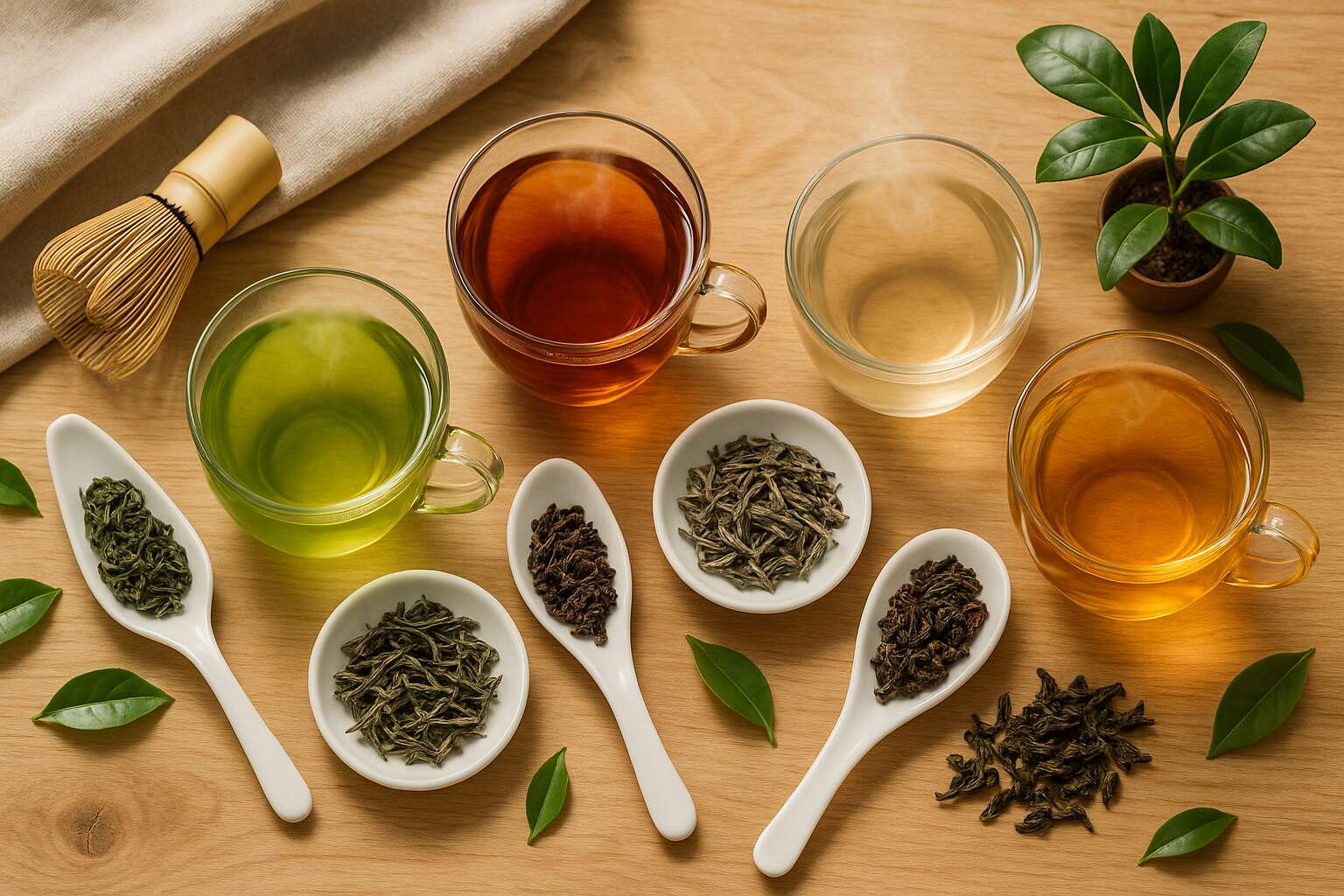
Tea is the world’s second most popular drink after water, and science shows it offers genuine benefits for active people. Here’s what you need to know about using tea to support your fitness goals.
Why Tea Works
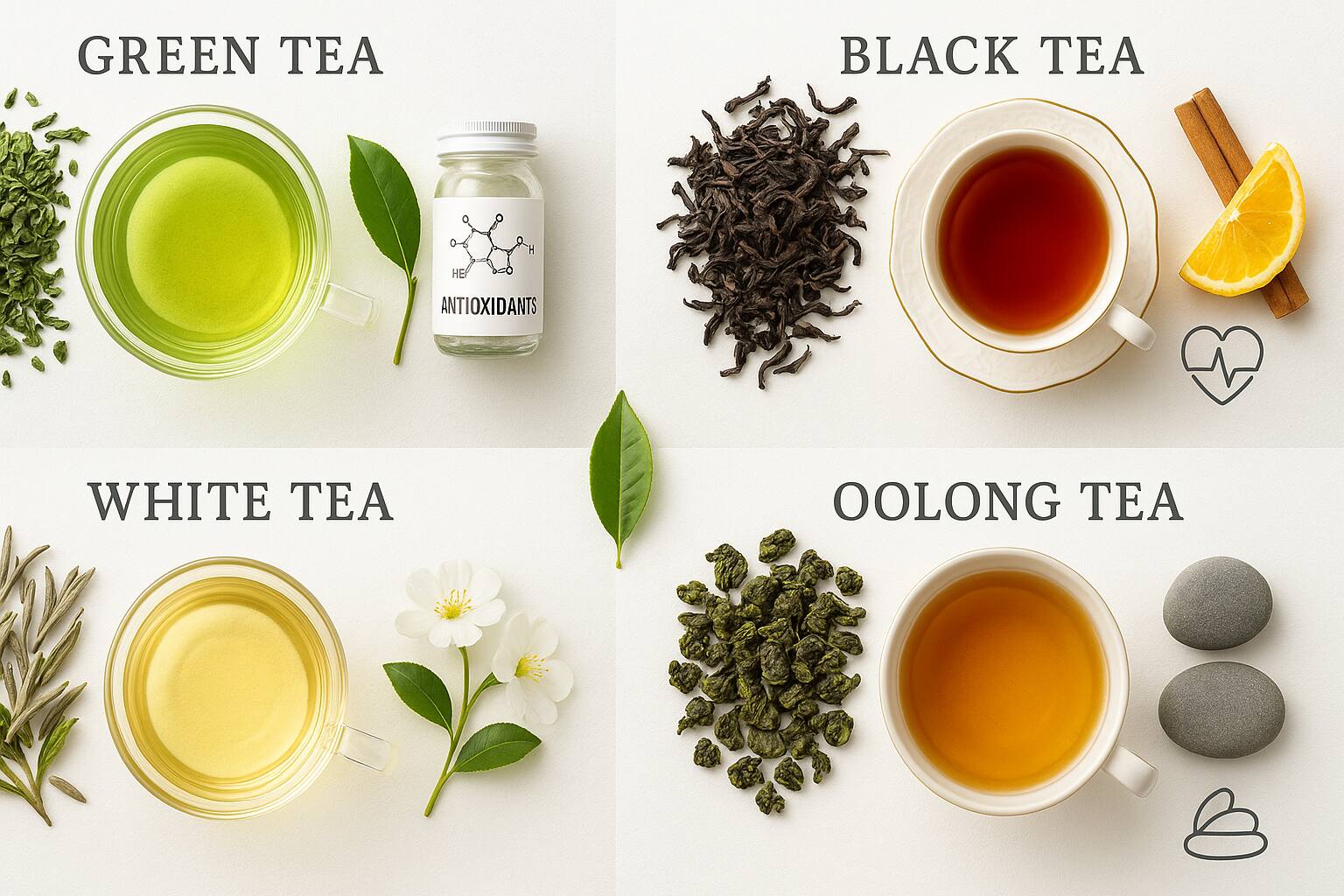
All true tea comes from one plant: Camellia sinensis. The difference between green, black, white, and oolong tea is simply how the leaves are processed. This processing changes which beneficial compounds are most concentrated.
Tea contains powerful antioxidants called polyphenols that help your body recover from the oxidative stress caused by intense workouts. Research in the British Journal of Nutrition shows these compounds reduce exercise-induced muscle damage and inflammation.
Green Tea: Metabolism and Performance
What makes it special: High in catechins, especially EGCG (epigallocatechin gallate)
Benefits for athletes:
- Burns an extra 60-70 calories daily according to Obesity Reviews
- Increases fat burning during exercise by 17% (Medicine & Science in Sports & Exercise)
- Improves focus and alertness through L-theanine + caffeine combo
- Contains 25-50mg caffeine per cup (less than coffee’s 95mg)
When to drink it: 30-60 minutes before workouts to maximize fat burning, or between meals for metabolic support.
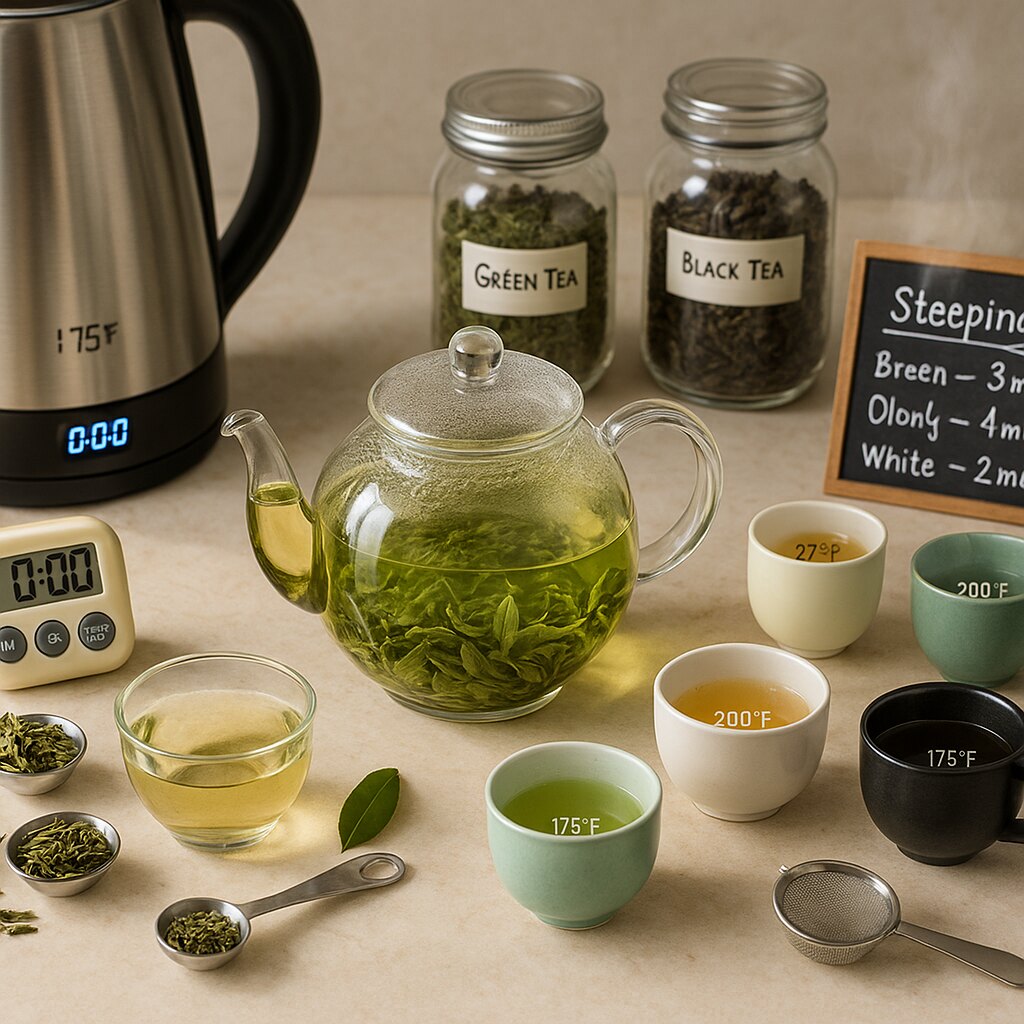
How to brew: Water at 170-180°F, steep 2-3 minutes. Avoid boiling water—it destroys beneficial compounds.
Black Tea: Heart Health and Energy
What makes it special: Fully oxidized, creating theaflavins and thearubigins
Benefits for athletes:
- Reduces heart disease risk by 11% with 3+ cups daily (Circulation)
- Improves blood flow within 2 hours for better oxygen delivery
- Stabilizes blood sugar by 37% when consumed with meals
- Contains 40-70mg caffeine per cup
When to drink it: With breakfast for blood sugar control, or afternoon for sustained energy without sleep disruption.
How to brew: Boiling water, steep 3-5 minutes.
White Tea: Recovery Power
What makes it special: Least processed, highest antioxidant content
Benefits for athletes:
- Strongest antioxidant activity of all tea types (Food Chemistry)
- Reduces post-workout inflammation and oxidative stress
- Lowest caffeine (15-30mg per cup) won’t affect sleep
- Protects skin from UV damage during outdoor training
When to drink it: Post-workout for recovery, or anytime—low caffeine means it won’t interfere with sleep.
How to brew: Water at 170-180°F, steep 4-5 minutes.
Oolong Tea: The Balanced Option
What makes it special: Partially oxidized, combines benefits of green and black tea
Benefits for athletes:
- Increases daily calorie burn by 67 calories (Journal of Nutrition)
- Supports weight management and fat loss
- Improves cholesterol profiles
- Contains 30-50mg caffeine for smooth, sustained energy
When to drink it: Morning or early afternoon for all-day energy and mental clarity.
How to brew: Water at 190°F, steep 3-5 minutes. Can re-steep multiple times.
Strategic Timing Guide
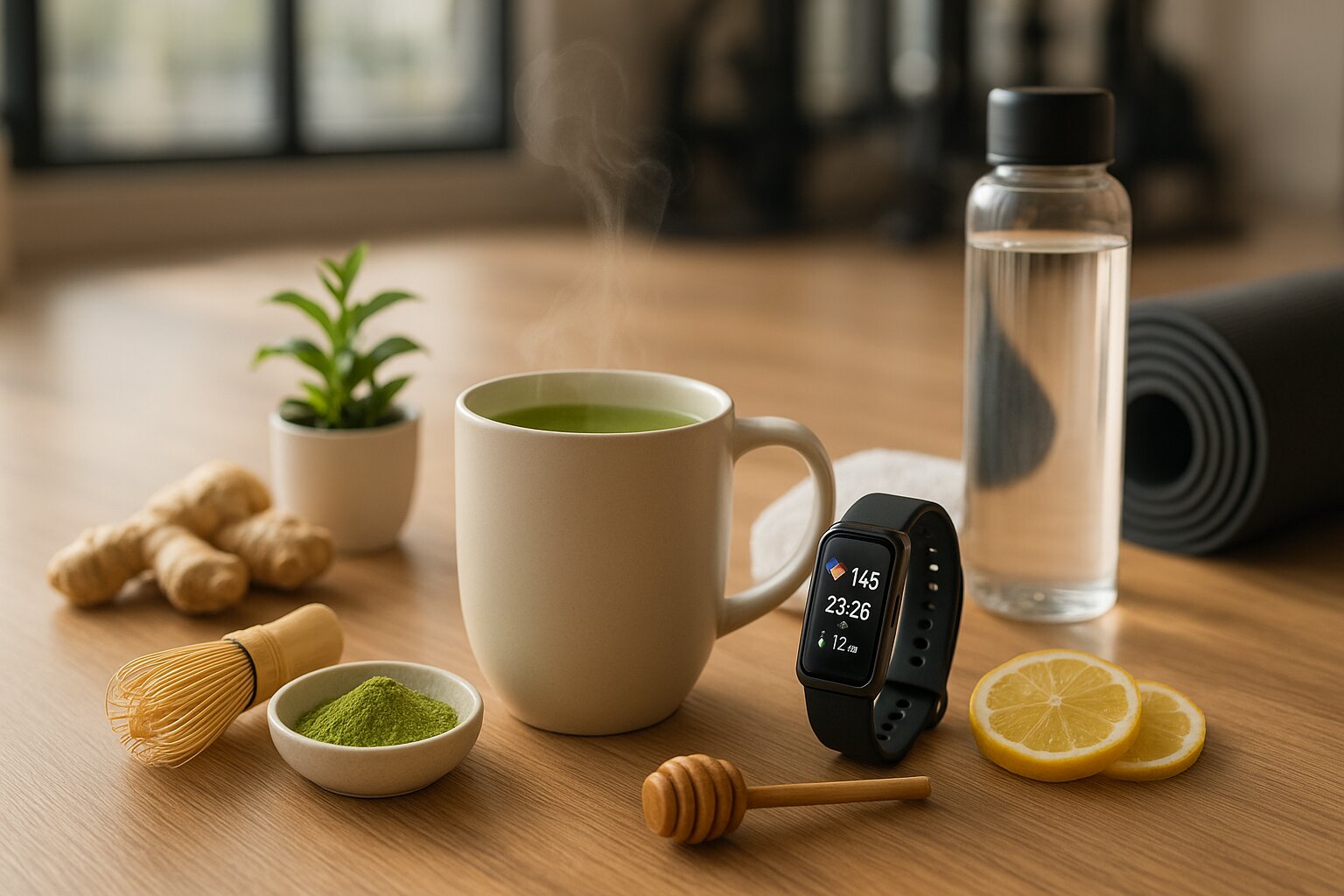
Pre-workout (30-60 min before): Green or oolong tea for fat burning and endurance
Post-workout: White or green tea for recovery and reduced muscle soreness
Between meals: Any tea to control appetite and maintain stable energy
Evening: White tea only if caffeine-sensitive (even moderate amounts 6+ hours before bed can disrupt sleep)
Quick Brewing Tips
- Temperature matters: Green/white need cooler water (170-180°F), black/oolong can handle boiling
- Don’t over-steep: Follow timing guidelines to avoid bitterness while getting maximum benefits
- Skip the sugar: It negates blood sugar and weight management benefits
- Use quality tea: Loose leaf is best; store in airtight containers away from light
- Try cold brewing: Steep in cold water for 6-12 hours for smooth, refreshing post-workout drinks
Common Questions
Does tea dehydrate you? No. Despite containing caffeine, 3-4 cups daily contribute positively to hydration (European Journal of Clinical Nutrition).
How much should you drink? Most studies showing benefits used 3-5 cups daily. Start with 2-3 and adjust based on how you feel.
Can tea replace pre-workout supplements? For moderate-intensity training, green tea or matcha can provide sufficient benefits without high stimulants. For intense sessions, use what works for you.
Does milk reduce benefits? Possibly, but if it helps you drink more tea, the net benefit likely remains positive.
The Bottom Line
Tea is a simple, scientifically-backed addition to your fitness nutrition. Different types offer unique benefits:
- Green tea for metabolism and fat burning
- Black tea for heart health and sustained energy
- White tea for recovery and low-caffeine benefits
- Oolong tea for balanced weight management support
Start with one type based on your goals, brew it properly, and time it strategically around your workouts. Combined with your training and nutrition, tea becomes one more tool supporting your performance and health.
Sources
- Hursel, R., et al. “The Effects of Green Tea on Weight Loss.” International Journal of Obesity, 2009.
- Venables, M.C., et al. “Green Tea Extract Ingestion, Fat Oxidation, and Glucose Tolerance.” American Journal of Clinical Nutrition, 2008.
- Hartley, L., et al. “Green and Black Tea for Cardiovascular Disease Prevention.” Cochrane Database, 2013.
- Nobre, A.C., et al. “L-Theanine and Its Effect on Mental State.” Asia Pacific Journal of Clinical Nutrition, 2008.
- Rumpler, W., et al. “Oolong Tea Increases Metabolic Rate and Fat Oxidation.” Journal of Nutrition, 2001.
Disclaimer: This article provides general nutritional information. Consult healthcare providers for personalized advice.