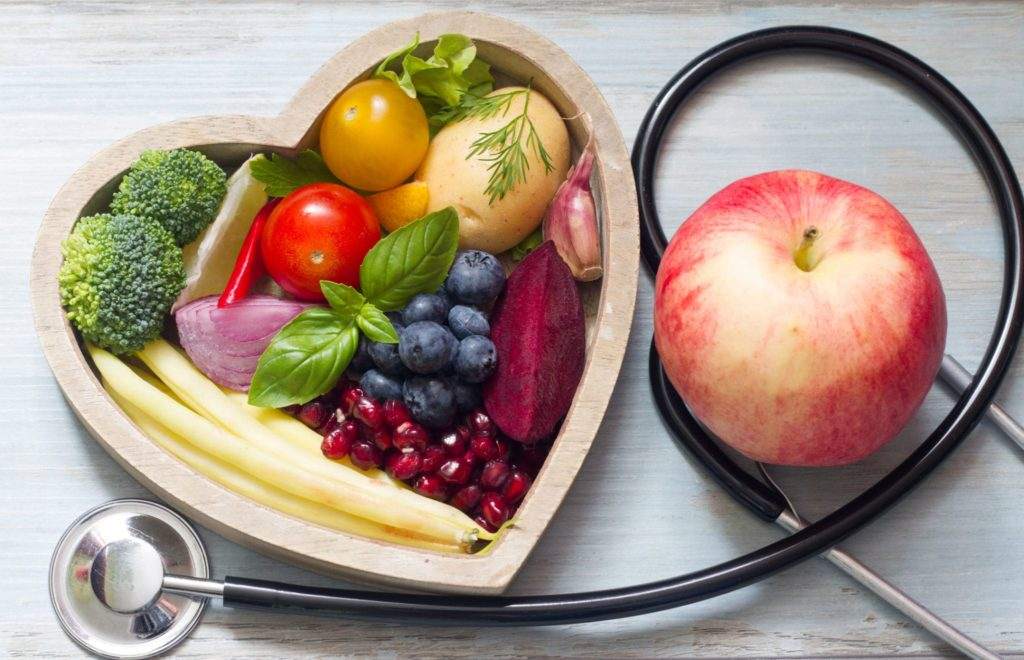
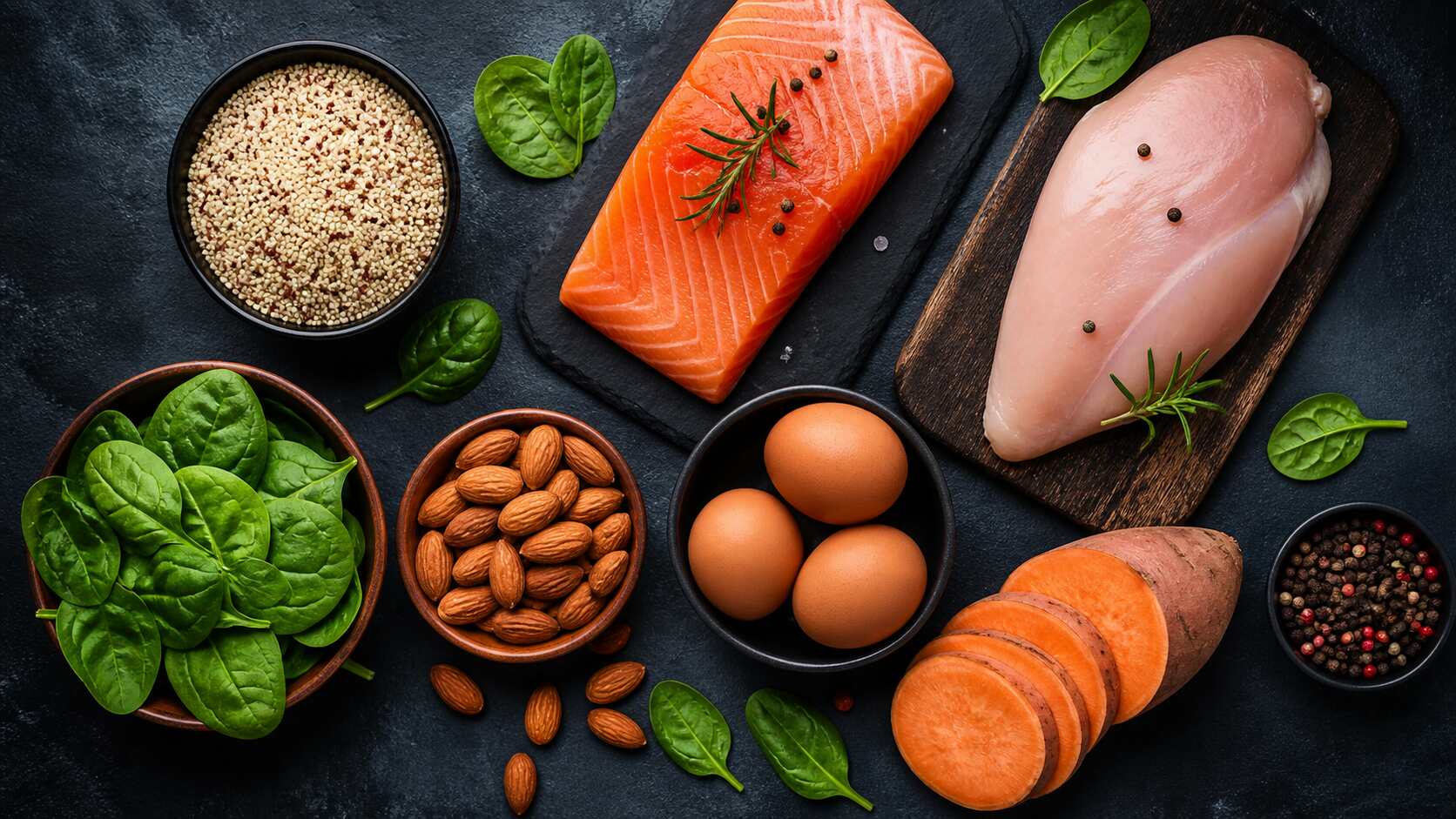
If you are putting in the work at the gym but not seeing the muscle growth you expect, your plate may be the missing piece. Before reaching for expensive supplements, build your foundation with whole foods that have proven anabolic and recovery-supporting properties. Here are the most effective muscle-building foods, backed by science.
Why Whole Foods Come First
Supplements can complement a training program, but research consistently shows that adequate dietary protein, healthy fats, and micronutrients from whole food sources drive the most sustainable lean muscle development. A 2017 review in the Journal of the International Society of Sports Nutrition (JISSN) confirmed that total daily protein intake — not supplement timing alone — is the primary driver of muscle protein synthesis.
High-Protein Anchors
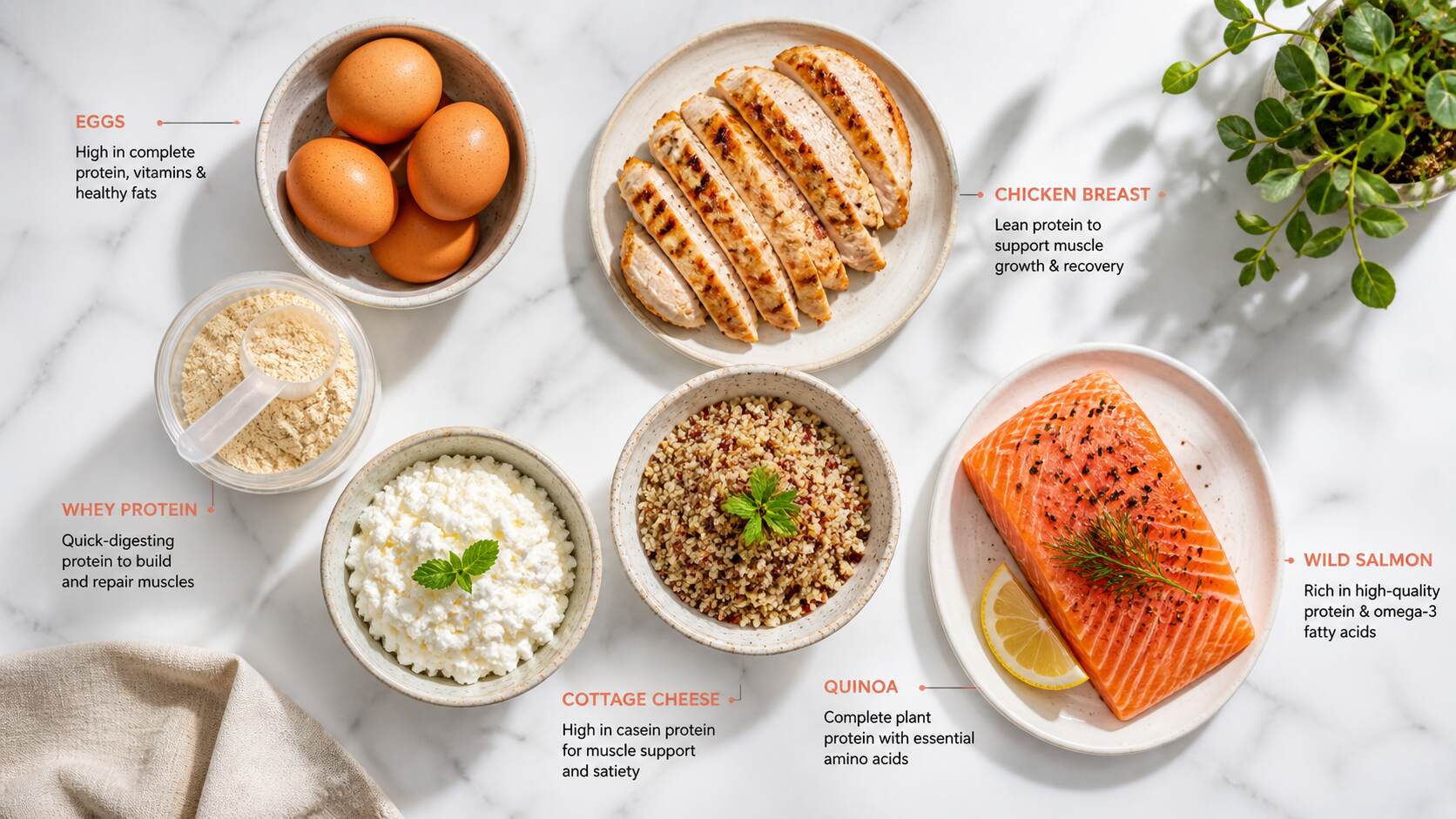
Eggs
Each egg delivers 6–8 g of complete protein along with zinc, iron, calcium, and fat-soluble vitamins. The leucine content in eggs is especially notable — leucine is the amino acid most responsible for triggering muscle protein synthesis. Aim for 2–3 whole eggs per day to maximize nutrient density without excess calories.
Chicken Breast
At approximately 31 g of protein per 100 g, chicken breast is one of the most efficient lean protein sources available. It is low in saturated fat, making it ideal for athletes focused on body recomposition. Consume it at lunch or dinner alongside complex carbohydrates for optimal recovery.
Wild Salmon
Salmon provides both high-quality protein (~25 g per 100 g) and omega-3 fatty acids (EPA and DHA). A 2011 study in the American Journal of Clinical Nutrition found that omega-3 supplementation significantly increased muscle protein synthesis rates, making fatty fish a dual-action muscle food.
Whey Protein
Derived from the liquid portion of milk, whey is a fast-digesting, complete protein that spikes blood amino acid levels rapidly. Post-workout consumption of 20–40 g of whey protein has been shown to maximally stimulate muscle protein synthesis in trained individuals (JISSN, 2017).
Cottage Cheese
A single cup of low-fat cottage cheese contains approximately 28 g of protein, predominantly casein — a slow-digesting protein ideal for overnight recovery. Consume it before bed to sustain elevated amino acid levels during sleep.
Smart Carbohydrates for Energy and Recovery

Quinoa
Unlike most plant-based carbohydrates, quinoa is a complete protein, providing all nine essential amino acids at approximately 14 g of protein per 100 g dry weight (USDA FoodData Central). It also supplies magnesium and iron — critical minerals for muscle contraction and oxygen transport.
Oats
Oats offer a balanced macronutrient profile with complex carbohydrates, 5–6 g of protein per serving, fiber, and B vitamins. Their low glycemic index provides sustained energy release, making them an excellent pre-workout breakfast 60–90 minutes before training.
Brown Rice
Complex carbohydrates in brown rice replenish muscle glycogen post-workout while supporting a gradual insulin response. Pair it with chicken or salmon for a complete recovery meal.
Sweet Potato
Sweet potatoes provide 20–23 g of carbohydrates per medium serving alongside high levels of vitamin A, potassium, and B vitamins. Their potassium content — roughly 28% higher than a banana — supports electrolyte balance and muscle function during intense training.
Banana
Bananas deliver a blend of fructose, sucrose, and glucose that makes them an ideal pre- and post-workout snack. They are cholesterol-free, fat-free, and rich in vitamin B6, which plays a role in protein metabolism.
Recovery and Anti-Inflammatory Supports
Spinach
Spinach contains phytoecdysteroids and nitrates that support blood flow and muscle efficiency. It is also rich in magnesium and antioxidants that reduce exercise-induced oxidative stress.
Pineapple
Bromelain, a proteolytic enzyme found in pineapple, has been shown to reduce muscle soreness and inflammation following exercise. Consume it as a post-workout snack to support faster recovery.
Turmeric
Curcumin — the active compound in turmeric — has demonstrated anti-inflammatory and muscle-repair properties in multiple clinical studies. A daily dose of 500–1,000 mg of curcumin, combined with black pepper to enhance bioavailability, can meaningfully support recovery.
Almonds
A 28 g serving of almonds provides 6 g of protein, 14 g of healthy fats, and high levels of vitamin E, which acts as an antioxidant to protect muscle cells from oxidative damage. They are a convenient, calorie-dense snack for athletes in a caloric surplus.
Healthy Fats for Hormonal Health
Olive Oil and Fish Oil
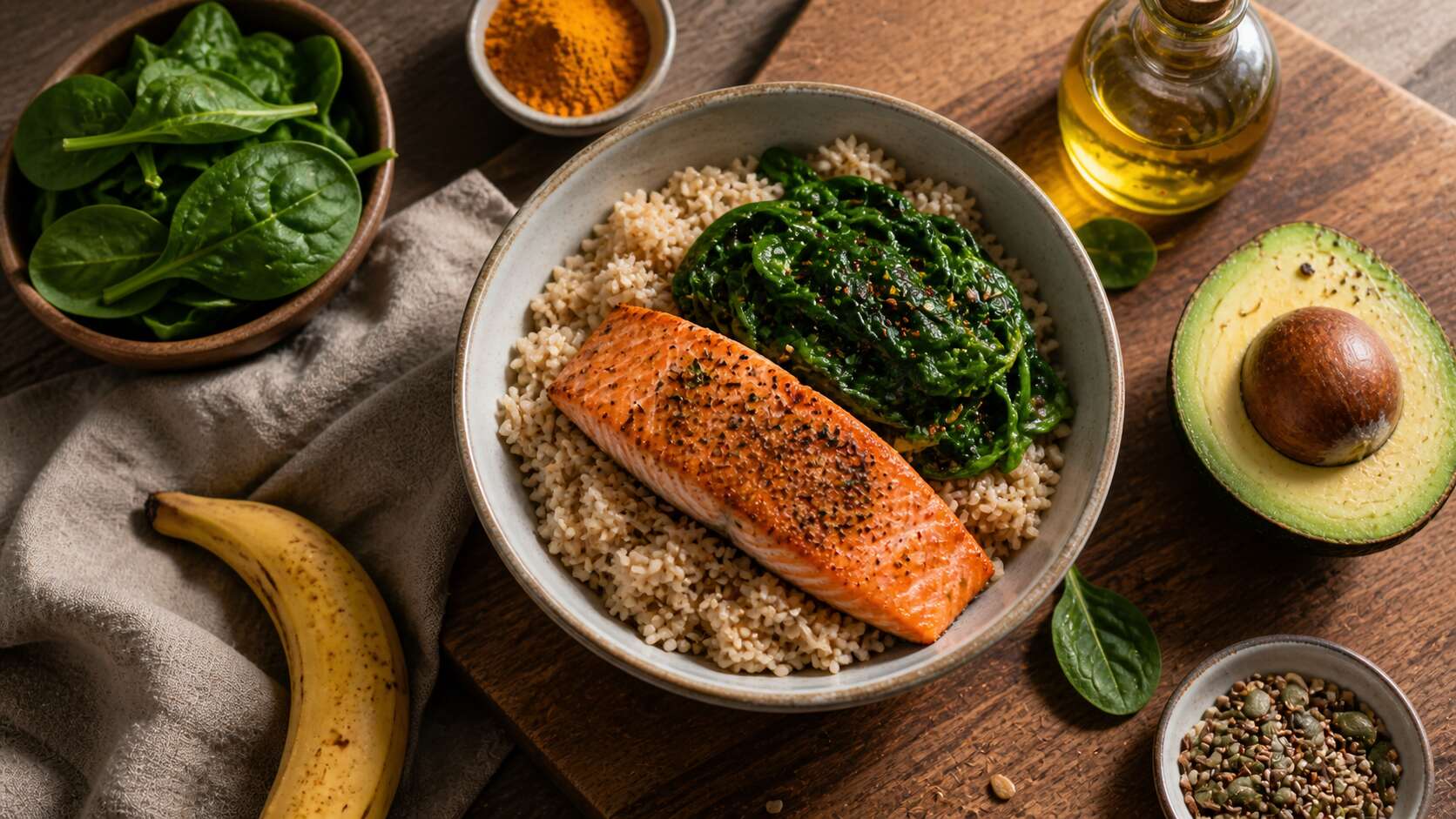
Monounsaturated fats in olive oil help preserve lean muscle tissue by reducing muscle protein breakdown. Fish oil omega-3s additionally support testosterone and IGF-1 levels — key anabolic hormones. Aim for 2–3 g of combined EPA and DHA daily from fatty fish or fish oil supplements.
Plant-Based Protein Options
Lentils and Chickpeas
For athletes following plant-based diets, lentils and chickpeas deliver 15–18 g of protein per cooked cup. Pair them with a grain like rice or quinoa to achieve a complete amino acid profile.
Practical Muscle-Building Meal Strategy
- Pre-workout (60–90 min before): Oats or banana with a protein source
- Post-workout (within 30–60 min): Whey protein shake or chicken breast with brown rice
- Before bed: Cottage cheese or a casein-based protein to support overnight synthesis
- Daily hydration: Muscle tissue is approximately 75% water — target a minimum of 3 liters per day for active individuals
Sources
- Morton, R.W. et al. (2018). British Journal of Sports Medicine, 52(6), 376–384.
- Smith, G.I. et al. (2011). American Journal of Clinical Nutrition, 93(2), 402–412.
- Jager, R. et al. (2017). Journal of the International Society of Sports Nutrition, 14, 20.
- USDA FoodData Central. FoodData Central Search Results. fdc.nal.usda.gov
- Drobnic, F. et al. (2014). Journal of the International Society of Sports Nutrition, 11, 31.
Disclaimer: This article is intended for informational purposes only and does not constitute medical or nutritional advice. Consult a registered dietitian or qualified healthcare professional before making significant changes to your diet or supplementation routine, particularly if you have an underlying health condition.