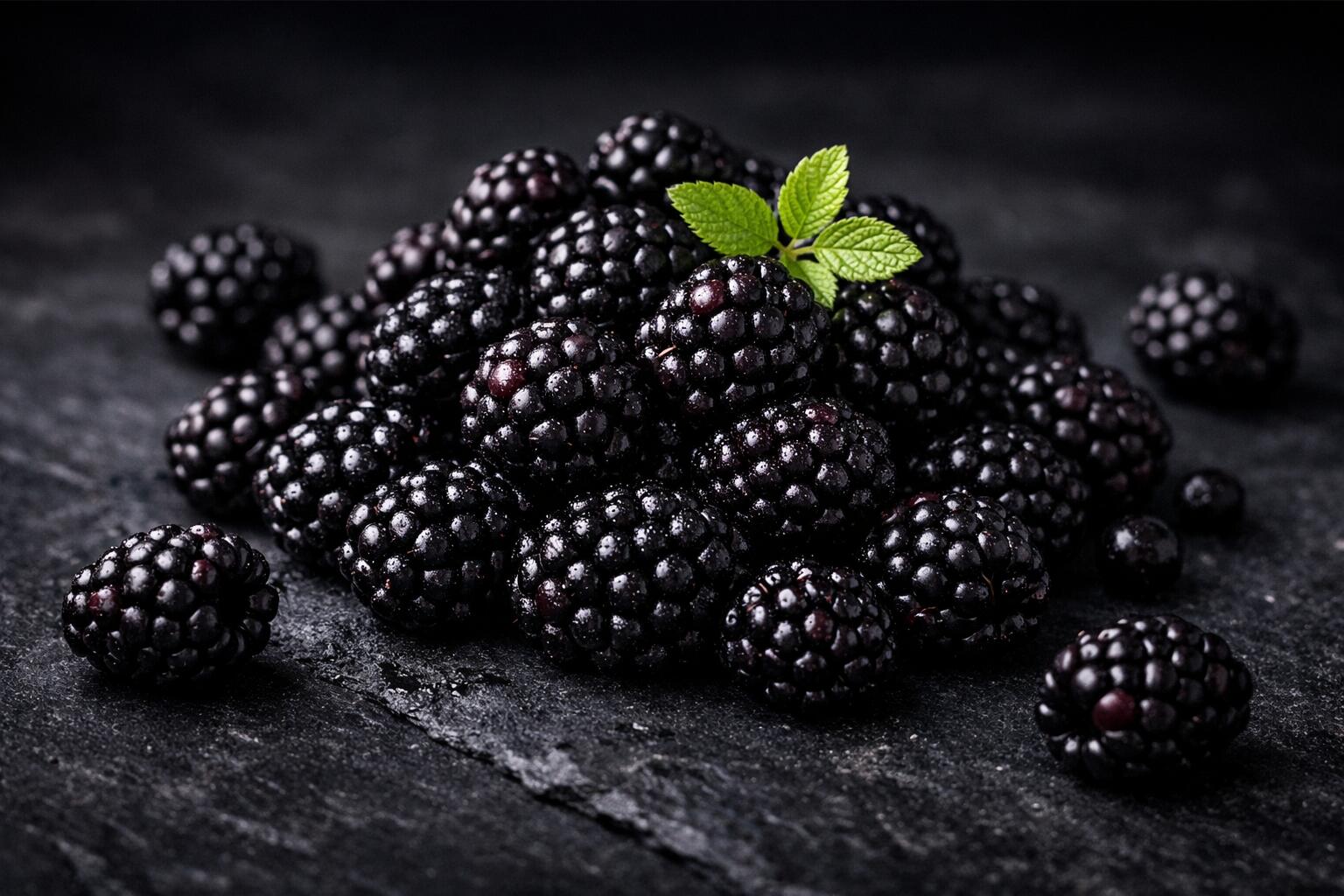
You’re already tracking macros, optimizing sleep, and timing your workouts — but are you sleeping on one of nature’s most powerful performance foods? Blackberries are small, low-calorie, and often overlooked, yet they pack a remarkable nutritional punch that supports everything from recovery to cognitive focus.
Nutritional Profile at a Glance
One cup (144g) of raw blackberries delivers a clean macro split that fits almost any eating plan:
- Calories: 62 kcal
- Carbohydrates: 14g
- Fiber: ~8g
- Fat: 1g
- Glycemic Index: 25 | Glycemic Load: 4
That low GI/GL combination means blackberries release energy gradually — no insulin spikes, no crashes — making them an ideal pre-workout carb source or a smart addition to a weight-loss diet. (USDA FoodData Central, 2023)
Key Fitness Benefits
Vitamin C for Recovery and Collagen Synthesis
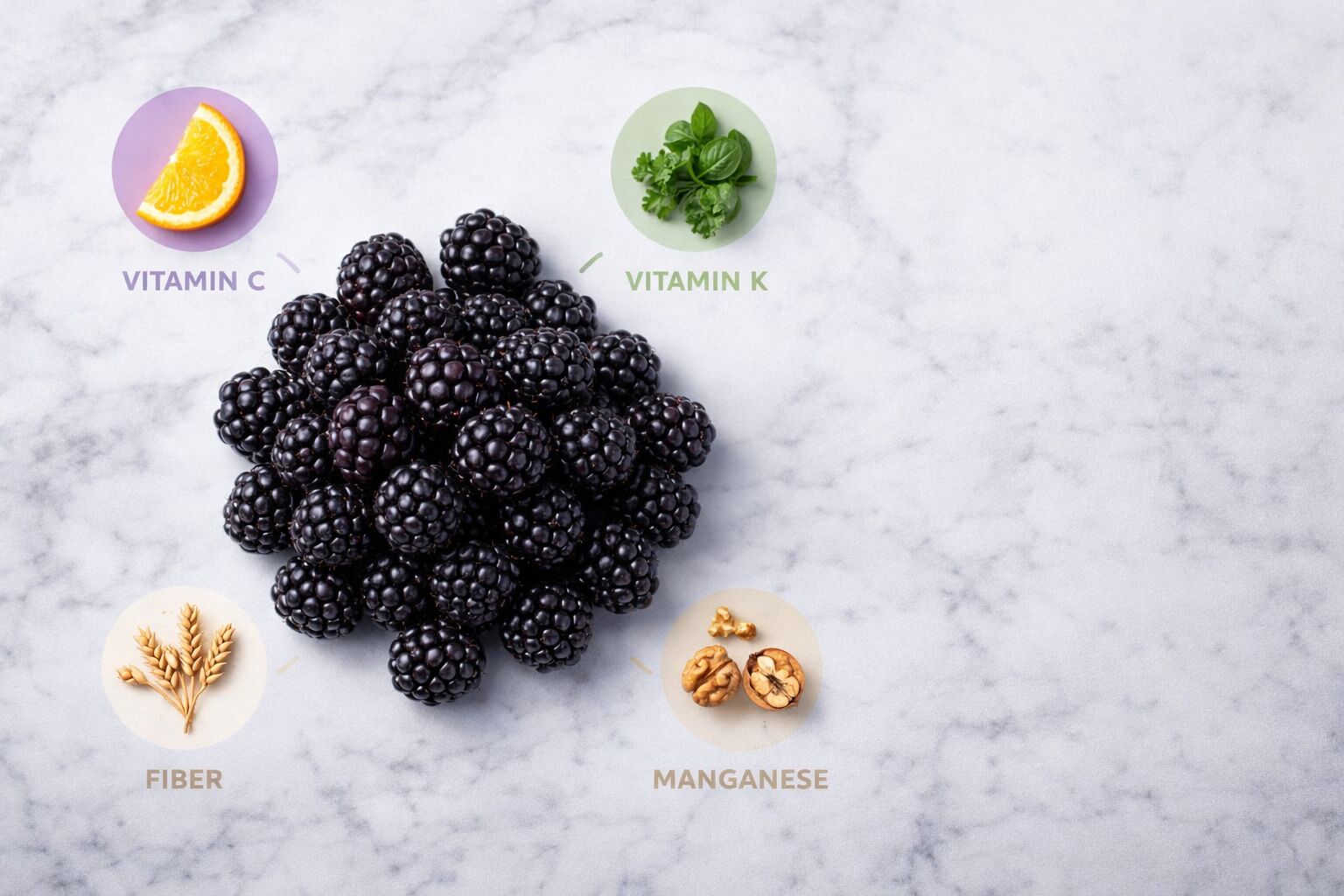
One cup of blackberries provides 30.2 mg of vitamin C — roughly 34% of the daily recommended value. Vitamin C is essential for collagen production, which directly supports connective tissue repair after resistance training. It also acts as a potent antioxidant, helping neutralize exercise-induced oxidative stress. A 2020 review in Nutrients confirmed that antioxidant-rich diets accelerate post-exercise muscle recovery.
Fiber for Gut Health and Sustained Energy
At nearly 8g of fiber per cup, blackberries far exceed most fruits. Dietary fiber supports a healthy gut microbiome, regulates blood sugar, and promotes satiety — all critical for athletes managing body composition. Research published in The Lancet (2019) found that higher fiber intake is significantly associated with reduced cardiovascular risk and better weight management outcomes.
Vitamin K for Bone Integrity
One cup provides approximately 29 mcg of vitamin K — over one-third of the daily target. Vitamin K plays a direct role in bone metabolism and density. For athletes under heavy training load, maintaining bone health is non-negotiable. Note: If you take blood-thinning medication (e.g., warfarin), maintain consistent vitamin K intake and consult your physician before significantly increasing blackberry consumption.
Manganese for Metabolism and Wound Healing
Blackberries deliver 0.9 mg of manganese per cup — nearly half the daily recommended intake. Manganese is a cofactor in carbohydrate and amino acid metabolism and is essential for the enzyme prolidase, which supports collagen formation and wound healing. (National Institutes of Health, Office of Dietary Supplements)
Brain Health and Cognitive Focus
A review in the Journal of Agricultural and Food Chemistry found that berry antioxidants help reduce neuroinflammation and improve neuron signaling — potentially slowing age-related cognitive decline. For athletes, sharper focus and faster reaction time matter as much as physical conditioning.
How to Use Blackberries for Performance
Recommended serving: 1 cup (144g) daily
Best timing:
- Pre-workout: 30–60 minutes before training — the low-GI carbs provide steady fuel
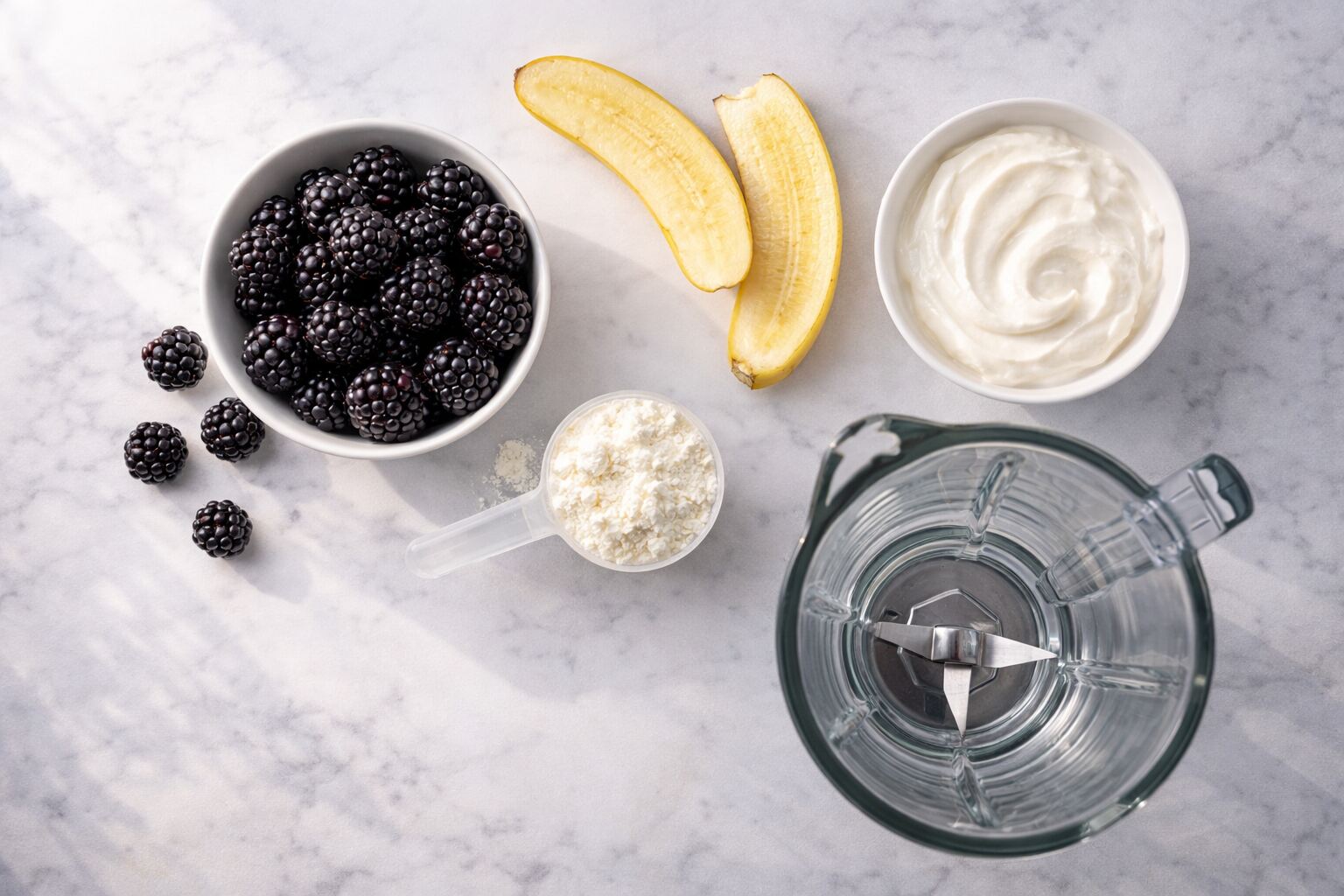
- Post-workout: Blend with protein powder and Greek yogurt to support recovery
- Morning: Add to oatmeal or a smoothie bowl to start the day with antioxidants
Simple performance combos:
- Blackberry + banana + whey protein smoothie
- Blackberry + spinach + almond butter bowl
- Frozen blackberries + Greek yogurt + granola parfait
The Bottom Line
Blackberries earn their place in a performance-focused diet not through hype, but through solid nutritional science. With high fiber, vitamin C, vitamin K, and manganese — all at under 65 calories per cup — they support recovery, body composition, bone health, and cognitive function simultaneously. Add them to your rotation and let the data do the talking.
Sources: USDA FoodData Central (2023); Aune et al., The Lancet (2019); Carey et al., Journal of Agricultural and Food Chemistry; National Institutes of Health – Office of Dietary Supplements; Nutrients, Vol. 12 (2020).
Disclaimer: This article is for informational purposes only and does not constitute medical or nutritional advice. Consult a registered dietitian or healthcare provider before making significant changes to your diet, especially if you have a pre-existing medical condition or take prescription medication.