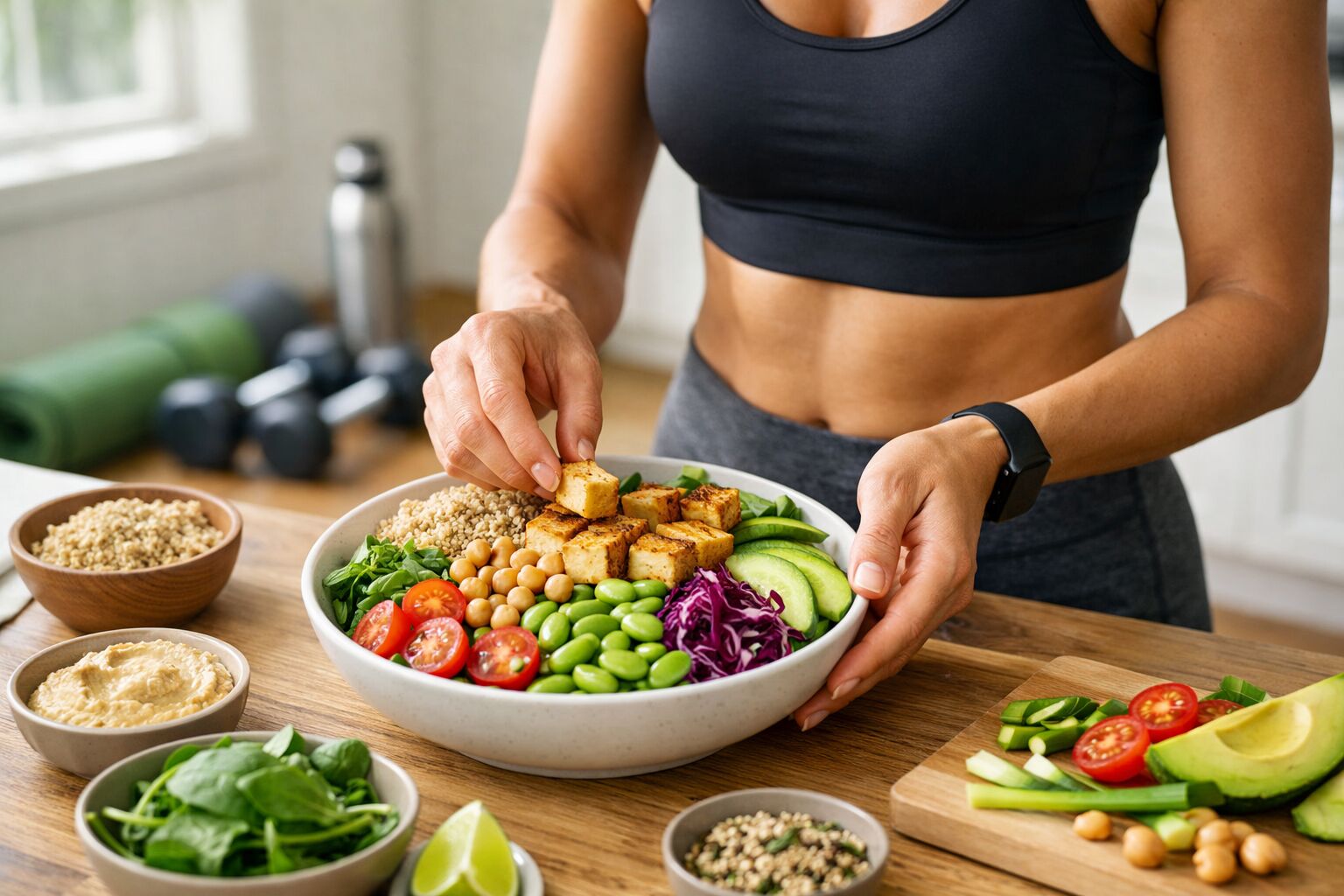
Whether you’re crushing PRs in the gym, logging miles on the trail, or optimizing your body composition, you’ve probably wondered: can plant-based eating fuel serious athletic performance? The answer is a resounding yes—when done right.
Plant-based diets are no longer just a trend. According to the Academy of Nutrition and Dietetics, well-planned vegetarian and vegan diets can meet all nutritional requirements for athletes, active individuals, and those focused on performance goals. The key is understanding which plant foods pack the most protein punch and how to strategically combine them for optimal results.
Why Plant Protein Matters for Your Fitness Goals
Protein isn’t just about building muscle—though it certainly helps with that. For active individuals, adequate protein intake supports workout recovery, maintains lean muscle mass during fat loss, enhances endurance, and provides sustained energy throughout training sessions.
The recommended baseline is 0.8 grams of protein per kilogram of body weight daily (about 60g for a 165-pound person), but athletes and those building muscle typically need 1.6-2.2 grams per kilogram, according to research published in the Journal of the International Society of Sports Nutrition. Plant-based eaters can absolutely hit these targets with strategic food choices.
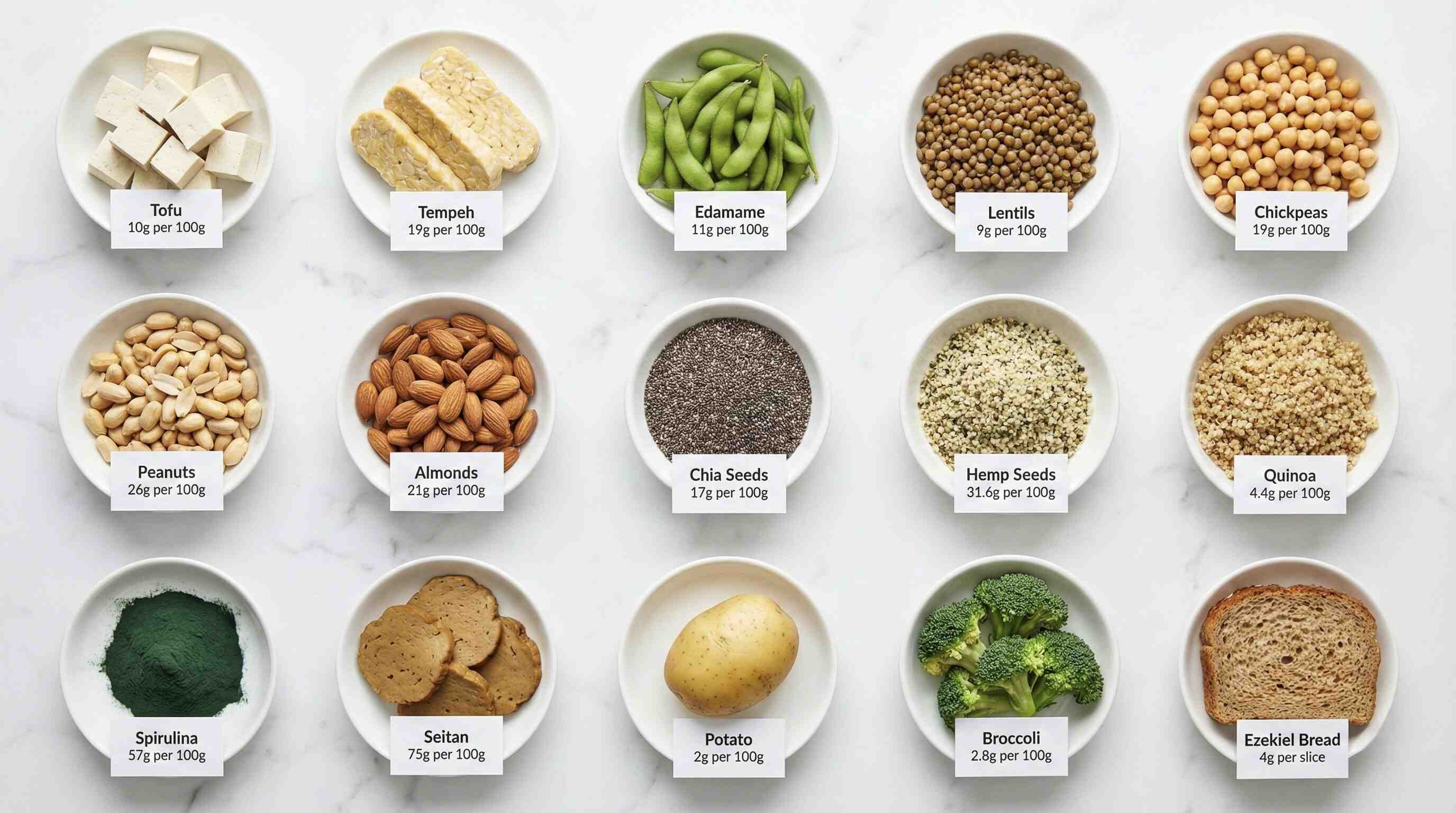
The Top 15 Plant-Based Proteins to Power Your Training
Complete Protein Powerhouses
1. Soy Trio: Tofu, Tempeh, and Edamame
Soy products are among the most protein-dense plant foods available, and they’re complete proteins containing all nine essential amino acids your body can’t produce on its own.
- Tempeh: 15g per ½ cup (fermented for better digestion)
- Firm tofu: 10g per ½ cup (incredibly versatile)
- Edamame: 8.5g per ½ cup (perfect pre-workout snack)
These options also deliver calcium and iron—critical for bone health and oxygen transport during endurance activities. Research in Nutrients journal suggests soy protein is just as effective as whey for muscle protein synthesis when consumed in adequate amounts.
Pro tip: Marinate tofu overnight in soy sauce and spices, then bake for a high-protein meal prep staple.
2. Quinoa
This ancient grain is a complete protein delivering 8g per cooked cup, plus magnesium for muscle function and manganese for energy metabolism. Use it as a post-workout base for Buddha bowls or mix into breakfast porridge for sustained morning energy.
3. Seitan
When prepared with soy sauce (rich in lysine), seitan becomes a complete protein powerhouse with 21g per ⅓ cup. Its high wheat content makes it unsuitable for those with celiac disease, but for others, it’s an excellent meat substitute with a satisfying texture.
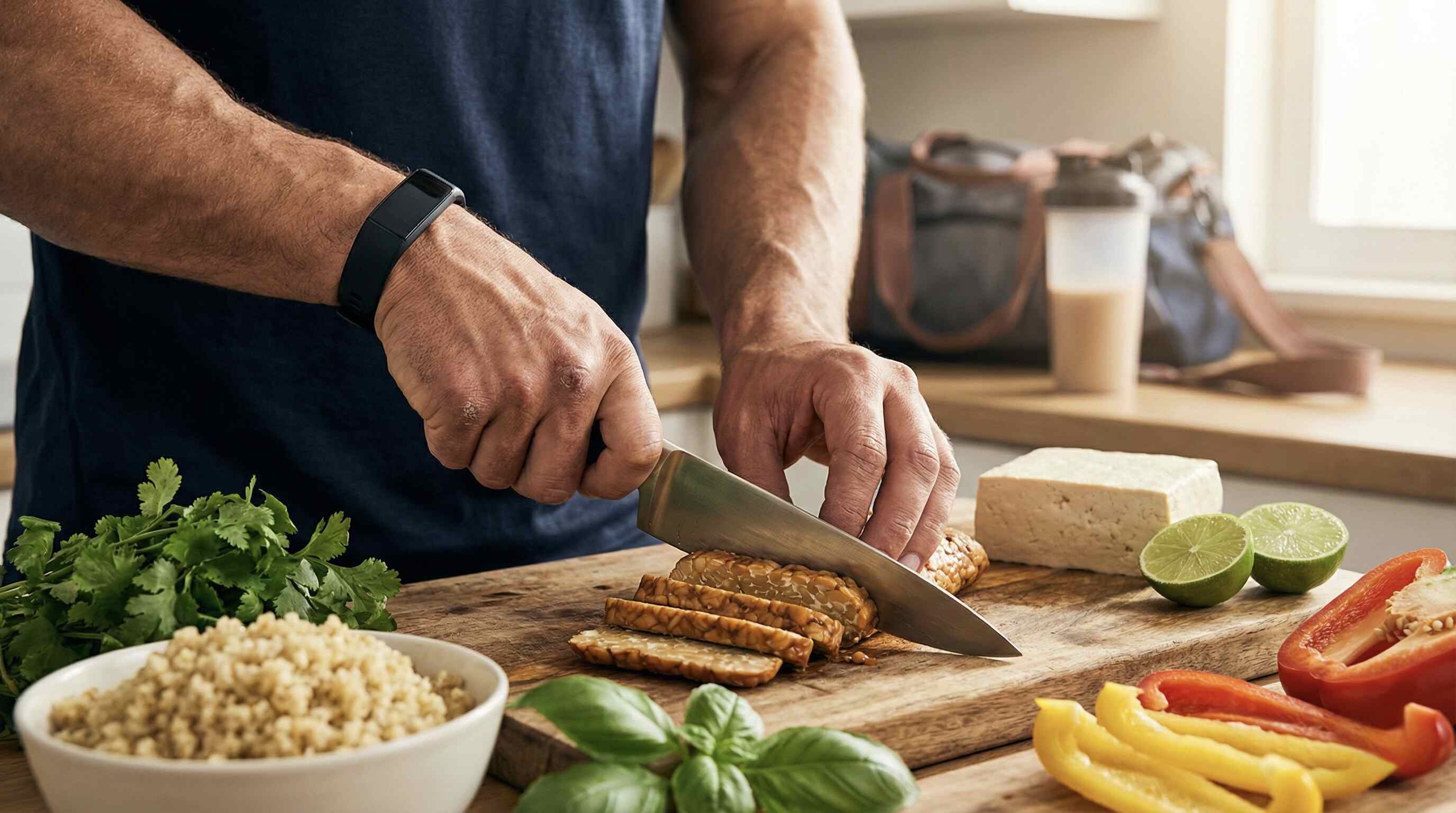
High-Protein Plant Foods
4. Lentils
Cooked lentils provide 8.84g of protein per ½ cup along with fiber for digestive health and iron for endurance. According to USDA data, they’re also rich in folate and potassium—electrolytes that support muscle contraction and recovery.
5. Chickpeas
At 7.25g per ½ cup, chickpeas are your versatile training companion. Roast them with spices for a crunchy post-workout snack, or blend into hummus for a protein-rich spread (3g per 2 tablespoons).
6. Peanuts and Peanut Butter
Peanuts deliver an impressive 20.5g per ½ cup, while peanut butter provides 3.6g per tablespoon. Research published in Hypertension suggests peanuts may support heart health—crucial for cardiovascular fitness. Pair peanut butter with Ezekiel bread for a complete protein pre-workout meal.
7. Almonds
These nutrient-dense nuts offer 16.5g per ½ cup plus vitamin E, an antioxidant that may help reduce exercise-induced oxidative stress. Keep portion sizes in check—the calories add up quickly.
8. Hemp Seeds
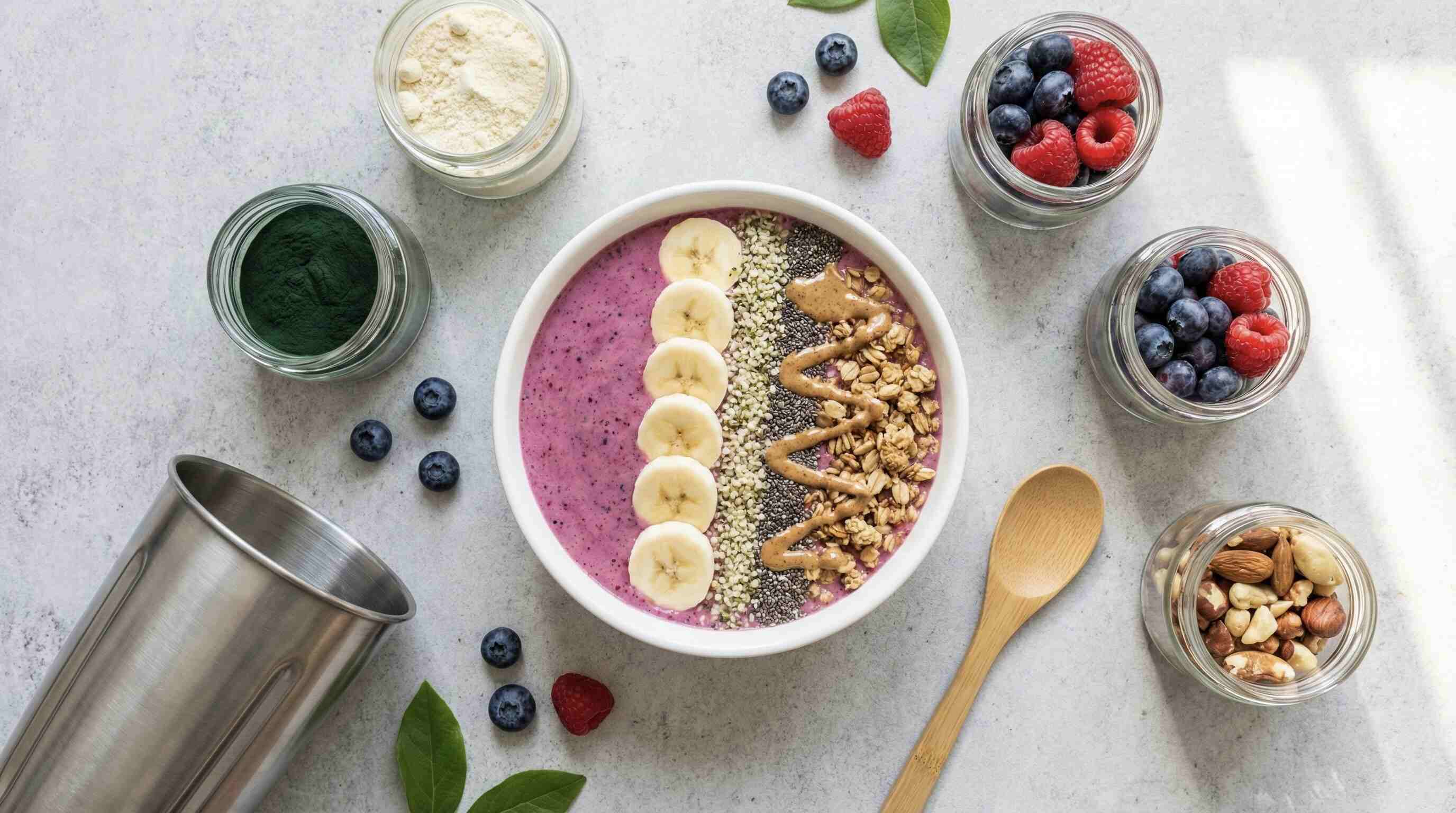
A complete protein source with 5g per tablespoon, hemp seeds also provide omega-3 fatty acids that support inflammation reduction and recovery. Sprinkle on smoothie bowls or blend into protein shakes.
9. Chia Seeds
Another complete protein at 2g per tablespoon, chia seeds absorb liquid to create a gel-like consistency—perfect for making protein-packed puddings or adding thickness to recovery smoothies.
10. Beans and Rice
Separately incomplete, together complete. This classic combination provides 7g of protein per cup and creates a balanced amino acid profile. The slow-digesting carbs from rice fuel extended training sessions.
11. Spirulina
This blue-green algae packs 8g of protein per 2 tablespoons and is rich in iron and B-vitamins (though not B12). Studies in the Medicine & Science in Sports & Exercise journal suggest spirulina may enhance endurance performance and reduce oxidative damage.
Dosage: Start with 1-2 teaspoons daily in smoothies and gradually increase to 1-2 tablespoons.
12. Mycoprotein
This fungus-based protein offers 13g per ½ cup serving and is sold under brands like Quorn. Note that some products contain egg whites, and rare allergies to the fungus Fusarium venenatum exist. Check labels if you’re strictly plant-based.
13. Potatoes
Surprisingly protein-rich at 8g per large baked potato, plus packed with potassium for muscle function and vitamin C for immune support. Top with hummus instead of butter for an additional 3g of protein and healthy fats.
14. Protein-Rich Vegetables
While not protein-dense enough to be primary sources, these add up:
- Broccoli: 4g per medium stalk
- Mushrooms: 3g per 5 medium mushrooms
- Kale: 2g per cup
Combine these with quinoa in a power salad for a nutrient-dense recovery meal.
15. Ezekiel Bread
Made from sprouted grains and legumes (barley, wheat, lentils, millet, spelt), this bread provides 4g per slice. The sprouting process increases nutrient bioavailability, making it superior to conventional bread for active individuals.
Protein Timing for Optimal Results
Research suggests distributing protein intake evenly throughout the day (20-30g per meal) optimizes muscle protein synthesis better than consuming most protein in one sitting. For athletes, consuming protein within 2 hours post-workout supports recovery, though the “anabolic window” is more flexible than once believed.
Plant vs. Animal Protein: What Athletes Need to Know
Animal proteins are complete and highly bioavailable, but plant proteins offer unique advantages: higher fiber content for gut health, rich phytonutrient profiles for recovery, lower saturated fat for cardiovascular health, and anti-inflammatory compounds that may reduce exercise-induced inflammation.
A 2017 study of over 70,000 women published in the Journal of the American Heart Association found that diets higher in plant-based foods correlated with lower coronary heart disease risk—important for long-term athletic performance.
Building Your Plant-Based Performance Plate
To meet your protein needs while supporting training demands, focus on variety. Combine different plant proteins throughout the day to ensure you’re getting all essential amino acids. A sample day might include:
- Breakfast: Ezekiel toast with almond butter, chia seed pudding
- Lunch: Quinoa bowl with chickpeas, roasted vegetables, tahini
- Pre-workout: Banana with peanut butter
- Post-workout: Tofu scramble with potatoes and spinach
- Dinner: Lentil curry with rice
This approach provides approximately 80-100g of protein for a 165-pound individual—well within the athletic range.
Important Considerations
While plant-based diets offer numerous performance and health benefits, including reduced risk of heart disease, type 2 diabetes, and certain cancers according to the Academy of Nutrition and Dietetics, they require planning to avoid deficiencies in vitamin B12, iron, calcium, and omega-3 fatty acids.
A 2014 nutritional study of 1,475 individuals found that vegans had lower protein and calcium intake despite normal B12 levels (likely from fortified foods). Athletes following plant-based diets should consider having their nutrient levels tested and supplementing where necessary.
The Bottom Line
Plant-based eating and athletic performance aren’t mutually exclusive—they’re complementary when approached strategically. By incorporating these 15 protein-rich foods, timing your intake appropriately, and ensuring dietary variety, you can build muscle, enhance recovery, and optimize performance entirely from plants.
The key is planning, not perfection. Start by adding more plant proteins to your current routine, experiment with new recipes, and pay attention to how your body responds.
Disclaimer: This article is for informational purposes only and does not constitute medical or nutritional advice. Consult with a registered dietitian or healthcare provider before making significant dietary changes, especially if you have underlying health conditions or specific athletic goals. Individual protein needs vary based on training intensity, body composition goals, and metabolic factors.