
Whether you’re fueling a morning run or recovering after a gym session, what you eat matters as much as how you train. Carrots — often overlooked in favor of trendier superfoods — are a nutritional powerhouse backed by decades of research. Affordable, versatile, and packed with performance-supporting compounds, here’s why carrots deserve a permanent spot in your fitness diet.

What Makes Carrots So Nutritious?
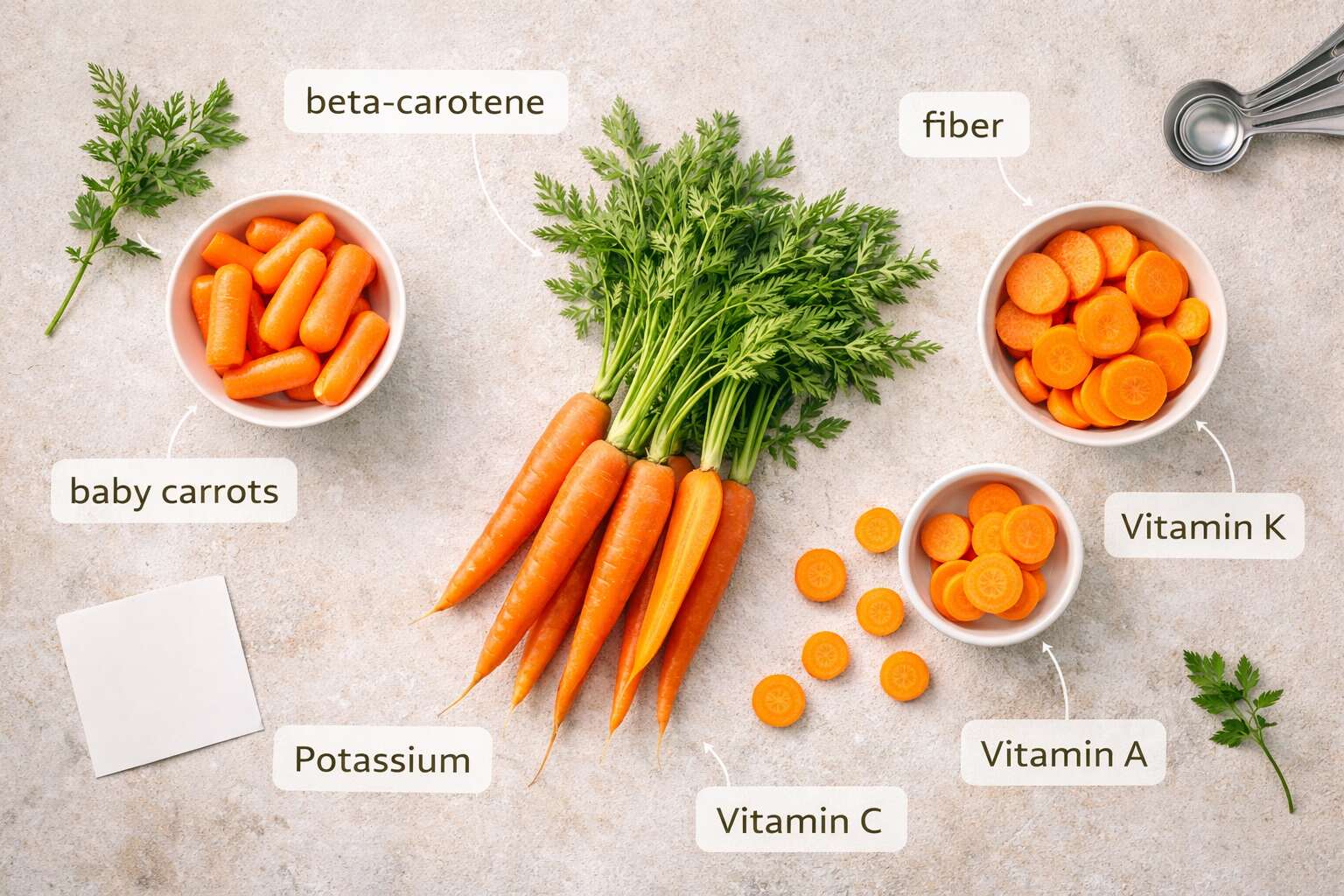
Carrots are rich in beta-carotene, a natural pigment your body converts into Vitamin A. According to the USDA FoodData Central database, a single medium raw carrot (61g) provides approximately 509 mcg RAE of Vitamin A — over 56% of the recommended daily intake — along with meaningful amounts of fiber, potassium, and Vitamin K.
They also contain lutein, lycopene, polyacetylenes, and bioactive antioxidants that contribute to both disease prevention and physical performance.
Key Health Benefits for Fitness Enthusiasts
1. Supports Eye Health and Visual Acuity
Lutein and zeaxanthin — both found in carrots — are carotenoids clinically associated with reduced risk of age-related macular degeneration, according to research published in the Archives of Ophthalmology (2001). For athletes, maintaining sharp visual acuity directly impacts reaction time, depth perception, and spatial awareness during training and competition.
2. Aids Weight Management and Satiety
Carrots contain both soluble and insoluble dietary fiber. A 2019 review in Nutrients confirmed that higher dietary fiber intake increases satiety hormones and reduces overall caloric intake — making fiber-dense foods like carrots effective tools for body composition management. One cup of raw carrots delivers approximately 3.6g of fiber at just 52 calories.
3. Supports Digestive Health and Gut Regularity
The insoluble fiber in carrots adds bulk to stool and accelerates intestinal transit, reducing constipation risk. A healthy gut microbiome — supported in part by fermentable fibers — is increasingly linked to immune function and systemic inflammation markers that affect athletic recovery.
4. Promotes Heart Health by Reducing LDL Cholesterol
Soluble fiber binds to bile acids in the digestive tract, prompting the liver to draw LDL cholesterol from the bloodstream. A meta-analysis in the American Journal of Clinical Nutrition (2009) found that increased soluble fiber intake was associated with significant reductions in LDL cholesterol — a direct cardiovascular benefit for endurance athletes and fitness-focused individuals alike.
5. Helps Lower Blood Pressure
Carrots are a meaningful source of potassium — roughly 320mg per medium carrot. Potassium counteracts the vasoconstrictive effects of sodium, promoting arterial relaxation and improved circulation. The Journal of Hypertension has consistently identified potassium intake as a modifiable dietary factor in managing blood pressure, which supports cardiovascular efficiency during cardio training.

6. Boosts Skin Health and Recovery
Beta-carotene acts as an internal photoprotective agent. Research in the British Journal of Nutrition (2006) showed that beta-carotene supplementation helped protect skin from oxidative UV damage. The silicon content in carrots also supports collagen integrity and nail strength — relevant for athletes exposed to high levels of environmental and physical stress.
7. Strengthens Immune Function
Vitamin A, derived from beta-carotene, plays a critical role in maintaining mucosal barriers — the body’s first line of defense against pathogens. Additionally, carrots contain Vitamins B6 and K, phosphorus, and polyphenolic antioxidants that modulate inflammatory pathways, supporting immune resilience during periods of intense training when immunity can be temporarily suppressed.
8. Provides Sustained Energy Without Blood Sugar Spikes
With a glycemic index of approximately 35–39 (raw), carrots are a low-GI food. Their natural sugars are released gradually, providing a steady energy source without the crash associated with refined carbohydrates — ideal as a pre-workout snack or between-meal fuel.
How to Use Carrots for Fitness Performance

- Pre-workout snack: Pair 1 cup of raw carrot sticks with 2 tbsp hummus for a low-GI carbohydrate and protein combination approximately 60–90 minutes before training.
- Post-workout recovery: Blend into a smoothie with ginger, turmeric, and a banana to combine anti-inflammatory compounds with fast-absorbing carbohydrates for glycogen replenishment.
- Daily target: Aim for 1–2 medium carrots daily (approximately 120–200g) to meet a substantial portion of your Vitamin A and fiber needs.
- Cooking note: Light steaming slightly increases beta-carotene bioavailability; consuming with a source of healthy fat (e.g., olive oil) significantly enhances carotenoid absorption.
Considerations
Individuals taking blood thinners (Warfarin) should note that carrots are a source of Vitamin K, which can affect anticoagulation. Excessive consumption of beta-carotene from whole foods is generally safe and non-toxic (unlike preformed Vitamin A), though very high intakes may cause temporary carotenodermia — a harmless yellowing of the skin.
Bottom Line
Carrots are a low-cost, nutrient-dense food that supports eye health, cardiovascular function, immune resilience, and body composition — all key pillars of long-term fitness. Adding them consistently to your nutrition plan is one of the simplest, most evidence-supported dietary upgrades you can make.
Disclaimer: This article is for informational purposes only and does not constitute medical or nutritional advice. Consult a registered dietitian or healthcare provider before making significant changes to your diet, especially if you have an existing medical condition.
Sources:
- USDA FoodData Central. Carrots, raw. fdc.nal.usda.gov
- Seddon JM et al. (2001). Archives of Ophthalmology. Dietary carotenoids and risk of macular degeneration.
- Slavin J. (2013). Nutrients. Fiber and prebiotics: mechanisms and health benefits.
- Brown L et al. (1999). American Journal of Clinical Nutrition. Cholesterol-lowering effects of dietary fiber.
- Whelton SP et al. (2011). Journal of Hypertension. Effect of dietary fiber on blood pressure.
- Stahl W & Sies H. (2012). British Journal of Nutrition. Beta-carotene and other carotenoids as antioxidants.