

Achieving a lean, muscular physique is a common fitness goal, but losing fat while preserving hard-earned muscle mass requires a strategic approach. The challenge lies in creating the right conditions for fat loss without triggering muscle breakdown—a delicate balance that science can help us understand and achieve.
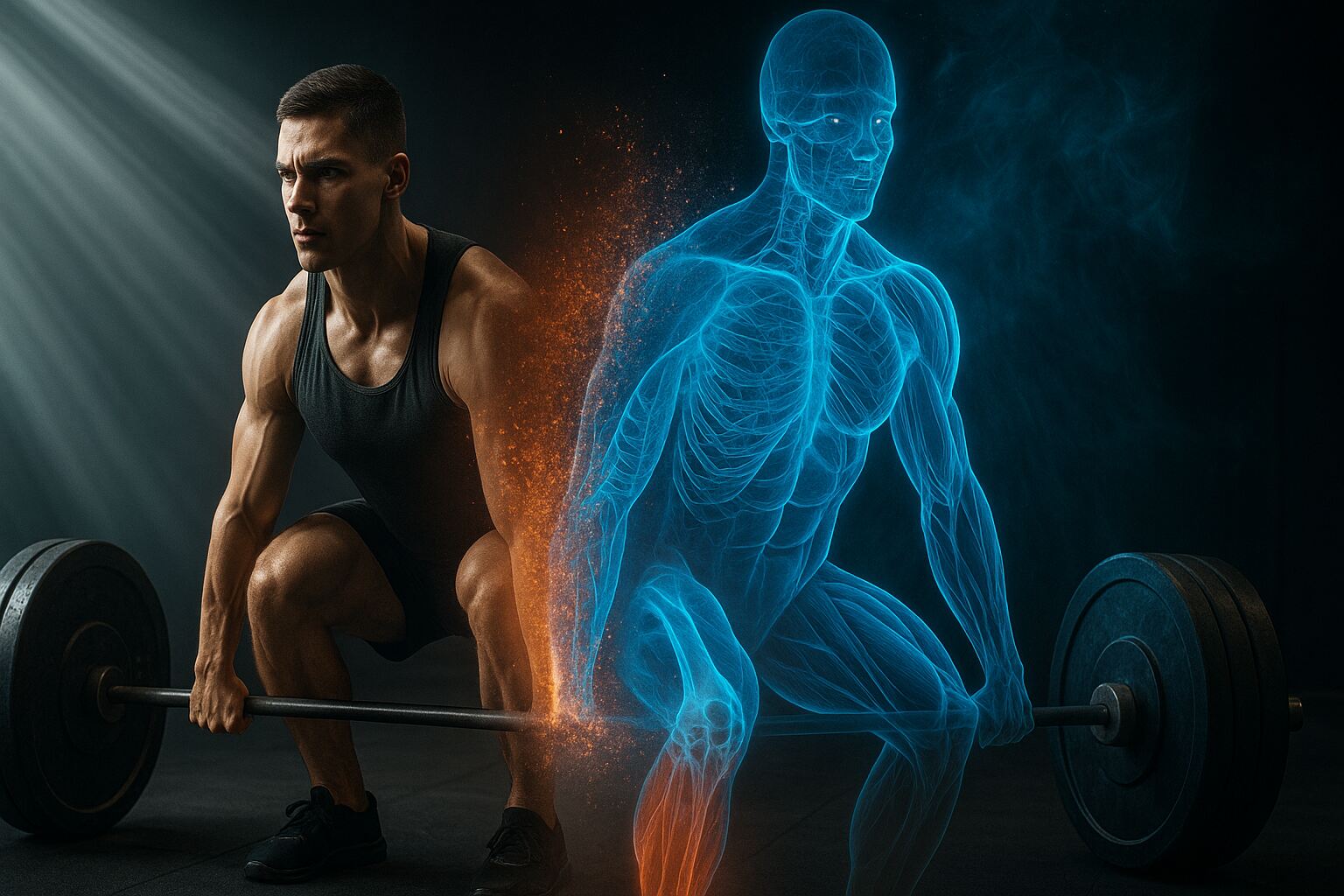
This comprehensive guide will walk you through evidence-based strategies to shed body fat while maintaining your strength and muscle mass. Whether you’re preparing for a fitness competition or simply want to look and feel your best, understanding these principles will help you achieve sustainable results.
Understanding Body Recomposition
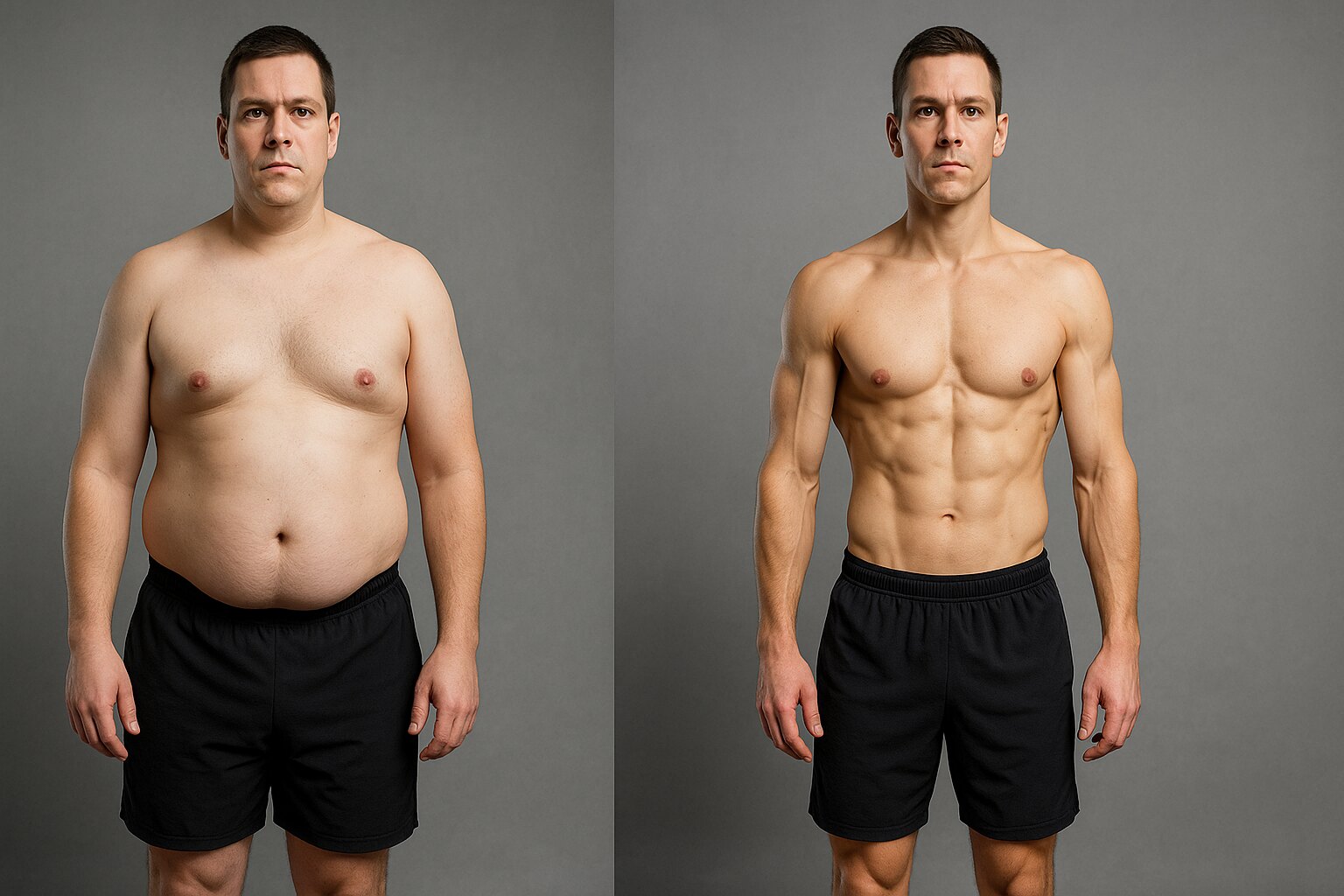
Body recomposition—simultaneously losing fat while preserving or even building muscle—is possible with the right approach. Research shows that the key lies in three fundamental principles: maintaining adequate protein intake, following a moderate caloric deficit, and engaging in regular resistance training.
The process isn’t just about aesthetics. When you lose weight, over 25% of total weight lost typically comes from fat-free mass, including skeletal muscle mass. This muscle loss can impair metabolic health, reduce physical function, and even increase the risk of future weight regain.
Why Muscle Preservation Matters
Muscle tissue plays crucial roles beyond appearance:
Metabolic Function: Muscle is metabolically active tissue that burns calories even at rest. Your resting energy expenditure—the calories your body burns while doing nothing—accounts for about two-thirds of your total daily energy expenditure. When you lose muscle, your metabolic rate drops, making it harder to maintain weight loss over time.
Insulin Sensitivity: Muscle handles over 75% of insulin-mediated glucose disposal, so losing muscle mass can increase insulin resistance, a risk factor for diabetes.
Physical Function: Maintaining muscle mass supports mobility, strength, and independence, particularly as we age. Loss of muscle can decrease strength and increase the risk of falls by around 20% for every 15% reduction in lower-leg strength.
The Right Caloric Deficit
Creating a caloric deficit is necessary for fat loss—you must burn more calories than you consume. However, the size of that deficit matters significantly.
Finding Your Sweet Spot
A moderate caloric deficit of 300-500 calories below maintenance is recommended. This allows for steady fat loss while providing enough energy to support muscle maintenance and recovery.
Deficit Guidelines by Goal:
- Standard approach: 500 calories per day (approximately 1 pound per week of fat loss)
- Conservative approach: 250-300 calories per day (better for leaner individuals)
- Aggressive approach: 750 calories per day (only for those with higher body fat percentages)
Losing more than 1 kilogram (2.2 pounds) per week often leads to significant muscle mass loss, with studies indicating that around 20% of weight lost can involve muscle during extreme dieting.
The key is patience. Rapid weight loss may seem appealing, but it often results in losing both fat and muscle. A slower, more controlled approach ensures that the weight you’re losing comes primarily from fat stores.
Protein: Your Muscle’s Best Friend
Protein intake becomes even more critical during a fat loss phase. When you’re in a caloric deficit, your body needs sufficient protein to prevent muscle breakdown.

How Much Protein Do You Need?
Research supports protein intake of 1.6-2.2 grams per kilogram of body weight for optimal muscle preservation during fat loss. For those using pounds, this translates to approximately 0.7-1.0 grams per pound of body weight.
Why higher protein during a cut?
Protein serves multiple purposes during fat loss:
- Preserves muscle tissue when calories are restricted
- Has a high thermic effect (your body burns calories digesting it)
- Increases satiety, helping you feel fuller longer
- Supports recovery from training
A landmark study found that during a marked energy deficit, consumption of a diet containing 2.4 grams of protein per kilogram per day was more effective than 1.2 grams per kilogram per day in promoting increases in lean mass and losses of fat mass when combined with exercise.
Protein Distribution Matters
Don’t just focus on total daily protein—how you distribute it throughout the day also matters. Consuming between 25 to 40 grams of protein at each meal is recommended to maximize recovery and muscle protein synthesis.
Best protein sources:
- Lean meats (chicken, turkey, lean beef)
- Fish and seafood
- Eggs and egg whites
- Greek yogurt and cottage cheese
- Legumes and beans
- Protein supplements (whey, casein, plant-based)
Resistance Training: The Non-Negotiable
If there’s one factor that determines whether you lose fat or muscle during a caloric deficit, it’s resistance training. Strength training sends a powerful signal to your body that muscle is needed and should be preserved.
The Science of Training During Fat Loss
A comprehensive 2024 review emphasizes that resistance training prevents muscle loss induced by energy restriction through several mechanisms. When you lift weights, you create micro-tears in muscle fibers that your body then repairs and strengthens—but only if you’re providing adequate stimulus and nutrition.
Optimal Training Parameters
Frequency: 3-4 resistance training sessions per week minimum
Volume: 10-20 sets per muscle group per week
Intensity: 65-80% of your 1-rep max (approximately 8-12 reps per set)
Rest: 2-3 minutes between compound movements, 1-2 minutes for isolation exercises
Training Adjustments for Fat Loss
When cutting, you’ll likely have less energy than during maintenance or bulking phases. Here’s how to adjust:
Maintain intensity, adjust volume if needed: Keep lifting heavy enough to challenge your muscles, but you might need to reduce total sets if recovery becomes an issue.
Prioritize compound movements: Exercises like squats, deadlifts, bench press, and rows work multiple muscle groups simultaneously, providing more stimulus with less total volume.
Full-body vs. split routines: Emerging 2024 research suggests a potential advantage for full-body routines in promoting fat loss, as participants performing full-body workouts experienced greater fat mass loss than those using traditional split routines.
Cardio: Supporting Fat Loss Without Overdoing It
Cardiovascular exercise can support fat loss by increasing your total daily energy expenditure. However, the type and amount of cardio matters.
High-Intensity Interval Training (HIIT)
HIIT relies more on stored fat for fuel rather than muscle breakdown, and the afterburn effect keeps your metabolism elevated for hours post-workout. Just 20-30 minutes of HIIT 2-3 times per week can be highly effective.
Steady-State Cardio
Moderate-intensity cardio (walking, jogging, cycling) can be added for additional calorie burn without significantly impacting recovery. Aim for 2-3 sessions per week of 30-45 minutes.
Important: Too much cardio, especially when combined with an aggressive caloric deficit, can lead to muscle loss. Find the minimum effective dose that supports your fat loss goals without compromising recovery.

Sleep and Recovery: The Hidden Factors
Quality sleep is perhaps the most undervalued component of successful body recomposition. During sleep, your body releases growth hormone and repairs muscle tissue. Chronic sleep deprivation can:
- Increase cortisol (a stress hormone that promotes muscle breakdown)
- Reduce testosterone and growth hormone
- Impair insulin sensitivity
- Increase hunger and cravings
Aim for 7-9 hours of quality sleep per night to optimize muscle preservation and fat loss.
Tracking Progress the Right Way
The scale doesn’t tell the whole story. When losing fat while preserving muscle, you need to track multiple metrics:
Body composition measurements: Use methods like DEXA scans, bioelectrical impedance, or even simple progress photos and measurements
Performance in the gym: If you’re maintaining or increasing strength, you’re likely preserving muscle
Weekly weigh-ins: Track weight trends over time, but don’t obsess over daily fluctuations
Rate of loss: Aim for 0.5-1% of body weight per week for optimal fat loss with muscle preservation
Common Mistakes to Avoid
Cutting calories too aggressively: This triggers excessive muscle loss and metabolic adaptation
Neglecting protein intake: Without adequate protein, muscle breakdown is inevitable
Skipping resistance training: Cardio alone won’t preserve muscle during fat loss
Not adjusting as you progress: Your caloric needs decrease as you lose weight—reassess every 2-4 weeks
Rushing the process: Sustainable fat loss takes time; expecting rapid results leads to muscle loss
Sample Day: Putting It All Together
Here’s what an effective fat loss day might look like:
Morning:
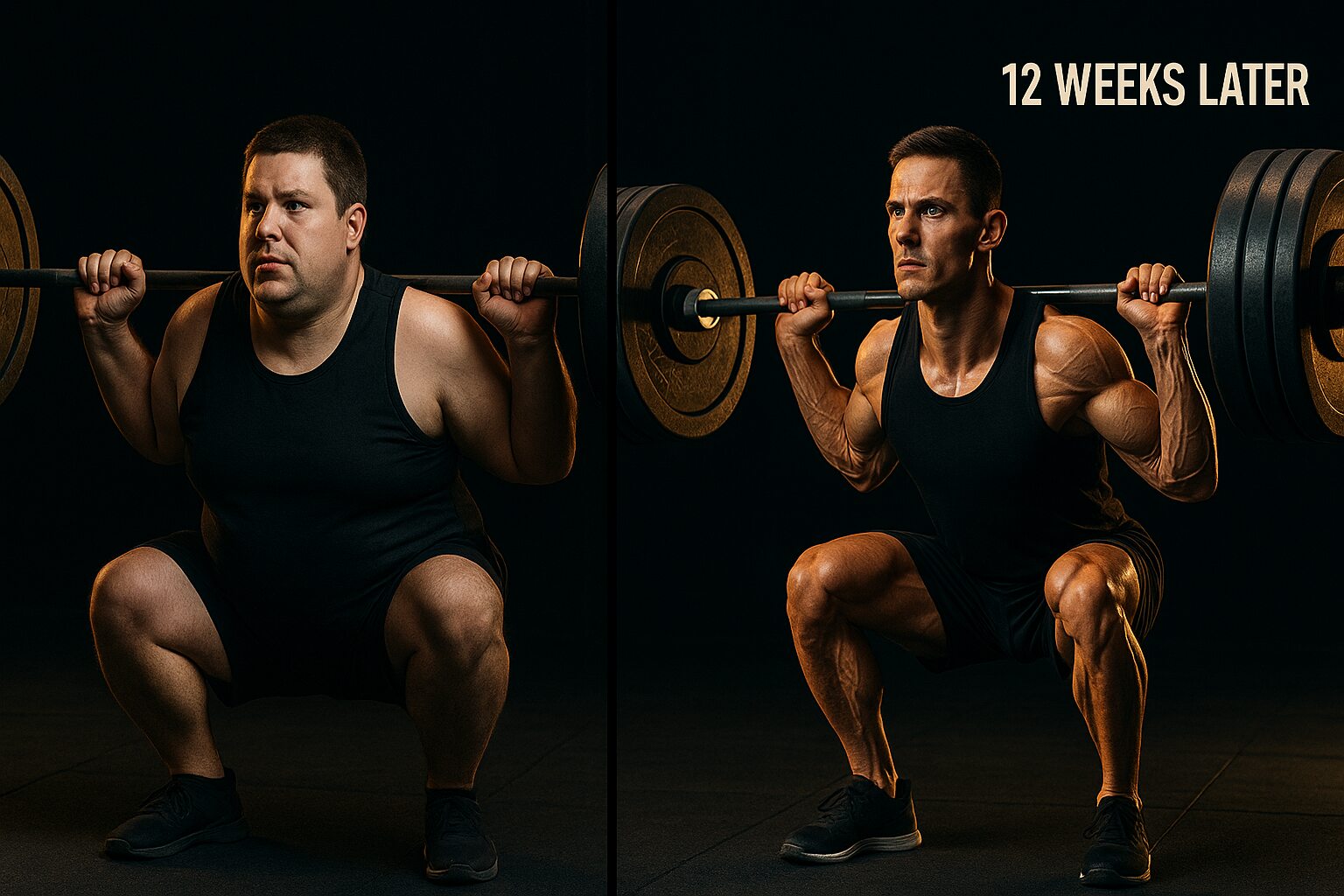
- Resistance training session (45-60 minutes)
- Post-workout meal with 30-40g protein
Midday:
- Protein-rich lunch with vegetables and moderate carbs
- Light activity (walking)
Afternoon:
- Protein snack if needed
Evening:
- Balanced dinner with lean protein, vegetables, and healthy fats
- Optional: Light cardio or rest day recovery
Before bed:
- Casein protein or Greek yogurt for overnight muscle protein synthesis
Special Considerations
For Beginners
If you’re new to training (less than 6 months of consistent lifting), you’re in an advantageous position. New weightlifters who train twice weekly and consume approximately 0.5 grams per pound per day can actually gain muscle even in a calorie deficit.
For Advanced Lifters
The more trained you are, the more critical it becomes to nail your nutrition and training. Advanced lifters need to be more conservative with their caloric deficits and may benefit from diet breaks to preserve metabolic rate.
For Older Adults
Research shows that combining resistance exercise with protein supplementation during moderate caloric restriction has demonstrated efficacy in preserving lean mass during weight loss in older adults with obesity. Older individuals may need slightly higher protein intakes due to decreased sensitivity to amino acids.
Supplementation Support
While supplements aren’t required, some can support your goals:
Protein powder: Convenient way to hit protein targets Creatine monohydrate: Supports strength and muscle retention Caffeine: Can enhance training performance and fat oxidation Multivitamin: Helps fill nutritional gaps during caloric restriction
The Bottom Line
Losing fat without losing muscle is entirely achievable with the right approach. The formula is straightforward but requires consistency:
- Create a moderate caloric deficit (300-500 calories)
- Eat adequate protein (1.6-2.2g per kg body weight)
- Maintain resistance training (3-4x per week)
- Add strategic cardio (2-3x per week)
- Prioritize sleep and recovery
- Track progress beyond just the scale
- Be patient—sustainable results take time
Remember that muscle preservation during fat loss isn’t about perfection—it’s about consistently applying evidence-based principles over time. By focusing on these critical countermeasures, you can achieve effective weight loss through reduction in fat tissue while preserving skeletal muscle mass, enhancing health outcomes and long-term functionality.
The journey to a lean, muscular physique requires dedication, but armed with this science-based approach, you’re equipped to achieve your goals while maintaining the muscle you’ve worked hard to build.
Sources:
- Journal of the Endocrine Society (2024)
- Metabolism: Clinical and Experimental (2024)
- The Lancet Diabetes & Endocrinology (2024)
- American Journal of Clinical Nutrition
- Nutrients Journal
- Pennington Biomedical Research Center
- Lifestyle Medicine (Wiley Online Library)
- Various peer-reviewed sports nutrition and exercise science journals