

If you train hard but the scale refuses to budge, you already know the frustration of being a “hardgainer.” Putting on quality muscle when your metabolism runs hot isn’t about willpower alone — it’s about structuring your calories, macronutrients, and meal timing so your body actually has the raw material to grow. Here’s how to build a bulking plan that works with your physiology instead of against it.
How Many Calories Do You Actually Need?
Most hardgainers underestimate just how much of a surplus they need to gain weight consistently. Rather than relying on one fixed multiplier, research on deliberate weight gain suggests starting with a surplus of roughly 300–500 calories above your maintenance level, then adjusting based on real-world results (Garthe et al., 2013, International Journal of Sport Nutrition and Exercise Metabolism).
Track your intake and bodyweight for two weeks. If you haven’t gained, add another 200–300 calories daily. This trial-and-adjust approach accounts for individual differences in metabolism far better than a one-size-fits-all formula.
Getting the Macronutrients Right
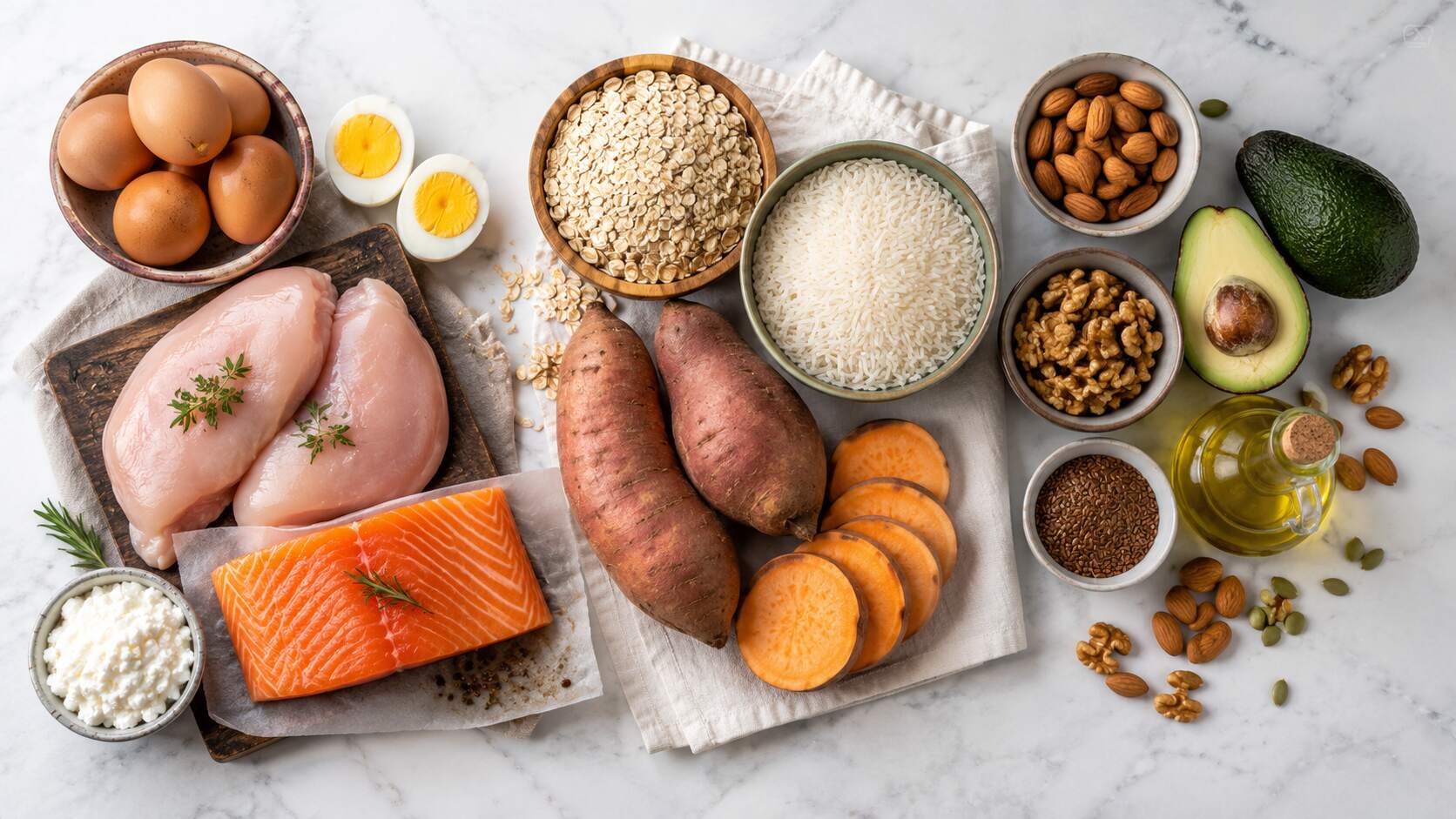
Protein is the non-negotiable piece. A meta-analysis in the British Journal of Sports Medicine found that muscle protein synthesis is maximized at approximately 1.6 g of protein per kilogram of bodyweight per day, spread across 3–4 meals (Morton et al., 2018). For a 150 lb (68 kg) lifter, that’s roughly 109 g of protein daily — more important than chasing an exact percentage.
For the remaining calories, a split favoring carbohydrates (around 45–50%) over fat (25–30%) generally supports training performance and glycogen replenishment better than a high-fat approach, since carbohydrates fuel the intense training that drives the muscle-building stimulus in the first place.
A Sample Day of Eating

Eating six smaller meals rather than three large ones can make hitting your calorie target easier if you struggle with appetite:
- Morning: Oats, whole eggs, and a scoop of whey protein
- Mid-morning: A protein shake with whole milk
- Lunch: Baked salmon, sweet potato, and leafy greens
- Afternoon: Greek yogurt, protein powder, banana, and almonds
- Dinner: Chicken breast, rice, beans, and vegetables
- Evening: Casein protein with peanut butter and milk or yogurt
Adjust portion sizes to match your individual calorie target rather than following these amounts exactly.
Foods Worth Prioritizing
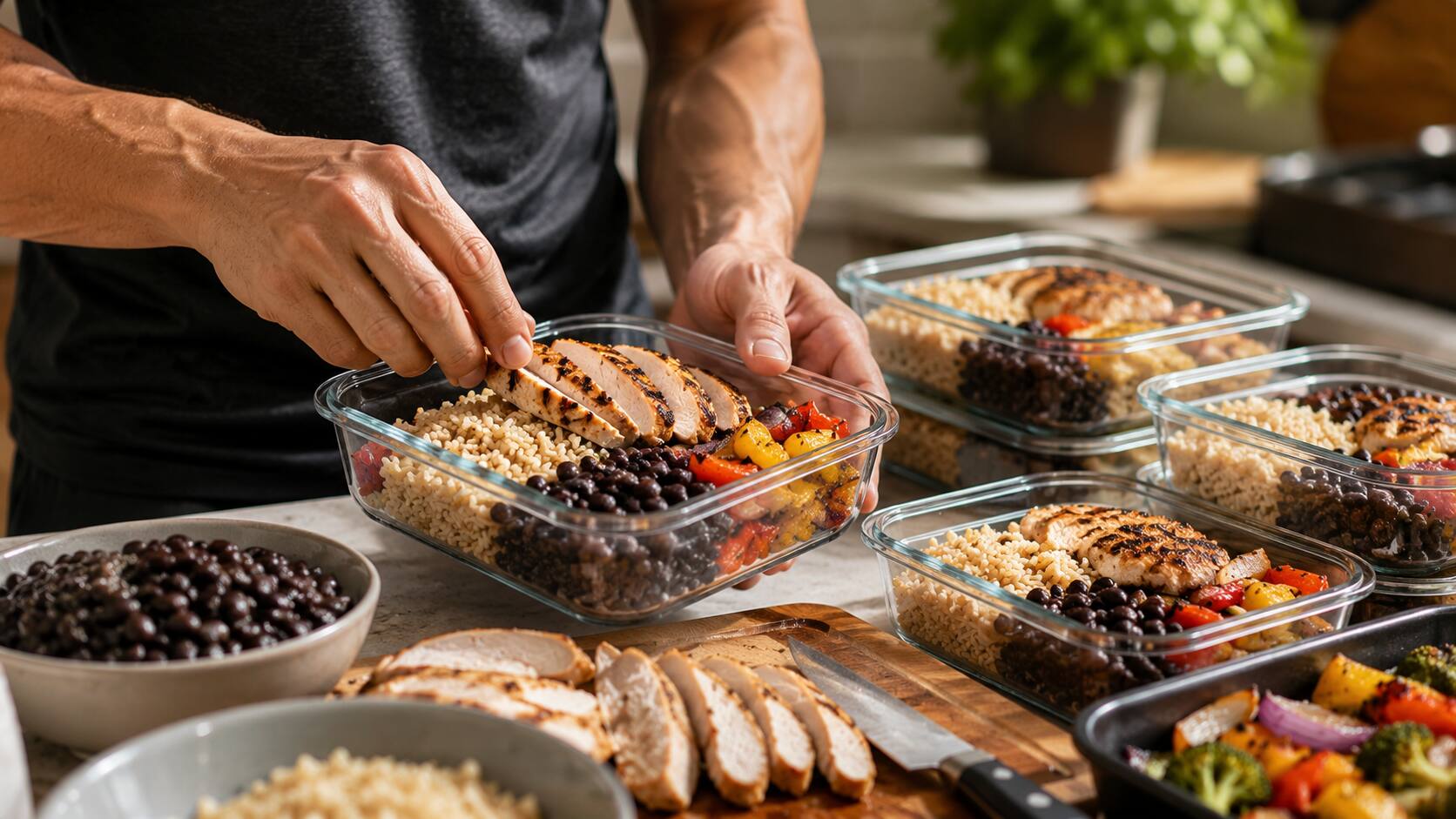
- Protein shakes — A convenient way to hit protein targets without relying solely on whole-food meals
- Lean meat, fish, and eggs — Complete protein sources with the full amino acid profile muscles need to repair and grow
- Nuts and nut butters — Calorie-dense, with healthy unsaturated fats
- Oats and sweet potatoes — Reliable carbohydrate sources to fuel training and restore glycogen
- Oily fish (salmon, sardines) — A source of omega-3 fatty acids, recommended a couple of times per week
- Dried fruit — Energy-dense and useful as a pre-workout snack, though best enjoyed alongside (not instead of) fresh produce
The Bottom Line
Gaining muscle as a hardgainer comes down to consistency: a modest, sustainable calorie surplus, adequate protein at every meal, and carbohydrates to support your training. Pushing calories too high too fast tends to add more fat than muscle, so patience and tracking matter more than speed.
This article is for informational and educational purposes only and is not intended as medical advice. Consult a healthcare professional or registered dietitian before making significant changes to your diet or starting a supplementation routine.