

For many women, menstruation brings cramps, fatigue, and a general desire to retreat with a heating pad. But for others, intimacy during their cycle is a perfectly normal part of their routine. Whether you’re curious or already comfortable with the idea, understanding the physiology, safety considerations, and real benefits can help you make an informed choice.
Is Sex During Menstruation Safe?
The short answer: yes — with the right precautions in place. Gynecologists and sexual health professionals broadly consider period sex safe for couples who are free of sexually transmitted infections (STIs) and who use appropriate protection consistently.
That said, there are specific physiological factors during menstruation that raise your risk profile slightly compared to other times of the month:
- Cervical dilation: During menstruation, the cervix opens to allow blood to pass. This makes the reproductive tract more accessible to pathogens, increasing vulnerability to STIs.
- pH shifts: Menstrual blood has a higher pH than normal vaginal secretions, which can disrupt the vaginal microbiome and promote yeast overgrowth. A 2017 study in Frontiers in Microbiology confirmed that menstrual blood temporarily elevates vaginal pH, creating conditions favorable to opportunistic infections.
- Blood-borne transmission: If either partner carries a blood-borne pathogen (such as HIV or Hepatitis B), menstrual blood increases transmission risk. Consistent condom use is essential.
Bottom line: The risks of period sex mirror those of unprotected sex at any other time — they are manageable with proper protection and good hygiene practices.
Potential Benefits Worth Knowing
Cramp and Pain Relief
Orgasm triggers the release of endorphins and oxytocin — neurochemicals that act as natural analgesics. Research published in Cephalalgia (2013) found that sexual activity provided partial or complete relief from menstrual headaches in a significant portion of participants. Uterine contractions during orgasm may also help expel blood more efficiently, potentially shortening the duration of heavier flow days.
Natural Lubrication
Menstrual blood provides additional lubrication, which some women find makes sex more comfortable than at other points in their cycle. This can reduce friction and increase sensation.
Mood Regulation
Hormonal fluctuations during menstruation — particularly drops in estrogen and progesterone — can contribute to irritability and low mood. The endorphin release from sexual activity may help counterbalance these effects, offering a temporary but meaningful mood lift.

Can You Get Pregnant During Your Period?
While the probability is low, pregnancy during menstruation is not impossible. Sperm can survive in the reproductive tract for up to five days. If ovulation occurs earlier than expected — which can happen with irregular cycles — fertilization remains a possibility.
Women with shorter cycles (24 days or fewer) are particularly at risk, as ovulation can occur within days of menstruation ending. A 2002 study in Human Reproduction found that ovulation timing varies considerably even in women with regular cycles, reinforcing the importance of not relying solely on cycle timing as contraception.
Practical Precautions
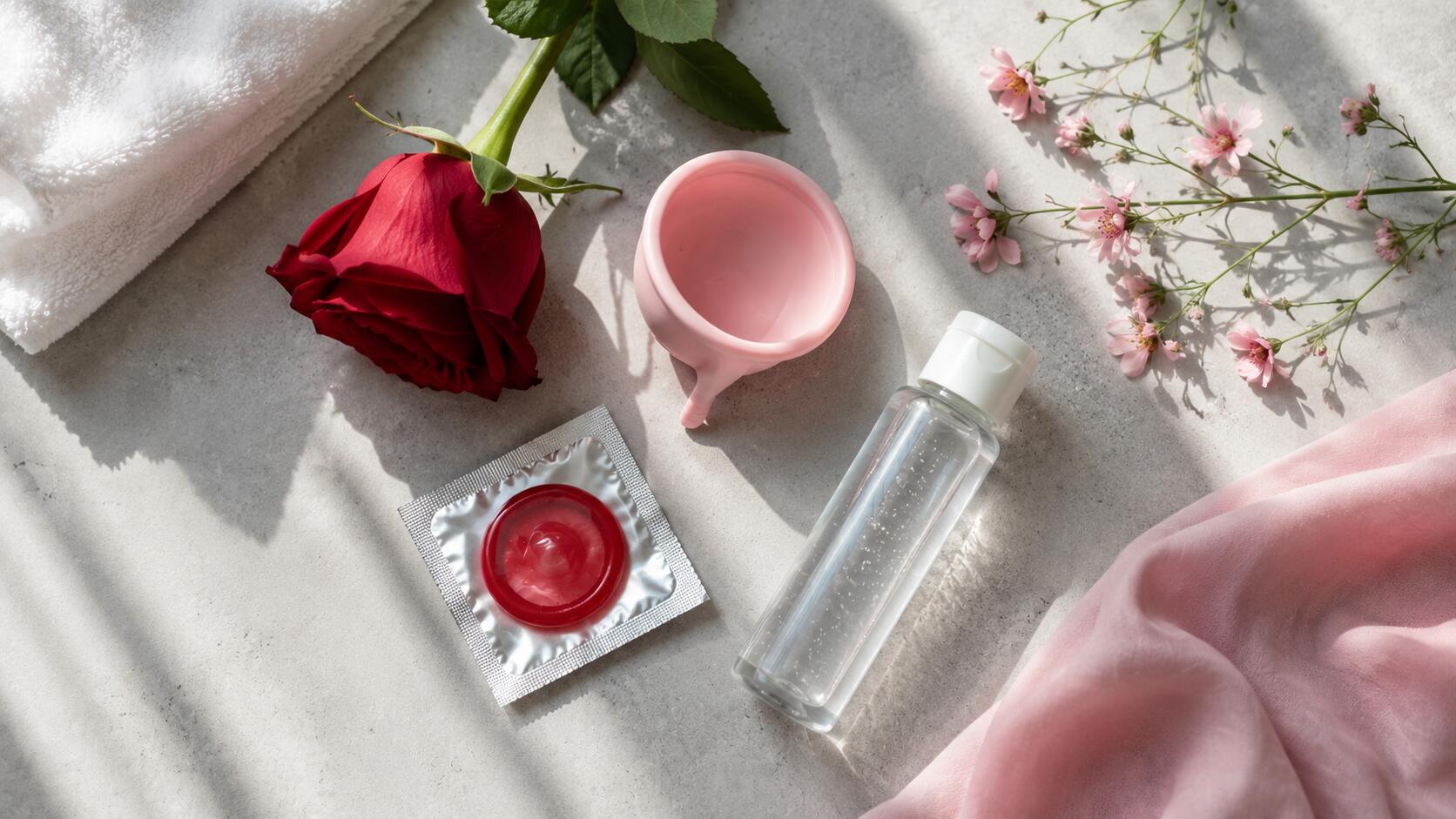
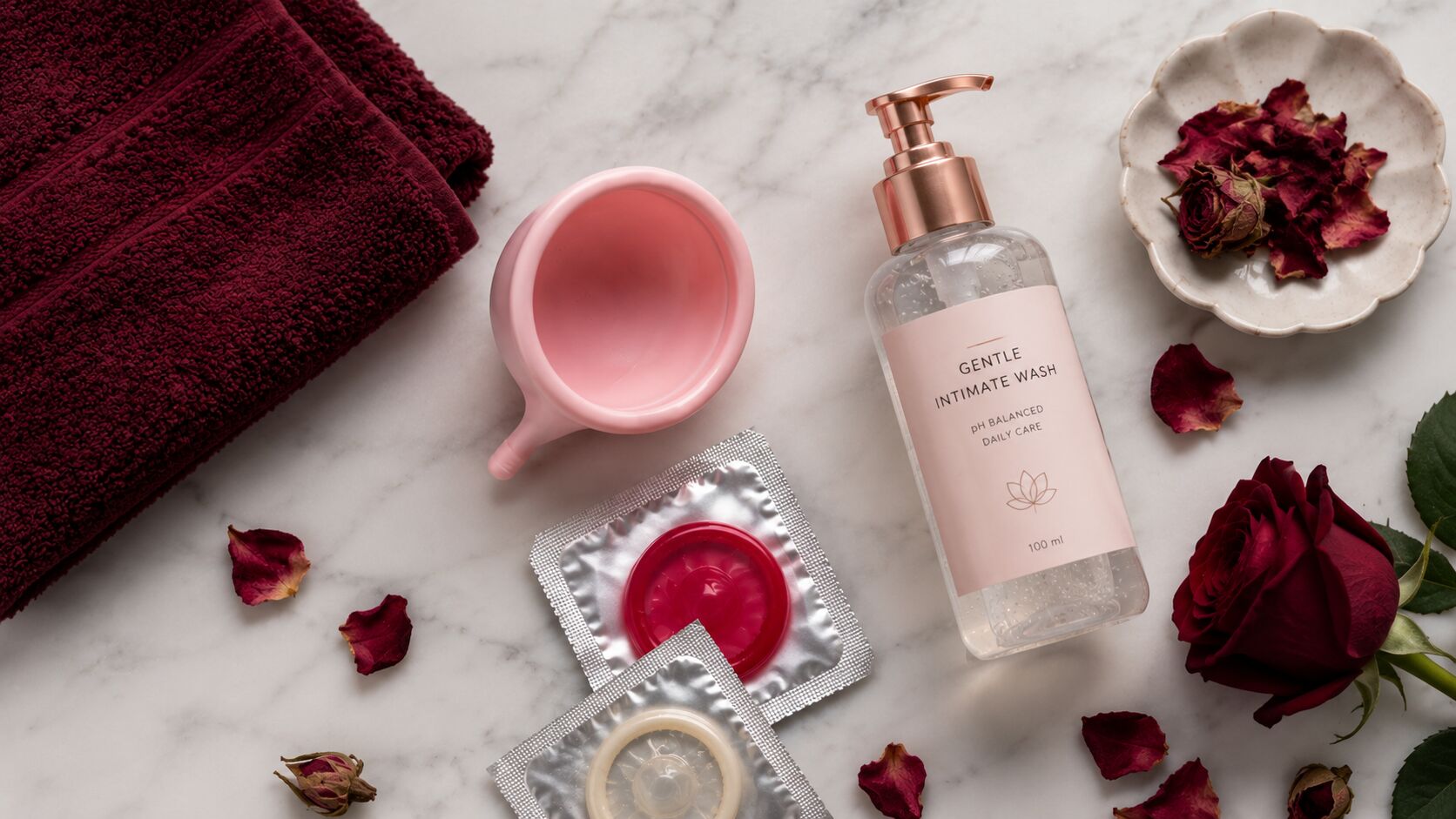
- Use condoms: Protection against STIs remains essential regardless of cycle phase.
- Maintain hygiene: Showering before and after, and using a towel or dark sheets, helps manage mess and reduces infection risk.
- Consider a menstrual disc: Products like menstrual discs (not cups) are designed to be worn during penetrative sex and can reduce mess significantly.
- Communicate with your partner: Comfort and consent from both sides matter as much as physical safety.
The Bottom Line
Period sex is a personal choice — and a medically acceptable one for most healthy women in mutually monogamous or STI-free relationships who use protection. The potential benefits, from pain relief to mood support, are real and backed by physiology. The risks are real too, but they are consistent with sexual activity at any other time and manageable with standard precautions.
Trust your body, prioritize hygiene, and communicate openly with your partner.
Sources:
- Levin, R.J., & Meston, C. (2006). Nipple/breast stimulation and sexual arousal in young men and women. Journal of Sexual Medicine.
- Hambach, A., et al. (2013). The impact of sexual activity on idiopathic headaches. Cephalalgia, 33(6), 384–389.
- Wilcox, A.J., et al. (2000). The timing of the “fertile window” in the menstrual cycle. BMJ.
- Muzny, C.A., et al. (2017). Vaginal microbiome changes across the menstrual cycle in women. Frontiers in Microbiology.
Disclaimer: This article is intended for informational purposes only and does not constitute medical advice. Consult a licensed gynecologist or healthcare provider for guidance specific to your health history and circumstances.