
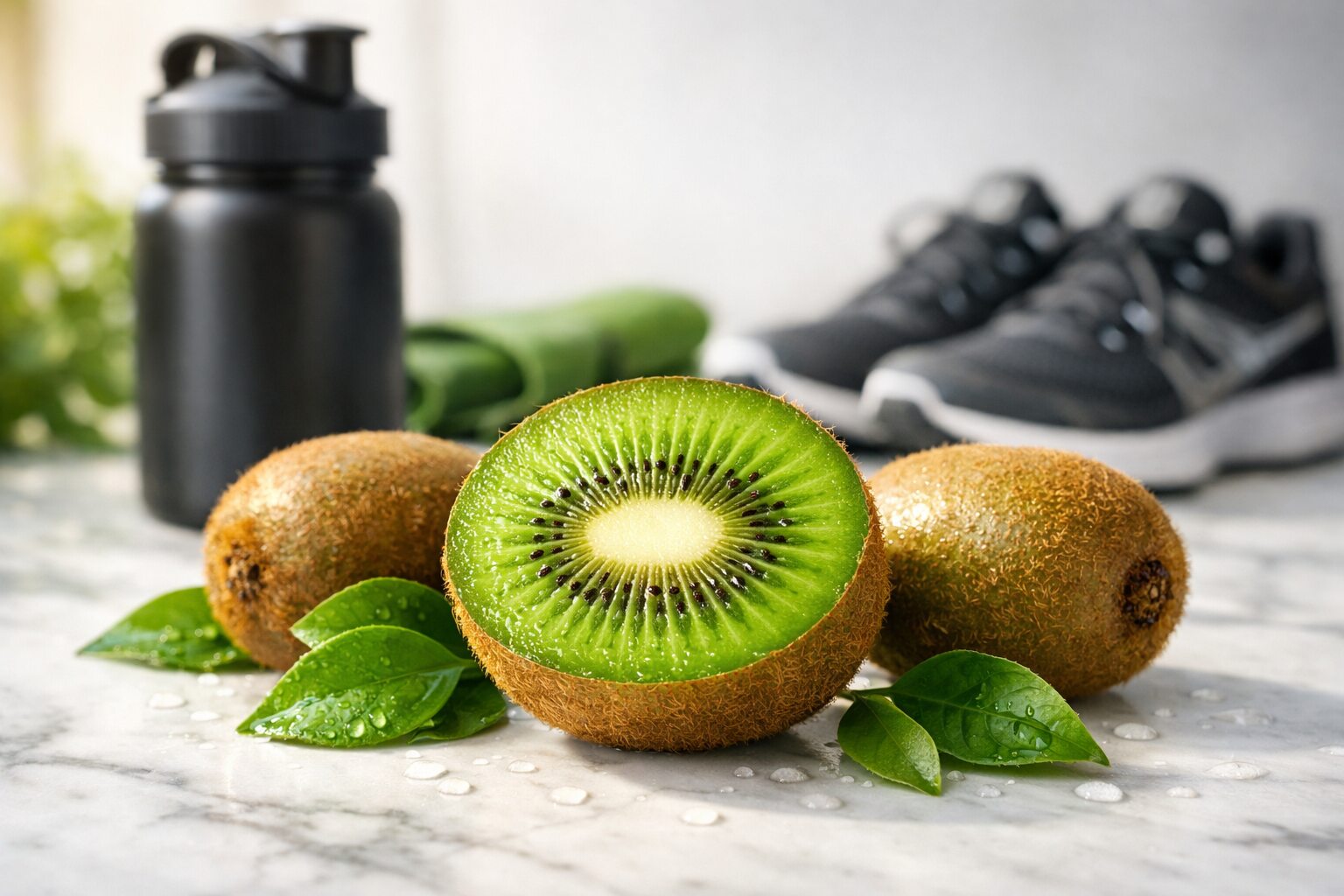
When it comes to fueling performance and supporting recovery, most athletes default to bananas, berries, and protein shakes. But kiwi fruit deserves a permanent spot in your nutrition arsenal. Gram for gram, this compact superfood delivers more vitamin C than an orange, a robust fiber profile, and a suite of micronutrients that support everything from cardiovascular health to post-workout immune defense.
Nutritional Profile: What’s Inside a Kiwi?
According to the USDA FoodData Central database, a 100g serving of raw kiwi provides:
| Nutrient | Amount |
|---|---|
| Calories | 61 kcal |
| Carbohydrates | 14.7g |
| Dietary Fiber | 3g |
| Protein | 1.1g |
| Fat | 0.5g |
| Vitamin C | 92.7mg (103% DV) |
| Vitamin K | 40.3% DV |
| Vitamin E | 1.5mg |
| Potassium | 312mg |
| Magnesium | 17mg |
| Calcium | 34mg |
That’s an exceptional nutrient density at just 61 calories — making kiwi one of the most efficient whole foods for active individuals tracking their intake.
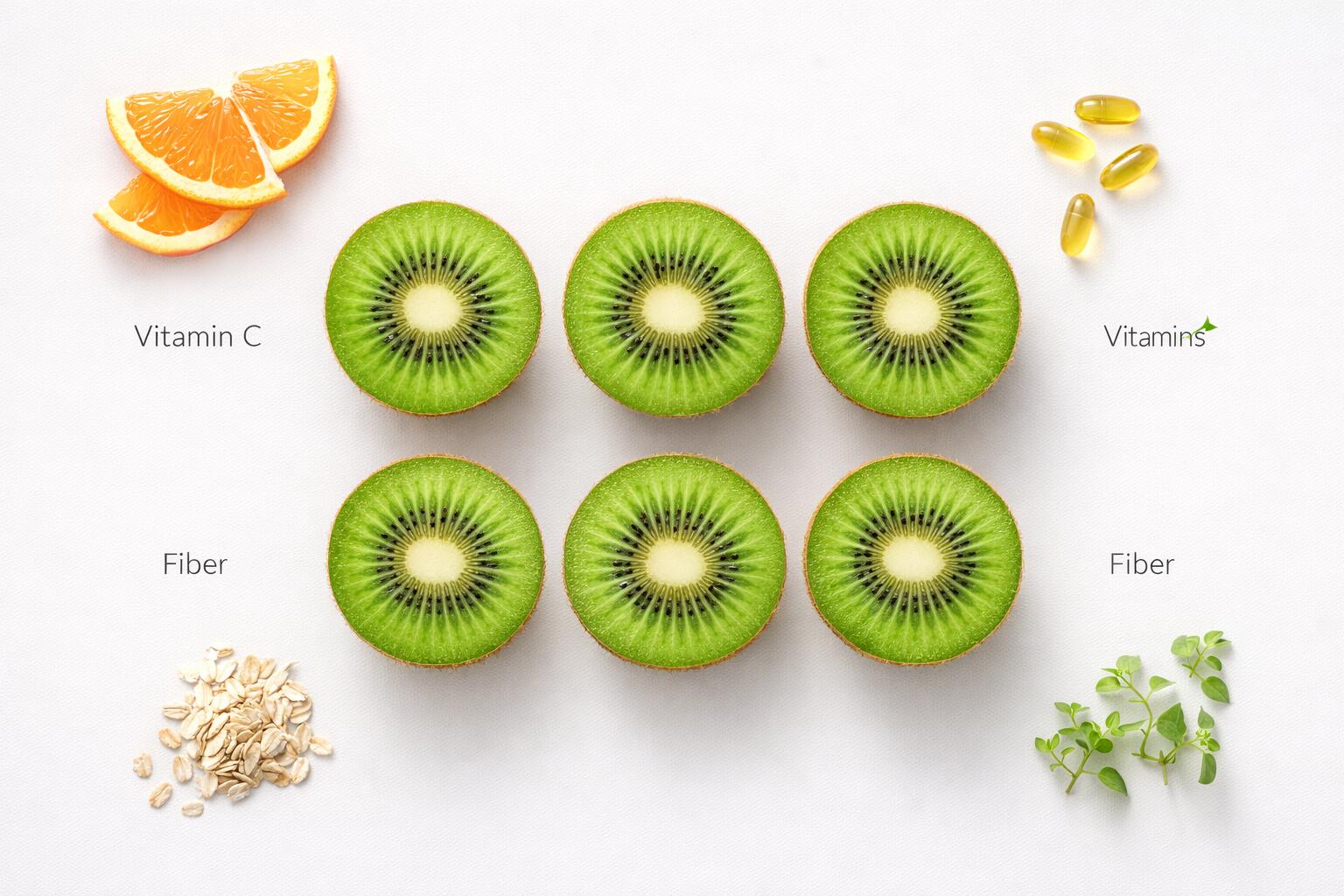
6 Evidence-Based Benefits for Active Individuals
1. Supports Respiratory Health and Endurance
For athletes, lung efficiency directly impacts VO₂ max and aerobic capacity. Kiwi’s high vitamin C content plays a measurable role here. A study published in Thorax (Forastiere et al., 2000) found that regular consumption of kiwi and citrus fruit — 5 to 7 servings per week — significantly reduced wheezing and respiratory symptoms. Maintaining optimal lung function means more oxygen delivered to working muscles, and better endurance output.
Pro Tip: Add 1–2 kiwis to your pre-workout smoothie to support respiratory readiness before high-intensity sessions.
2. Reduces Blood Clotting Risk Without Side Effects
Intense training elevates cardiovascular stress and platelet aggregation. Research from the University of Oslo (Platelets, Duttaroy & Jørgensen, 2004) demonstrated that consuming 2–3 kiwi fruits daily significantly reduced platelet aggregation and blood triglyceride levels — producing effects comparable to a low-dose daily aspirin, but without gastrointestinal side effects. For athletes monitoring heart health, this is a meaningful dietary advantage.
Recommended Dose: 2–3 kiwis per day for cardiovascular support.
3. Strengthens Immune Defense After Training

Hard training temporarily suppresses immune function — a window where illness risk spikes. One cup of kiwi provides over 103% of the daily recommended value of vitamin C, which is central to immune cell function and reducing exercise-induced oxidative stress. A comprehensive review in Nutrients (Carr & Maggini, 2017) confirmed that adequate vitamin C intake supports immune defense specifically under high physical workload conditions.
Best Timing: Consume 1–2 kiwis within 30–60 minutes post-workout to support immune recovery.
4. Enhances Protein Digestion and Gut Health
Kiwi contains actinidin, a proteolytic enzyme unique to the fruit that accelerates breakdown of dietary proteins from meat, dairy, and legumes. Research in the Journal of Agricultural and Food Chemistry (Kaur et al., 2010) confirmed that actinidin significantly improved gastric protein digestion across multiple protein sources. For athletes on high-protein diets, this means more efficient absorption of the amino acids your muscles actually need — and less post-meal digestive discomfort.
Pro Tip: Eat one kiwi after a protein-heavy meal to support digestion and reduce bloating.
5. Protects Long-Term Eye Health
Macular degeneration is a leading cause of vision loss, and the lutein and zeaxanthin in kiwi are your first line of dietary defense. Research published in the Archives of Ophthalmology (Seddon et al., 1994) found that higher intake of these carotenoids was associated with a reduction in advanced macular degeneration risk by up to 43%. These compounds also support the natural synthesis of vitamin A — essential for visual acuity and reaction time in sports.
6. Supports Collagen Synthesis and Skin Integrity
Vitamin C is a required co-factor for collagen biosynthesis — the structural protein that keeps tendons, ligaments, skin, and connective tissue strong. A study in Nutrients (Pullar et al., 2017) confirmed that vitamin C is essential for collagen production and skin repair. For athletes, this translates to more resilient joints, faster recovery from micro-abrasions, and maintained connective tissue health under repetitive stress.
How to Add Kiwi to Your Fitness Routine

- Pre-Workout Smoothie: Blend 2 kiwis with spinach, banana, and water for a vitamin C-rich energy boost
- Post-Workout Recovery: Pair 1–2 kiwis with Greek yogurt for immune support and enhanced protein digestion
- Daily Snack: Halve a kiwi and scoop with a spoon — a 61-calorie, nutrient-dense option between meals
- Optimal Daily Intake: 2–3 kiwis (approximately 150–200g) to reach evidence-based cardiovascular and immune benefits
Who Should Use Caution
Kiwi contains actinidin, which can trigger allergic reactions in individuals sensitive to latex, bananas, or papaya. Symptoms may include oral tingling, swelling, or digestive discomfort. If you experience any reaction, discontinue use and consult a healthcare provider before reintroducing the fruit.
The Bottom Line
Kiwi is a scientifically validated nutritional tool — not just a tasty snack. From bolstering immune resilience and accelerating protein digestion to protecting cardiovascular health and supporting collagen production, adding 2–3 kiwis to your daily routine can produce measurable gains in how you perform, recover, and sustain your training long-term. It’s one of the most cost-effective upgrades you can make to your nutrition plan.
Disclaimer: This article is intended for general informational purposes only and does not constitute medical or nutritional advice. Consult a qualified healthcare professional or registered dietitian before making significant dietary changes, particularly if you have existing health conditions or known food allergies.
References
- USDA FoodData Central. Kiwifruit, green, raw. https://fdc.nal.usda.gov
- Forastiere, F. et al. (2000). Consumption of fresh fruit rich in vitamin C and wheezing symptoms in children. Thorax, 55(4), 283–288.
- Duttaroy, A.K. & Jørgensen, A. (2004). Effects of kiwi fruit consumption on platelet aggregation and plasma lipids in healthy volunteers. Platelets, 15(5), 287–292.
- Carr, A.C. & Maggini, S. (2017). Vitamin C and Immune Function. Nutrients, 9(11), 1211.
- Kaur, L. et al. (2010). Actinidin from kiwifruit (Actinidia deliciosa) and protein digestion. Journal of Agricultural and Food Chemistry, 58(9), 5260–5266.
- Seddon, J.M. et al. (1994). Dietary carotenoids and risk of advanced age-related macular degeneration. Archives of Ophthalmology, 112(12), 1492–1500.
- Pullar, J.M. et al. (2017). The roles of vitamin C in skin health. Nutrients, 9(8), 866.