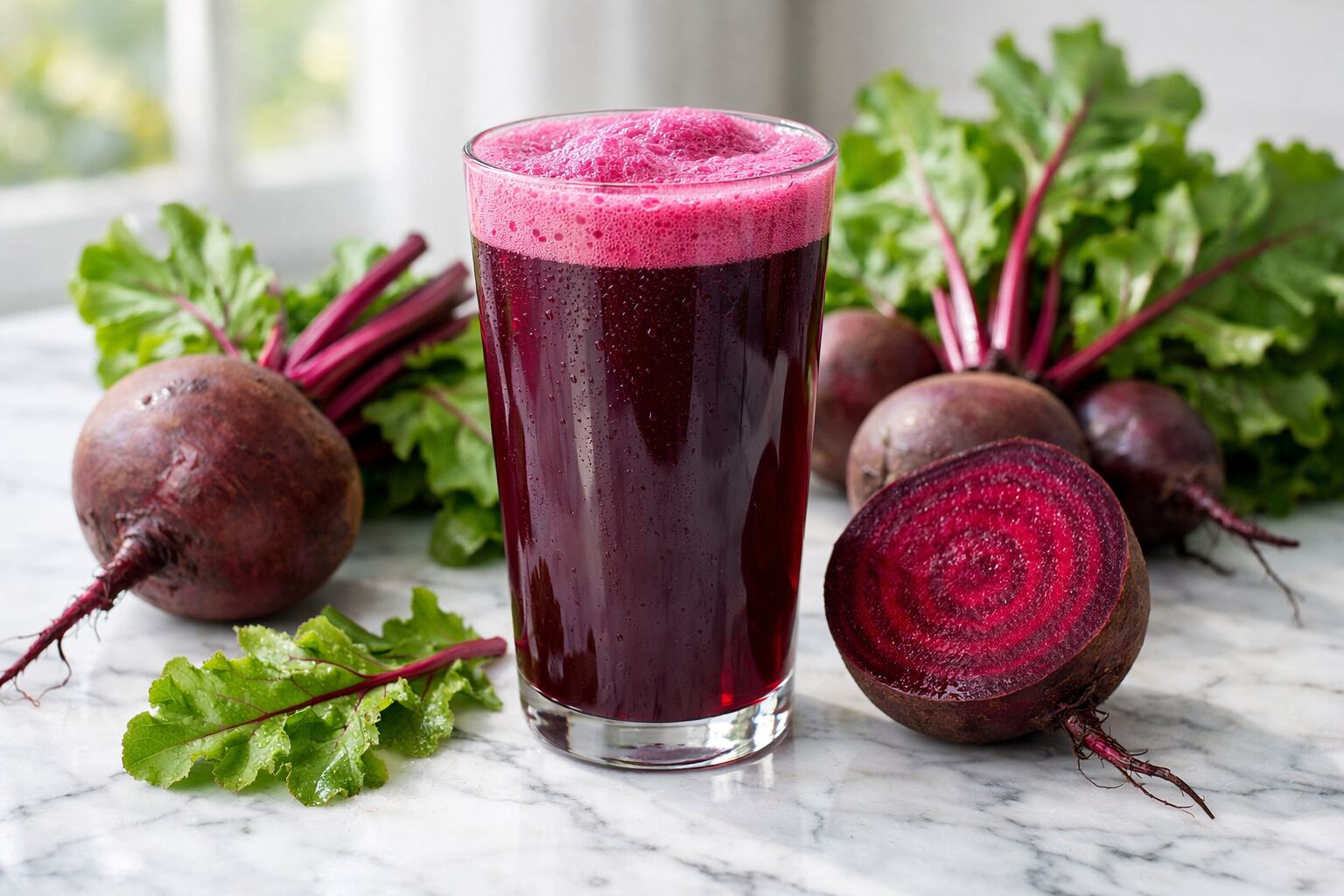
Beetroot has emerged as one of nature’s most powerful superfoods, packed with nutrients that can transform your health and fitness journey. Despite its distinctive earthy flavor, this vibrant root vegetable offers remarkable benefits that make it worth incorporating into your daily routine.
Why Beetroot Deserves Your Attention
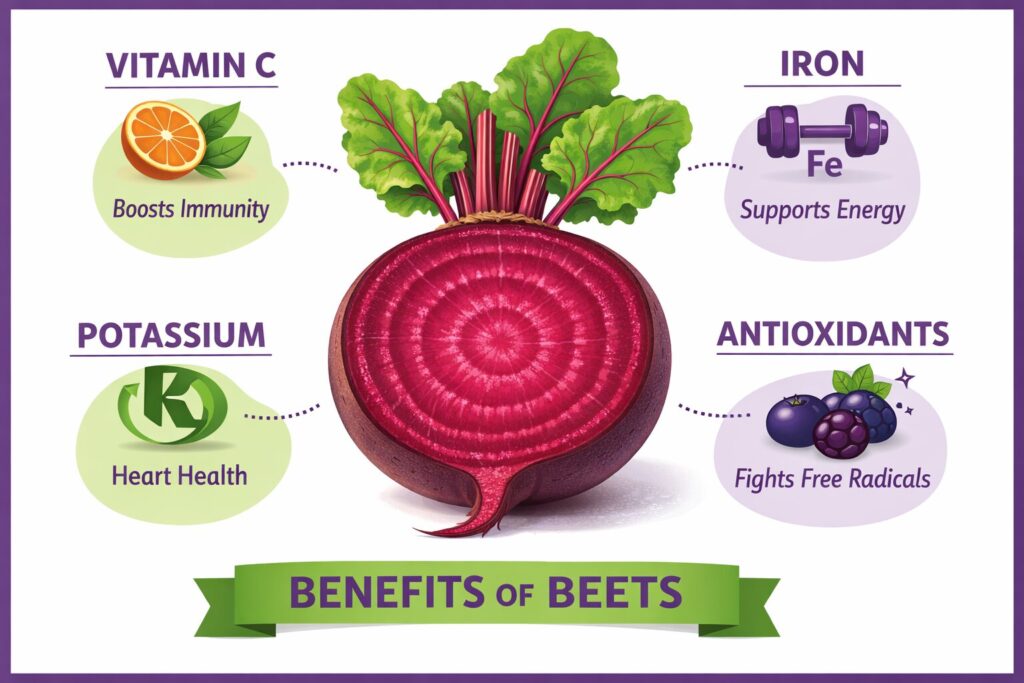
Rich in essential nutrients while being naturally low in fat, beetroot contains powerful antioxidants, abundant Vitamin C, and compounds that enhance iron absorption. According to USDA nutritional data, 100 grams of beetroot contains approximately 43 calories, 325mg of potassium, minimal fat (0.2g), and 1.6g of protein.
Both the deep pink root and dark green leaves are edible and nutritious. The sweet root pairs beautifully with the calcium and iron-rich leaves, creating a complete nutritional package. For maximum benefit, consume beetroot raw or juiced, as cooking can diminish its nutrient content.
The Science-Backed Benefits
1. Blood Pressure Management
Research published in the journal Hypertension demonstrates that beetroot juice can temporarily lower blood pressure due to its high nitrate content. These naturally occurring nitrates convert to nitric oxide in the body, dilating blood vessels and improving oxygen flow to the brain, heart, and muscles.
2. Enhanced Athletic Performance
A study in the Journal of Applied Physiology found that beetroot juice consumption improved exercise endurance by up to 16%. The nitrates enhance oxygen delivery to muscles, reducing fatigue during workouts. Athletes commonly consume beetroot juice 2-3 hours before training for optimal performance benefits.

3. Natural Detoxification Support
Beetroot contains betalains, unique phytonutrients with antioxidant and anti-inflammatory properties. Research in Nutrients journal highlights beetroot’s role in supporting liver function through compounds like methionine and glycine, which aid in processing toxins and preventing fatty acid accumulation.
4. Digestive Health
The fiber content in beetroot juice (especially with pulp) supports regular digestion and relieves constipation. Additionally, beetroot contains betaine, a compound that may enhance stomach acid production for improved digestion.
5. Skin Health and Radiance
The blood-purifying properties of beetroot, combined with its Vitamin C content, contribute to clearer, more radiant skin by supporting internal health that reflects externally.
6. Blood Sugar Regulation
Despite containing natural sugars, research shows beetroot has a low glycemic load, meaning its sugars release slowly into the bloodstream, preventing sharp glucose spikes. This makes it potentially beneficial even for those monitoring blood sugar levels.
How to Make the Perfect Beetroot Juice
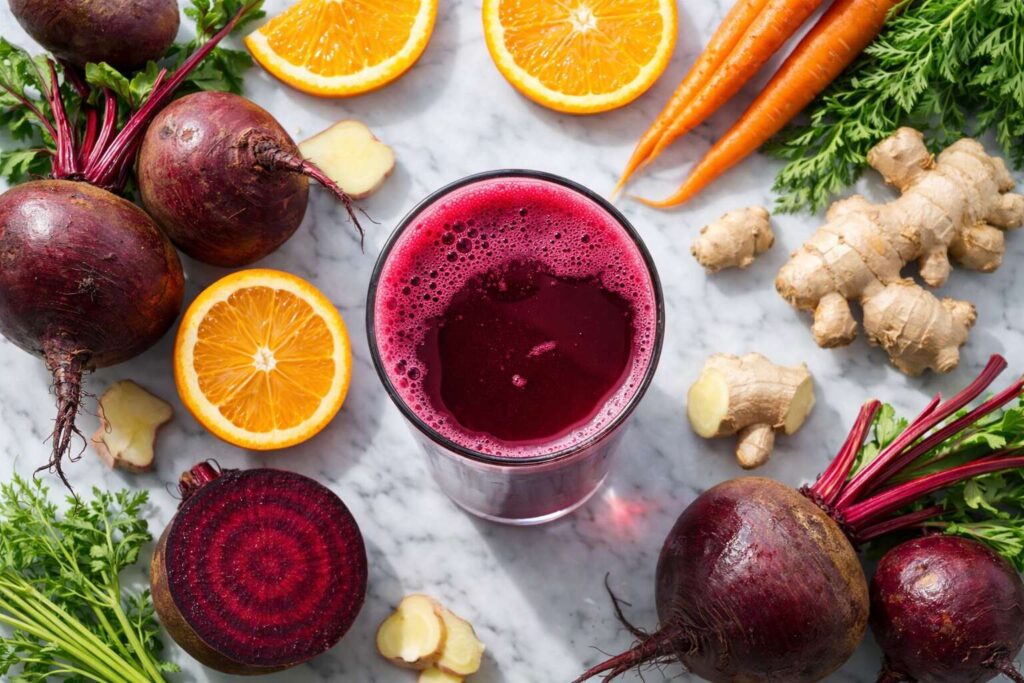
Best Combinations:
- Beetroot + Carrot + Amla: Excellent for boosting iron levels naturally
- Beetroot + Orange + Pineapple: Adds tanginess and Vitamin C
- Beetroot + Carrot + Ginger: Anti-inflammatory powerhouse
- Beetroot + Apple + Lemon: Balanced sweetness with detox benefits
Pro Tips:
- Drink 200ml of fresh beetroot juice daily for optimal benefits
- Consume early morning or one hour before breakfast for maximum absorption
- Always drink fresh juice; nutrients diminish quickly after preparation
- Keep the pulp for valuable fiber content
- Mix with other fruits or vegetables to balance oxalic acid content and enhance flavor
Important Considerations
While beetroot juice offers numerous benefits, consume it as part of a balanced diet. If you’re on blood pressure medication or have kidney issues, consult your healthcare provider before adding large amounts to your diet. Some people may experience beeturia (pink or red urine), which is harmless but can be surprising.
The Bottom Line
Beetroot juice is a scientifically-backed superfood that supports cardiovascular health, athletic performance, detoxification, and overall wellness. Its rich nutrient profile makes it an excellent addition to any fitness-focused lifestyle. Start with small amounts and gradually increase to find what works best for your body.
Sources:
- USDA FoodData Central – Nutritional Database
- Hypertension Journal – American Heart Association
- Journal of Applied Physiology – Exercise Performance Studies
- Nutrients Journal – Betalain and Antioxidant Research
Disclaimer: This article is for informational purposes only and not a substitute for professional medical advice. Consult with a healthcare provider before making significant dietary changes.