Whether you’re pushing through a heavy lift session or grinding out a long run, what you consume before training can meaningfully shift your performance. Pre-workout supplements have evolved far beyond a simple meal before exercise — today, they represent one of the most widely used categories in sports nutrition. But do they actually work, and what should you watch out for?
What Is Pre-Workout?
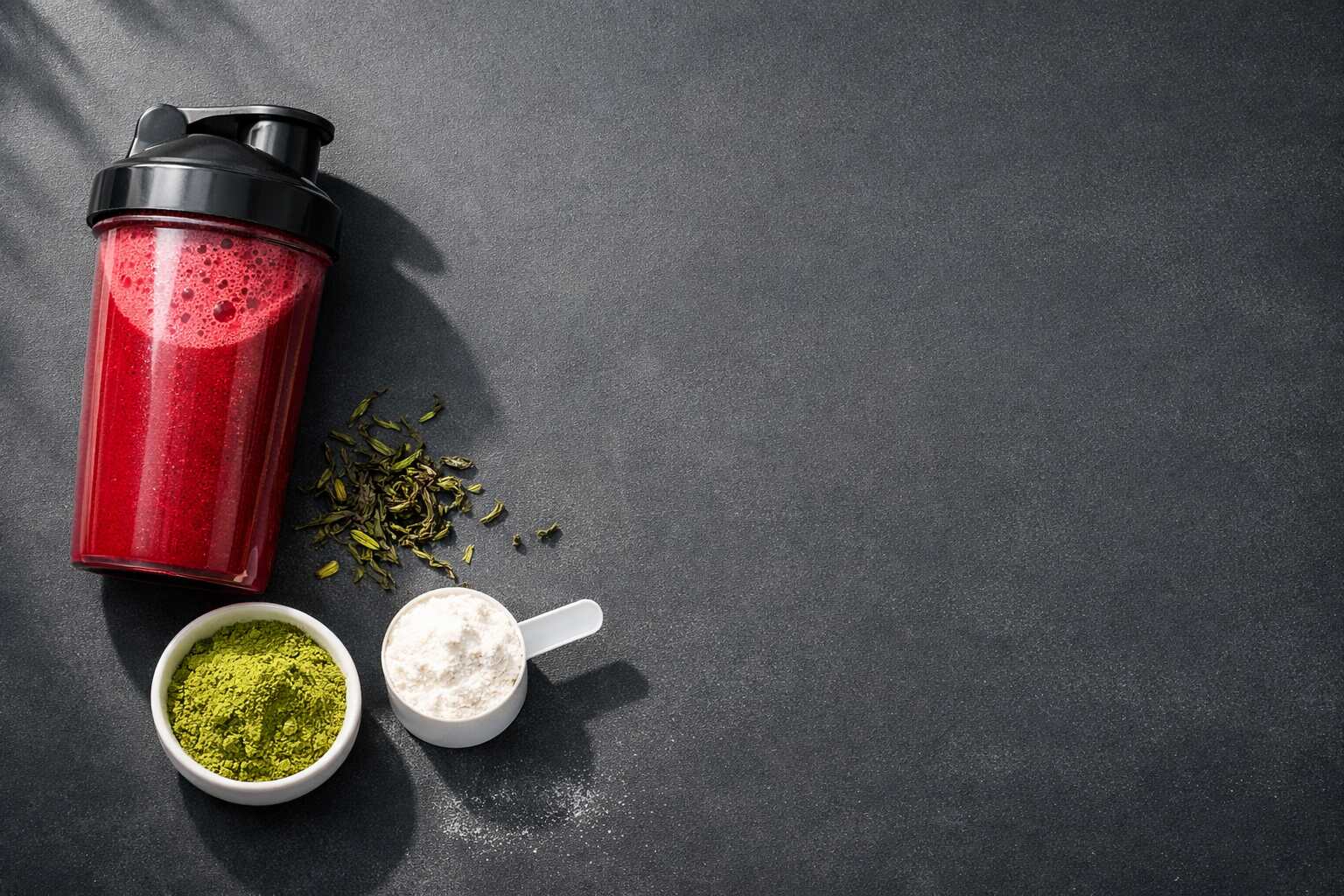
Pre-workout refers to any supplement — most commonly a powdered drink mix — formulated to enhance energy, focus, and exercise performance when consumed 20–45 minutes before training. These products typically combine multiple active ingredients, each targeting a specific physiological mechanism.
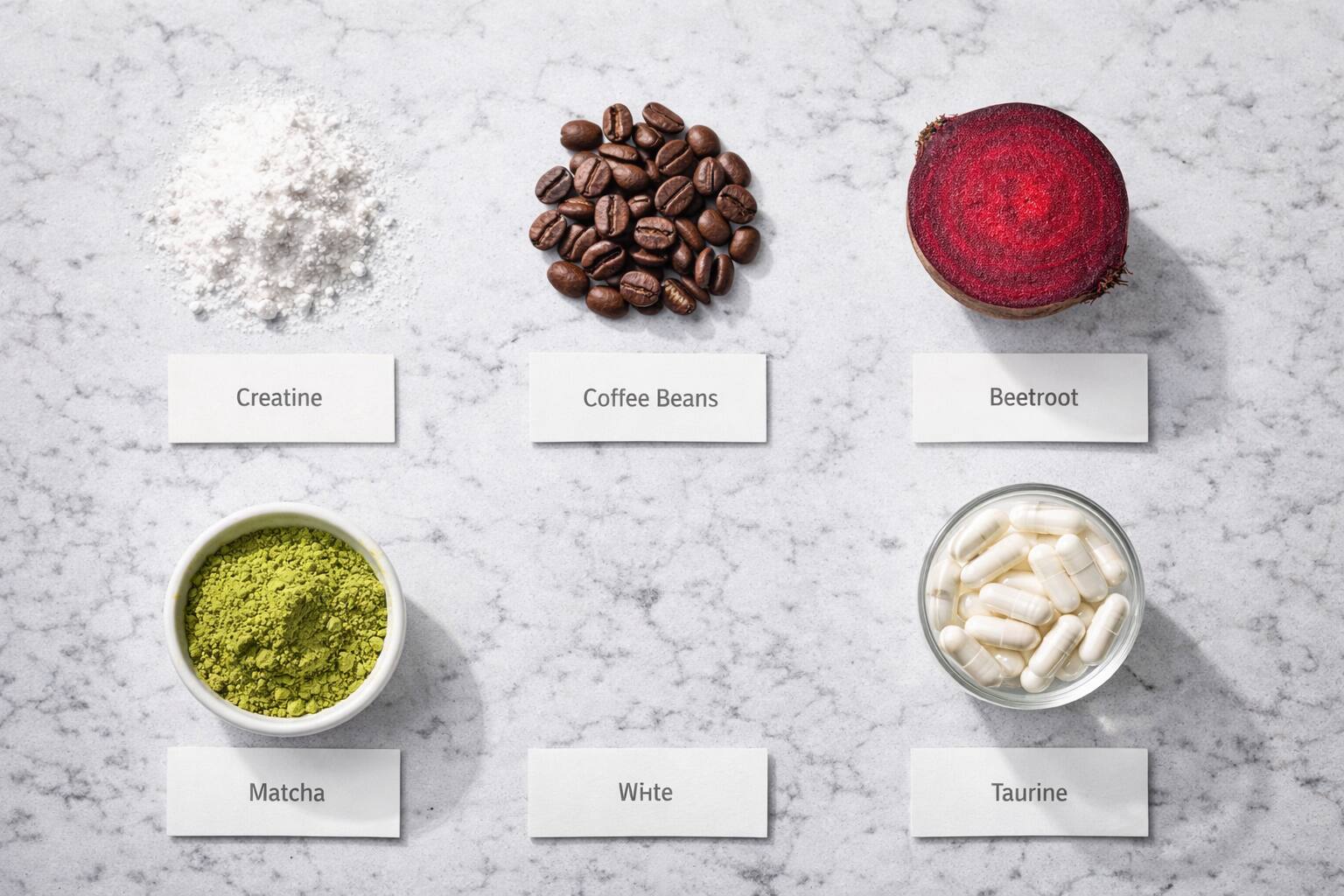
The most evidence-backed compounds found in pre-workout formulas include:
- Creatine – A naturally occurring compound in muscle tissue that regenerates ATP (your muscles’ primary energy currency) during high-intensity efforts
- Caffeine – A central nervous system stimulant that delays fatigue and sharpens mental focus
- Taurine – A sulfur-containing amino acid that supports muscle force output and reduces exercise-induced oxidative stress
- Beetroot (dietary nitrate) – A natural vasodilator that increases blood flow and oxygen delivery to working muscles
- Matcha – A powdered green tea combining caffeine and L-theanine for a smoother, sustained energy boost
Top 3 Performance Benefits
1. Enhanced Energy and Mental Focus
Caffeine is the most studied ergogenic aid in sports nutrition. A meta-analysis published in the British Journal of Sports Medicine (2019) found that caffeine supplementation improves endurance performance by approximately 12% on average. The L-theanine and caffeine pairing found in matcha has been shown to improve sustained attention and reaction time without the sharp crash associated with isolated caffeine sources (Nutritional Neuroscience, 2010).
Recommended dose: 3–6 mg of caffeine per kg of bodyweight, consumed 30–60 minutes pre-training.
2. Greater Strength, Power, and Endurance Output
Creatine monohydrate remains one of the most rigorously studied supplements in exercise science. According to the Journal of the International Society of Sports Nutrition (Position Stand, 2017), creatine supplementation consistently improves maximal strength, power output, and high-intensity interval performance. It is particularly effective for resistance training and repeated sprint efforts.
Beetroot juice, a concentrated source of dietary nitrate, has been shown to reduce the oxygen cost of exercise and extend time to exhaustion, particularly in aerobic events lasting over 4 minutes (Journal of Applied Physiology, 2009).
Recommended dose: Creatine — 3–5 g/day (no loading required); Beetroot juice — 400–500 ml consumed 2–3 hours before training.
3. Support for Body Composition
Taurine has demonstrated the ability to enhance fat oxidation during exercise. A study in Amino Acids (2010) reported a 16% increase in fat burning among endurance athletes supplementing with taurine. Caffeine also contributes to thermogenesis and metabolic rate elevation, with doses between 100–400 mg shown to increase energy expenditure and suppress appetite in the short term (Obesity Reviews, 2019).
Top 3 Side Effects to Know
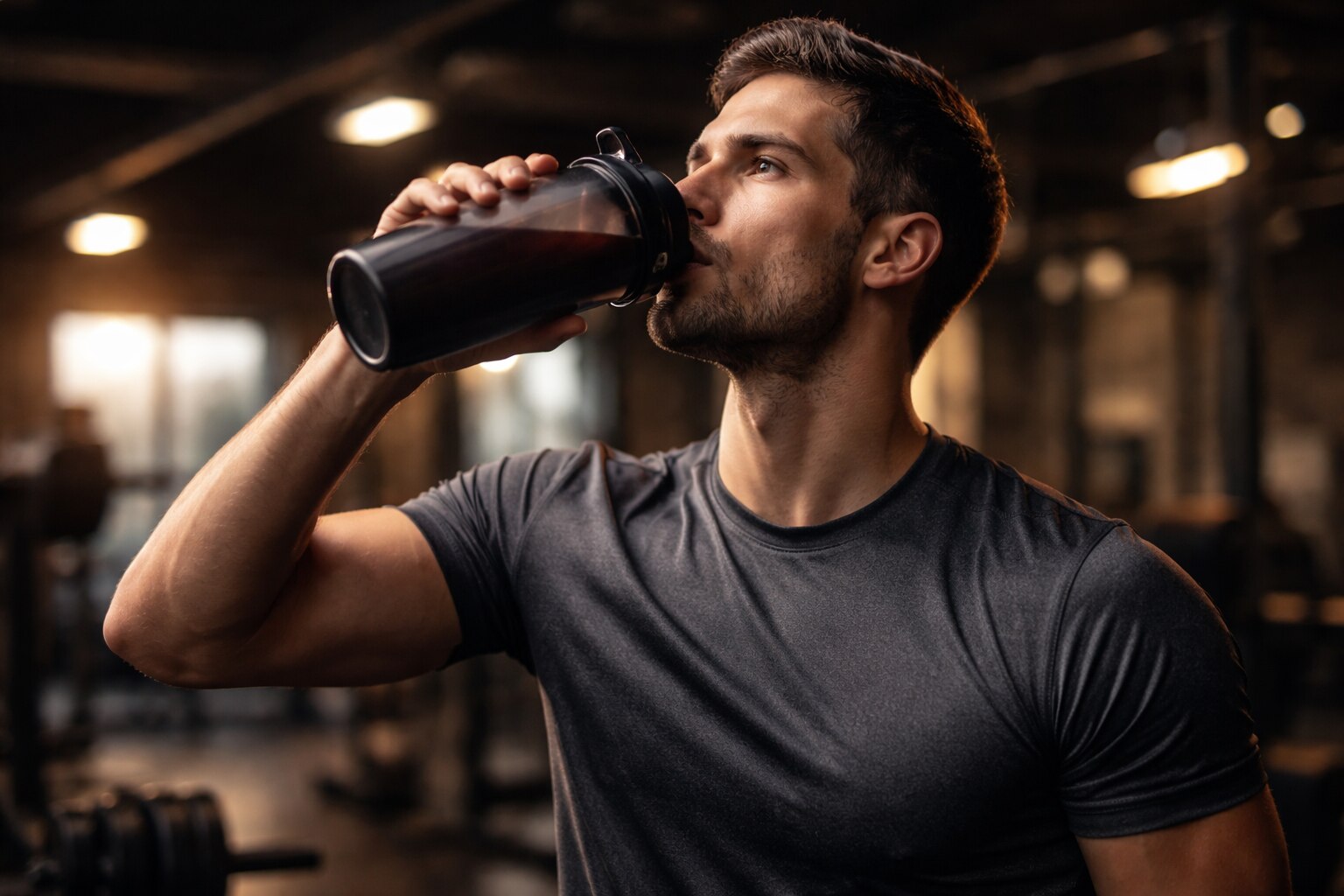
1. Jitteriness and Sleep Disruption
High caffeine intake — particularly from stacked pre-workout formulas — can cause restlessness, increased heart rate, and insomnia if consumed too late in the day. Individuals sensitive to stimulants should avoid caffeine within 6 hours of bedtime to protect sleep quality, which is itself a critical recovery variable.
2. Elevated Blood Pressure
Stimulant-based pre-workouts temporarily raise blood pressure. Those with hypertension or cardiovascular conditions should consult a physician before use. A review in Hypertension (2012) confirmed that acute caffeine intake produces a measurable short-term rise in systolic and diastolic blood pressure.
3. Dehydration Risk
Caffeine is a mild diuretic. Combined with sweat losses during intense training, it can accelerate dehydration if fluid intake is insufficient. Aim for 500–600 ml of water with your pre-workout drink, and continue hydrating throughout your session.
Two Natural Pre-Workout Options
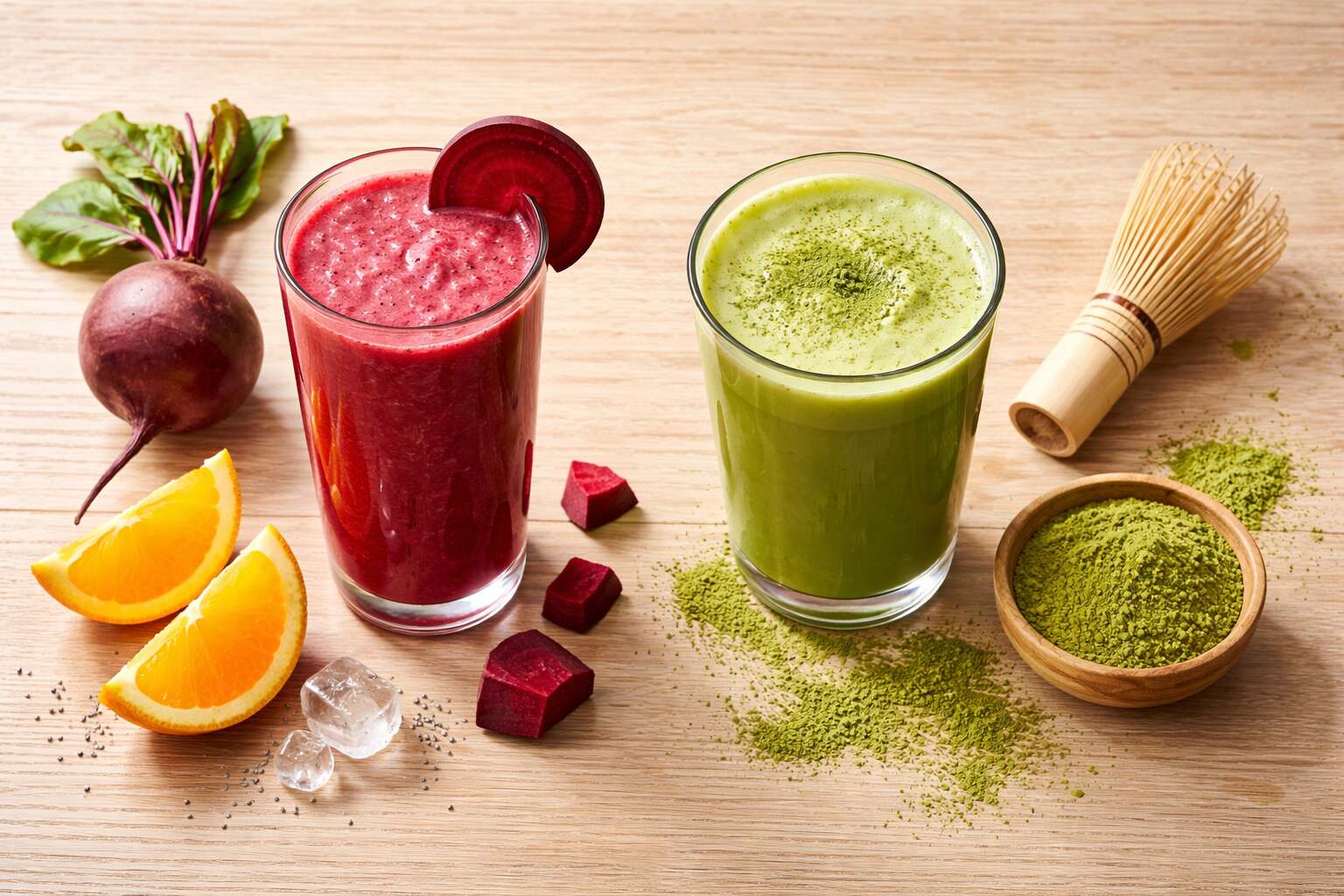
If you prefer whole-food sources over supplements, these two options are well-supported by research:
Beetroot Smoothie Blend one peeled, chopped beetroot with the juice of one orange. Consume 90–120 minutes before training. Provides natural dietary nitrate without additives.
Matcha Pre-Workout Drink Shake 1 teaspoon of matcha powder in 300–500 ml of cold water. Consume 20–30 minutes before your session. The caffeine-L-theanine combination supports focused energy without significant side effects in most individuals.
Key Takeaways
Pre-workout supplements can provide a measurable performance edge when used correctly and matched to your training goals. Prioritize ingredients with strong clinical backing — creatine, caffeine, and dietary nitrate — and be mindful of dosing, timing, and your individual tolerance. Natural alternatives like matcha and beetroot offer legitimate performance support with a lower risk profile.
No supplement, however, replaces consistent training, adequate sleep, and solid nutrition fundamentals.
Disclaimer: This article is for informational purposes only and does not constitute medical advice. Consult a qualified healthcare professional before beginning any new supplement regimen, particularly if you have a pre-existing medical condition or are taking medication.
Sources:
- Doherty, M., & Smith, P.M. (2004). Journal of Sports Science, Effects of caffeine ingestion on exercise testing.
- Maughan, R.J., et al. (2018). IOC consensus statement: dietary supplements and the high-performance athlete. British Journal of Sports Medicine.
- Kreider, R.B., et al. (2017). International Society of Sports Nutrition position stand: safety and efficacy of creatine supplementation. JNIS.
- Jones, A.M. (2014). Dietary nitrate supplementation and exercise performance. Sports Medicine.
- Rutherford, J.A., et al. (2010). The effect of chronic taurine supplementation on various exercise parameters. Amino Acids.