The Fiber Dilemma Every Athlete Faces
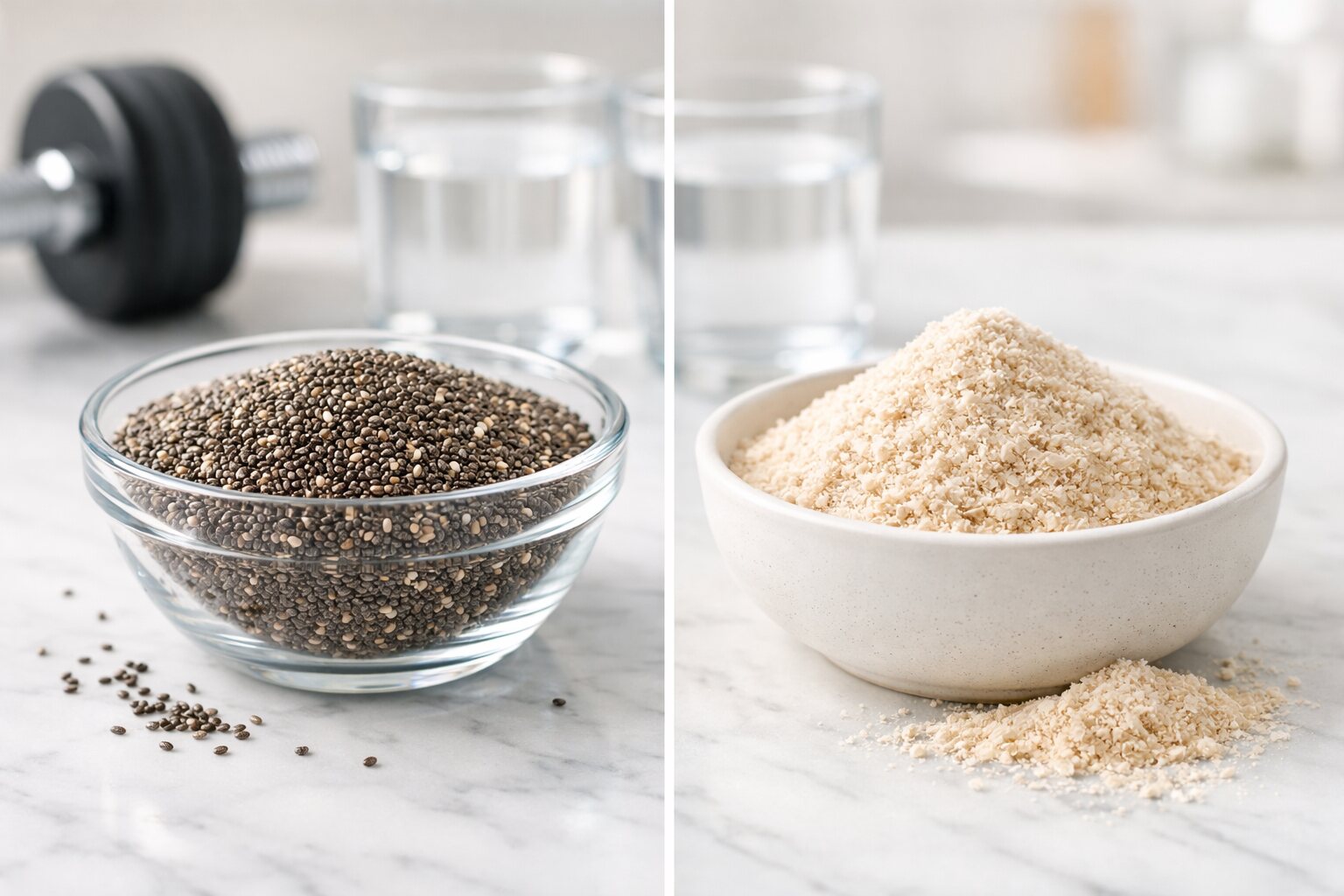
You’ve heard it before: fiber is essential for gut health, sustained energy, and optimal performance. But when you’re staring at supplement shelves wondering whether to reach for chia seeds or isabgol (psyllium husk), the choice isn’t always clear. Both are fiber-rich nutritional powerhouses, but they work differently in your body—and understanding these differences can make or break your training nutrition strategy.
Let’s cut through the noise with science-backed insights to help you choose the right fiber source for your goals.
What Makes Chia Seeds a Fitness Favorite?
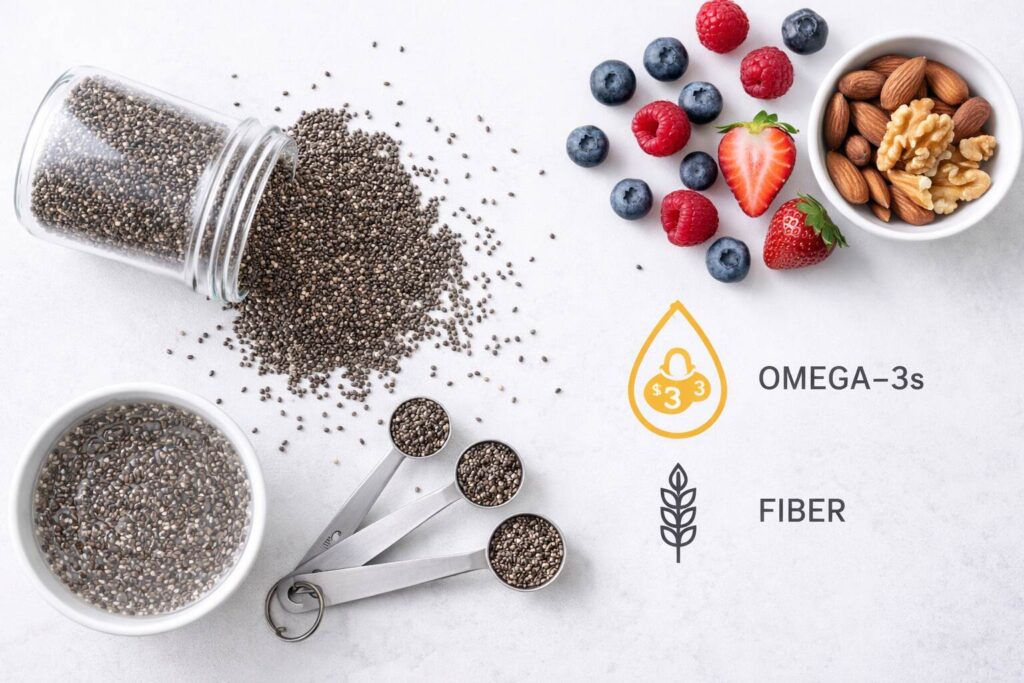
Chia seeds (Salvia hispanica) have earned their reputation as a superfood, and for good reason. These tiny seeds pack an impressive nutritional profile that extends far beyond fiber.
Performance-Boosting Nutrients
According to USDA nutritional data, just two tablespoons (28g) of chia seeds deliver approximately 10 grams of fiber, 5 grams of protein, and 5 grams of omega-3 fatty acids. Research published in the Journal of Strength and Conditioning Research demonstrated that chia seed consumption improved endurance performance in athletes, comparable to traditional carbohydrate loading.
The soluble fiber in chia seeds forms a gel-like substance when mixed with liquid, which slows digestion and promotes steady energy release. This makes them ideal for pre-workout meals or long-duration training sessions. Additionally, their omega-3 content supports cardiovascular health and reduces exercise-induced inflammation, according to findings in Nutrients journal.
How to Use Chia Seeds
- Dosage: 1-2 tablespoons daily
- Timing: Pre-workout (60-90 minutes before) or post-workout for recovery
- Preparation: Soak in water, almond milk, or add to smoothies for 15 minutes to activate the gel formation
- Pro Tip: Mix with Greek yogurt and berries for a protein-fiber combo that supports muscle recovery
Isabgol: The Digestive Health Champion

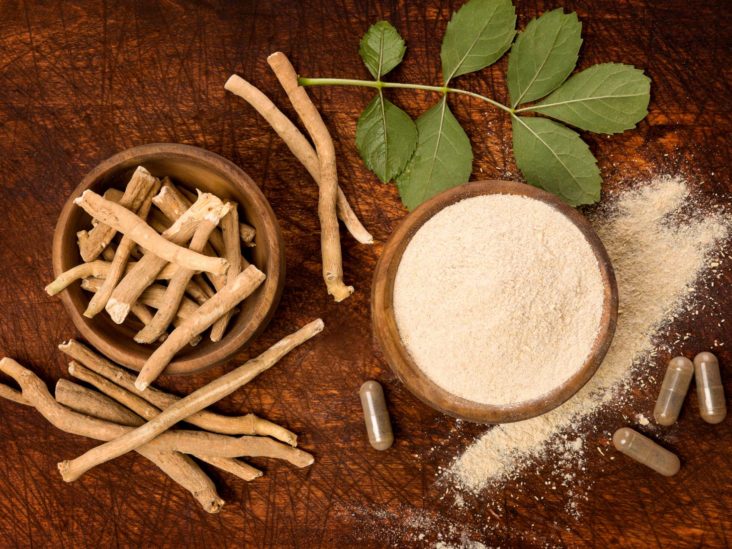
Isabgol, also known as psyllium husk, is derived from the seeds of Plantago ovata and has been used in traditional medicine for centuries. While less nutrient-dense than chia seeds, its fiber concentration is unmatched.
The Science Behind Isabgol
Isabgol contains approximately 70% soluble fiber by weight—significantly higher than chia seeds. A meta-analysis published in the American Journal of Clinical Nutrition found that psyllium supplementation effectively lowered LDL cholesterol levels by an average of 6-11%, supporting cardiovascular health for athletes with high metabolic demands.
The bulk-forming properties of isabgol promote regular bowel movements and support gut health, which is crucial for nutrient absorption and immune function. Research in Alimentary Pharmacology & Therapeutics showed that psyllium improved symptoms of irritable bowel syndrome and enhanced overall digestive comfort.
How to Use Isabgol
- Dosage: 5-10 grams (approximately 1-2 teaspoons) daily
- Timing: Before bed or between meals, not immediately before workouts
- Preparation: Mix with 8-12 ounces of water and drink immediately to prevent thickening
- Important: Always follow with additional water to prevent digestive blockage
Head-to-Head: Which Should You Choose?
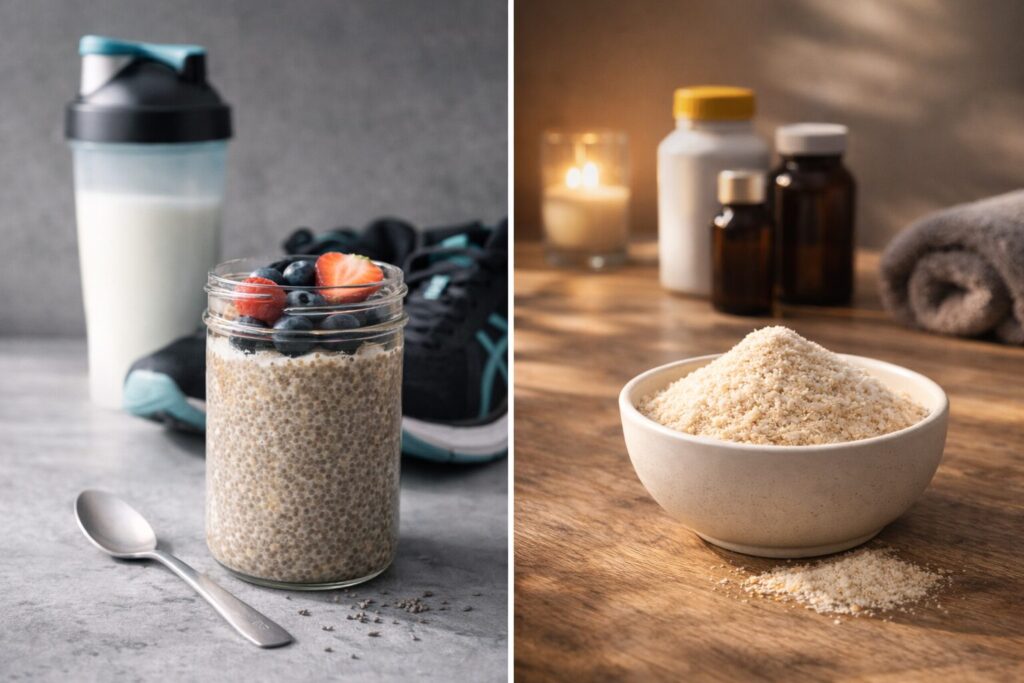
The answer depends on your specific fitness goals and nutritional needs.
Choose Chia Seeds If:
You want a complete nutritional package with protein, healthy fats, and minerals alongside fiber. Chia seeds excel for endurance athletes, those seeking anti-inflammatory benefits, and anyone looking to enhance workout fueling strategies. Their versatility in recipes makes them easy to incorporate into your daily nutrition.
Choose Isabgol If:
Your primary goal is digestive regularity, cholesterol management, or maximum fiber intake with minimal calories. Isabgol is particularly beneficial for bodybuilders during cutting phases or anyone experiencing digestive issues that impact training consistency.
Can You Use Both?
Absolutely. Many fitness enthusiasts incorporate both strategically—chia seeds for workout nutrition and isabgol for evening digestive support. Just ensure adequate hydration (aim for 3-4 liters daily) when consuming high-fiber foods to prevent digestive discomfort.
Important Considerations
Both chia seeds and isabgol are generally safe, but start with smaller doses and gradually increase to assess tolerance. Individuals with digestive disorders, bowel obstructions, or difficulty swallowing should consult a healthcare provider before use. If you’re taking medications, note that psyllium can affect absorption timing—take medications at least 1-2 hours before or after isabgol consumption.
The Bottom Line
Both chia seeds and isabgol offer legitimate health benefits supported by scientific research. Chia seeds provide a broader nutritional spectrum ideal for active individuals seeking sustained energy and recovery support. Isabgol excels as a targeted digestive aid and cholesterol-management tool. Consider your training demands, nutritional gaps, and wellness goals to determine which—or both—deserves a place in your fitness nutrition arsenal.
Disclaimer: This article is for informational purposes only and does not constitute medical advice. Consult with a healthcare professional or registered dietitian before making significant changes to your supplement routine, especially if you have pre-existing health conditions or take medications.