
Your body is a finely tuned machine, and timing matters just as much as what you put into it. While fitness culture often emphasizes what to eat and drink, understanding when to consume certain things is equally critical for optimizing performance, recovery, and overall health.
As an athlete or active individual, you’ve probably heard conflicting advice about fasted training, pre-workout nutrition, and meal timing. The truth is that certain common habits—when done on an empty stomach—can significantly undermine your fitness goals, impair performance, and even cause health issues.
Let’s examine six science-backed mistakes you should avoid doing on an empty stomach.
1. Drinking Coffee or Tea Without Food
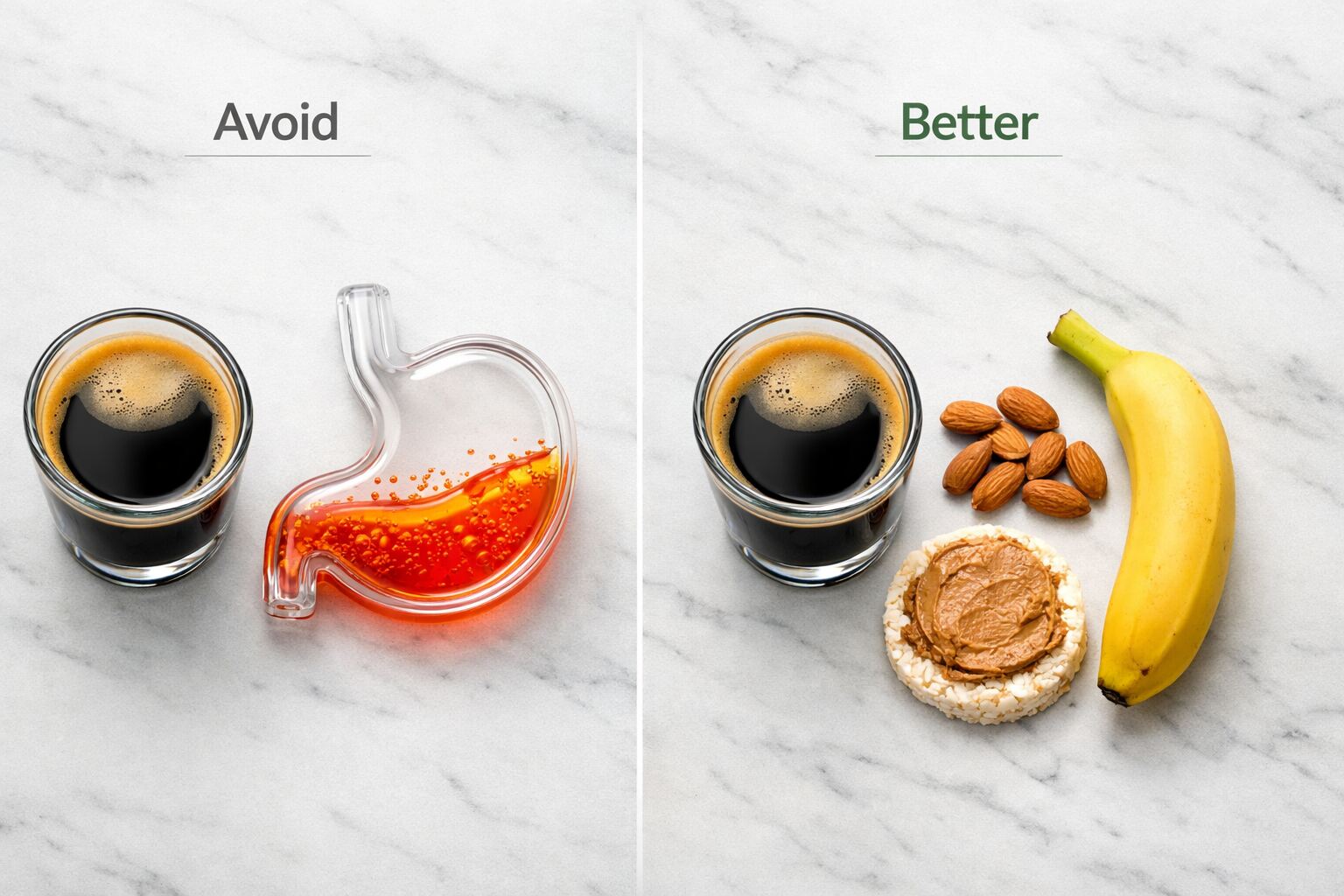
That pre-workout espresso or morning cup of green tea might seem harmless, but consuming caffeinated beverages on a completely empty stomach can create problems, especially for athletes.
Coffee stimulates the production of gastric acid and the hormone gastrin, which increases stomach acid secretion. According to research published in Digestive Diseases and Sciences, coffee consumption on an empty stomach can raise gastric acid levels by up to 300%, potentially leading to acid reflux, heartburn, and gastritis over time.
For athletes who already experience gastrointestinal distress during training (a common issue affecting up to 70% of endurance athletes according to the International Journal of Sport Nutrition and Exercise Metabolism), this additional acid production can exacerbate symptoms.
The science: Chlorogenic acids in coffee also slow glucose production in the liver, which can affect energy availability during morning workouts. A study in the British Journal of Nutrition found that coffee consumed without food can impair glycemic control in some individuals.
Better approach: If you prefer coffee or tea before morning training, pair it with a small amount of food—even something as simple as a banana, a handful of nuts, or a rice cake with nut butter. This provides a buffer for your stomach lining while supplying quick-digesting carbohydrates for workout fuel.
For athletes: Time your caffeine intake 30-60 minutes before training and always with at least 15-20 grams of carbohydrates to maximize performance benefits while minimizing GI distress.
2. Intense or Heavy Resistance Training
The debate around fasted cardio has merit in specific contexts, but high-intensity or heavy resistance training on a completely empty stomach is generally counterproductive for most fitness goals.
Research in the Journal of the International Society of Sports Nutrition demonstrates that training in a fasted state can increase cortisol levels and promote muscle protein breakdown, particularly during resistance training. While your body can utilize fat for energy during low-to-moderate intensity exercise, high-intensity training and heavy lifting require glycogen—your body’s stored carbohydrate.

A landmark study published in Medicine & Science in Sports & Exercise found that consuming protein and carbohydrates before resistance training led to significantly greater muscle protein synthesis compared to fasted training. When your glycogen stores are depleted from overnight fasting, your body may break down muscle protein for energy—the exact opposite of what you want when trying to build strength and muscle mass.
Performance impact: Training without adequate fuel reduces workout intensity, volume capacity, and recovery. You may feel you’re “getting through” the workout, but you’re likely compromising performance and results.
Better approach: Consume 20-40 grams of carbohydrates and 10-20 grams of protein 30-90 minutes before intense training sessions. Quick options include:
- Greek yogurt with berries and granola
- Banana with almond butter
- Protein shake with oats
- Rice cakes with turkey and avocado
Exception: Low-intensity steady-state cardio (walking, easy cycling) for 30-45 minutes can be performed fasted by adapted individuals without significant performance decrements, and may enhance fat oxidation according to research in Sports Medicine.
3. Consuming Alcohol
Drinking alcohol on an empty stomach is particularly problematic for athletes and active individuals, affecting both immediate wellbeing and recovery capacity.
When you consume alcohol without food, your body absorbs it approximately twice as fast, according to data from the National Institute on Alcohol Abuse and Alcoholism. Peak blood alcohol concentration can occur within 30-60 minutes on an empty stomach compared to 60-120 minutes when consumed with food.
Performance implications: Alcohol significantly impairs muscle protein synthesis. Research in PLOS ONE found that alcohol consumption after exercise reduced muscle protein synthesis by up to 37%, even when adequate protein was consumed. This effect is magnified when alcohol is consumed without food, as the rapid absorption leads to higher peak blood alcohol levels.
Additionally, alcohol is a diuretic that promotes dehydration—already a concern for athletes. The faster absorption on an empty stomach accelerates fluid loss and electrolyte imbalance.
Better approach: If you choose to drink alcohol (keeping in mind it should be minimized during serious training phases), always consume it with a substantial meal containing protein, complex carbohydrates, and healthy fats. This slows absorption, reduces gastric irritation, and provides nutrients that support your body’s metabolism of alcohol.
For athletes: Remember that alcohol consumption within 48 hours post-workout can impair recovery, reduce testosterone levels, and interfere with sleep quality—all critical factors for adaptation and performance improvement.
4. Going to Sleep
While this might seem counterintuitive since you’ve been told not to eat before bed, going to sleep on a completely empty stomach can actually impair sleep quality and overnight recovery—both essential for athletic performance.
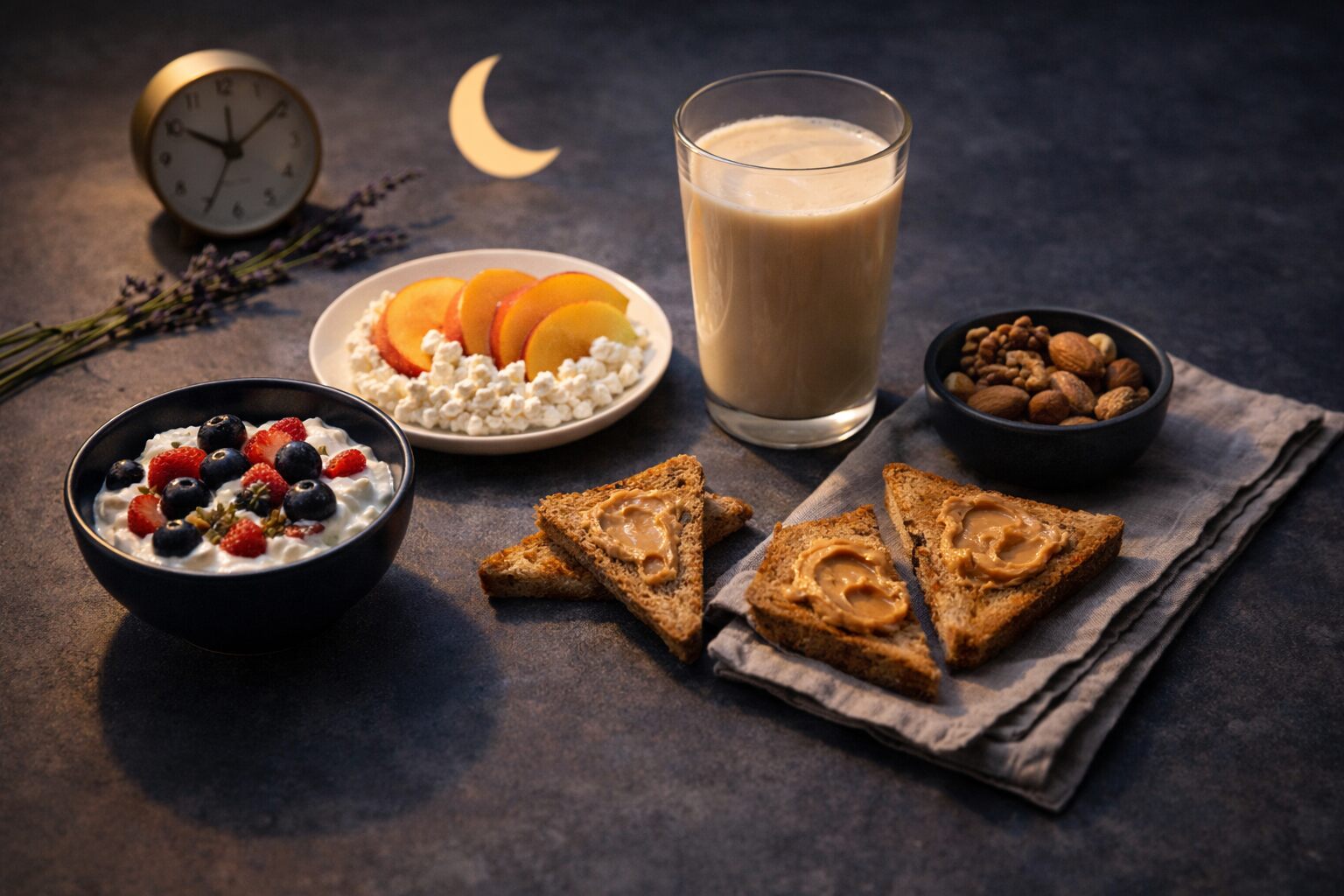
Research published in the Journal of Clinical Sleep Medicine indicates that mild hunger can disrupt sleep architecture, reducing time spent in deep sleep stages critical for physical recovery and growth hormone secretion. For athletes, growth hormone release during sleep is essential for tissue repair, muscle growth, and metabolic regulation.
Blood glucose levels naturally decline during sleep. If you go to bed with already low glucose levels from not eating, you may experience nocturnal hypoglycemia, triggering cortisol release that disrupts sleep and promotes a catabolic (muscle-breaking) state.
A study in the British Journal of Nutrition found that consuming a small, protein-rich snack before bed (approximately 30-40 grams of slow-digesting protein) actually improved overnight muscle protein synthesis without negatively affecting body composition.
Better approach: Consume a light snack 30-60 minutes before bed that combines slow-digesting protein with a small amount of carbohydrates:
- Greek yogurt with berries
- Cottage cheese with a small amount of fruit
- Casein protein shake
- Whole grain toast with natural peanut butter
Timing consideration: Avoid large meals within 2-3 hours of bedtime to prevent digestive discomfort, but a strategic snack can enhance recovery and sleep quality.
5. Eating Spicy Foods
Consuming spicy foods on an empty stomach can cause significant gastrointestinal distress, particularly problematic for athletes who need optimal digestive function to support high caloric and nutrient demands.
Capsaicin, the compound responsible for the heat in spicy foods, can irritate the stomach lining and increase gastric acid production. According to research in Gut, capsaicin can trigger the release of substance P, a neuropeptide involved in pain transmission, leading to stomach discomfort, cramping, and in some cases, nausea.
For individuals with sensitive stomachs or conditions like gastritis or irritable bowel syndrome (IBS)—conditions that affect approximately 10-15% of the population according to gastroenterology research—spicy foods on an empty stomach can trigger acute symptoms that interfere with training and daily activities.
Better approach: Always consume spicy foods as part of a balanced meal that includes proteins, fats, and complex carbohydrates. These macronutrients create a protective coating in your stomach and slow the absorption of capsaicin, reducing irritation.
For athletes: Be especially cautious with spicy foods before important training sessions or competitions, as they can trigger GI distress during exercise, a common issue that affects performance and comfort.
6. Chewing Gum
This one surprises many people, but chewing gum on an empty stomach can create digestive issues that affect comfort and performance.
The act of chewing signals your digestive system to prepare for food by releasing digestive enzymes and stomach acid. When no food arrives, this acid can irritate your stomach lining and potentially contribute to gastritis or acid reflux, according to research published in Alimentary Pharmacology & Therapeutics.
Additionally, many commercial chewing gums contain artificial sweeteners like sorbitol and xylitol. These sugar alcohols can cause bloating, gas, and gastrointestinal discomfort, particularly when consumed on an empty stomach. A study in the European Journal of Clinical Nutrition found that excessive sorbitol intake (which can occur quickly when chewing gum without food) can cause osmotic diarrhea.
Better approach: If you use gum for focus or to manage cravings, chew it after meals rather than on an empty stomach. Choose gums sweetened with xylitol in moderation, as it’s less likely to cause GI issues than sorbitol, and avoid gums with artificial sweeteners if you have a sensitive digestive system.
For athletes: Some athletes use gum during endurance events, but this should always be practiced during training first, and preferably after consuming some fuel, to assess individual tolerance.
Strategic Fueling for Optimal Performance
Understanding what not to do on an empty stomach is just as important as knowing what to eat and when. Your body’s response to food, beverages, and activities varies based on your fed state, and making strategic choices about timing can significantly impact your performance, recovery, and overall health.
The key principles for athletes and active individuals:
Morning routine: If training early, consume at least a small amount of easily digestible carbohydrates and protein 30-60 minutes before intense sessions. Save fasted training only for low-intensity activities and only if you’re adapted to it.
Throughout the day: Avoid long periods without food (more than 4-5 hours) to maintain stable blood glucose, energy levels, and metabolic function. This is particularly important during heavy training phases.
Before bed: A small protein-rich snack supports overnight recovery without interfering with sleep quality or body composition goals.
Stimulants and irritants: Always pair coffee, tea, spicy foods, and alcohol with food to minimize gastric irritation and optimize absorption.
The Bottom Line
Your body performs best when you respect its natural rhythms and requirements. While fasted training has a time and place in certain training protocols, the six habits outlined here are generally best avoided on an empty stomach for optimal health, performance, and recovery.
Listen to your body, experiment with timing strategies during training (never on competition day), and remember that individual responses can vary. What works for one athlete may not work for another, so pay attention to how your body responds to different fueling strategies.
By avoiding these common empty stomach mistakes, you’ll support better digestion, enhanced performance, improved recovery, and long-term health—all essential components of a sustainable, successful fitness journey.
Disclaimer: This article is for informational and educational purposes only and does not constitute medical or nutritional advice. Individual nutritional needs vary based on training status, health conditions, and goals. Consult with a registered dietitian, sports nutritionist, or healthcare provider before making significant changes to your nutrition or training protocols, especially if you have pre-existing digestive conditions, metabolic disorders, or are taking medications. The information provided is based on current scientific research but individual responses may vary.