Chronic inflammation is one of the biggest hidden barriers to athletic performance. Whether it shows up as persistent joint stiffness, delayed muscle soreness, or sluggish recovery between sessions, unchecked inflammation slows you down — in and out of the gym. The good news: your plate is one of the most powerful tools you have to fight back.
Research published in Nutrients (2019) confirms that dietary patterns rich in whole, antioxidant-dense foods can significantly reduce systemic inflammatory markers, including C-reactive protein (CRP) and interleukin-6 (IL-6). Here are five evidence-backed foods that belong in your anti-inflammatory rotation.
1. Pineapple
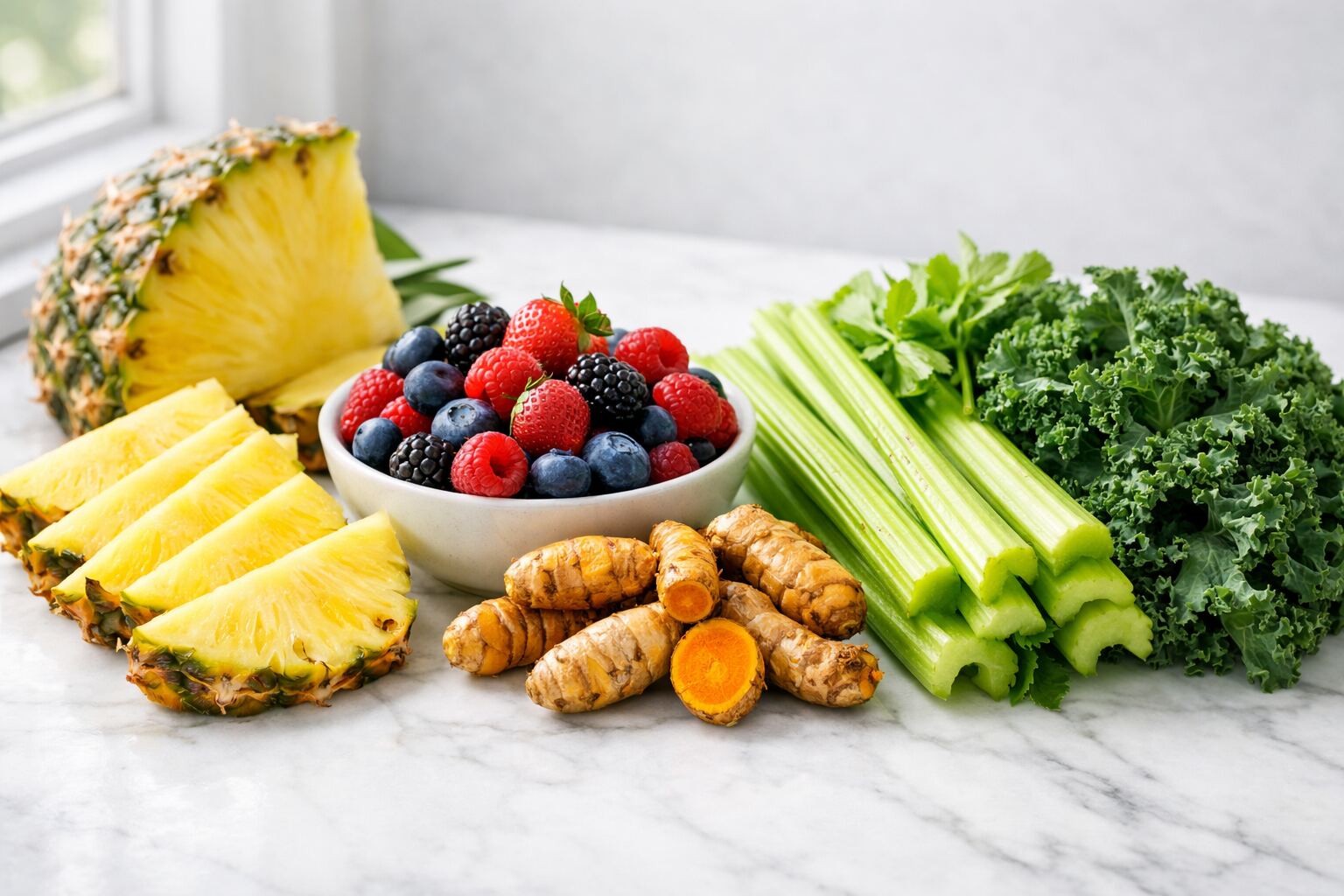
Pineapple contains bromelain, a proteolytic enzyme with well-documented anti-inflammatory and analgesic properties. A review in Biomedical Reports (2016) found that bromelain reduces post-exercise muscle damage and accelerates soft-tissue recovery. Aim for 1 cup (165 g) of fresh pineapple post-workout to leverage its enzymatic activity — cooking deactivates bromelain, so keep it raw.
2. Mixed Berries
Blueberries, strawberries, blackberries, and raspberries are among the most antioxidant-dense foods available. They deliver flavonoids — including quercetin and anthocyanins — that suppress NF-κB, a key molecular pathway driving inflammatory responses. A study in the Journal of the International Society of Sports Nutrition (JISSN, 2012) found that daily blueberry consumption reduced exercise-induced oxidative stress and muscle soreness in trained athletes.
Serving target: ½–1 cup (75–150 g) daily, fresh or frozen. Frozen berries retain comparable antioxidant levels to fresh.
3. Turmeric
Curcumin — turmeric’s primary bioactive compound — is one of the most extensively studied natural anti-inflammatories. Research in the Journal of Medicinal Food (2016) showed that curcumin supplementation significantly reduced delayed onset muscle soreness (DOMS) and inflammation markers following eccentric exercise. Standard research doses range from 200–500 mg of curcumin daily, paired with black pepper (piperine) to boost bioavailability by up to 2,000%, per a Planta Medica study.
For food-based intake, use 1 teaspoon (≈200 mg curcumin) of ground turmeric in smoothies, golden milk, or post-workout meals.
4. Celery
Often overlooked, celery provides both soluble and insoluble fiber alongside phytonutrients like apigenin and luteolin — flavones shown in Biochemical Pharmacology research to inhibit pro-inflammatory enzymes (COX-1 and COX-2). Its high water content (95%) also supports hydration, a critical factor in managing exercise-induced inflammation. USDA FoodData Central confirms celery delivers 35 mg of sodium and 260 mg of potassium per 100 g — a natural electrolyte contribution useful around training.
5. Dark Leafy Greens
Spinach, kale, broccoli, and Brussels sprouts are nutritional powerhouses loaded with vitamins A, C, E, and K — all of which function as antioxidants that neutralize reactive oxygen species generated during intense exercise. Vitamin K, in particular, plays a dual role in inflammation regulation and bone health, per research in Molecular Nutrition & Food Research. Target 2–3 cups of dark leafy greens daily, lightly steamed or raw to preserve heat-sensitive vitamin C.
Building Your Anti-Inflammatory Plate
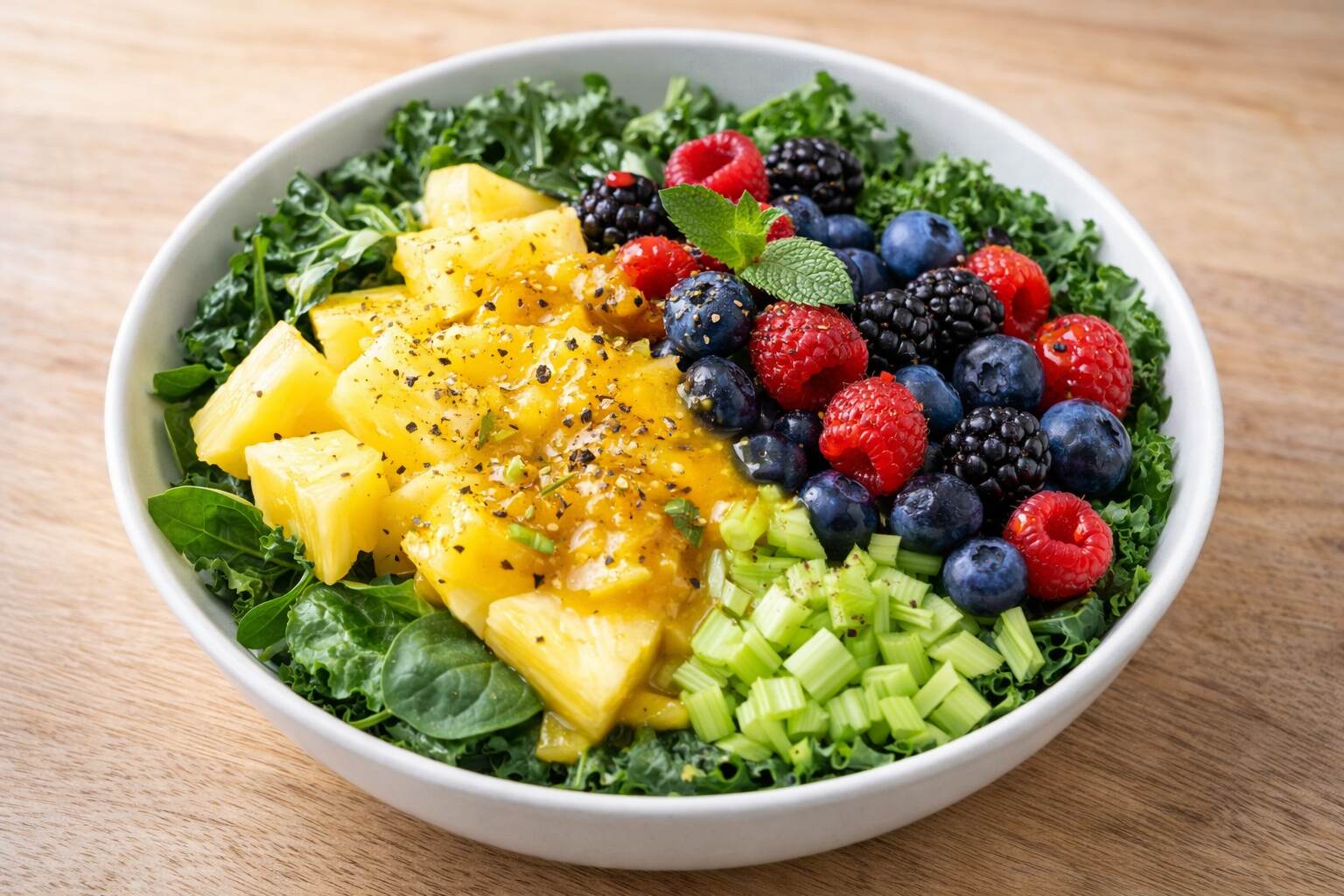
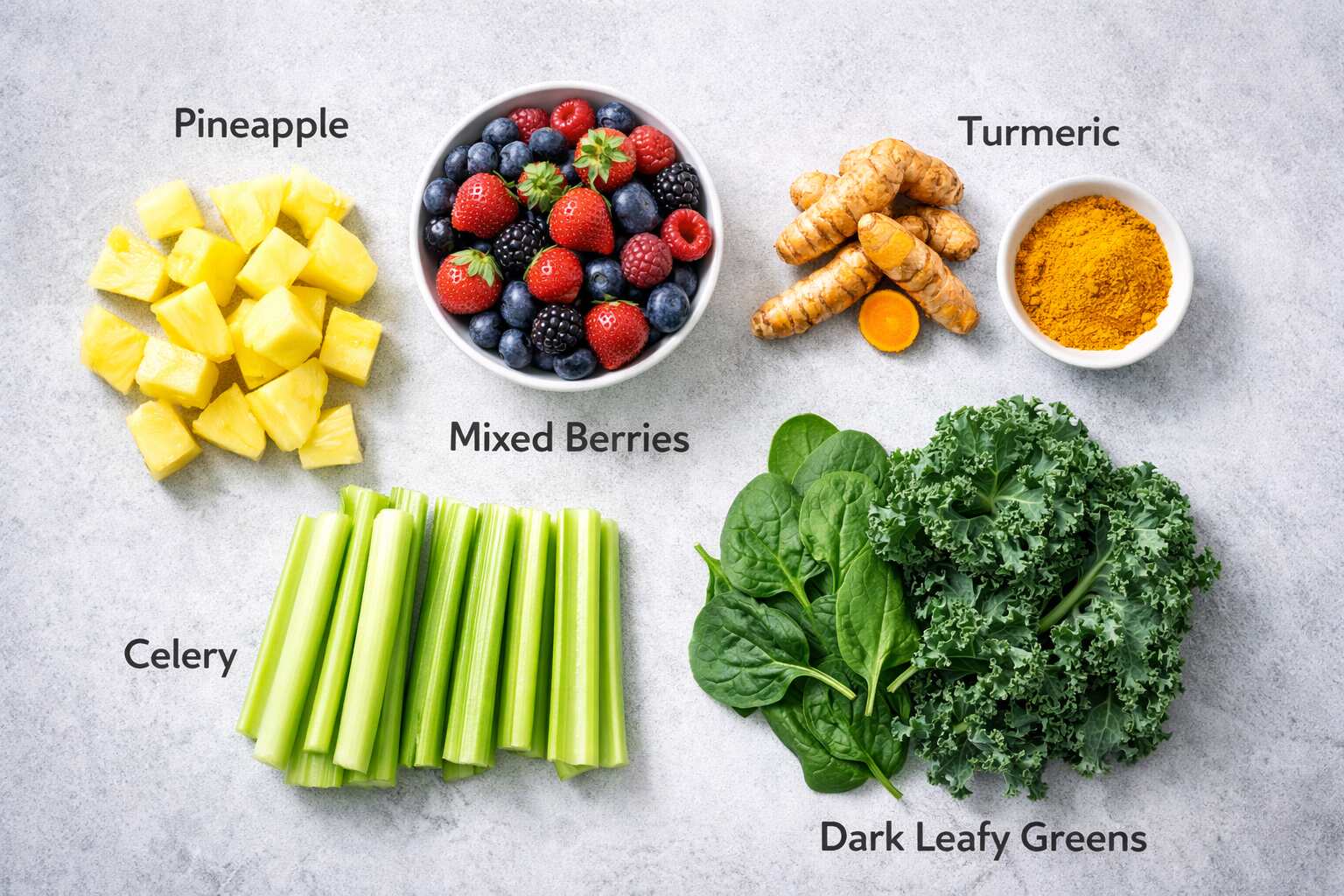
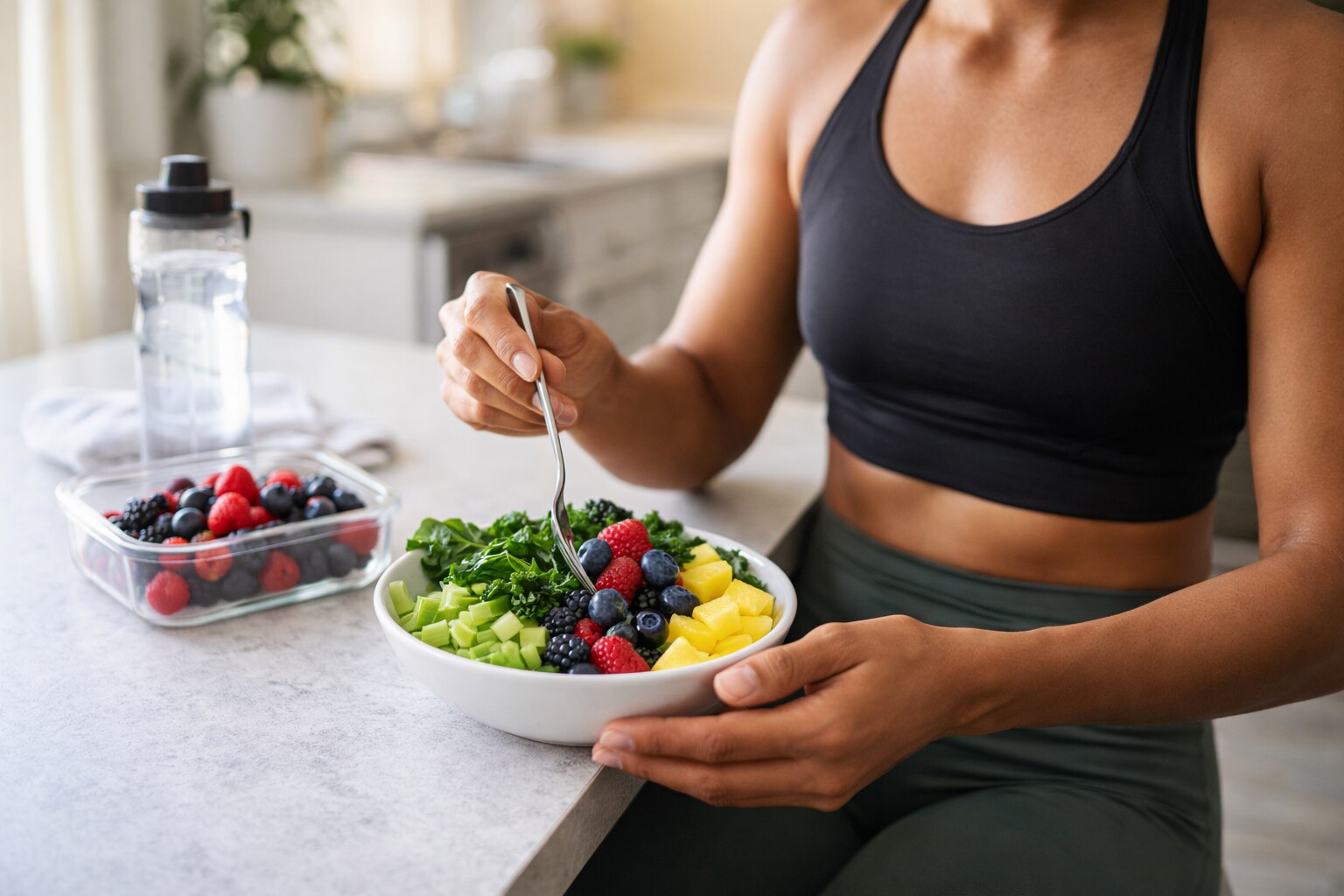
Combining these five foods into a single meal isn’t difficult. A simple anti-inflammatory recovery bowl — mixed greens base, shredded raw celery, fresh berries, pineapple chunks, and a turmeric-lemon dressing — delivers broad-spectrum antioxidant and anti-inflammatory coverage in one sitting.
Pro tips:
- Pair turmeric with healthy fats (olive oil, avocado) and black pepper to maximize curcumin absorption
- Consume berries and pineapple within 30–60 minutes post-workout for optimal recovery support
- Rotate greens weekly to diversify phytonutrient intake
The Bottom Line
Fighting inflammation doesn’t require a supplement stack — it starts with consistent, strategic food choices. Incorporating pineapple, mixed berries, turmeric, celery, and dark leafy greens into your weekly nutrition plan can meaningfully reduce recovery time, joint discomfort, and systemic inflammation over time.
Disclaimer: This article is for informational purposes only and does not constitute medical advice. Consult a qualified healthcare professional or registered dietitian before making significant dietary changes, particularly if you are managing a diagnosed inflammatory condition or taking anti-inflammatory medications.