

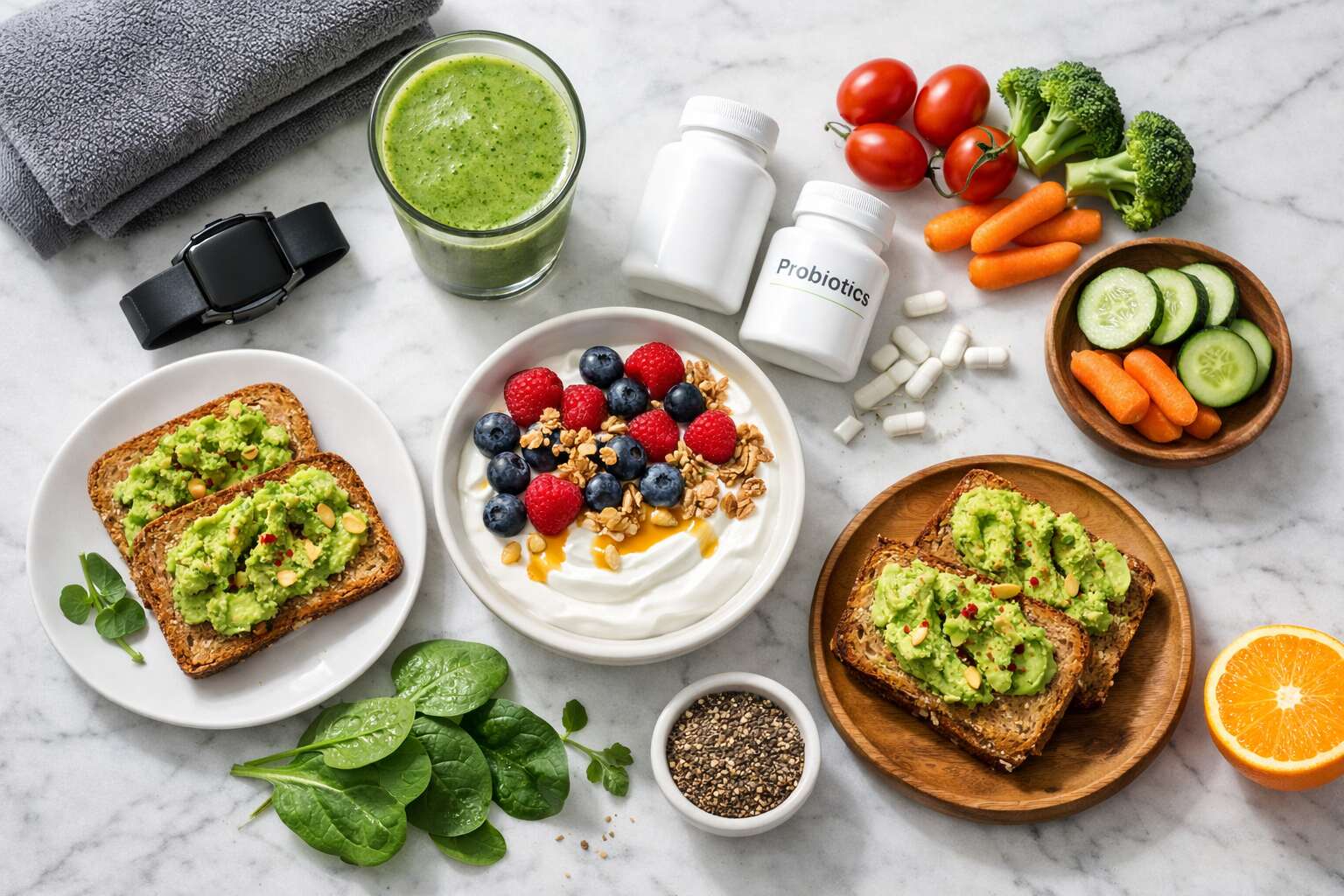
If you’re serious about your fitness journey, you know that performance isn’t just about what happens in the gym. Your digestive health plays a crucial role in nutrient absorption, energy levels, and recovery. While it might seem uncomfortable to discuss, monitoring your stool is one of the most effective ways to assess your gut health and ensure you’re getting the most from your nutrition plan.
Research published in the World Journal of Gastroenterology confirms that stool characteristics serve as valuable biomarkers for gastrointestinal health and can indicate everything from nutrient malabsorption to serious medical conditions. As an athlete or fitness enthusiast, understanding these signals helps you optimize your body’s ability to fuel and repair itself.
Understanding the Warning Signs
Your digestive system is remarkably efficient at communicating problems. Here are six stool types that warrant attention:
Red or Blood-Tinged Stool
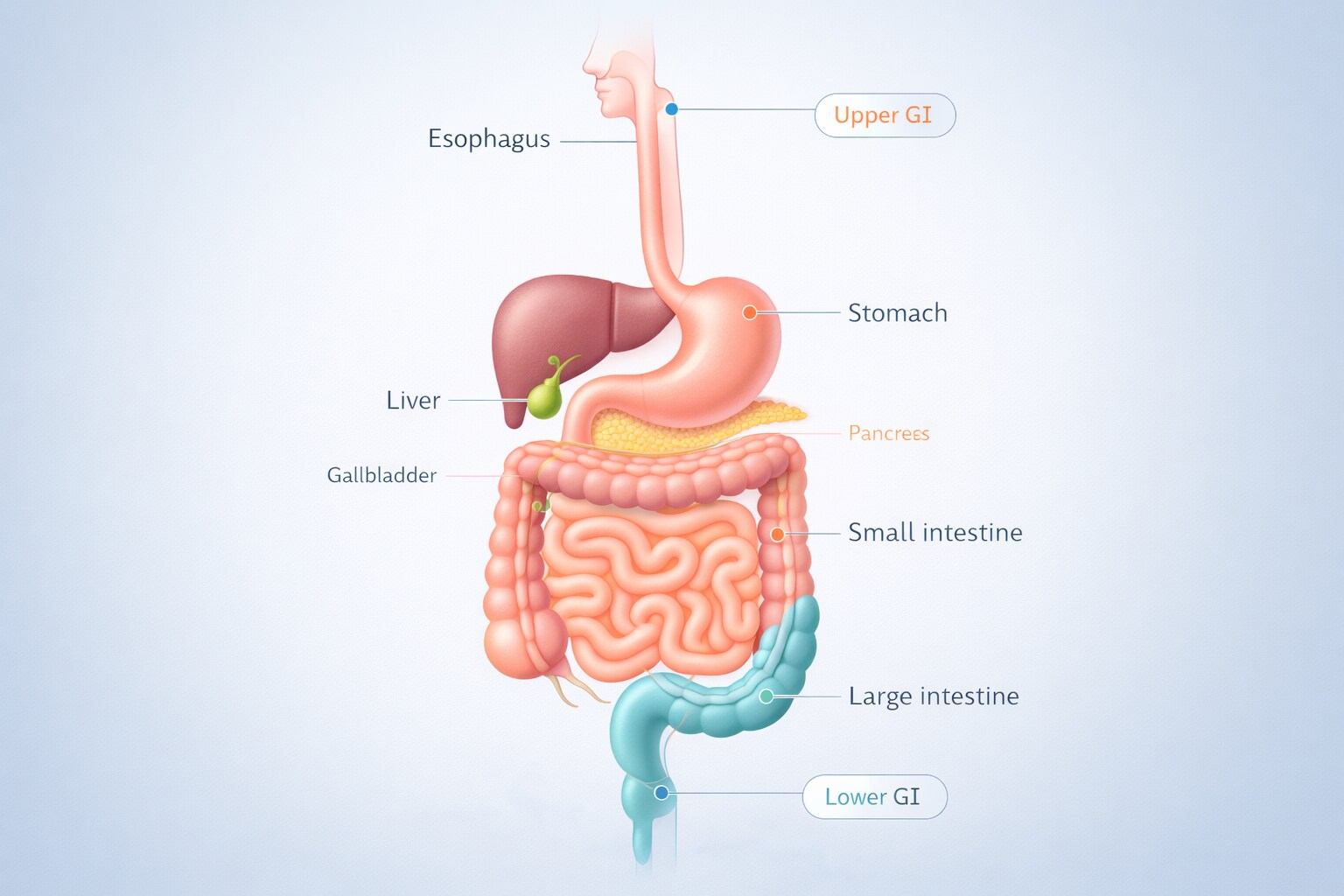
Before panicking, consider whether you’ve recently consumed beets, which can temporarily color your stool red. However, if you haven’t, red-tinged stool typically indicates bleeding in the lower gastrointestinal tract, according to the American Journal of Gastroenterology. This can stem from hemorrhoids, anal fissures, inflammatory bowel disease, or in rare cases, colorectal polyps or cancer.
Action Step: Schedule an appointment with a gastroenterologist for proper evaluation and colonoscopy if recommended.
Black or Tarry Stool
Black, tar-like stool usually signals bleeding in the upper digestive tract. The blood appears black because it’s been digested and oxidized as it travels through your system. Common causes include peptic ulcers, gastritis, esophageal tears, or certain medications like iron supplements and bismuth subsalicylate (Pepto-Bismol).
A study in Alimentary Pharmacology & Therapeutics notes that upper GI bleeding can lead to significant iron loss, potentially impacting athletic performance through reduced oxygen-carrying capacity.
Action Step: Seek immediate medical attention, especially if accompanied by weakness, dizziness, or rapid heart rate.
Consistently Loose Stool
Occasional diarrhea after a questionable meal is normal, but chronic loose stools lasting more than two weeks indicate underlying issues. Research from the Journal of Clinical Gastroenterology identifies common culprits including irritable bowel syndrome (IBS), celiac disease, lactose intolerance, and certain medications.
For athletes, chronic diarrhea is particularly concerning as it impairs nutrient absorption and hydration status. Studies show that malabsorption can reduce protein synthesis by up to 30%, directly impacting muscle recovery and growth.
Action Step: Track your symptoms for two weeks, noting food triggers. Consult a healthcare provider for proper diagnosis and potential elimination diet protocols.
Pale or Clay-Colored Stool
Bile, produced by your liver and stored in your gallbladder, gives stool its characteristic brown color. Pale or clay-colored stool suggests reduced bile production or blocked bile flow, potentially indicating liver dysfunction, gallstones, hepatitis, or bile duct obstruction.
According to the Hepatology Research Journal, bile acids are essential for fat-soluble vitamin absorption (A, D, E, K), critical nutrients for hormone production and bone health in active individuals.
Action Step: This requires prompt medical evaluation, including liver function tests and imaging.

Floating Stool
Occasional floating stool is normal, but persistent floating indicates excess gas production or fat malabsorption. Research in Nutrients journal explains that this occurs when dietary fats aren’t properly broken down and absorbed, often due to pancreatic insufficiency, celiac disease, or chronic pancreatitis.
For fitness enthusiasts consuming higher-fat diets for sustained energy, malabsorption means you’re not getting the calories or essential fatty acids you’re paying for.
Action Step: Monitor for two weeks. If persistent, reduce dietary fat temporarily and consult a gastroenterologist about pancreatic enzyme testing.
Green Stool
Green stool typically results from rapid intestinal transit, preventing bile from being fully processed. When food moves too quickly through your digestive tract—often due to bacterial infections, food poisoning, or IBS—bile remains green instead of turning brown. Certain foods high in chlorophyll (spinach, kale, spirulina) and iron supplements can also cause temporary greening.
Action Step: Usually resolves on its own. Stay hydrated and monitor for other symptoms like fever or severe cramping.
Optimizing Digestive Health for Peak Performance
Your gut health directly influences training outcomes. Here’s how to support optimal digestion:
Practice Mindful Eating
Research in Appetite journal shows that eating slowly reduces air intake and improves satiety signals, preventing overeating and digestive discomfort. Aim for 20-30 minutes per meal, chewing each bite thoroughly.
Time Your Meals Strategically
Consume larger meals during your body’s peak digestive hours (morning through early afternoon). A study in Cell Metabolism found that eating aligned with circadian rhythms improves nutrient absorption by up to 15%. Avoid heavy meals 3 hours before bedtime to prevent acid reflux and disrupted sleep.
Smaller, Frequent Meals
For athletes with high caloric needs, 5-6 smaller meals (rather than 3 large ones) can reduce bloating and improve nutrient uptake. The International Journal of Sport Nutrition and Exercise Metabolism recommends this approach for optimizing protein synthesis throughout the day.
Manage Training Stress
Chronic stress elevates cortisol, which diverts blood flow from digestive organs and slows gut motility. A meta-analysis in Neurogastroenterology & Motility confirms that stress management techniques like meditation and deep breathing significantly improve IBS symptoms and overall gut function.
Incorporate Probiotics
Gut microbiome diversity is essential for immune function, inflammation control, and nutrient synthesis. Research in Sports Medicine demonstrates that athletes supplementing with probiotics (10-20 billion CFU daily) experience reduced GI distress and faster recovery.
Best Sources: Plain Greek yogurt, kefir, sauerkraut, kimchi, kombucha, and quality probiotic supplements containing Lactobacillus and Bifidobacterium strains.
Hydration Matters
Adequate water intake (minimum 3-4 liters daily for active individuals) is essential for proper digestion and stool formation. The European Journal of Clinical Nutrition notes that even mild dehydration impairs nutrient absorption and contributes to constipation.
The Bottom Line
Your stool provides valuable feedback about digestive efficiency and overall health. As someone committed to fitness, paying attention to these signals helps you identify nutrient absorption issues, food intolerances, and potential health concerns before they impact performance.
Don’t ignore persistent changes in stool characteristics. While discussing bathroom habits may feel awkward, your digestive health is fundamental to achieving your fitness goals. When your gut functions optimally, you absorb more nutrients, recover faster, and perform better.
Disclaimer: This article is for informational purposes only and does not constitute medical advice. Always consult qualified healthcare professionals for diagnosis and treatment of digestive concerns. Persistent changes in stool characteristics, especially bleeding, should be evaluated immediately by a gastroenterologist.
References:
- World Journal of Gastroenterology (2019). “Stool characteristics as biomarkers of gastrointestinal disease”
- American Journal of Gastroenterology (2020). “Lower GI bleeding: Diagnosis and management”
- Journal of Clinical Gastroenterology (2021). “Chronic diarrhea in adults: Evaluation and differential diagnosis”
- Nutrients (2020). “Fat malabsorption and steatorrhea: Clinical implications”
- Cell Metabolism (2019). “Circadian rhythms and nutrient absorption”
- Sports Medicine (2021). “Probiotic supplementation in athletes: A systematic review”