

Why Most Fitness Resolutions Fail (And How Yours Won’t)
You’ve been here before. January 1st arrives with excitement and determination—this year will be different. You commit to hitting the gym five days a week, completely overhauling your diet, and finally achieving that body transformation you’ve been dreaming about. But by February, the motivation fades, and you’re back to square one.
You’re not alone. Research published in the Journal of Clinical Psychology reveals that only 46% of people who make New Year’s resolutions are successful after six months, with fitness goals being among the most commonly abandoned. But here’s the good news: understanding why resolutions fail is your first step toward creating ones that actually stick.
The Science Behind Sustainable Goal Setting
Your brain isn’t wired for dramatic overnight changes. According to research from the European Journal of Social Psychology, it takes an average of 66 days to form a new habit—not the commonly cited 21 days. This means your fitness resolution needs a strategic, science-backed approach rather than relying on willpower alone.
The American College of Sports Medicine emphasizes that successful behavior change requires three critical elements: specific goals, realistic timelines, and built-in accountability systems. When you understand these principles, you can engineer your resolutions for success from day one.
The SMART Framework for Fitness Goals
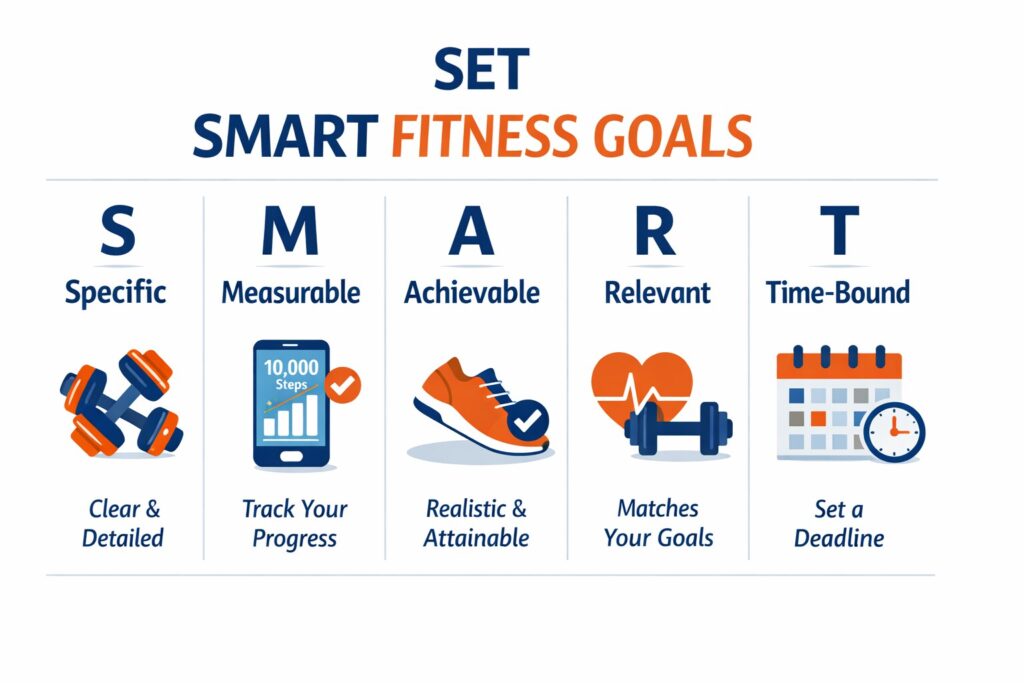
Transform vague aspirations into actionable targets using the SMART methodology:
Specific: Instead of “get in shape,” define exactly what that means. “Complete a 5K run” or “deadlift my body weight” gives you a clear target.
Measurable: Attach numbers to your goals. Track workouts completed, weight lifted, or body measurements rather than relying on subjective feelings.
Achievable: A study in Health Psychology Review found that setting moderately difficult goals produces better long-term adherence than either easy or extremely challenging goals. Push yourself, but stay realistic.
Relevant: Your fitness goal should align with your lifestyle and deeper values. If you hate running, training for a marathon isn’t the answer—find activities you genuinely enjoy.
Time-bound: Set milestone dates. Research shows that having a deadline increases commitment and follow-through by creating urgency.
Start Small, Win Big
Here’s where most people go wrong: they try to change everything at once. A comprehensive review in Behavioral Medicine demonstrates that incremental changes produce significantly better long-term results than dramatic overhauls.

Begin with “minimum viable workouts”—sessions so simple you can’t say no. Maybe that’s 10 minutes of movement daily, two strength sessions weekly, or replacing one processed meal with whole foods. Once these become automatic, gradually increase intensity and frequency.
Your initial goal should feel almost too easy. This creates early wins that build confidence and momentum. The neuroscience is clear: success breeds success by releasing dopamine, which reinforces the behavior and makes you want to repeat it.
Build Your Support System
Social support isn’t just motivational fluff—it’s scientifically proven to enhance exercise adherence. A meta-analysis in Psychology of Sport and Exercise found that individuals with workout partners or accountability systems are 95% more likely to maintain their fitness routines over six months.
Create multiple accountability layers: find a training partner, join fitness communities online, hire a coach, or simply share your progress on social media. The Journal of Consulting and Clinical Psychology reports that public commitment significantly increases follow-through rates.
Track Progress Beyond the Scale
The scale is a liar. It doesn’t show muscle gained, strength increased, or endurance improved. Diversify your success metrics to maintain motivation through inevitable plateaus.
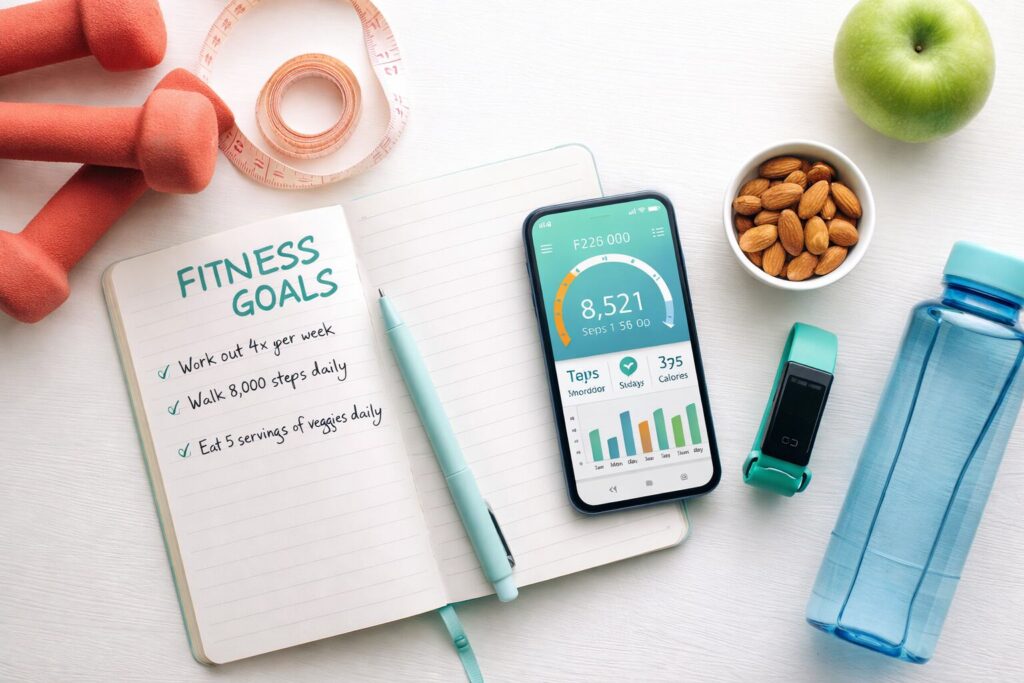
Track workout consistency, progressive overload (weight lifted over time), how your clothes fit, energy levels throughout the day, and performance benchmarks like how many push-ups you can complete or how fast you run a mile. Research from the American Journal of Preventive Medicine demonstrates that self-monitoring is one of the strongest predictors of weight loss and fitness success.
The Power of Implementation Intentions
Simply setting a goal isn’t enough. You need implementation intentions—specific “if-then” plans that remove decision-making barriers. Research by psychologist Peter Gollwitzer shows this strategy doubles success rates.
Create concrete plans: “If it’s Monday at 6 AM, then I go to the gym before work” or “If I feel like skipping my workout, then I do just 10 minutes instead.” These pre-decided responses eliminate the mental negotiation that kills motivation.
Prepare for Setbacks
Perfection is the enemy of progress. You will miss workouts. You will have off weeks. The difference between those who succeed and those who quit is how they respond to setbacks.
Research in Health Psychology shows that self-compassion—treating yourself kindly after failures—predicts better long-term adherence than self-criticism. When you stumble, acknowledge it without judgment and simply resume your routine. One missed workout doesn’t erase weeks of progress.
Your Resolution Action Plan
This year, commit to the process, not just the outcome. Focus on becoming someone who exercises regularly rather than solely pursuing a specific physique. Identity-based goals, as outlined in behavioral psychology research, create lasting change because they transform how you see yourself.
Start today with one small action. Schedule your first workout. Prep tomorrow’s healthy meals. Find your accountability partner. The best time to begin was yesterday. The second best time is right now.
Disclaimer: This article provides general fitness information and motivation strategies. Consult with healthcare providers or certified fitness professionals before beginning any new exercise program, especially if you have pre-existing health conditions or concerns.