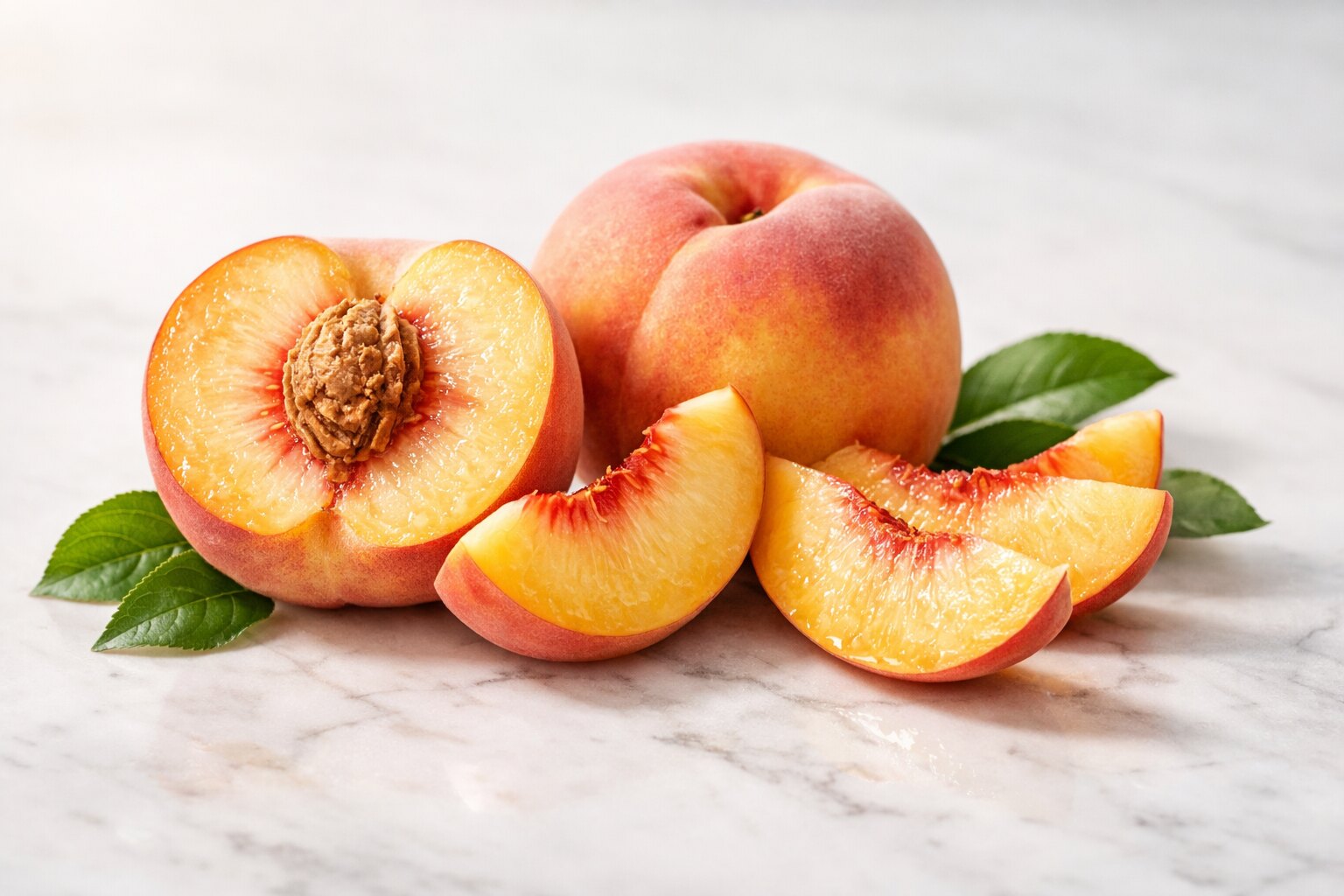
When athletes think about performance nutrition, peaches rarely top the list. They should. Prunus persica delivers a concentrated package of vitamins, antioxidants, and gut-supporting fiber that directly supports recovery, inflammation control, and body composition — all in a fruit that’s roughly 60 calories per serving.
Nutritional Profile at a Glance
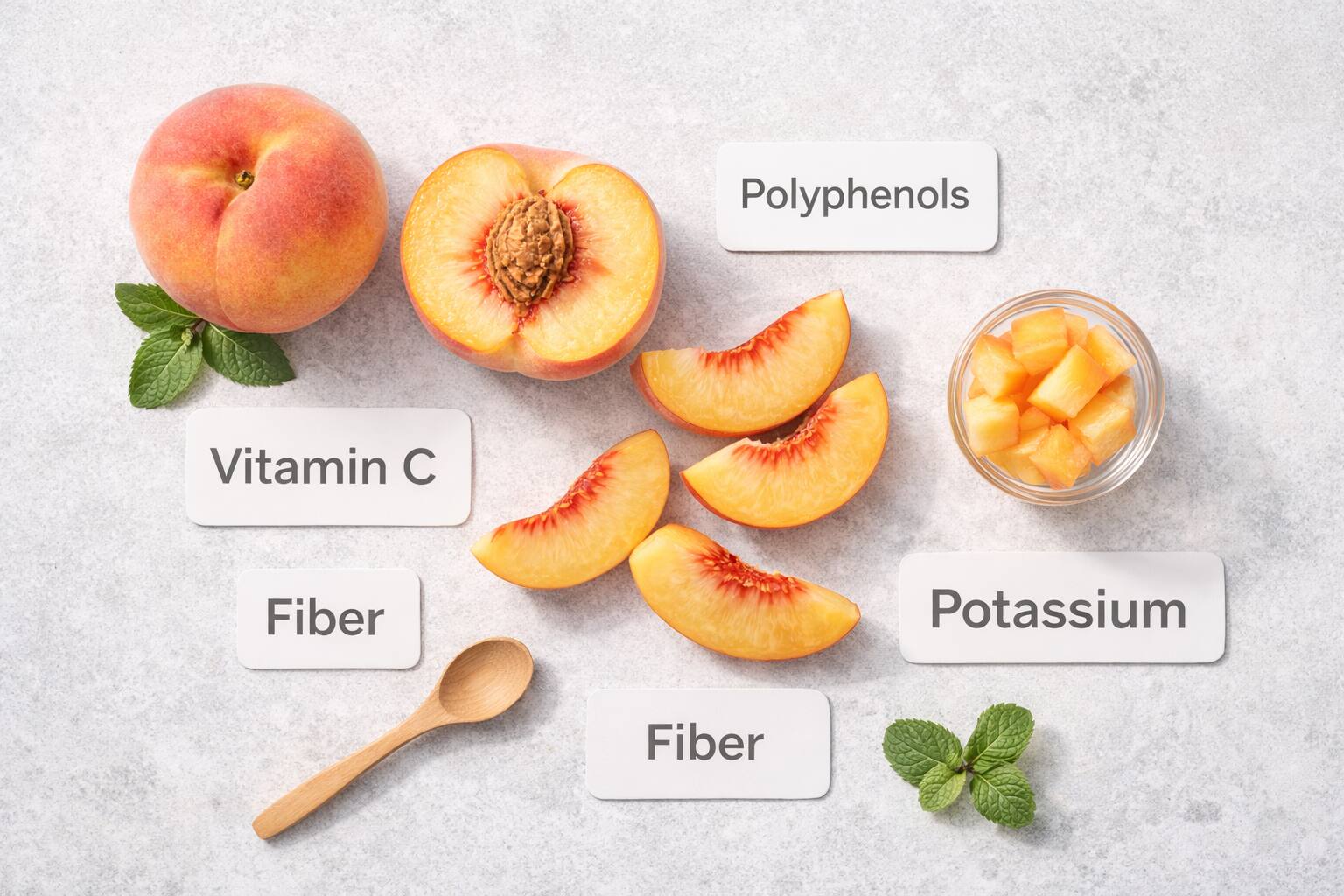
A medium peach (150g) provides:
- Calories: ~60 kcal
- Carbohydrates: 14–15g (primarily natural sugars and fiber)
- Dietary Fiber: 2.3g (soluble and insoluble)
- Protein: ~1.4g
- Vitamin C: ~11% DV
- Vitamin A: ~10% DV
- Vitamin K: ~5% DV
- Potassium: ~285mg (~8% DV)
Source: USDA FoodData Central (2024)
Why Peaches Work for Active Bodies
Antioxidant Defense After Hard Training
Intense exercise generates oxidative stress that can delay recovery and impair performance. Peaches are rich in polyphenols — including chlorogenic acid and catechins — that neutralize free radicals and reduce exercise-induced cellular damage. A 2018 review published in Nutrients confirmed that polyphenol-rich fruits significantly reduce markers of oxidative stress in athletic populations. Vitamin A and vitamin K add further antioxidant and anti-inflammatory support, making peaches a useful post-workout food choice.
Gut Health and Digestive Efficiency
Peaches contain both soluble and insoluble fiber, each serving a distinct performance-relevant role. Soluble fiber acts as a prebiotic — feeding beneficial gut bacteria that regulate immune function and nutrient absorption. Insoluble fiber supports digestive transit, keeping your gut operating efficiently during periods of high training volume. Research published in Frontiers in Nutrition (2021) links prebiotic fiber intake to improved gut microbiome diversity and reduced systemic inflammation in athletes.
Body Composition and Appetite Control
At roughly 60 calories per fruit, peaches offer meaningful volume and satiety per calorie — a useful tool for athletes managing body weight without sacrificing micronutrient intake. Their natural sugars provide a low-to-moderate glycemic carbohydrate source, making them a practical option as a pre-workout snack or post-workout recovery addition without spiking blood sugar sharply.

How to Use Peaches in Your Nutrition Plan
Daily Recommendation: 1–2 medium peaches per day to obtain meaningful polyphenol, fiber, and micronutrient intake without excessive carbohydrate loading.
Optimal Timing:
- Pre-workout (60–90 min before): Pair with a protein source for sustained energy
- Post-workout: Add to a smoothie or Greek yogurt bowl alongside whey protein for a recovery-focused meal
- Between meals: Whole fruit for appetite control and micronutrient support
Practical Combinations:
- Sliced peach + cottage cheese + honey (high-protein recovery snack)
- Blended peach + Greek yogurt + oats (pre-session fuel)
- Diced peach + arugula + walnuts + balsamic (anti-inflammatory athlete salad)

One Caution Worth Noting
Peaches are relatively high in potassium (~285mg per fruit). For most athletes this is beneficial — potassium supports muscle contraction and electrolyte balance. However, individuals with kidney disease or those managing potassium intake under medical supervision should moderate consumption. If you’re consuming 3+ servings of potassium-rich foods daily, consult a registered dietitian.
The Bottom Line
Peaches are a low-calorie, high-utility fruit for athletes and active individuals. Their combination of polyphenols, prebiotic fiber, and key micronutrients supports inflammation management, gut efficiency, and lean body composition. One to two peaches daily — timed strategically around training — gives you a practical, food-first tool to support recovery and overall performance.
Disclaimer: This article is intended for informational purposes only and does not constitute medical or nutritional advice. Consult a qualified healthcare professional or registered dietitian before making significant changes to your diet, particularly if you have an existing health condition.
References:
- USDA FoodData Central. Peaches, raw. (2024). fdc.nal.usda.gov
- Pereira, C. et al. (2018). Polyphenols and Exercise-Induced Oxidative Stress. Nutrients, 10(12), 1870.
- Dahl, W.J. et al. (2021). Prebiotic Fiber and Gut Microbiome Diversity in Athletes. Frontiers in Nutrition, 8, 637781.