

Your metabolism isn’t broken — it’s shifting. After 30, the gradual loss of lean muscle mass (a process called sarcopenia) reduces your resting metabolic rate by roughly 1–2% per decade, according to research published in the Journal of Clinical Endocrinology & Metabolism. The good news: targeted nutrition, structured training, and a few evidence-based lifestyle habits can reverse the trend. Here’s how to keep your metabolic engine running at full capacity.

Prioritise Protein at Every Meal
Protein carries one of the highest thermic effects of any macronutrient — your body burns 20–30% of protein’s calories simply digesting it, compared to 5–10% for carbohydrates and 0–3% for fat (Nutrition & Metabolism, 2004). Aim for 1.6–2.2 g of protein per kilogram of bodyweight daily if you’re actively training. Quality sources include Greek yogurt, chicken breast, legumes, eggs, and fatty fish.
Practical tip: Distribute your intake evenly across 3–4 meals rather than back-loading at dinner. A 2009 study in the American Journal of Clinical Nutrition showed that even protein distribution across the day maximises muscle protein synthesis.
Train Smart: Strength + HIIT

Resistance training is the most reliable long-term metabolism booster. Each kilogram of lean muscle mass burns approximately 13 kcal per day at rest (European Journal of Clinical Nutrition, 2002). Building even 2–3 kg of muscle can meaningfully raise your baseline calorie burn.
Complement strength work with high-intensity interval training (HIIT). Research in the Journal of Obesity (2011) demonstrated that HIIT elevates post-exercise oxygen consumption (EPOC) — the so-called afterburn effect — significantly more than steady-state cardio, extending calorie burn for up to 24 hours post-session.
Protocol to try: 3 strength sessions per week + 2 HIIT sessions of 20–25 minutes each.
Fuel Your Metabolism With These Key Nutrients

Several specific nutrients play measurable roles in metabolic function:
- Vitamin D: An estimated 41% of U.S. adults are deficient (Nutrition Research, 2011). Low Vitamin D is independently linked to obesity and metabolic syndrome. Supplement with 1,000–2,000 IU daily if sun exposure is limited; food sources include egg yolks, fatty fish, and fortified dairy.
- Caffeine: Shown to increase metabolic rate by 3–11% and improve exercise performance by up to 12% in a dose of 3–6 mg/kg bodyweight (International Journal of Sport Nutrition and Exercise Metabolism, 2010).
- Capsaicin (from peppers): Promotes diet-induced thermogenesis (DIT), increasing oxygen consumption post-ingestion (Bioscience Reports, 2017).
- Soluble fibre: Improves insulin sensitivity and reduces inflammatory markers associated with metabolic syndrome (Nutrients, 2019). Target 25–38 g of dietary fibre daily.
Sleep, Hydration, and Recovery
These are often the missing variables in metabolic optimisation. Sleep deprivation disrupts insulin sensitivity and elevates ghrelin (your hunger hormone), creating a cascade of overeating and reduced calorie processing. The Annals of Internal Medicine (2010) found that even two weeks of partial sleep restriction significantly reduced fat loss during caloric restriction. Aim for 7–9 hours per night.
On hydration: a study published in The Journal of Clinical Endocrinology & Metabolism (2003) found that drinking 500 ml of cold water increased metabolic rate by approximately 30% for up to 60 minutes post-consumption. Carry a water bottle. Track your intake. Hit at least 2.5–3.5 litres per day depending on activity level.
Post-Workout Refuelling
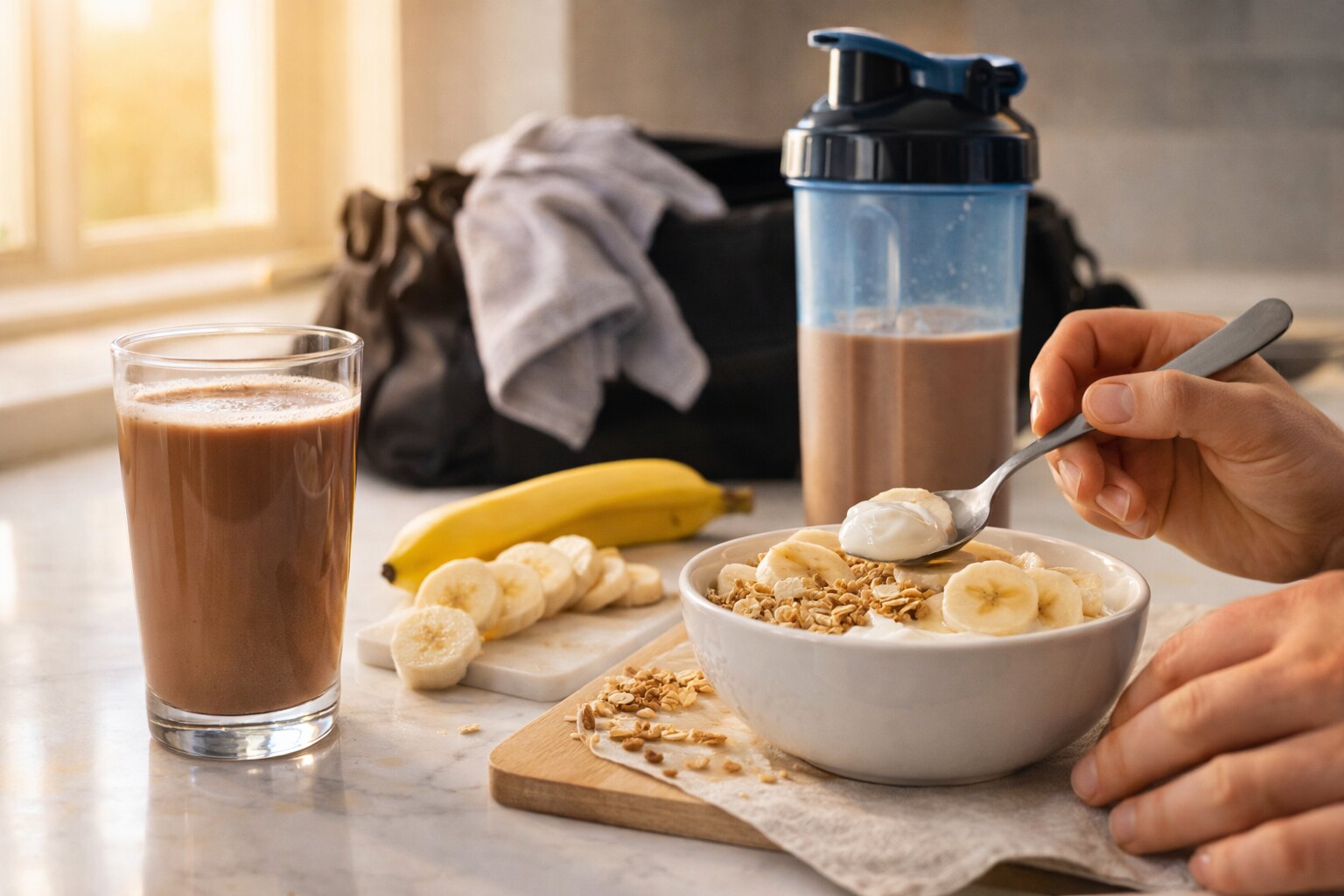
Within 30 minutes of training, your muscles are primed to uptake glycogen and amino acids. A combination of fast-digesting protein (20–40 g) and moderate carbohydrates accelerates recovery. Chocolate milk, Greek yogurt with fruit, or a whey protein shake with a banana are all well-supported options (Journal of Strength and Conditioning Research, 2013).
The Bottom Line
Metabolic decline after 30 is real, but it is not inevitable. Prioritising protein, building and preserving muscle, leveraging the thermic effect of exercise, and optimising sleep and hydration are the most evidence-backed levers available to you. Pick two or three strategies to implement this week and build from there.
Disclaimer: This article is for informational purposes only and does not constitute medical advice. Consult a qualified healthcare professional before making significant changes to your diet, supplementation, or exercise routine, particularly if you have an existing health condition.