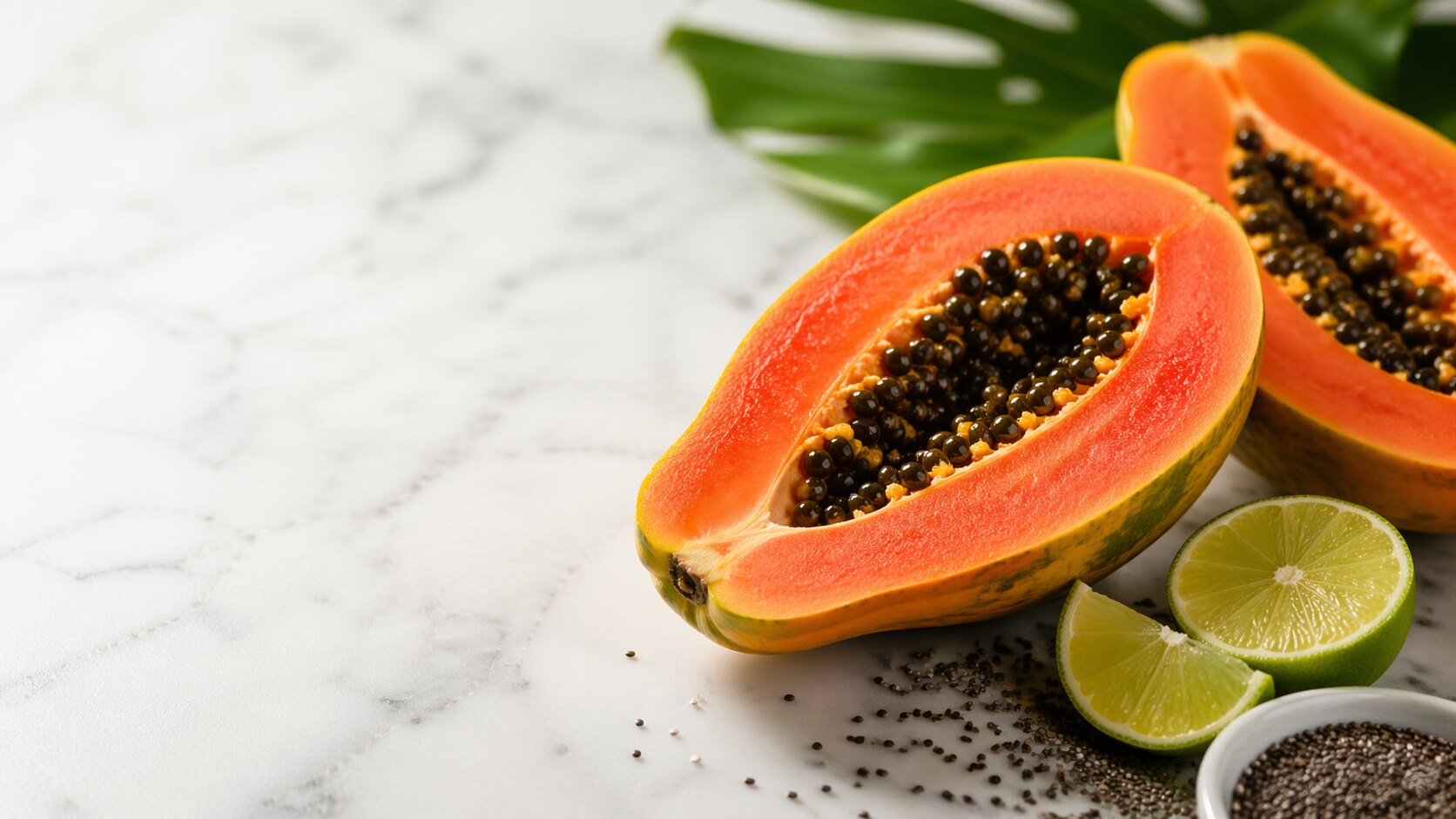
If you’re serious about recovery and performance, your post-workout nutrition deserves more than a protein shake. Papaya — the vibrant tropical fruit native to Central America and southern Mexico — packs a unique combination of enzymes, antioxidants, and micronutrients that directly support muscle repair, digestion, and oxidative stress management. Here’s what the science says about making it a staple in your active lifestyle.
Nutritional Profile at a Glance
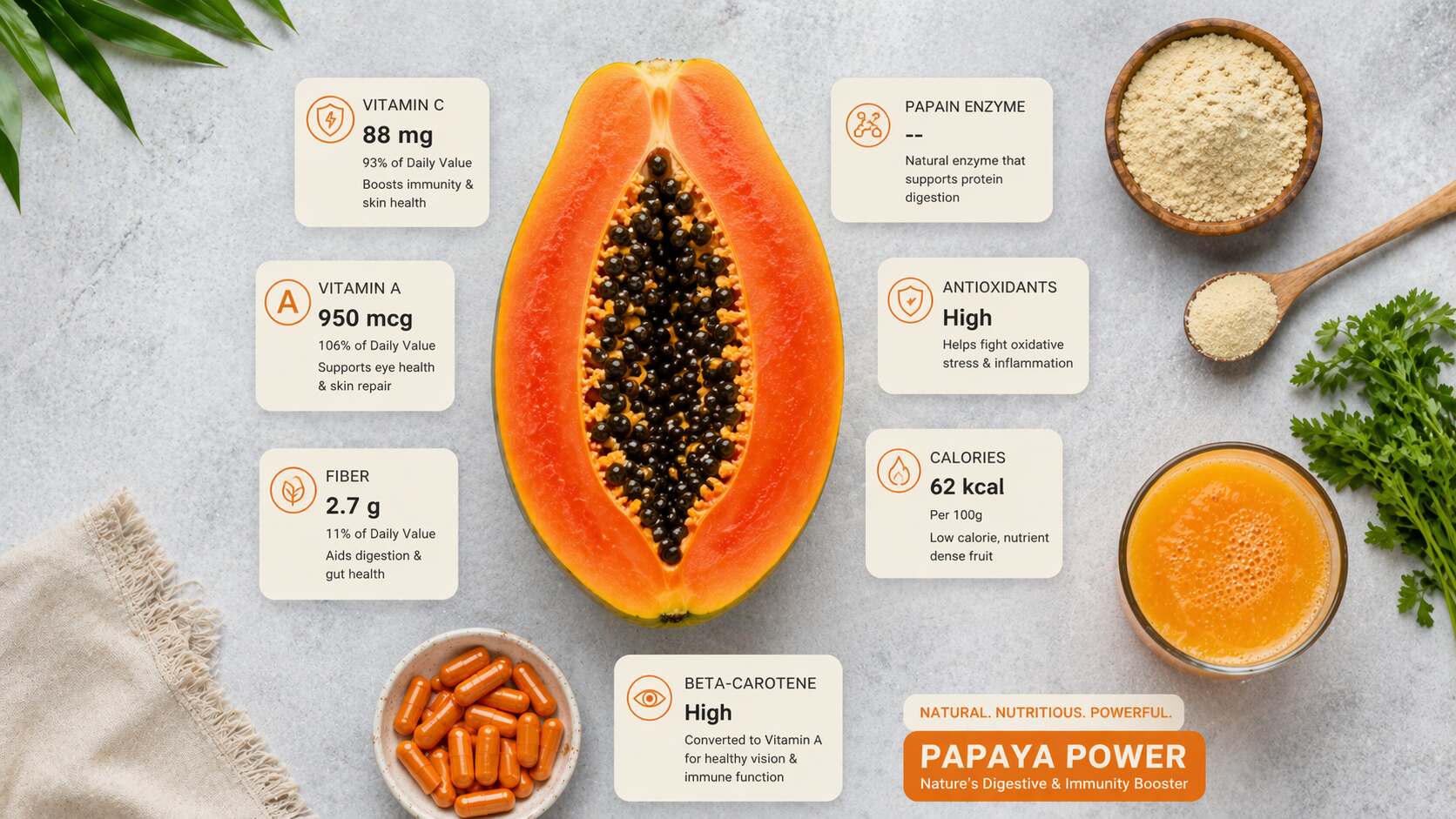
Per 100g of fresh papaya (USDA FoodData Central):
- Calories: 43 kcal
- Total Carbohydrates: 11g
- Dietary Fiber: 1.7g
- Natural Sugars: 7.8g
- Protein: 0.5g
- Total Fat: 0.3g
- Vitamin C: 62mg (69% DV)
- Folate: 37mcg (9% DV)
- Potassium: 182mg
Note: Dried papaya is significantly more calorie-dense (~206 kcal per 100g) due to water removal — fresh fruit is the preferred form for athletes monitoring energy intake.
Why Athletes Should Pay Attention
1. Enzymatic Digestive Support
Papaya contains papain, a proteolytic enzyme that breaks down dietary protein into more bioavailable peptides. A study published in Nutrients (2013) found that papain-based enzyme supplements improved protein digestion efficiency, particularly relevant for athletes consuming high-protein diets who experience bloating or GI discomfort post-meal. One cup (~145g) of cubed fresh papaya delivers a meaningful dose of this enzyme without supplementation.
2. Antioxidant Defense Against Exercise-Induced Oxidative Stress
Intense training generates reactive oxygen species (ROS) that contribute to muscle damage and delayed recovery. Papaya is rich in lycopene, beta-carotene, and Vitamin C — carotenoids and ascorbic acid that neutralize free radicals. Research in the Journal of Nutritional Science and Vitaminology demonstrated that carotenoid-rich diets significantly reduced oxidative stress markers in physically active individuals. A 150g serving of papaya provides approximately 93mg of Vitamin C — exceeding the RDA in a single sitting.
3. Anti-Inflammatory Support
Lycopene, a red-pigmented carotenoid abundant in papaya, has demonstrated anti-inflammatory properties in peer-reviewed literature. A meta-analysis in Nutrients (2021) linked higher lycopene intake to reduced levels of C-reactive protein (CRP), a key inflammatory biomarker elevated after strenuous exercise. Incorporating papaya regularly may help blunt the chronic low-grade inflammation associated with heavy training loads.
Practical Recommendations for Active Individuals
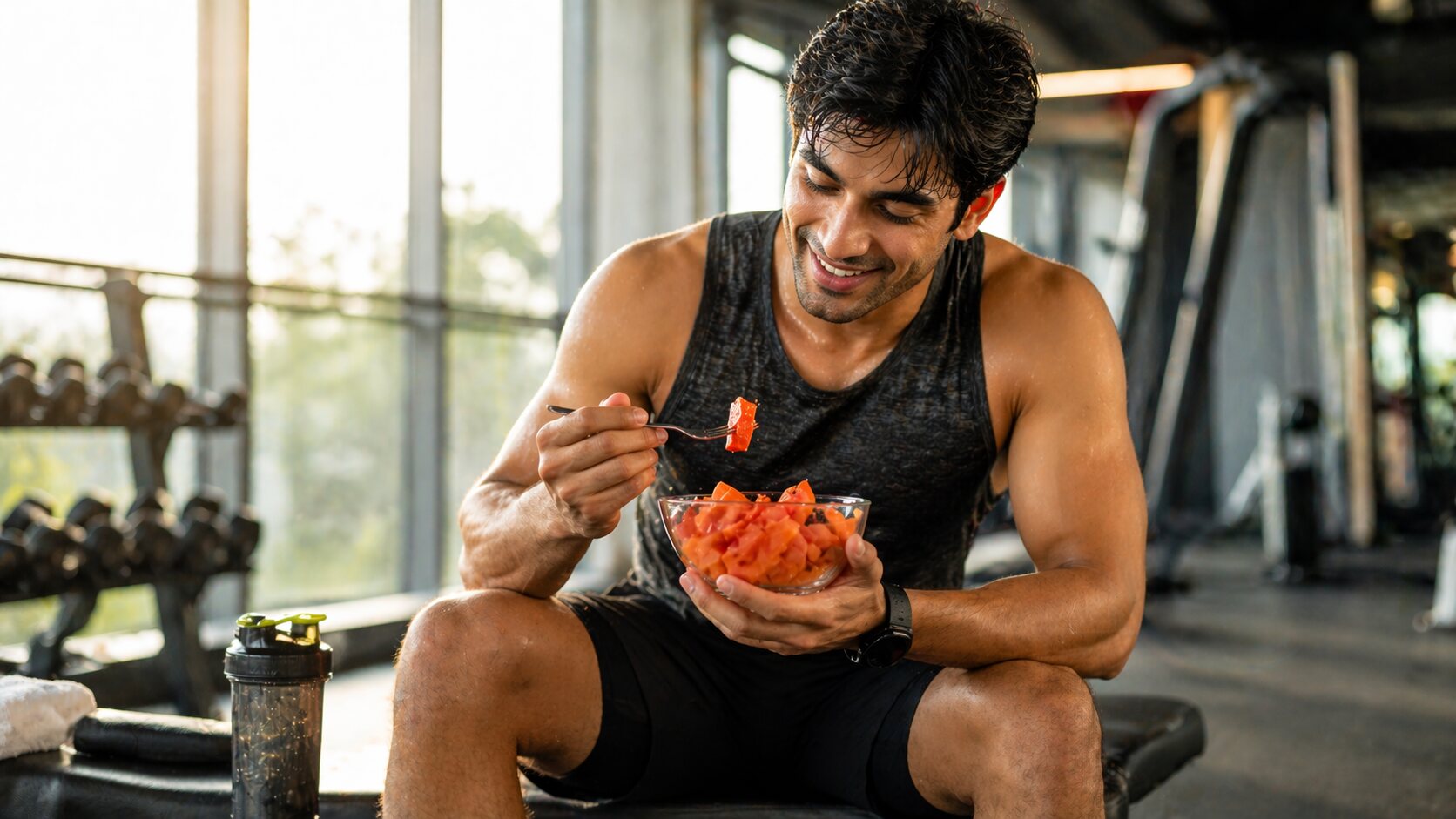
- Serving size: 1–1.5 cups (145–218g) of fresh papaya per day
- Best timing: Post-workout alongside your protein source — papain may enhance protein absorption during the critical recovery window
- Pairing tip: Combine with Greek yogurt, whey protein, or cottage cheese for a recovery-optimized snack
- Smoothie option: Blend 150g papaya + 1 scoop whey + 200ml coconut water for a tropical recovery shake
Preparation and Recipe Ideas
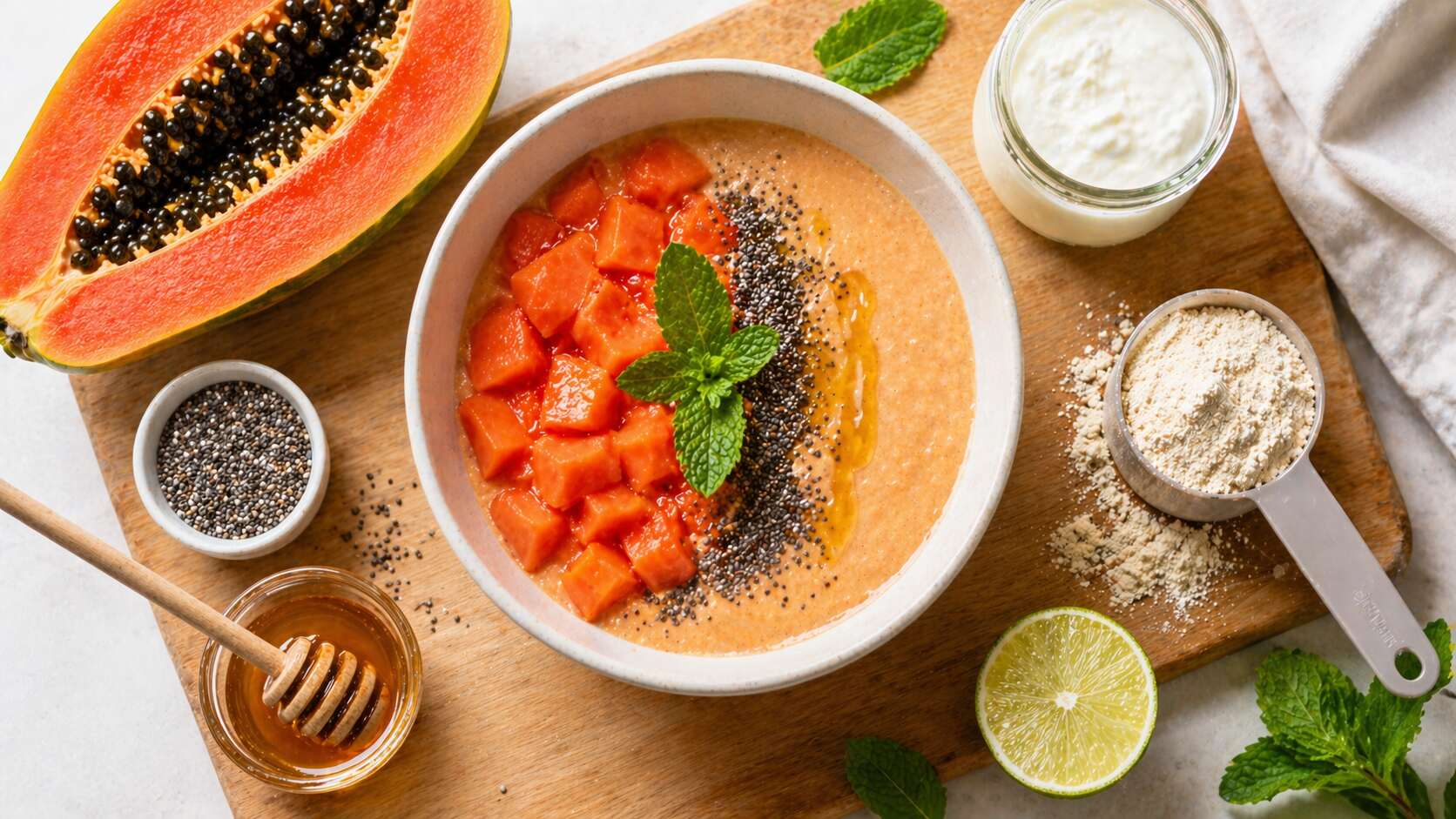
Papaya Recovery Bowl
- 1 cup diced fresh papaya
- ½ cup low-fat Greek yogurt (17g protein)
- 1 tbsp chia seeds (fiber + omega-3s)
- A squeeze of lime juice (enhances iron absorption)
- Optional: 1 tbsp honey for additional fast-acting carbohydrates post-training
This bowl delivers approximately 25g protein (with added yogurt), 30g carbohydrates, and a robust antioxidant load — an ideal post-workout meal.
Cautions and Contraindications
- Latex allergy: Papaya — particularly unripe papaya — contains latex-like compounds. Individuals with known latex sensitivity should exercise caution or avoid it entirely.
- Digestive sensitivity: High fiber intake from papaya (especially in large quantities) may cause gas or bloating. Start with 100–150g servings if you have a sensitive GI tract.
- Esophageal concern: Unripe papaya contains concentrated papain, which in excessive amounts may irritate the esophagus. Stick to fully ripe fruit for daily consumption.
- Pregnancy: High doses of unripe papaya are contraindicated during pregnancy due to concentrated papain content.
The Bottom Line
Papaya earns its place in an athlete’s diet through its enzymatic digestive support, meaningful antioxidant content, and anti-inflammatory carotenoid profile. Keep portions to 1–1.5 cups of ripe, fresh fruit daily and time it around your training for maximum recovery benefit.
Sources
- USDA FoodData Central. Papayas, raw. fdc.nal.usda.gov
- Taussig SJ, Batkin S. (1988). Bromelain, the enzyme complex of pineapple and its clinical application. Journal of Ethnopharmacology.
- Schweiggert RM, et al. (2014). Carotenoids are more bioavailable from papaya than from tomato. British Journal of Nutrition.
- Trejo-Solís C, et al. (2021). Lycopene and inflammation: A systematic review. Nutrients.
- Pasko P, et al. (2013). Enzymatic protein hydrolysis and digestibility. Nutrients.
Disclaimer: This article is intended for informational purposes only and does not constitute medical or dietary advice. Consult a registered dietitian or healthcare professional before making significant changes to your nutrition plan, particularly if you have existing health conditions or allergies.