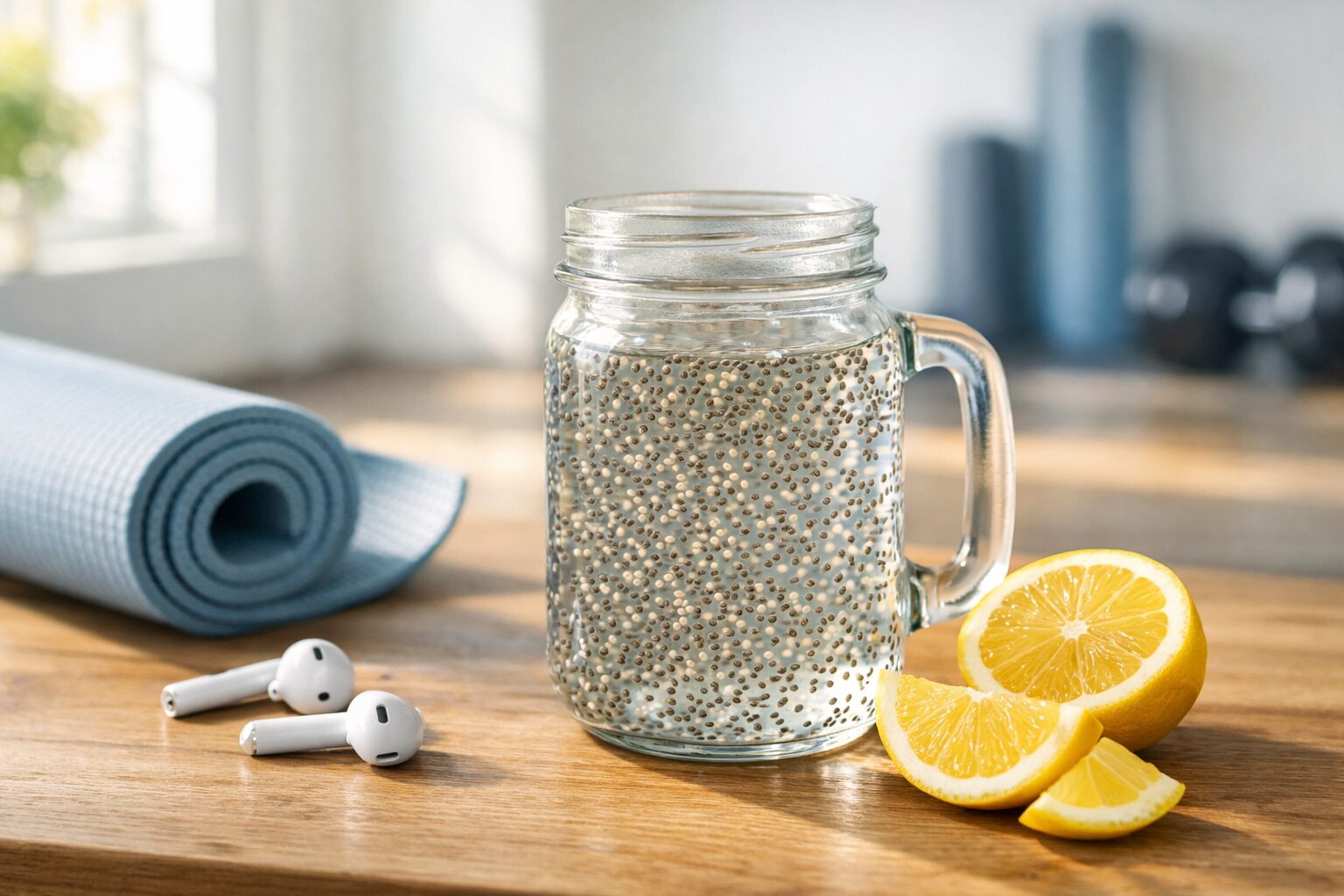
Looking for a simple pre-workout hydration hack that supports your training goals? Chia seed water has emerged as a go-to beverage among fitness enthusiasts, combining hydration with sustained energy and appetite control. But does this trending drink actually deliver performance benefits, or is it just another wellness fad?
What Makes Chia Seeds a Fitness Powerhouse
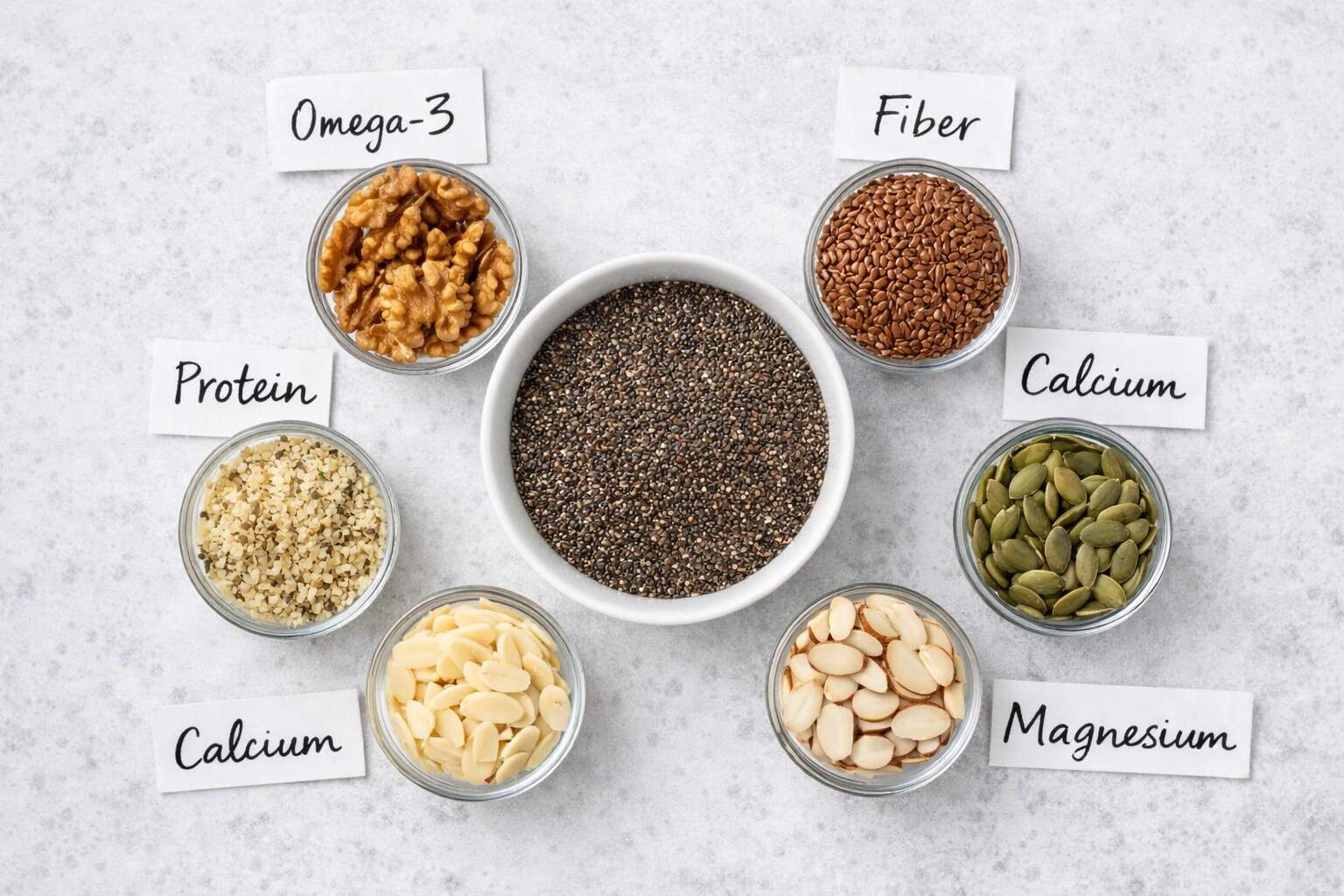
Chia seeds (Salvia hispanica) pack an impressive nutritional punch in their tiny black and white shells. These ancient seeds deliver a complete profile of performance-supporting nutrients: 4 grams of protein per ounce, 11 grams of fiber, and substantial amounts of omega-3 fatty acids, calcium, magnesium, and phosphorus.
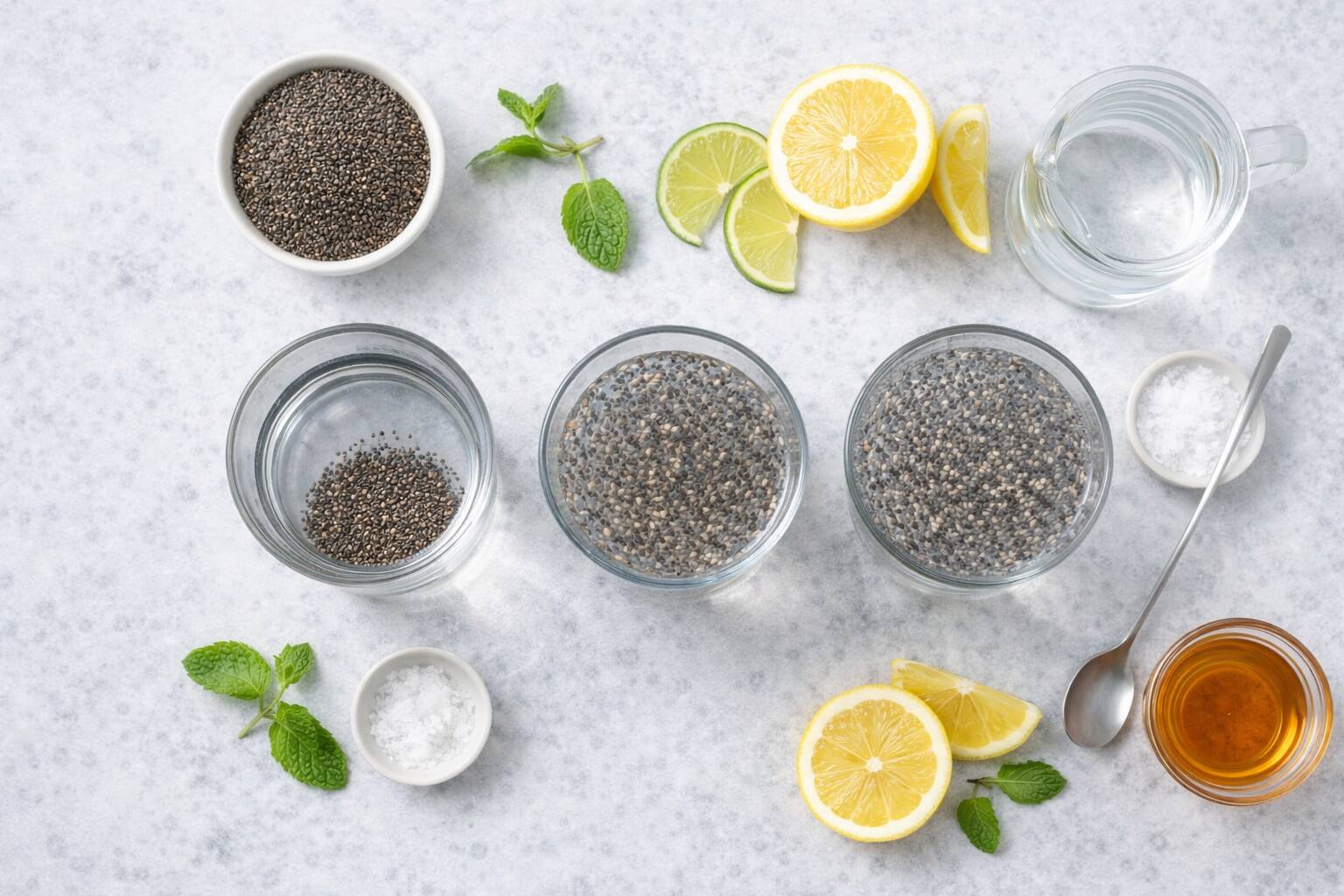
What sets chia seeds apart is their remarkable hydrophilic properties. When exposed to liquid, they can absorb up to 12 times their weight in water, forming a gel-like consistency. This unique characteristic transforms a simple glass of water into a sustained-release hydration system that may benefit endurance and recovery.
Science-Backed Performance Benefits
Enhanced Hydration and Endurance
Research published in the Journal of Strength and Conditioning Research suggests that chia seeds’ water-retention properties may help maintain hydration status during prolonged exercise. The gel-forming soluble fiber creates a reservoir effect, potentially extending fluid availability during training sessions.
Cardiovascular Support for Training
Chia seeds contain significant amounts of alpha-linolenic acid (ALA), an omega-3 fatty acid linked to cardiovascular health. According to research in Nutrients journal, regular consumption of ALA-rich foods supports healthy blood pressure and reduces inflammation markers—both critical factors for athletes pushing their limits.
The chlorogenic acid found in chia seeds has demonstrated blood pressure-reducing effects in clinical studies, which may benefit high-intensity training recovery and overall cardiovascular adaptation.
Sustained Energy and Appetite Control
The 11 grams of fiber per ounce create a powerful satiety effect. When chia seeds expand in your stomach, they trigger stretch receptors that signal fullness to your brain. For athletes managing body composition or timing nutrition around training, this extended feeling of satisfaction can prevent energy crashes and unplanned snacking.
A study in the European Journal of Clinical Nutrition found that chia seed consumption was associated with reduced postprandial blood glucose spikes, suggesting potential benefits for sustained energy levels during workouts.
Bone Health and Recovery
The combination of calcium, magnesium, and phosphorus in chia seeds supports bone mineral density—essential for athletes engaged in high-impact activities. Additionally, the ALA content may play a role in reducing exercise-induced inflammation, as documented in Applied Physiology, Nutrition, and Metabolism.
How to Use Chia Seed Water for Performance
Optimal Timing
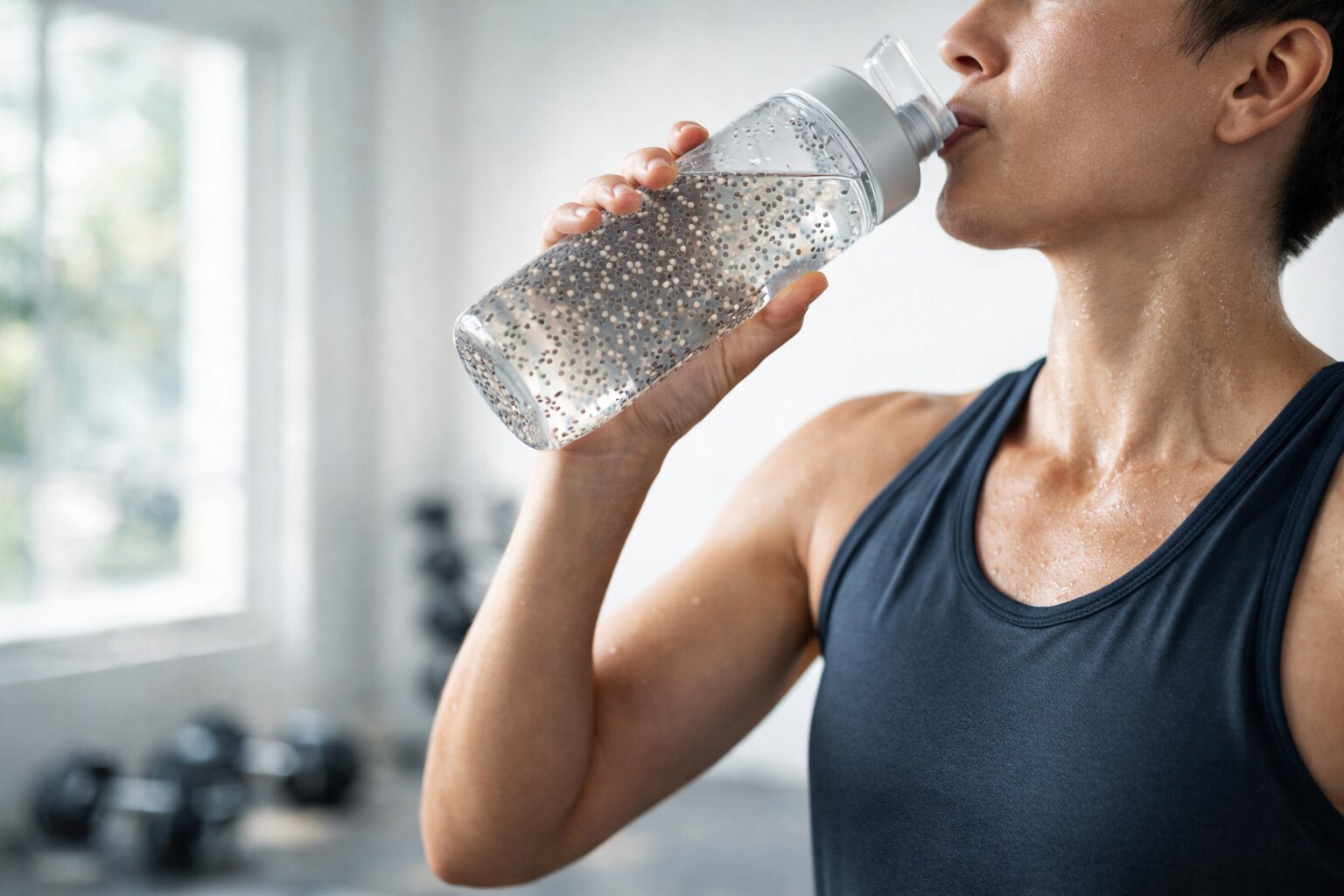
Pre-workout (30-60 minutes before): Provides sustained hydration and prevents mid-session hunger. Mix 1 tablespoon of chia seeds in 8-10 ounces of water.
Post-workout: Supports rehydration and provides essential minerals lost through sweat. Use 1-2 tablespoons in 12 ounces of water, adding a squeeze of lemon for flavor and vitamin C.
Between meals: Helps manage appetite during cutting phases or when timing meals around training schedules.
Preparation Method
Mix 1-2 tablespoons (12-24 grams) of chia seeds into 8-12 ounces of water. Stir gently and let sit for 2-5 minutes for a lighter consistency, or 10-15 minutes for a thicker gel. You can drink it immediately after mixing for a less gelatinous texture.
Pro tip: Add a pinch of sea salt and fresh lemon juice to create a natural electrolyte drink that rivals commercial sports beverages.
Performance-Oriented Recipe Variations
Endurance Formula: 2 tablespoons chia seeds + 12 oz coconut water + squeeze of lime + pinch of sea salt
Recovery Blend: 1 tablespoon chia seeds + 10 oz water + 1 scoop protein powder + handful of berries (blend for smoothie consistency)
Pre-Workout Energizer: 1 tablespoon chia seeds + 8 oz water + 1 teaspoon honey + splash of tart cherry juice
Important Considerations for Athletes
While chia seed water offers several benefits, it should complement—not replace—a well-structured nutrition plan. The fiber content requires adequate hydration; insufficient water intake combined with high fiber consumption may lead to digestive discomfort or constipation.
Start with 1 tablespoon daily if you’re new to chia seeds, gradually increasing to 2 tablespoons as your digestive system adapts. The standard serving is 2 tablespoons (20 grams) per day.
Athletes on blood thinners should consult their healthcare provider before regularly consuming chia seeds, as the omega-3 content may affect blood clotting. Similarly, those with blood pressure medications should monitor their response, as chia seeds have natural hypotensive effects.
Beyond the Glass: Alternative Uses
If you’re not sold on the texture of chia seed water, incorporate these performance foods into your training nutrition through overnight oats, homemade energy bars, post-workout smoothies, or as a crunchy topping on Greek yogurt with fruit.
For baking protein muffins or pancakes without eggs, create a “chia egg” by mixing 1 tablespoon chia seeds with 2.5 tablespoons water—let it sit for 5 minutes until gel-like.
The Bottom Line
Chia seed water represents a simple, science-supported addition to an athlete’s hydration strategy. The combination of sustained hydration, appetite control, and nutrient density makes it particularly valuable for endurance athletes, those managing body composition, or anyone seeking an alternative to sugar-laden sports drinks.
However, no single food or drink creates results. Chia seed water works best as part of a comprehensive approach that includes balanced nutrition, consistent training, adequate recovery, and proper hydration throughout the day.
Consider chia seed water as a tool in your nutritional toolkit—one that’s backed by research, easy to prepare, and adaptable to your specific training demands.
Disclaimer: This article is for informational purposes only and does not constitute medical or nutritional advice. Consult with a registered dietitian or healthcare provider before making significant changes to your diet, especially if you have existing health conditions or take medications.