
Your fitness routine tracks your sleep, calories, and recovery — but what about your sexual health? For active individuals and couples, libido is a direct reflection of hormonal balance, stress load, and overall wellness. Understanding what’s “normal” can reduce unnecessary pressure and help you build a healthier relationship alongside your healthy body.
Sihirli bir sayı yok
İlişki sağlığında en çok arılan sorulardan biri şunlardır:“How much sex should married couples be having?”Kısa cevap:Evrensel bir kıyaslama yok.
Araştırma şu tarihte yayımlandıArchives of Sexual Behavior(2017) 26.000’den fazla Amerikalıdan alınan verileri analiz etti ve haftada bir kez cinsel ilişki yapan çiftlerin en yüksek ilişki memnuniyetini bildirdiğini buldu — ancak daha sık seks bu eşiğin ötesine mutluluğu önemli ölçüde artırmadı.
Sıklıktan daha önemli olan:
- Mutual satisfaction — both partners feel fulfilled
- Consistency — regular intimacy, even if infrequent
- Communication — open dialogue about needs and expectations
Whether that means twice a week or twice a month, the “right” amount is what works for yourilişkisi — arkadaşının değil.
Fitness-Libido Bağlantısı
Fiziksel sağlığa öncelik veren biri olarak, zaten bir avantajınız var. Egzersiz, temel hormonlar üzerindeki etkisiyle libidoyu önemli ölçüde etkiler:
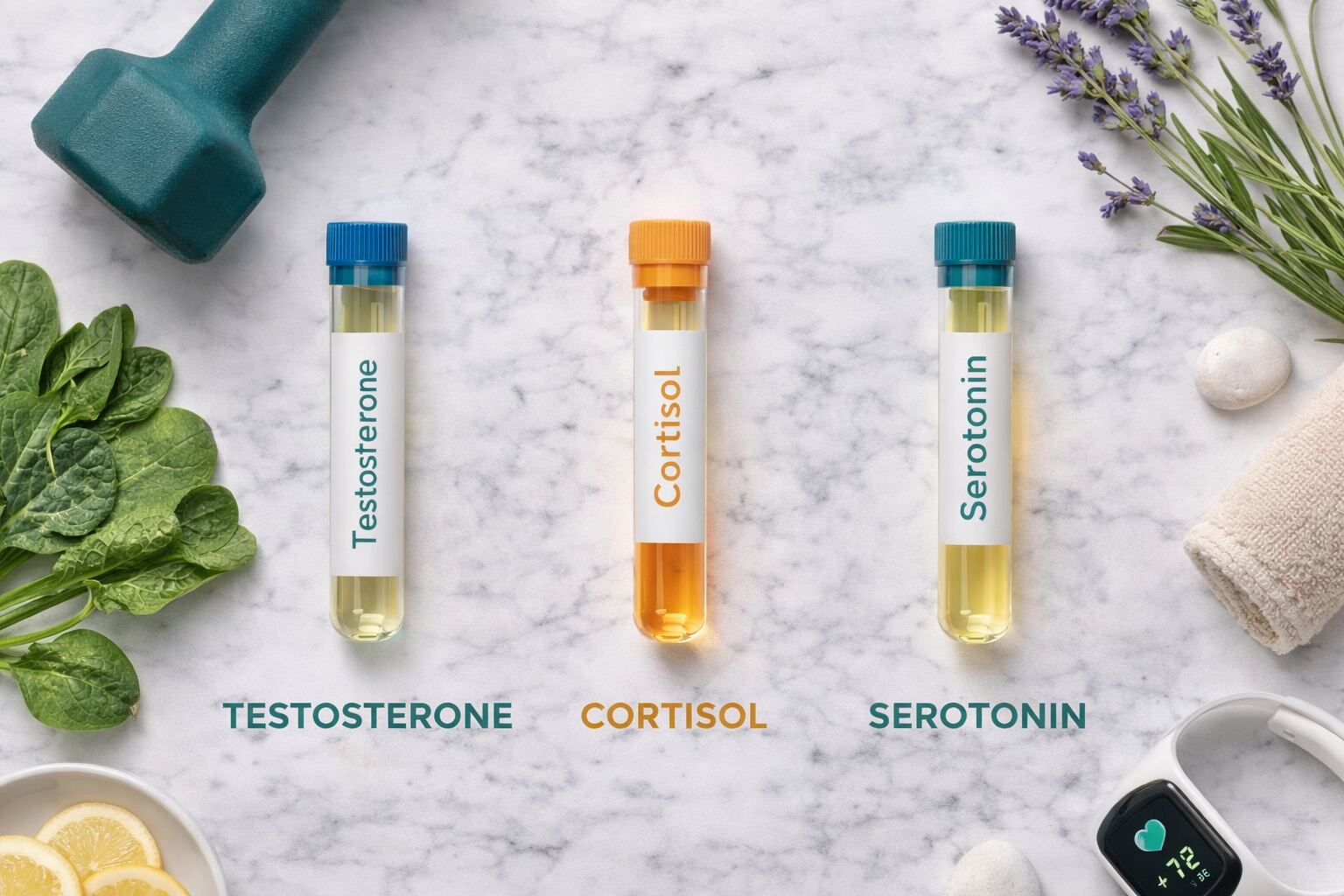
- Testosterone: Resistance training elevates testosterone in both men and women, directly supporting sex drive (Journal of Clinical Endocrinology & Metabolism, 2012)
- Cortisol: Chronic stress and overtraining suppress libido; recovery is as important as the workout
- Dopamine & Serotonin: Aerobic exercise boosts mood-regulating neurotransmitters, which improve desire and intimacy
Pro Tip: If your libido has dropped, check your training load. Overtraining syndrome is a documented libido suppressor — rest and recovery matter.
İstek Uyumsuzluğunu Anlamak

Uzun süreli ilişkilerde yaygın bir zorluk, eşleşmemiş libido’dur — seks terapistlerinin buna dediğiarzu uyumsuzluğu. Bir partner daha fazla yakınlık ister; diğeri ise daha azıyla yetinir. Bu başarısızlık işareti değildir — derinlemesine normaldir.
İlişkinin erken aşaması, nörokimyasal değişiklikleri (yüksek dopamin ve norepinefrin oranları) tetikler ve bu da geçici olarak arzuyu artırır. Zamanla, ilişki olgunlaştıkça, bu seviyeler normalleşir.
İstek uyumsuzluğunu yönetmek için stratejiler:
- Scheduled intimacy — just as you schedule workouts, schedule time for connection; research supports that anticipated intimacy can increase desire (Sexual and Relationship Therapy, 2019)
- Broaden the definition — physical closeness, massage, or non-sexual touch maintains bonding hormones like oxytocin
- Address root causes — fatigue, low testosterone, or poor sleep are addressable health issues, not permanent states
Pratik Zamanlama ve Optimizasyon
Zamanlama önemlidir — hem eğitimde hem de yakınlıkta. Çoğu çift, enerji ve testosteron seviyeleri en düşük olduğunda yatma vakti için seksten ayrılma hatasını yapar.
Daha iyi zamanlama seçenekleri:
- Morning — testosterone peaks in the early hours for most adults
- Post-workout (not immediately after) — exercise elevates mood and body confidence; allow 30–60 minutes for cortisol to normalize
- Weekends or rest days — when physical recovery is higher and cognitive stress is lower
Destek Aramak Ne Zaman Gerekmektedir
Düşük libido kişisel bir eksiklik değildir — genellikle bir belirtidir. Eğer arzu uyumsuzluğu veya düşük istek devam ediyorsa, değerlendirmeyi düşünebilirsiniz:
- Hormonal panels (testosterone, estradiol, thyroid)
- Sleep quality (poor sleep reduces testosterone by up to 15%, per JAMA, 2011)
- Mental health — anxiety and depression are among the leading causes of reduced libido
- Couples therapy or sex therapy — evidence-based interventions with strong outcomes
Temel Çıkarımlar
- Frequency is personal — aim for mutual satisfaction, not a societal benchmark
- Exercise supports libido — but overtraining can harm it
- Schedule intimacy — it’s not unromantic; it’s intentional
- Desire discrepancy is common — address it with communication, not shame
- Low libido has treatable causes — hormones, sleep, and stress are all optimizable
Disclaimer: This article is for informational and educational purposes only. It does not constitute medical or therapeutic advice. If you are experiencing persistent changes in libido or relationship concerns, please consult a licensed healthcare provider or certified sex therapist.
Kaynaklar:
- Muise, A. et al. (2017). Archives of Sexual Behavior — Sexual frequency and relationship well-being
- Vingren, J.L. et al. (2012). Journal of Clinical Endocrinology & Metabolism — Testosterone and resistance training
- Leproult, R. & Van Cauter, E. (2011). JAMA — Sleep and testosterone levels
- McCarthy, B. & Wald, L.M. (2019). Sexual and Relationship Therapy — Desire discrepancy interventions