
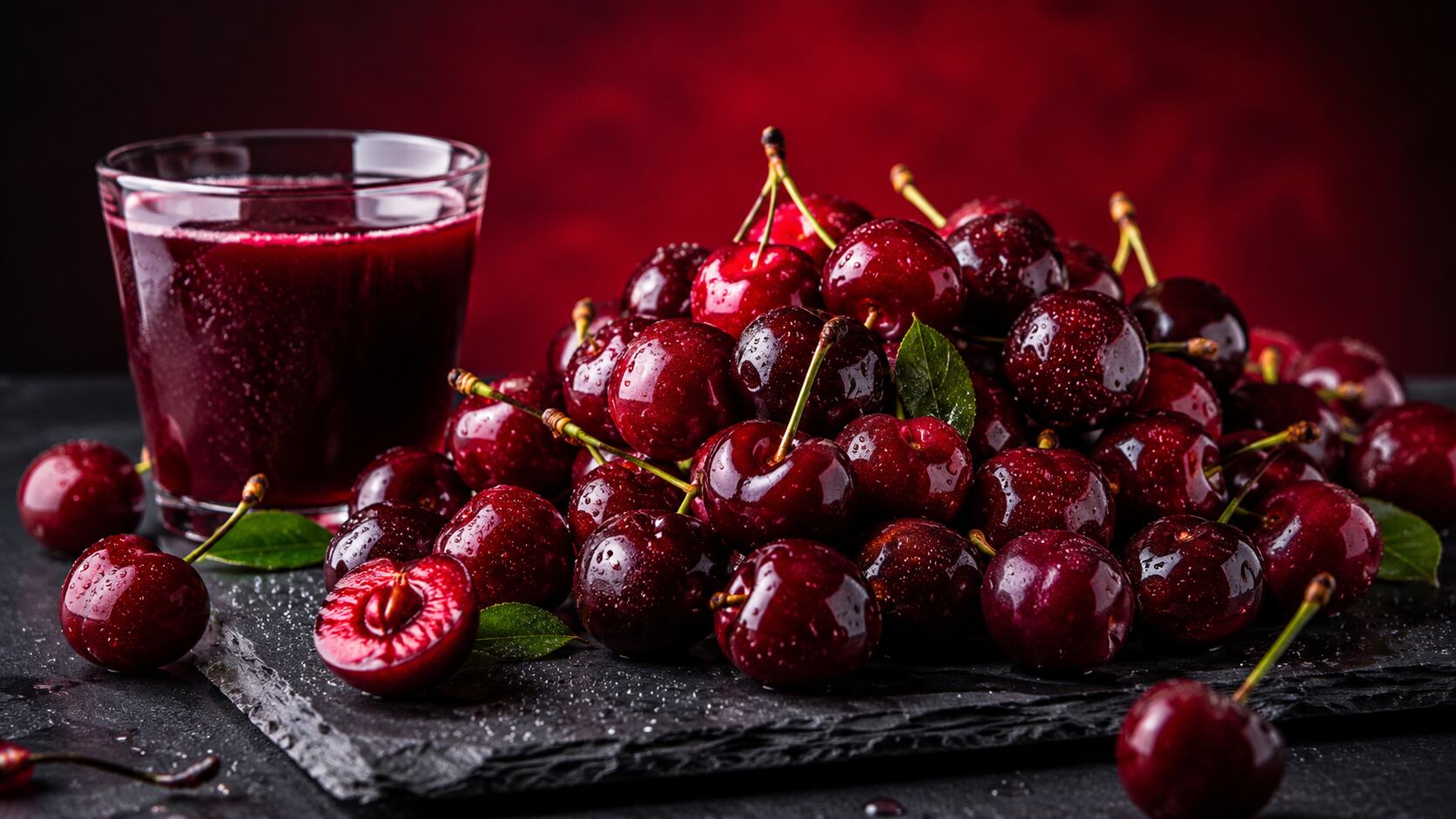
Small, seasonal, and seriously underrated — cherries pack a nutritional punch that rivals some of the most celebrated performance foods. One cup (about 21 cherries, roughly 138g) delivers under 100 calories, 3g of fiber, 15% of your daily vitamin C, and a dense concentration of bioactive compounds that support everything from muscle recovery to sleep quality. If you are not already making cherries a regular part of your diet, here is why you should start.
A Powerhouse of Antioxidants and Anti-Inflammatory Compounds
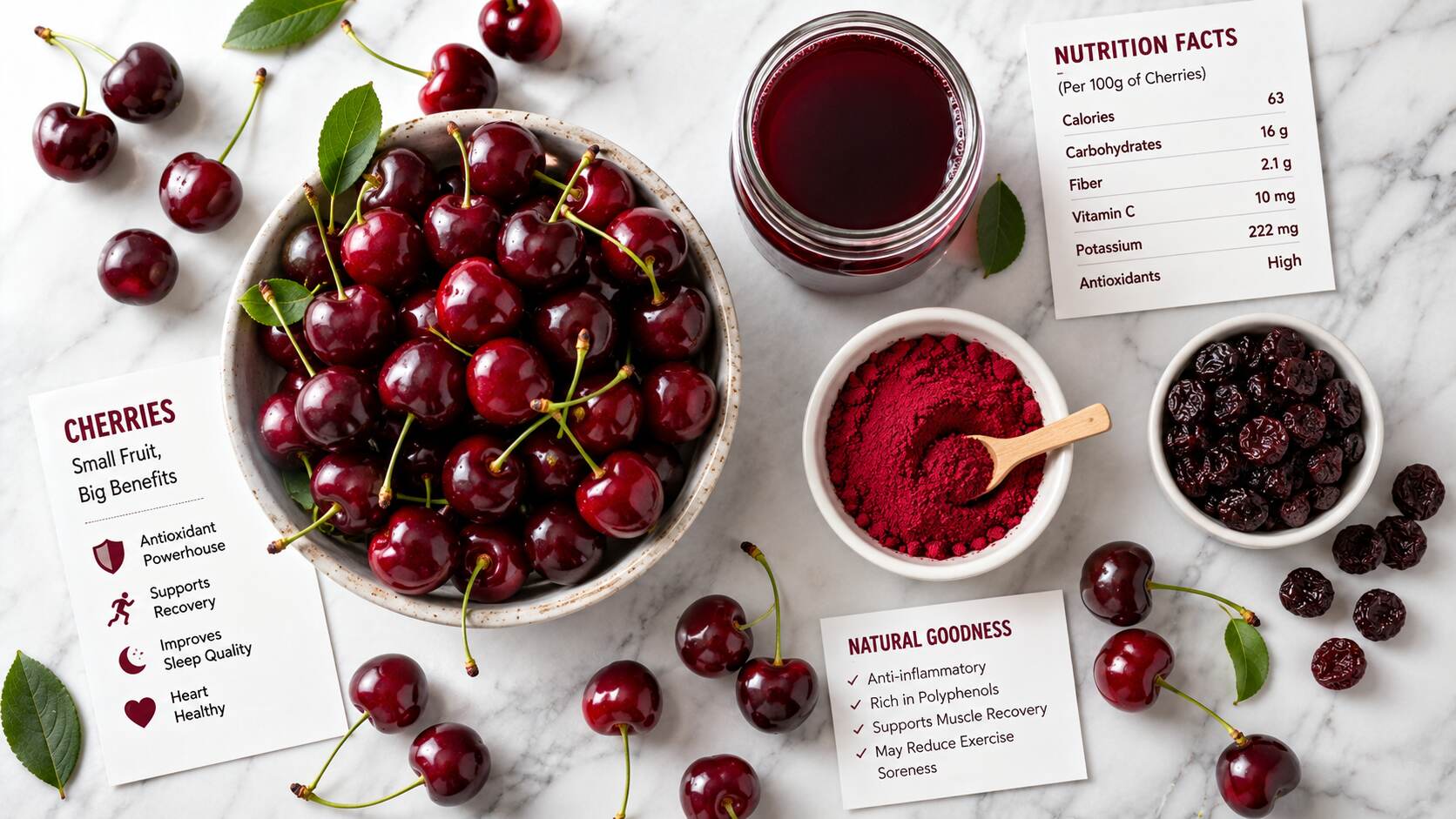
Cherries — particularly tart (Montmorency) varieties — are rich in anthocyanins, flavonoids, and polyphenols. These compounds actively combat oxidative stress and systemic inflammation, both of which accelerate cell damage and impair athletic recovery. A 2018 review published in Nutrients confirmed that cherry consumption significantly reduces markers of inflammation and oxidative stress, making it a strong dietary ally for anyone training regularly.¹
Anthocyanins also contribute to long-term cardiovascular protection, reduced cancer risk, and improved metabolic health — benefits that compound over time with consistent intake.
Faster Recovery After Hard Training
One of the most evidence-backed applications of cherries for athletes is post-exercise recovery. Tart cherry juice has been shown to reduce muscle soreness, protect against exercise-induced muscle damage, and speed up strength recovery after high-intensity training.
A landmark study in the Scandinavian Journal of Medicine and Science in Sports found that runners who consumed tart cherry juice for five days before and two days after a marathon reported significantly less muscle soreness and faster functional recovery compared to a placebo group.²
Practical recommendation: Consume 8–12 oz of 100% tart cherry juice (or 480mg of tart cherry extract) within 30–60 minutes post-workout. Look for unsweetened, preservative-free options.
Better Sleep, Better Performance
Sleep is where gains are made — and cherries can help you get more of it. Tart cherries are one of the few natural dietary sources of melatonin, the hormone that regulates your sleep-wake cycle. A randomized controlled trial published in the European Journal of Nutrition found that participants drinking tart cherry juice twice daily (morning and 1–2 hours before bed) increased total sleep time by up to 84 minutes and improved sleep efficiency compared to placebo.³
For athletes, quality sleep directly translates to faster recovery, better reaction time, and improved hormonal output — including growth hormone.

Blood Sugar Stability and Metabolic Support
Despite their sweetness, cherries have a relatively low glycemic index (GI of approximately 20–22), meaning they do not spike blood glucose or trigger the energy crashes associated with higher-GI fruits. This makes them a smart pre- or post-workout snack option for athletes managing body composition, as well as individuals monitoring insulin sensitivity.
The anti-inflammatory compounds in cherries have also shown promise in reducing gout flare-up risk — one study found a 35% lower risk of gout attacks after just two days of cherry consumption — and in supporting joint health for those with osteoarthritis.⁴
How to Eat More Cherries Year-Round
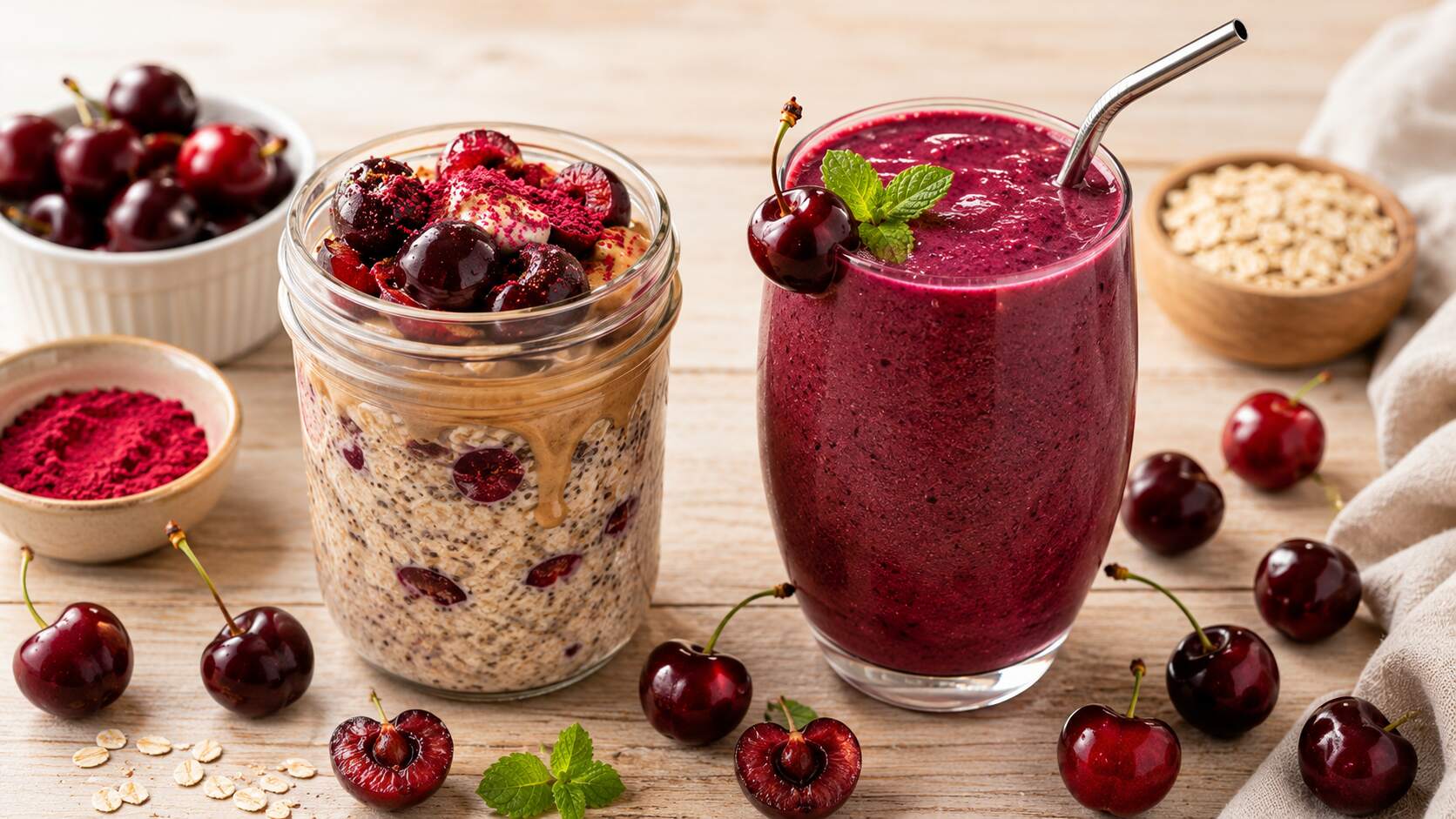
Fresh cherries are best in season, but the nutritional benefits are preserved in multiple forms:
- Frozen cherries — blend into smoothies or post-workout shakes
- Freeze-dried cherry powder — stir into oatmeal, Greek yogurt, or protein shakes
- 100% tart cherry juice — drink straight or dilute with sparkling water for a recovery drink
- Dried cherries (no added sugar) — add to trail mix, overnight oats, or dark chocolate bark
Aim for the equivalent of one cup of fresh cherries (or 8 oz of tart cherry juice) daily to meaningfully accumulate the anti-inflammatory and recovery benefits.
The Bottom Line
Cherries deliver measurable, research-backed benefits for active individuals — from reduced muscle soreness and improved sleep to better metabolic stability and joint protection. Whether you favor fresh fruit in summer or tart cherry juice year-round, making cherries a dietary staple is a low-effort, high-return strategy for long-term performance and recovery.
Disclaimer: This article is intended for informational purposes only and does not constitute medical or nutritional advice. Consult a qualified healthcare professional before making significant changes to your diet or supplementation routine.
References
- Kelley DS, Adkins Y, Laugero KD. A Review of the Health Benefits of Cherries. Nutrients. 2018;10(3):368.
- Howatson G, et al. Influence of tart cherry juice on indices of recovery following marathon running. Scand J Med Sci Sports. 2010;20(6):843–852.
- Howatson G, et al. Effect of tart cherry juice on melatonin levels and sleep quality. Eur J Nutr. 2012;51(8):909–916.
- Zhang Y, et al. Cherry consumption and decreased risk of recurrent gout attacks. Arthritis Rheum. 2012;64(12):4004–4011.