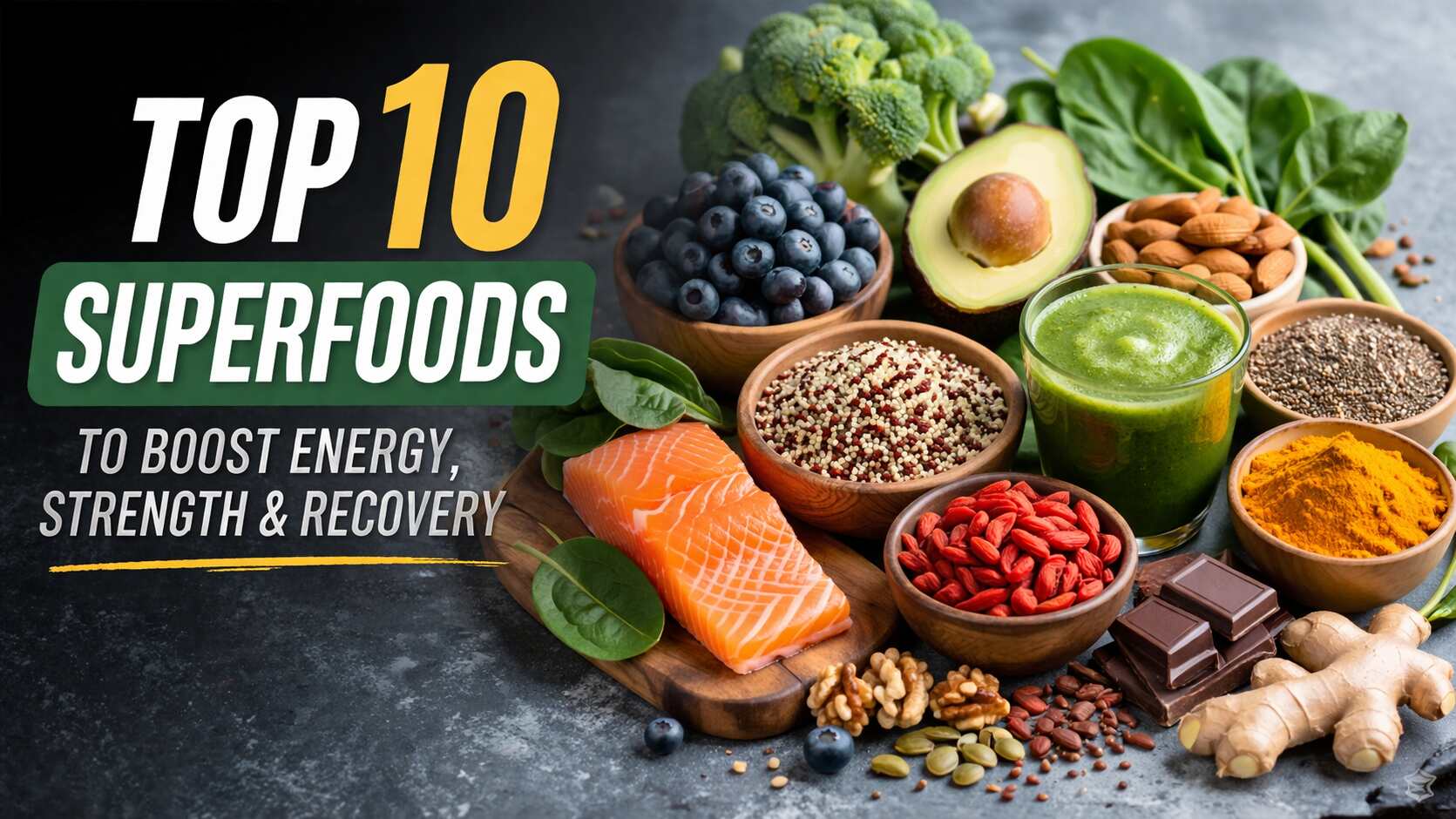
Your training is only as strong as the fuel behind it. While macros and protein timing matter, the real edge often comes from the micronutrient density of what you eat daily. Superfoods — a term describing foods with an exceptionally high concentration of vitamins, minerals, antioxidants, and bioactive compounds — can bridge the gap between an average diet and a performance-optimised one. Here are 10 research-backed superfoods worth adding to your routine.
What Makes a Food “Super”?
Superfoods aren’t a regulated category, but the term consistently refers to whole foods that deliver a disproportionate nutrient load relative to their calorie content. For athletes, this means compounds that reduce inflammation, support recovery, protect cellular integrity, and sustain energy — benefits backed by published nutritional science.
The Top 10 Superfoods for Fitness
1. Broccoli
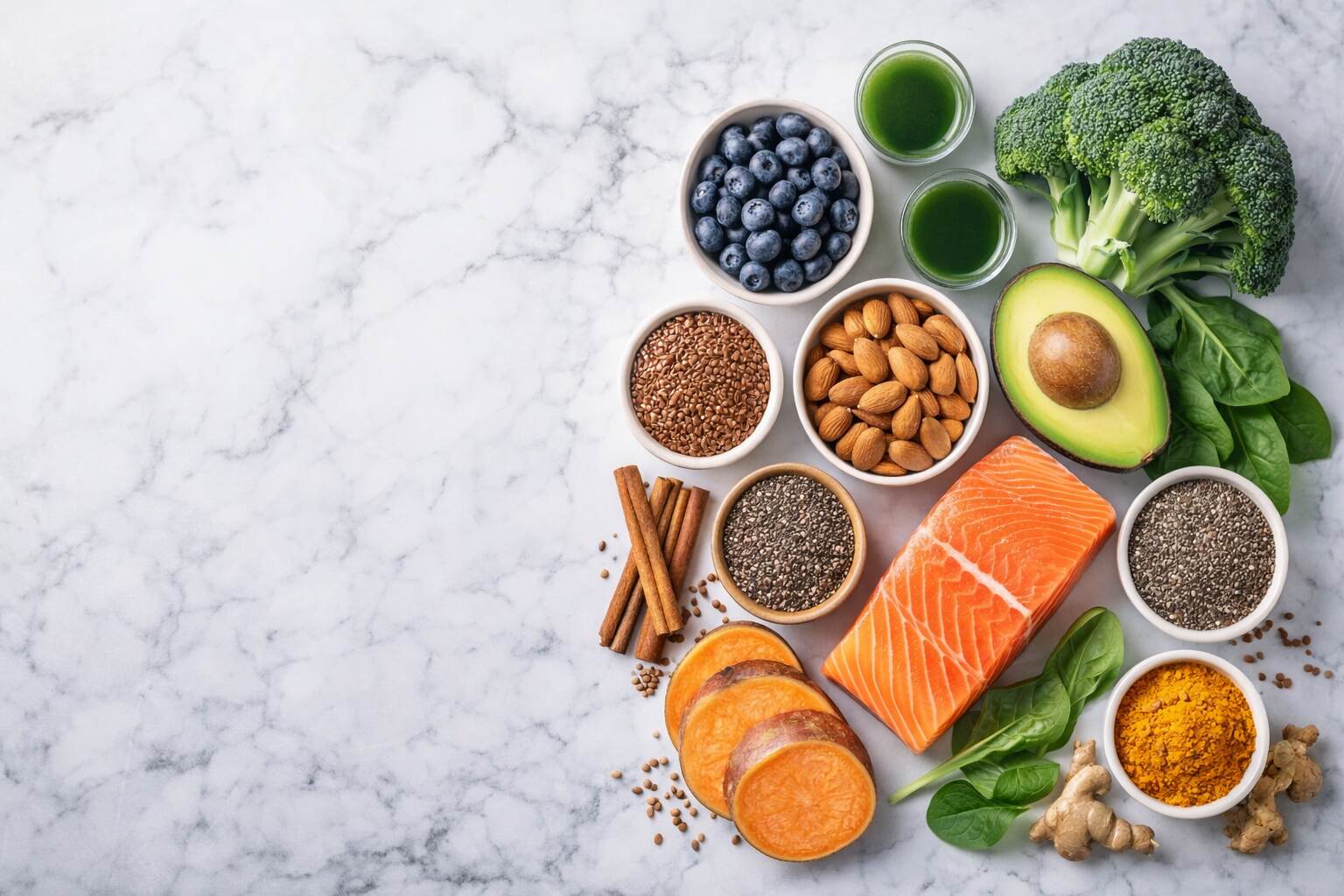
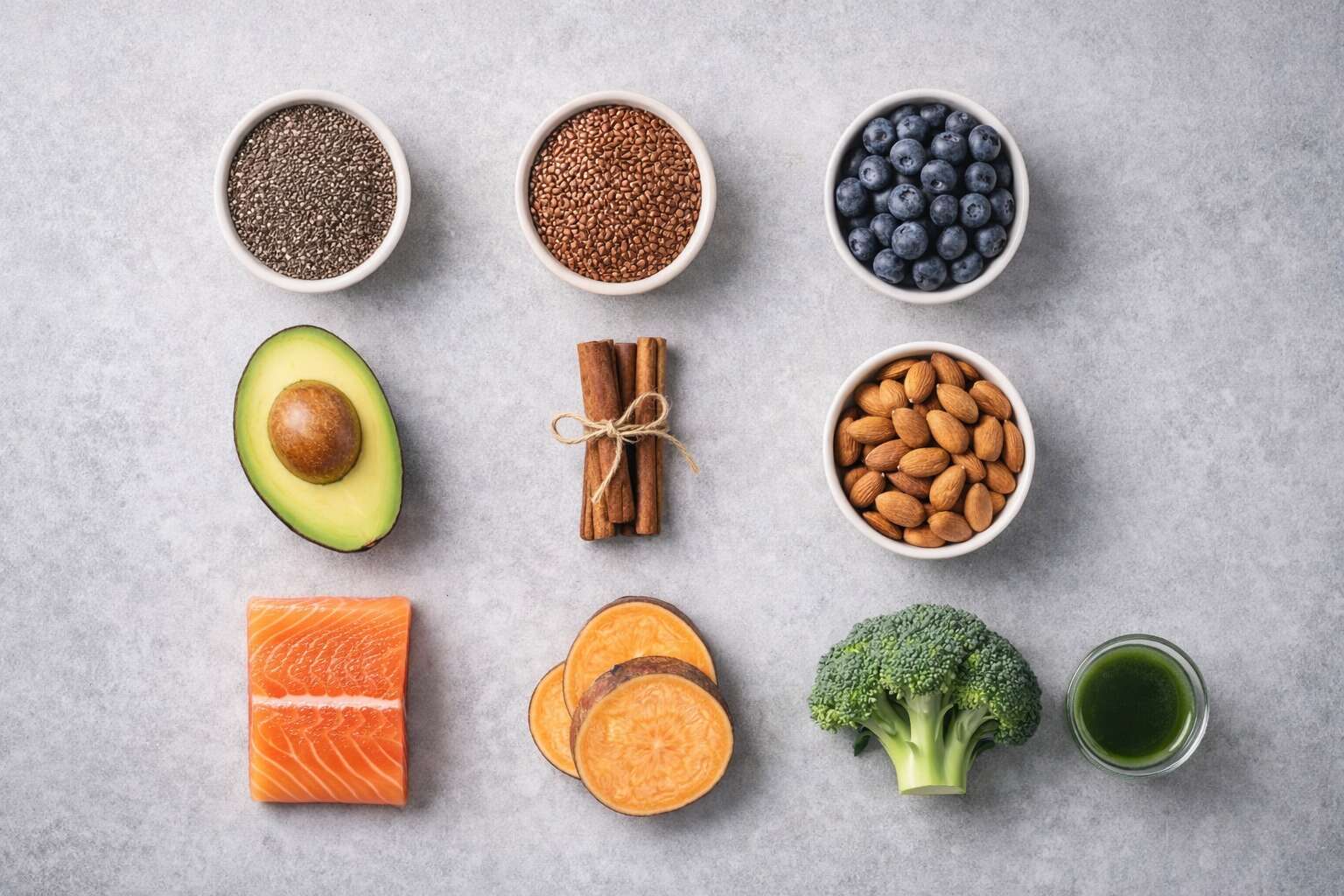
One of the most nutrient-dense vegetables available, broccoli provides potassium, calcium, iron, dietary fibre, and vitamins A, C, and E. Its sulforaphane content has demonstrated antioxidant and anti-inflammatory effects in peer-reviewed research, relevant to post-exercise recovery. (Nutrients, 2018). Aim for 1–2 cups per day, steamed or roasted.
2. Cinnamon
Beyond flavour, cinnamon has shown measurable effects on insulin sensitivity and blood glucose regulation — critical for athletes managing energy levels and body composition. A meta-analysis in the Journal of the Academy of Nutrition and Dietetics (2015) found consistent improvements in fasting blood glucose with 1–6g daily intake. Add ½ tsp to oats, smoothies, or coffee.
3. Blueberries
Low in calories (≈84 kcal per cup) and high in anthocyanins, blueberries are among the best-studied foods for exercise recovery. Research published in the Journal of the International Society of Sports Nutrition (2012) found that blueberry supplementation reduced exercise-induced muscle damage and accelerated strength recovery. Use 100–150g as a daily snack or post-workout addition.
4. Almonds
A 28g serving of almonds provides 6g of protein, 14g of healthy fats, 76mg of magnesium, and significant vitamin E — a fat-soluble antioxidant that protects muscle cell membranes from oxidative stress. For plant-based athletes, almonds offer a convenient protein and fat source between meals. USDA FoodData Central confirms their nutrient profile.
5. Avocados
Rich in monounsaturated fatty acids, potassium (more than bananas), folate, and fibre, avocados support cardiovascular efficiency — a direct performance asset. Research in the Journal of the American Heart Association (2015) linked regular avocado consumption to improved LDL cholesterol profiles. Half an avocado per day is a practical, calorie-efficient addition.

6. Wheatgrass
Wheatgrass is a concentrated source of chlorophyll, iron, magnesium, calcium, and amino acids. Early research suggests it may support red blood cell production, relevant to endurance athletes. Consume 28–30ml of fresh wheatgrass juice on an empty stomach for optimal absorption.
7. Flaxseeds
Each tablespoon (10g) of ground flaxseed delivers 2.3g of alpha-linolenic acid (ALA), a plant-based omega-3 fatty acid associated with reduced systemic inflammation and improved joint health (American Journal of Clinical Nutrition, 2012). Ground form improves bioavailability. Add to smoothies, oatmeal, or yoghurt daily.
8. Chia Seeds
Chia seeds provide 10g of fibre, 5g of protein, 177mg of calcium, and 4.9g of ALA omega-3s per 28g serving (USDA FoodData Central). Their gel-forming property when hydrated supports sustained energy release during long training sessions. Soak 2 tbsp in 250ml of water or a shake 30–60 minutes before use.
9. Salmon
A 100g serving of wild-caught salmon delivers approximately 20g of protein and 2.2g of EPA/DHA omega-3 fatty acids — the most bioavailable form for reducing muscle inflammation and supporting joint recovery. The British Journal of Sports Medicine highlights omega-3s as a key dietary intervention for exercise-induced inflammation. Aim for 2–3 servings per week.
10. Sweet Potatoes
A medium sweet potato provides ~103 calories, 4g of fibre, 23g of complex carbohydrates, and a substantial dose of beta-carotene (a precursor to vitamin A) and vitamin B6, which plays a direct role in protein metabolism and glycogen synthesis. This makes it one of the best pre- or post-workout carbohydrate sources for athletes.
Putting It Together
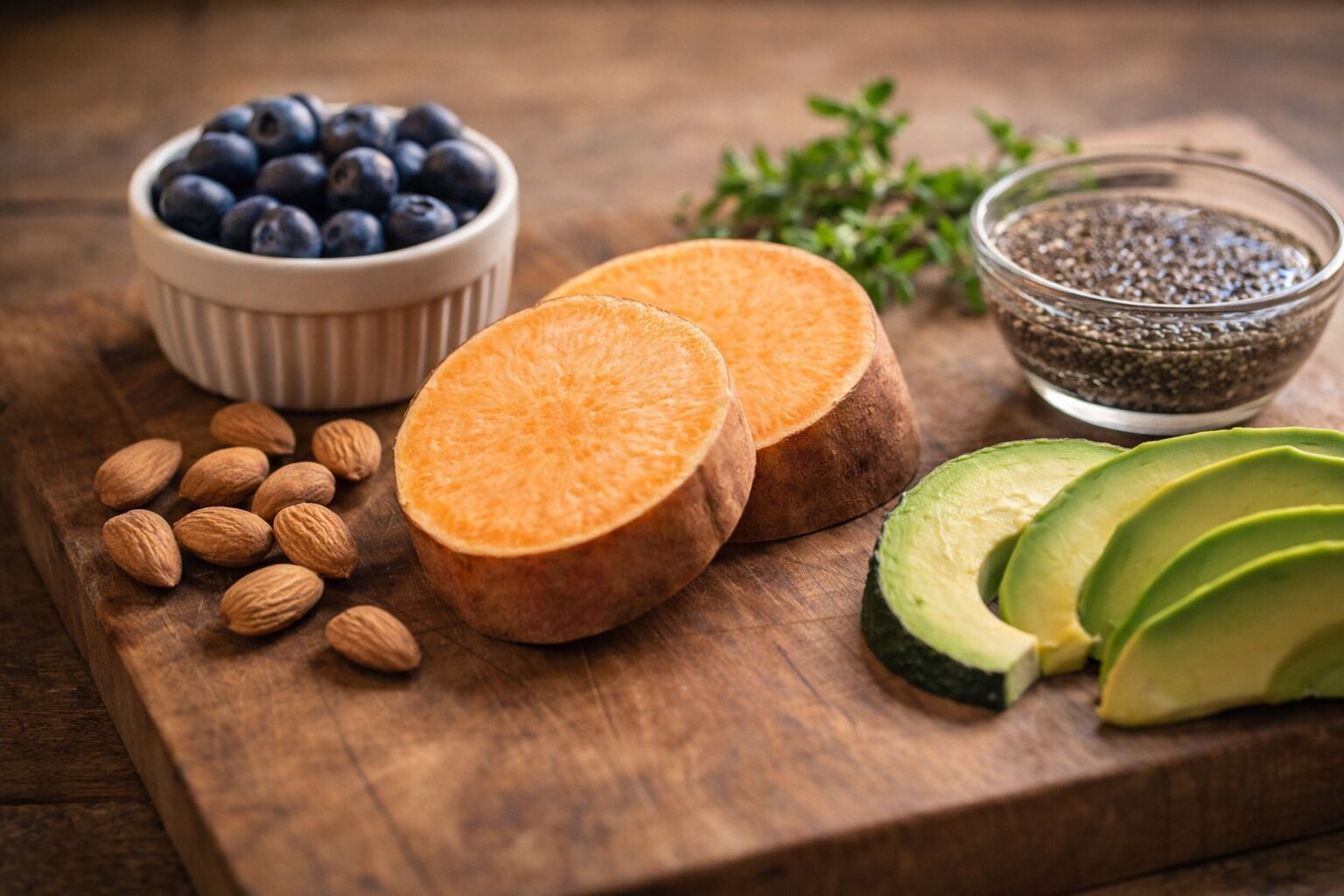
You don’t need to overhaul your diet overnight. Start by incorporating two or three of these foods weekly and build from there. A practical daily stack might look like:
- Morning: Chia seeds soaked in water + a handful of blueberries
- Pre-workout: Sweet potato with almond butter
- Post-workout: Salmon fillet with steamed broccoli
- Snacks: Almonds + avocado on wholegrain toast
Consistency with nutrient-dense whole foods compounds over time — much like training itself.
Citations
- Fahey, J.W. et al. (2018). Sulforaphane and broccoli compounds. Nutrients, 10(7), 952.
- Allen, R.W. et al. (2015). Cinnamon use in type 2 diabetes. Journal of the Academy of Nutrition and Dietetics, 113(11), 1555–1561.
- Millar, C.L. et al. (2012). Blueberry supplementation and muscle recovery. JISSN, 9(1), 19.
- USDA FoodData Central. Almonds, dry roasted. FDC ID: 170567.
- Wang, L. et al. (2015). Avocado consumption and cardiometabolic risk. JAHA, 4(1), e001355.
- USDA FoodData Central. Chia seeds. FDC ID: 170554.
- Abargouei, A.S. et al. (2012). ALA and cardiovascular risk. AJCN, 96(6), 1262–1273.
Disclaimer: This article is for informational purposes only and does not constitute medical or dietary advice. Consult a registered dietitian or healthcare provider before making significant changes to your diet, especially if you have a pre-existing health condition or are taking medication.