Belly fat is not just a cosmetic concern—it is strongly linked with metabolic disorders, cardiovascular disease, and reduced athletic performance. The good news is that certain natural habits can help you reduce abdominal fat when combined with a consistent fitness routine. By focusing on exercise, nutrition, digestion, sleep, and metabolism support, you can gradually improve body composition and energy levels.
Below are evidence-based natural strategies that can help you manage belly fat more effectively.
1. Regular Exercise for Fat Burning
Physical activity is one of the most effective ways to reduce abdominal fat. Cardiovascular training increases calorie expenditure and improves metabolic efficiency.
Effective options include:
- Brisk walking or jogging
- Cycling
- Swimming
- High-intensity interval training (HIIT)
Research published in the Journal of Applied Physiology shows that regular aerobic exercise significantly reduces visceral fat even without drastic dieting.
Practical tip:
Aim for 150–300 minutes of moderate exercise per week, as recommended by the World Health Organization.
2. Eat a Balanced, High-Fiber Diet
Nutrition plays a major role in belly fat accumulation. Diets high in refined sugar and ultra-processed foods increase fat storage, especially around the abdomen.
Instead, focus on foods such as:
- Fruits and vegetables
- Whole grains
- Lean proteins (eggs, fish, chicken, legumes)
- Healthy fats (olive oil, nuts, seeds)
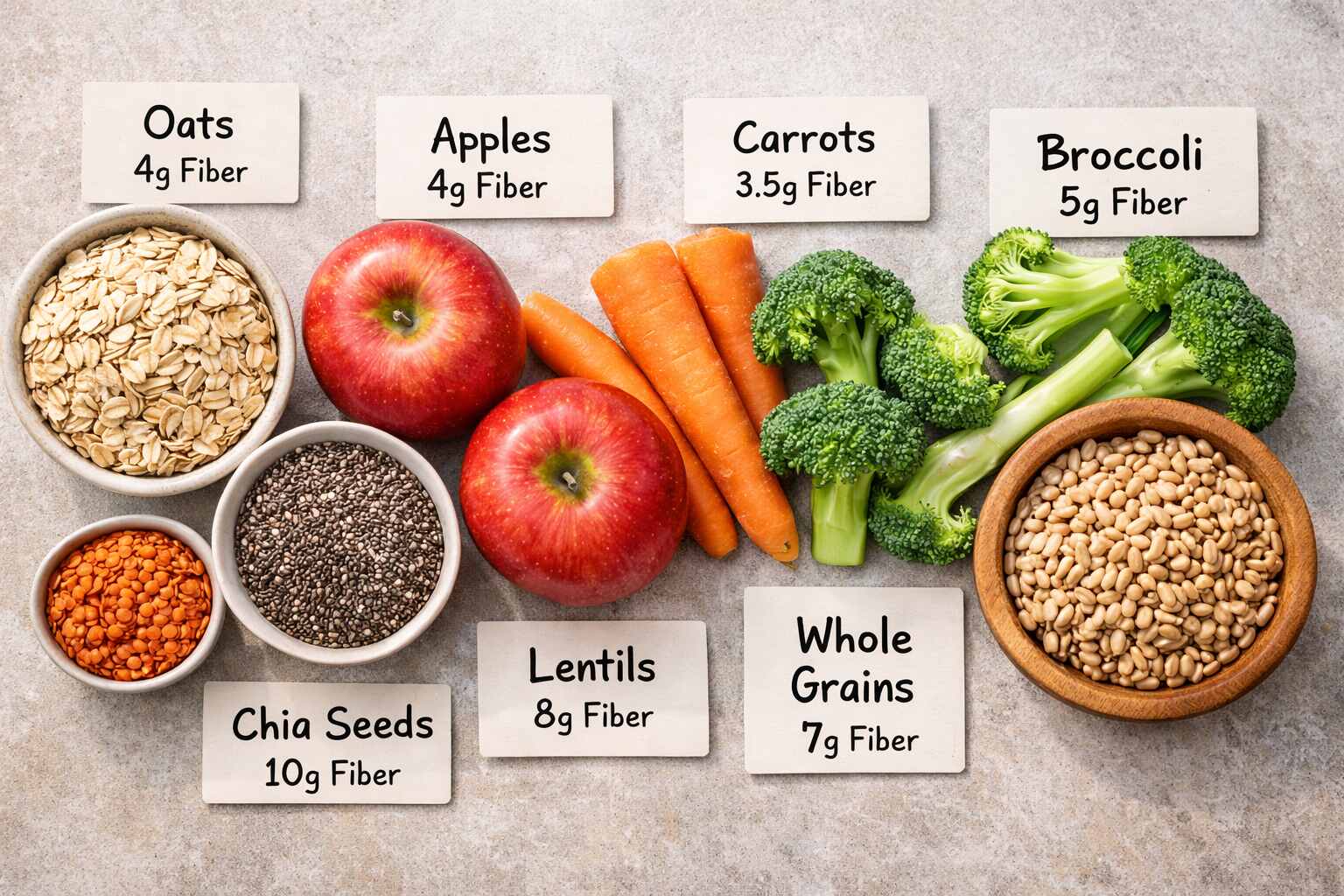
Fiber is especially important. A review published in Nutrients found that higher fiber intake improves satiety and reduces overall calorie intake, helping with fat loss.
Daily target:
Consume 25–38 g of fiber per day depending on age and gender.
3. Herbal Teas That Support Metabolism
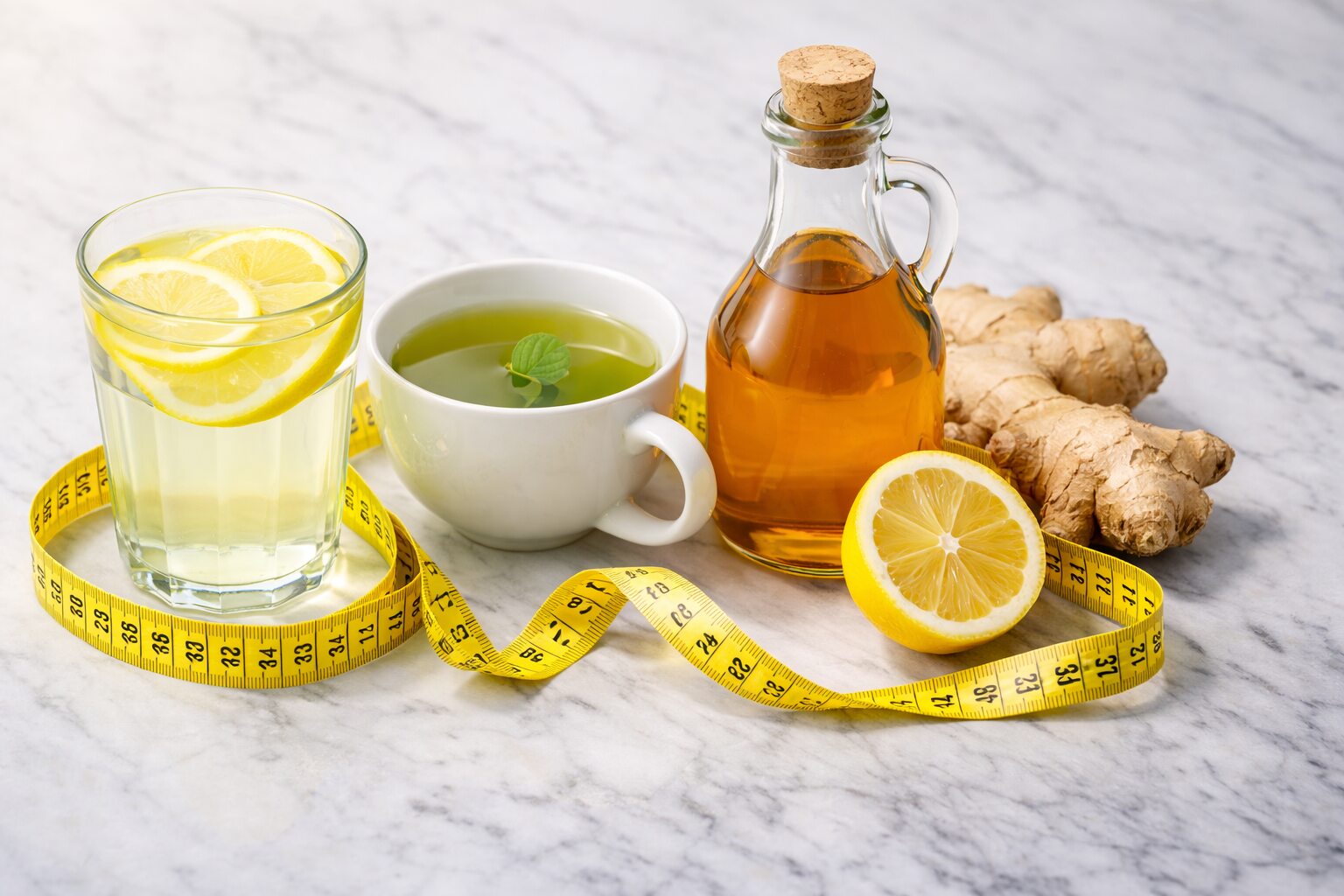
Certain herbal teas may support fat metabolism and digestion.
Green tea is the most studied. It contains catechins and caffeine, compounds known to enhance fat oxidation. Research in the American Journal of Clinical Nutrition found that green tea extract can increase fat burning during exercise.
Other helpful options include:
- Ginger tea – supports digestion and reduces bloating
- Peppermint tea – helps relieve digestive discomfort
Best timing:
Drink 1–2 cups daily, preferably before workouts or between meals.
4. Apple Cider Vinegar for Appetite Control
Apple cider vinegar (ACV) has gained popularity as a natural metabolic aid. Some studies suggest that acetic acid—the main compound in ACV—may help improve insulin sensitivity and promote satiety.
A study in the journal Bioscience, Biotechnology, and Biochemistry found that participants consuming vinegar daily experienced modest reductions in body fat.
How to use safely:
- Mix 1–2 teaspoons ACV in a glass of water
- Drink before meals
- Never consume undiluted vinegar
5. Lemon Water for Hydration and Digestion
Lemon water is a simple habit that can support weight management. While it does not directly burn fat, it can improve hydration and digestion, both of which are important for metabolism.
Lemons contain vitamin C and antioxidants that help reduce oxidative stress associated with intense workouts.
Morning routine idea:
- Warm water
- Juice of half a lemon
- Optional: chia seeds for added fiber

6. Prioritize Quality Sleep
Sleep plays a critical role in fat regulation. Lack of sleep disrupts hormones such as ghrelin and leptin, which control hunger and satiety.
According to research published in Sleep, chronic sleep deprivation is associated with increased abdominal fat and higher calorie intake.
Sleep guidelines:
- Aim for 7–9 hours of sleep per night
- Maintain a consistent sleep schedule
- Avoid screens before bedtime

Key Takeaway
Reducing belly fat requires a combination of consistent exercise, smart nutrition, digestive support, and quality sleep. Natural remedies like green tea, apple cider vinegar, and lemon water can complement a healthy lifestyle—but they work best alongside regular physical activity and balanced eating habits.
Small, consistent habits often produce the most sustainable fat-loss results.
Disclaimer:
This article is for informational purposes only and does not replace professional medical advice. Consult a healthcare provider or registered dietitian before making significant dietary or lifestyle changes.
Sources
- World Health Organization – Physical Activity Guidelines
- Slavin J. (2013). Nutrients. Dietary Fiber and Body Weight Regulation
- Hursel R. et al. (2011). American Journal of Clinical Nutrition. Green Tea and Fat Oxidation
- Kondo T. et al. (2009). Bioscience, Biotechnology, and Biochemistry. Vinegar Intake and Body Fat
- Patel SR. (2008). Sleep. Sleep Duration and Weight Gain