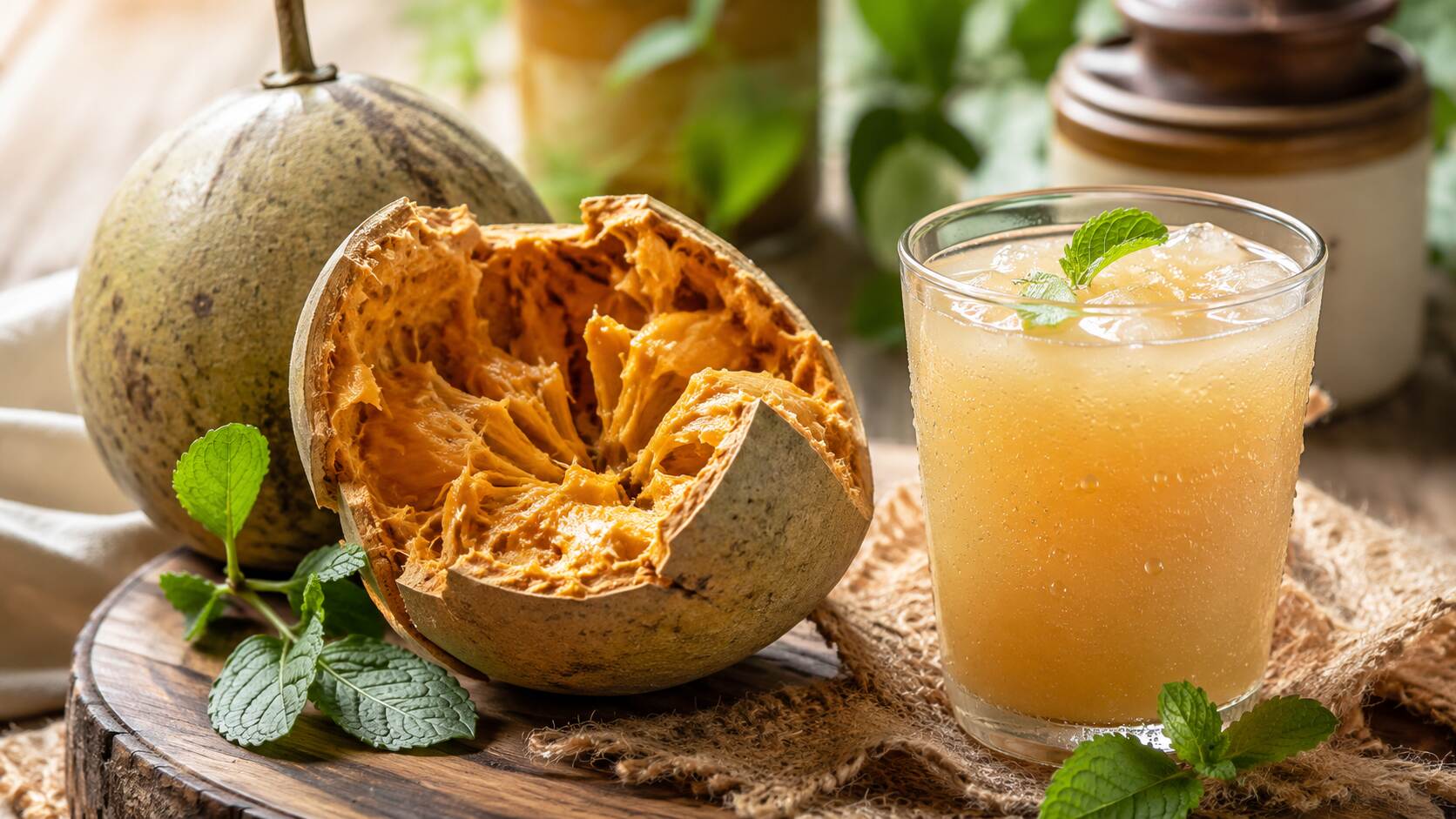
If you have grown up in India, chances are your first taste of bael was mixed with milk, sugar, or a pinch of salt on a scorching summer afternoon. This woody-rinded fruit, also called wood apple or bel, has a strong aroma and a soft, musky-sweet pulp that divides opinion. But once you look past the smell, bael turns out to be a genuinely useful addition to an active person’s diet, particularly during hot-weather training when hydration and digestion take center stage.
What Makes Bael Nutritionally Relevant
Bael (Aegle marmelos) is a calorie-dense fruit for its category, delivering roughly 130-140 kcal per 100 g, largely from natural sugars and carbohydrate. It also supplies a meaningful amount of potassium — around 600 mg per 100 g — along with calcium, fiber, and vitamin C. For athletes and gym-goers training in the heat, that potassium content is worth noting: potassium is one of the key electrolytes lost through sweat, and food-based sources can support post-workout rehydration alongside water and sodium.
Digestive Support for Consistent Training
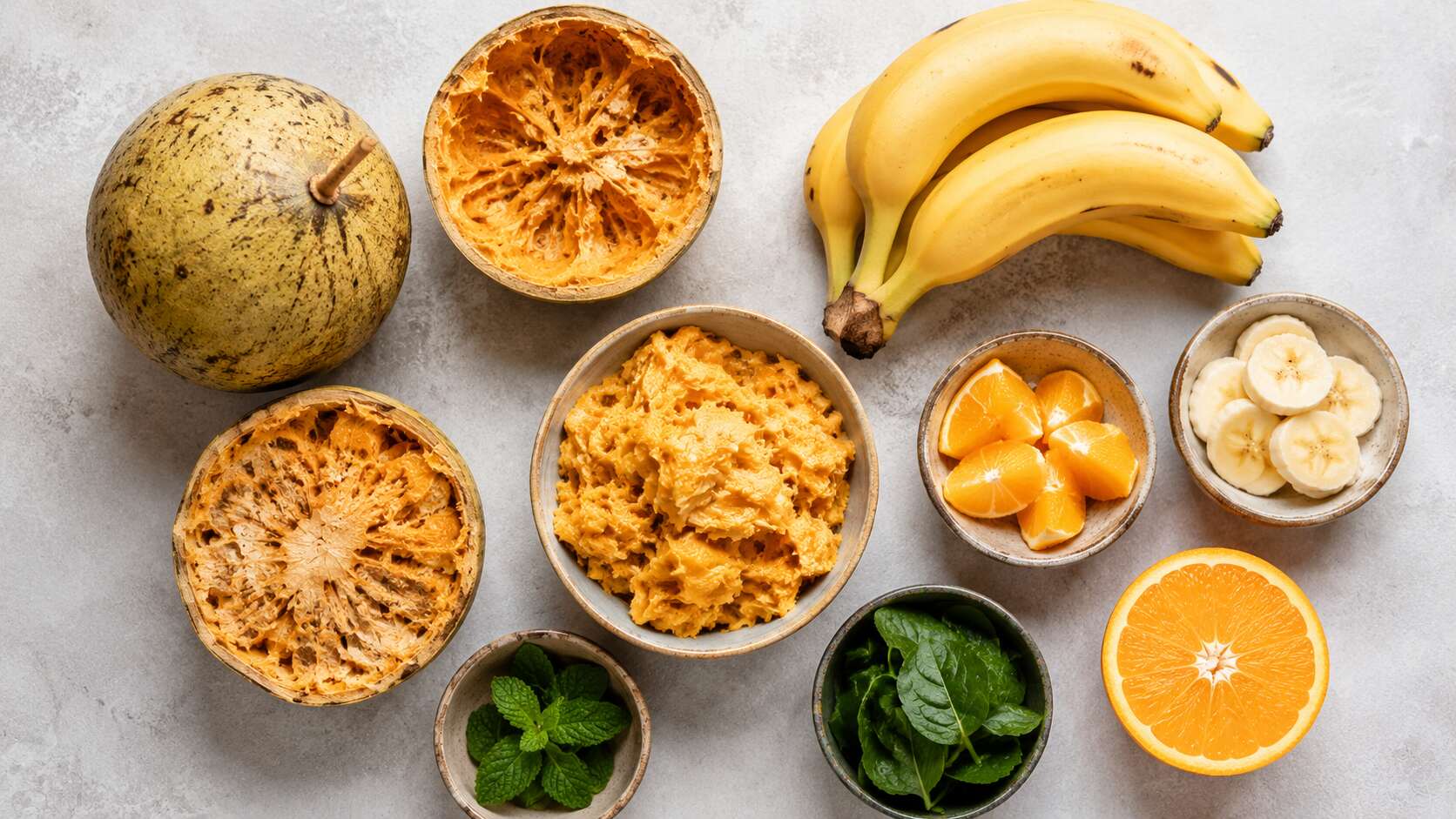
Bael’s traditional reputation as a digestive aid has some grounding in its composition. The pulp is rich in soluble fiber and tannins, compounds associated with supporting regular bowel movements and gut comfort. For people training consistently, digestive stability matters — bloating or irregularity can interfere with workout timing and nutrient absorption. A simple bael pulp-and-water drink, taken in moderation, is a traditional way to ease occasional digestive sluggishness, particularly in hot weather.
Blood Sugar Research: What the Evidence Actually Shows
Bael leaves and fruit extract have been studied for their effect on blood glucose, and animal studies published in journals such as the Indian Journal of Experimental Biology and BMC Complementary and Alternative Medicine have reported reductions in fasting glucose in diabetic rodent models. However, this evidence is preclinical — it comes from animal and cell-based research rather than controlled human trials. Bael should not be treated as a verified blood sugar management tool for humans until more rigorous clinical studies are available, and it is not a substitute for prescribed diabetes medication.

How to Add Bael to Your Routine
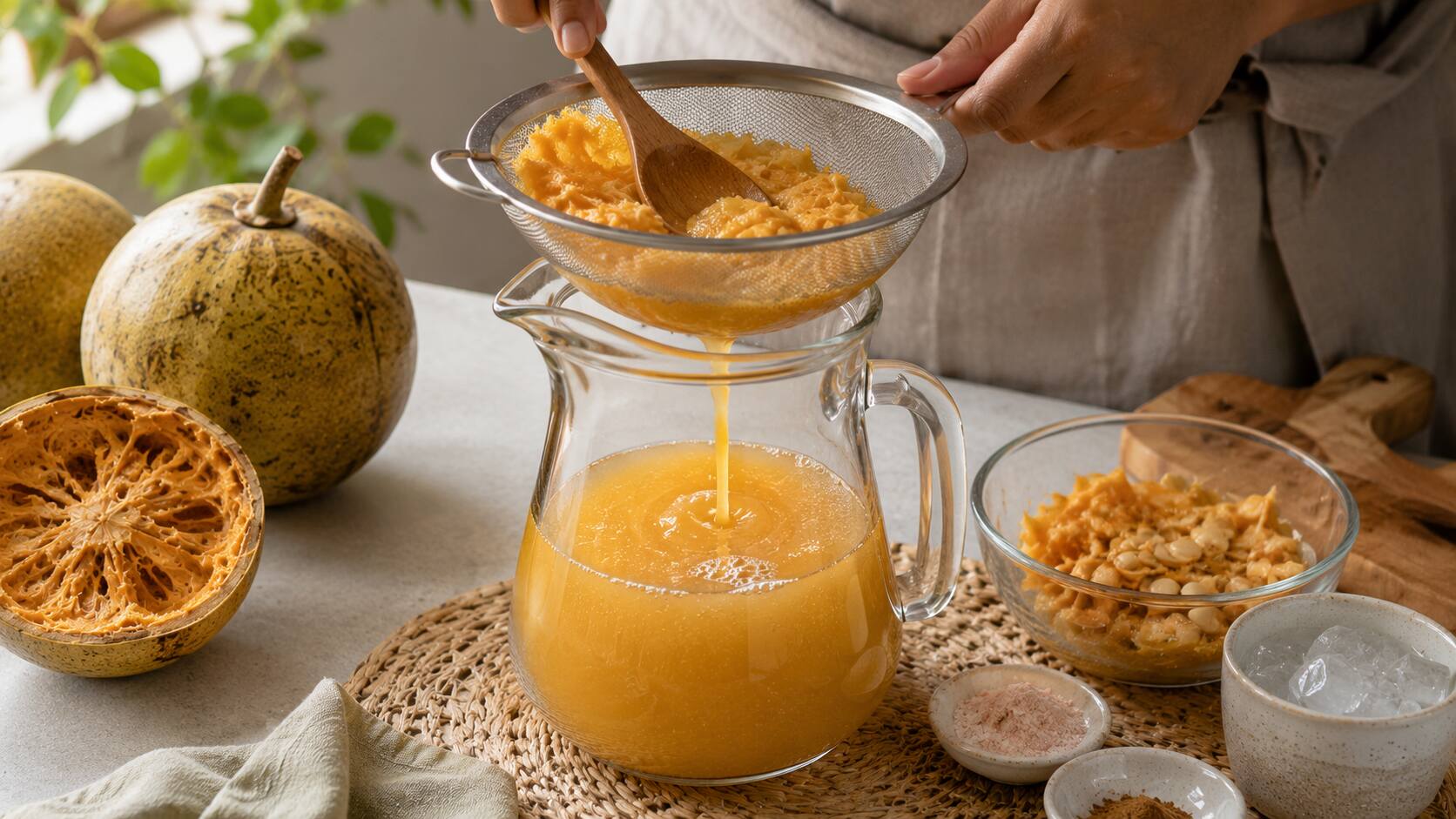
- Basic bael juice: Scoop pulp from a ripe fruit, soak it in water for a few minutes, then mash and strain out the seeds and fiber. Dilute with water or milk to taste, and add a small pinch of salt or roasted cumin powder for an electrolyte-friendly version.
- Timing: Best consumed post-workout or in the early afternoon during hot-weather training blocks, when fluid and mineral replacement is a priority.
- Portion: One medium fruit’s worth of pulp (roughly 100-150 g) is a reasonable single serving; bael is calorie-dense, so factor it into your daily carbohydrate intake if you are tracking macros.
Precautions
Only ripe bael should be consumed — unripe fruit can cause significant digestive upset. Introduce it gradually to check for individual tolerance, and if you are on blood pressure medication, diabetes medication, or blood thinners, talk to your doctor before adding concentrated bael extracts to your routine, since some of its compounds may interact with these drugs.
Key Takeaways
Bael is a potassium-rich, moderately fibrous summer fruit with a long traditional use for digestive comfort. Its blood sugar benefits are currently supported mainly by animal research rather than confirmed human trials. Used sensibly and in appropriate portions, it can be a useful, hydrating addition to a warm-weather training diet.
This article is for informational purposes and does not replace personalized advice from a doctor, dietitian, or sports nutrition professional, particularly if you have diabetes, hypertension, or are taking prescription medication.
Sources
- Kamalakkannan N, Prince PS. “Antidiabetic activity of Aegle marmelos and its relationship with its antioxidant properties.” Indian J Exp Biol. 2003.
- Hafizur RM, Momin S, Fatima N. “Prevention of advanced glycation end-products formation in diabetic rats through beta-cell modulation by Aegle marmelos.” BMC Complementary and Alternative Medicine. 2017.
- Sharma GN, et al. “Aegle marmelos (Bael): Nutritional, functional and nutraceutical significance.” ScienceDirect (nutrient composition review).
- Baliga MS, et al. “Aegle marmelos (L.) Correa (Bael) and its phytochemicals in the treatment and prevention of cancer.” Integr Cancer Ther. 2013.