Could something as simple as your iron levels be the difference between peak performance and chronic fatigue — or even a longer life? Groundbreaking research suggests yes.
A landmark study by the University of Edinburgh, analyzing genetic data from over one million people, found that maintaining optimal iron levels may be a key factor in slowing biological aging and extending healthy lifespan. For active individuals, this isn’t just a longevity headline — it’s a direct signal about how iron shapes your energy, endurance, and recovery every single day.
Why Iron Matters More Than You Think
Iron is a critical micromineral responsible for producing hemoglobin, the protein in red blood cells that carries oxygen to your muscles, brain, and organs. Without adequate iron, your cells simply don’t get the oxygen they need to perform.
Dr. Paul Timmers from the Usher Institute notes that iron metabolism may explain why dietary choices — including overconsumption of iron-rich red meat — are linked to age-related conditions like heart disease. The balance, it turns out, is everything.
Abnormally low or high iron levels are both dangerous, associated with liver disease, Parkinson’s disease, and weakened immune function (Nutrients, 2021).
Iron Deficiency: Who’s at Risk?
Iron deficiency is the most common nutritional deficiency worldwide, affecting far more than just sedentary populations. High-risk groups include:
- Endurance athletes — intense training inhibits iron absorption and increases loss through sweat and foot-strike hemolysis
- Women of reproductive age — menstrual blood loss significantly raises iron demand
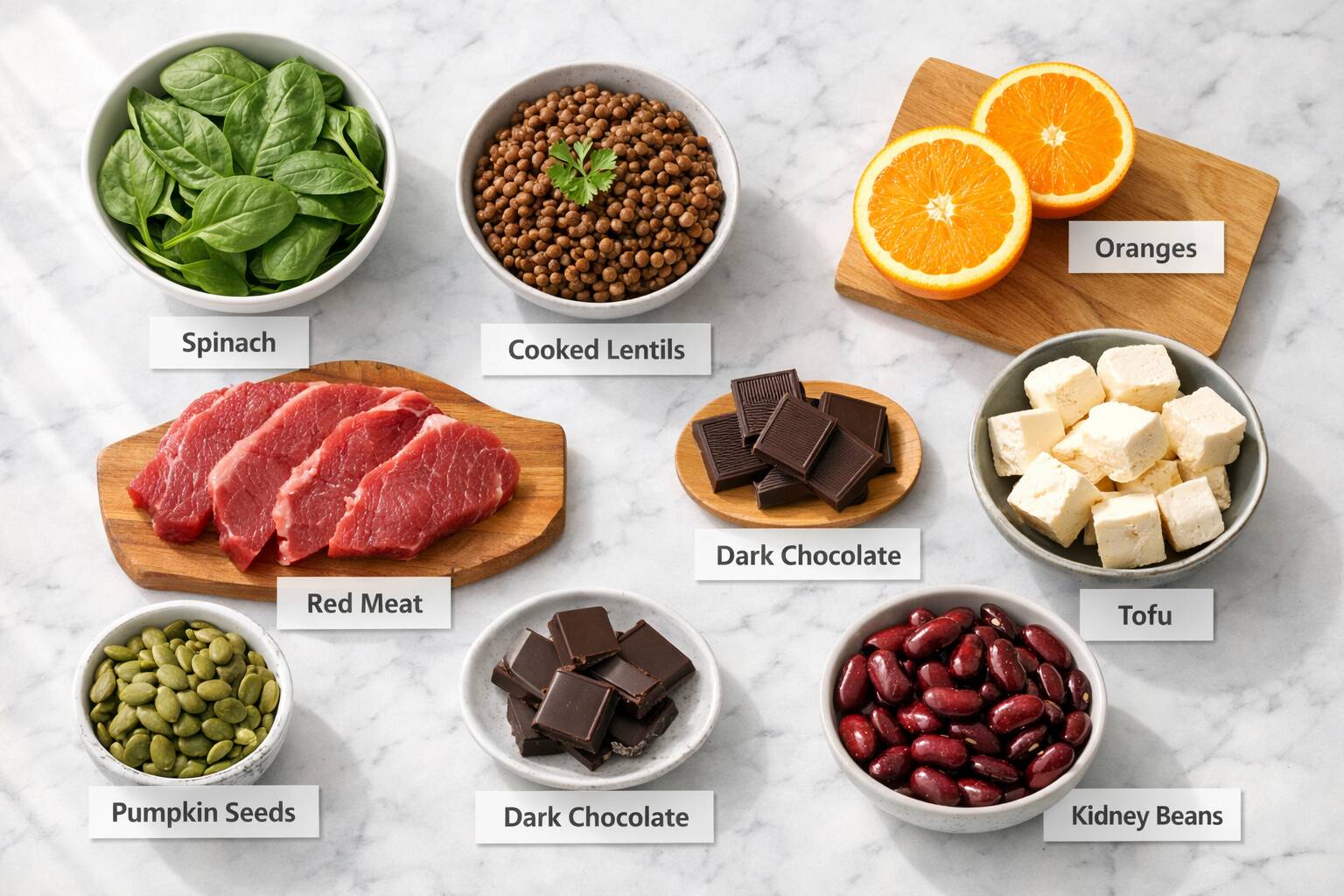
- Vegans and vegetarians — plant-based (non-heme) iron is absorbed at a rate of only 2–20%, compared to 15–35% for heme iron from animal sources (Journal of Nutrition, 2020)
- Pregnant women and seniors — increased demand or reduced dietary intake compounds the risk
A 2019 study found that 35% of female athletes and 11% of male athletes are iron deficient — numbers that are difficult to ignore.
How to Boost Absorption Naturally
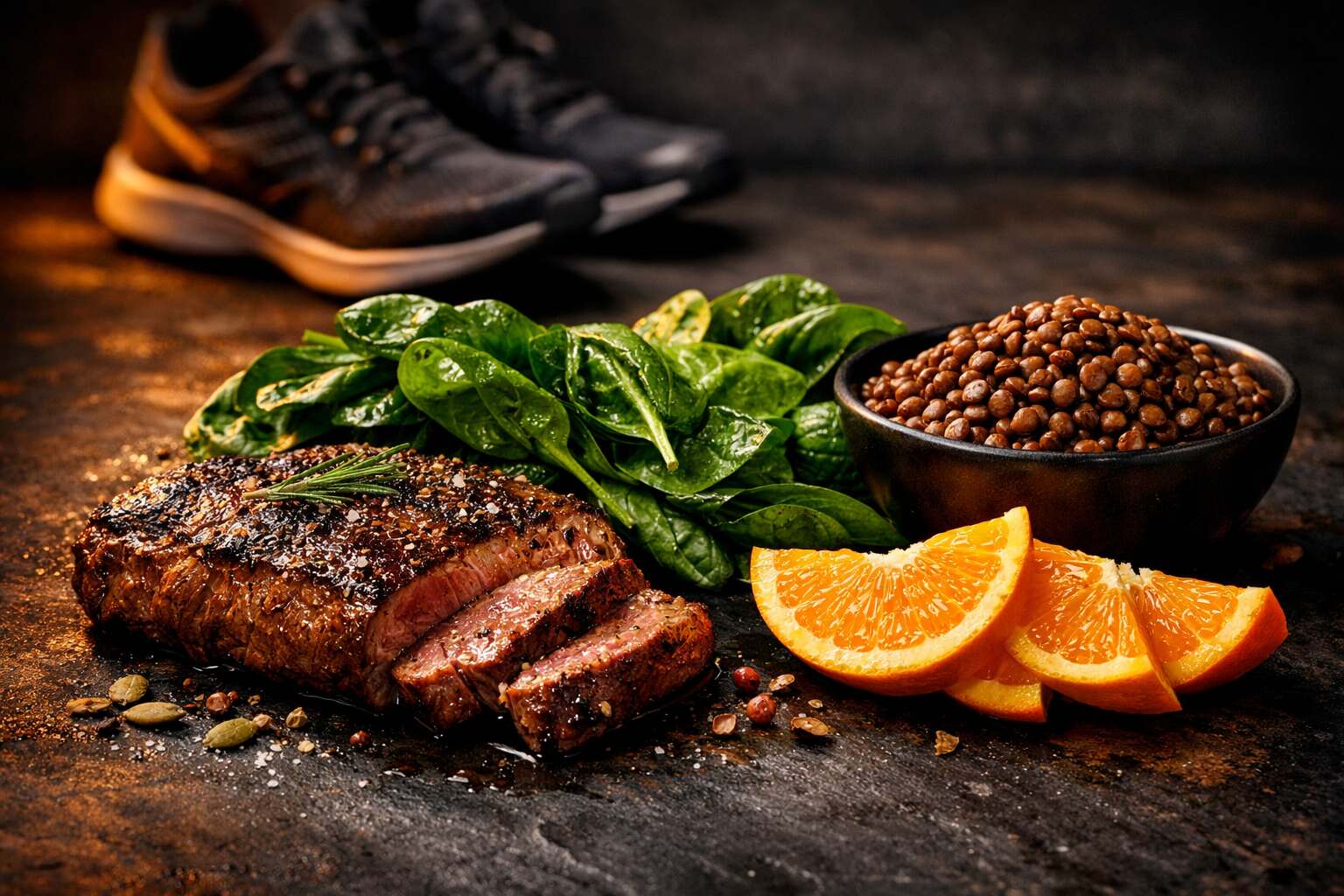
You don’t need supplements to start improving iron status. Pair iron-rich foods with absorption enhancers:
- Vitamin C (citrus, bell peppers) — significantly increases non-heme iron absorption
- Vitamin A and Beta-Carotene (sweet potato, carrots) — support iron mobilization
- Lean meats, poultry, and fish — provide highly bioavailable heme iron
Avoid consuming coffee, tea, or calcium-rich foods alongside iron-rich meals, as these inhibit absorption.
Iron, Anemia, and Your Training
Iron deficiency anemia occurs when hemoglobin drops too low to effectively transport oxygen. Symptoms — fatigue, breathlessness, pale skin, poor concentration — directly mirror overtraining syndrome, making it frequently misdiagnosed in athletes.
When iron levels are restored through dietary adjustments or supplementation, research shows measurable improvements in VO₂ max, endurance capacity, and cognitive function (Journal of Applied Physiology, 2018).
Supplementation guidance: The recommended dietary allowance (RDA) for iron is 8 mg/day for adult men and 18 mg/day for women aged 19–50 (USDA Dietary Guidelines, 2020–2025). Therapeutic doses for deficiency are typically 150–200 mg/day of elemental iron, taken under medical supervision. Excess iron intake can cause liver damage and oxidative stress — always confirm deficiency with a blood test before supplementing.
Performance, Recovery, and Immune Health
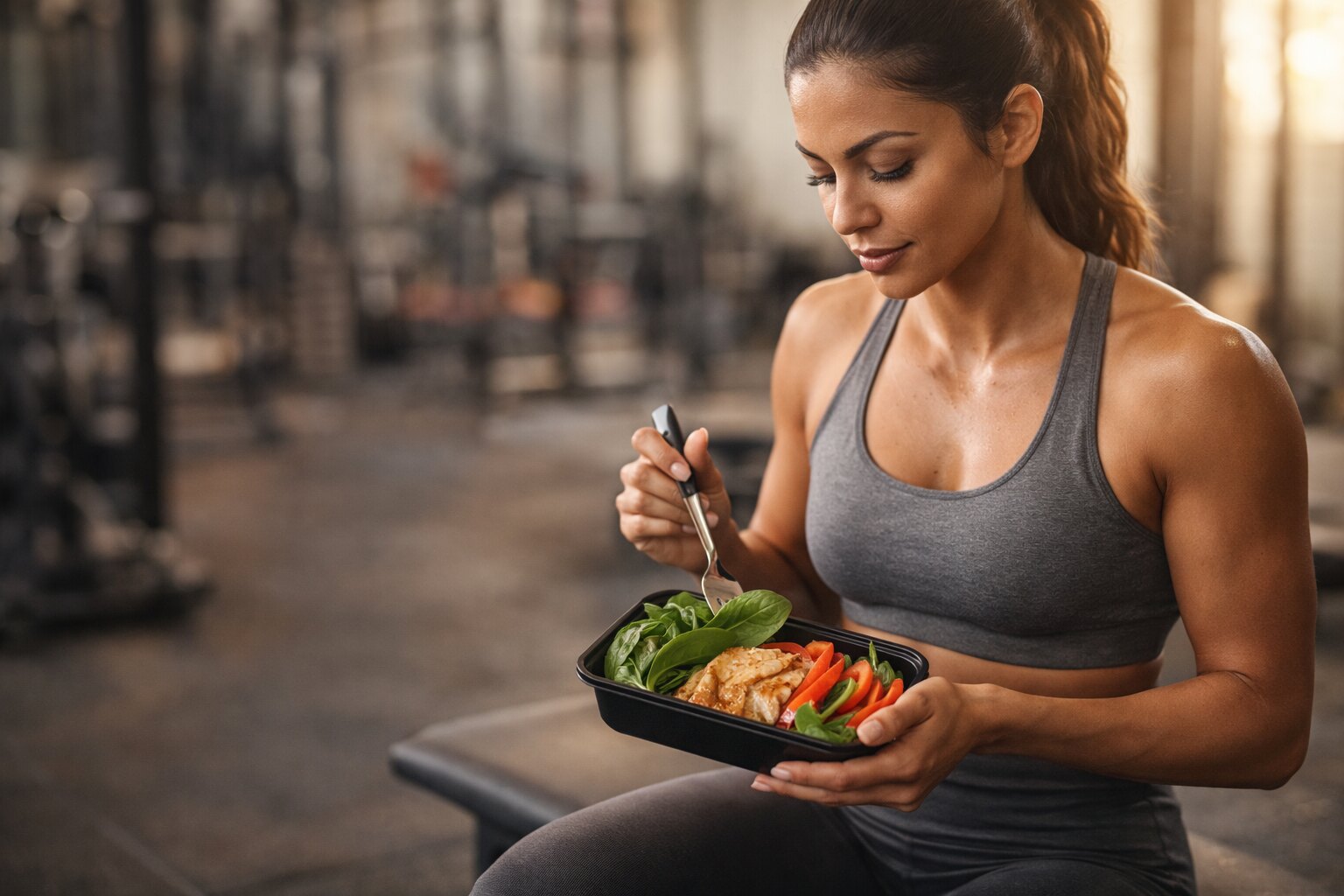
Iron is not just a performance mineral — it’s a recovery mineral. Adequate iron levels support:
- Faster tissue repair — oxygen-rich blood accelerates healing of micro-tears in muscle
- Reduced inflammation — iron supports healthy muscle elasticity and tone
- Immune resilience — iron promotes white blood cell production, critical for athletes in heavy training blocks
Conversely, excess iron acts as a pro-oxidant, contributing to cardiovascular stress and elevated inflammation markers. Monitoring is key.
Your Iron Optimization Checklist
- Get a full blood panel (ferritin + serum iron + hemoglobin) at least once a year
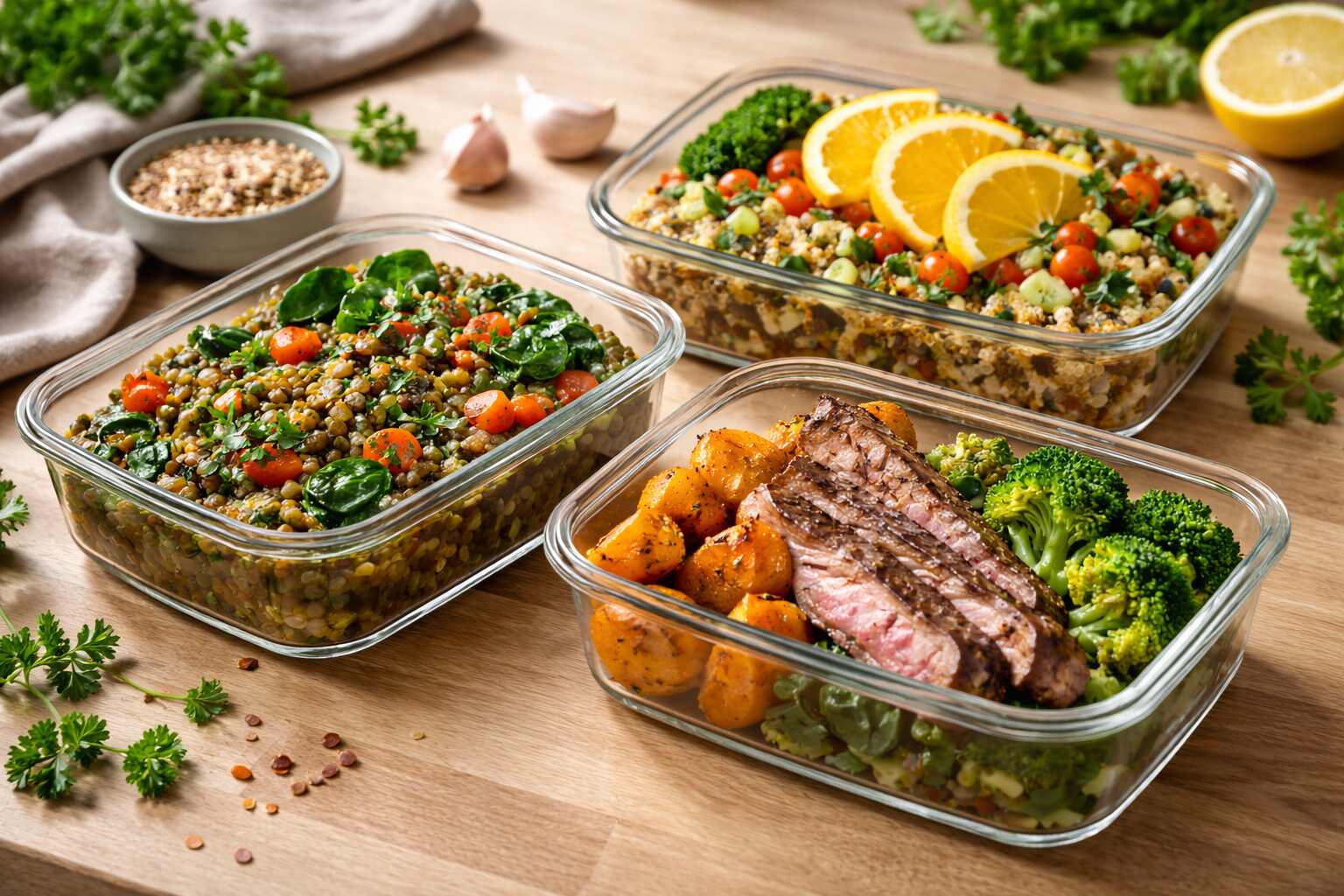
- Prioritize iron-rich whole foods before turning to supplements
- Pair plant-based iron with vitamin C at every meal
- Avoid iron supplementation without confirmed deficiency
- Discuss therapeutic doses with a registered dietitian or sports medicine physician
Conclusion
Iron is one of the most underestimated performance nutrients in fitness. Whether your goal is stronger workouts, faster recovery, or simply living a longer, healthier life, keeping your iron in the optimal range is non-negotiable. Start with food first, test your levels regularly, and treat supplementation as a targeted tool — not a daily habit.
Disclaimer: This article is for informational purposes only and does not constitute medical advice. Always consult a licensed healthcare provider before making changes to your diet or supplement routine, particularly regarding iron supplementation.
Sources:
- University of Edinburgh, Iron Metabolism & Aging Study — Nature Communications, 2020
- Journal of Applied Physiology — Iron Status and Endurance Performance, 2018
- Nutrients — Iron Deficiency and Immune Function, 2021
- Journal of Nutrition — Bioavailability of Dietary Iron, 2020
- USDA Dietary Guidelines for Americans, 2020–2025