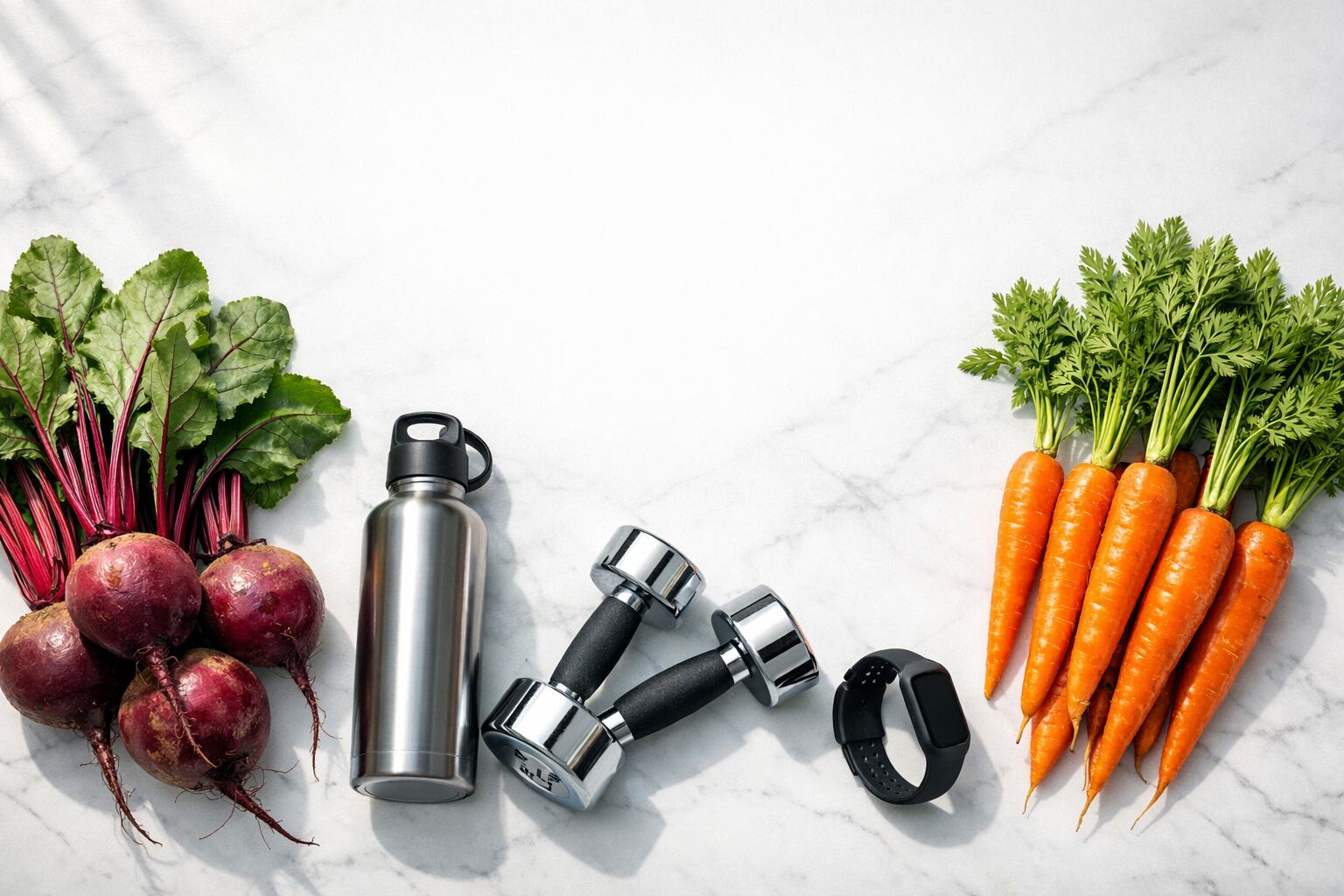
As an athlete or fitness enthusiast, you know that nutrition is the foundation of performance. But when it comes to choosing between beetroot and carrot—two nutritional powerhouses—which one deserves a prime spot in your meal prep? Both vegetables offer unique benefits that can enhance your training, but understanding their distinct nutritional profiles will help you make strategic choices aligned with your fitness goals.
The Nutritional Face-Off: What Science Reveals
Both beetroot and carrot are low-calorie, nutrient-dense vegetables that fit seamlessly into any fitness-focused diet. At roughly 40-43 calories per 100 grams, they provide substantial nutrition without compromising your macros. However, their micronutrient profiles tell very different stories.
According to data from the USDA FoodData Central, these vegetables excel in complementary areas. Beetroot dominates in minerals crucial for athletic performance, while carrot takes the vitamin crown with impressive antioxidant content.
Beetroot: The Endurance Athlete’s Secret Weapon
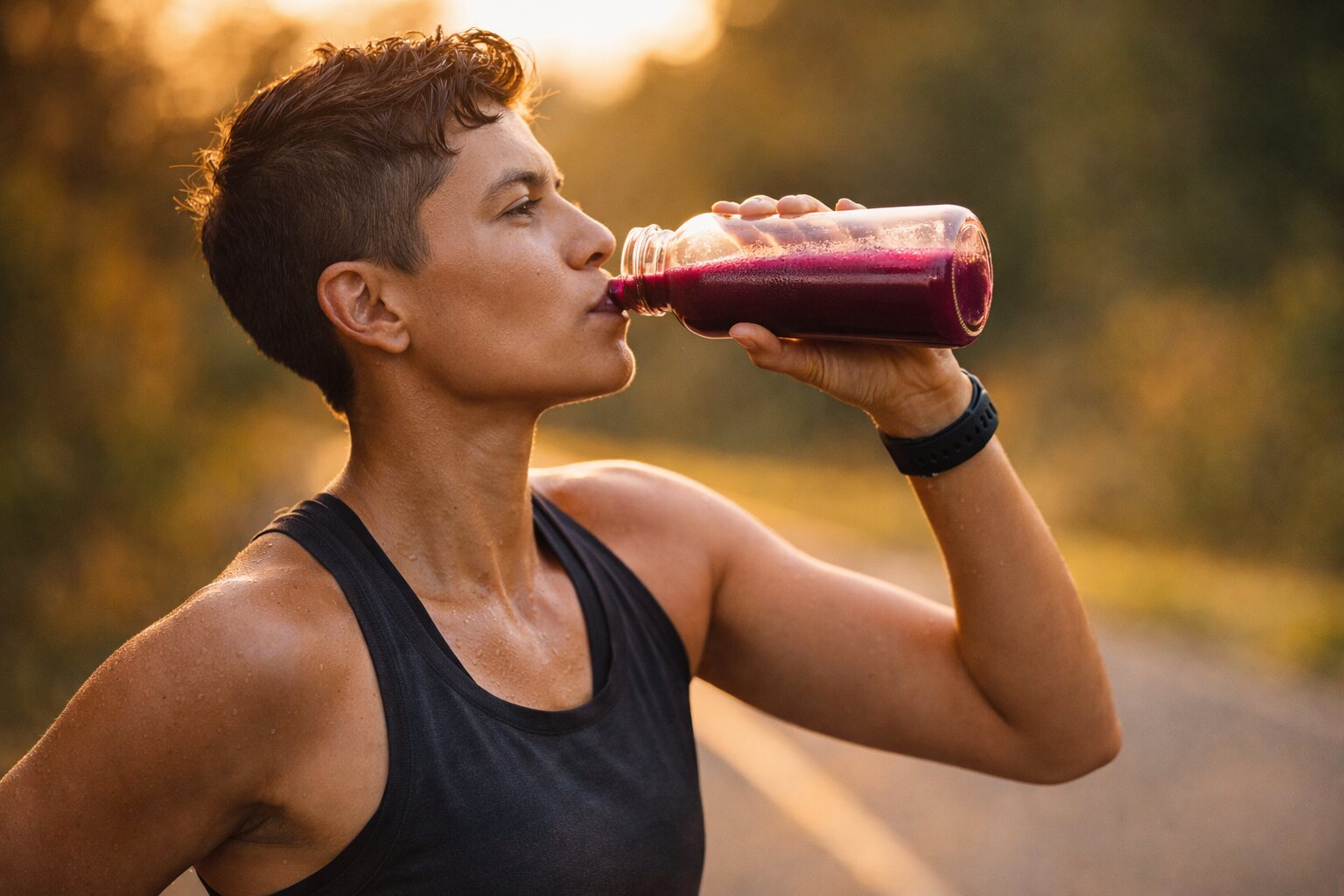
If you’re focused on endurance, power output, or workout recovery, beetroot should be your go-to vegetable. Research published in the Journal of Applied Physiology has repeatedly demonstrated that beetroot’s high nitrate content can improve exercise performance by enhancing oxygen delivery to muscles.
Key Performance Benefits
Beetroot provides exceptional levels of folate (109µg per 100g), delivering nearly six times more than carrot. Folate plays a critical role in red blood cell formation and DNA synthesis—essential for recovery and adaptation to training stress. The vegetable also contains significantly higher amounts of iron (0.8mg vs 0.3mg), which supports oxygen transport and can help prevent exercise-induced anemia common in endurance athletes.
The mineral profile of beetroot is particularly impressive for active individuals. It contains 92% more magnesium than carrot (23mg vs 12mg), a mineral that regulates muscle contraction, energy production, and electrolyte balance. Additionally, beetroot provides 67% more copper and 46% more zinc—trace minerals essential for immune function and protein synthesis during muscle repair.
Optimal Consumption for Athletes
For performance enhancement, consume 200-300ml of beetroot juice or 200g of cooked beetroot 2-3 hours before intense training sessions. Studies in Nutrients journal suggest this timing maximizes nitrate conversion to nitric oxide, improving blood flow and reducing oxygen cost during exercise.
Carrot: The Vision and Immunity Champion
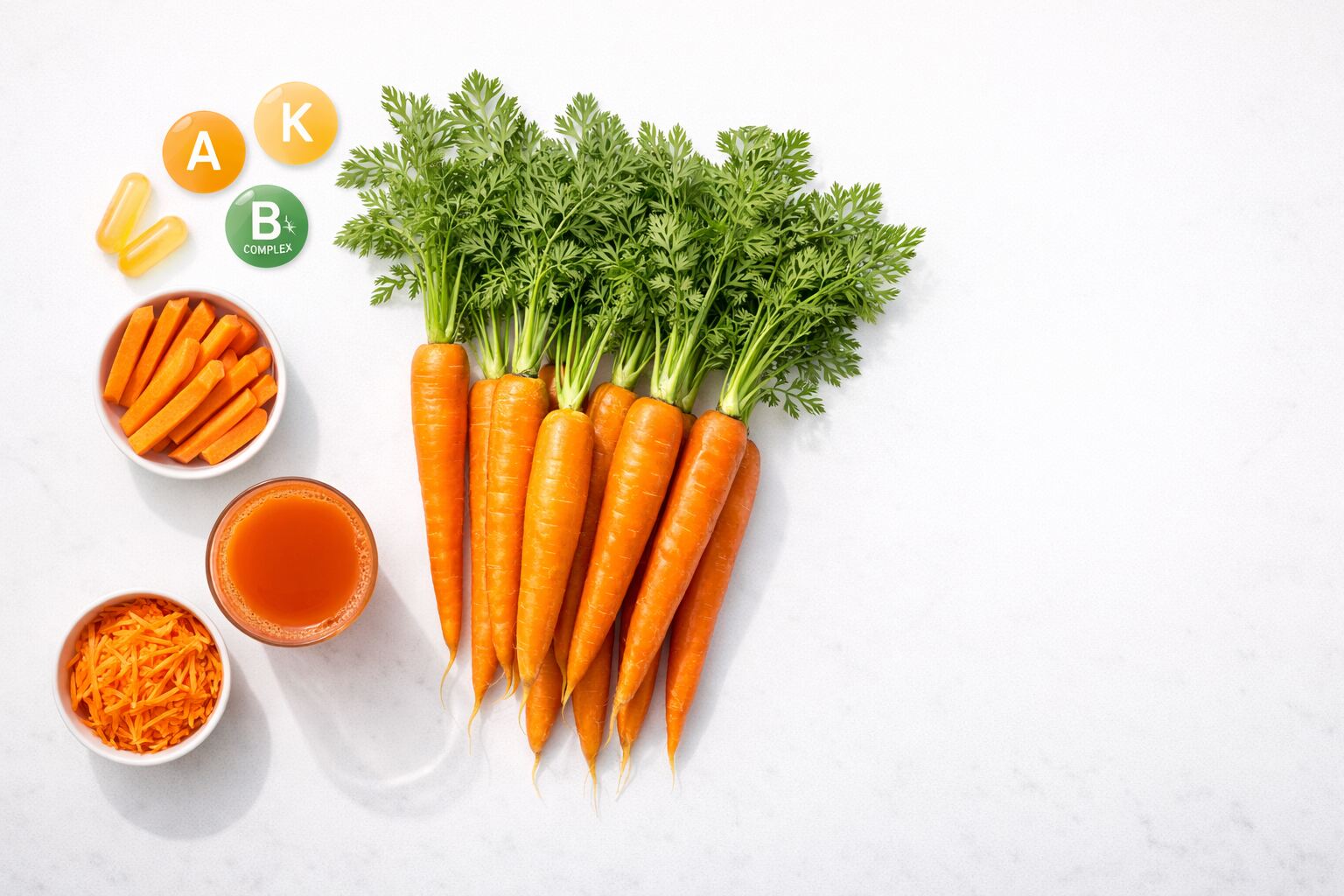
While beetroot excels in minerals, carrot absolutely dominates in the vitamin department, particularly for vitamins A, K, and the B-complex family. A single 100g serving of raw carrot provides 16,706 IU of vitamin A—an astounding 50,524% more than beetroot—meeting 93% of your daily needs.
Benefits for Active Lifestyles
Vitamin A is crucial for maintaining healthy vision, immune function, and cellular communication. For athletes training in various conditions, this vitamin supports eye health during outdoor activities and helps maintain mucosal barriers that protect against respiratory infections.
Carrot also provides substantially more vitamin K (13.2µg vs 0.2µg), which is essential for bone health and proper blood clotting—important considerations for athletes engaged in high-impact activities. The vitamin B complex content in carrot (including B1, B2, B3, B5, and B6) supports energy metabolism, helping convert the food you eat into usable fuel during workouts.
Best Uses in Your Diet
Raw carrots make excellent pre-workout snacks due to their lower glycemic index (35 vs 64 for beetroot), providing steady energy without blood sugar spikes. The beta-carotene in carrots is fat-soluble, so pair them with healthy fats like hummus, nut butter, or olive oil for maximum absorption.
The Strategic Nutrition Choice
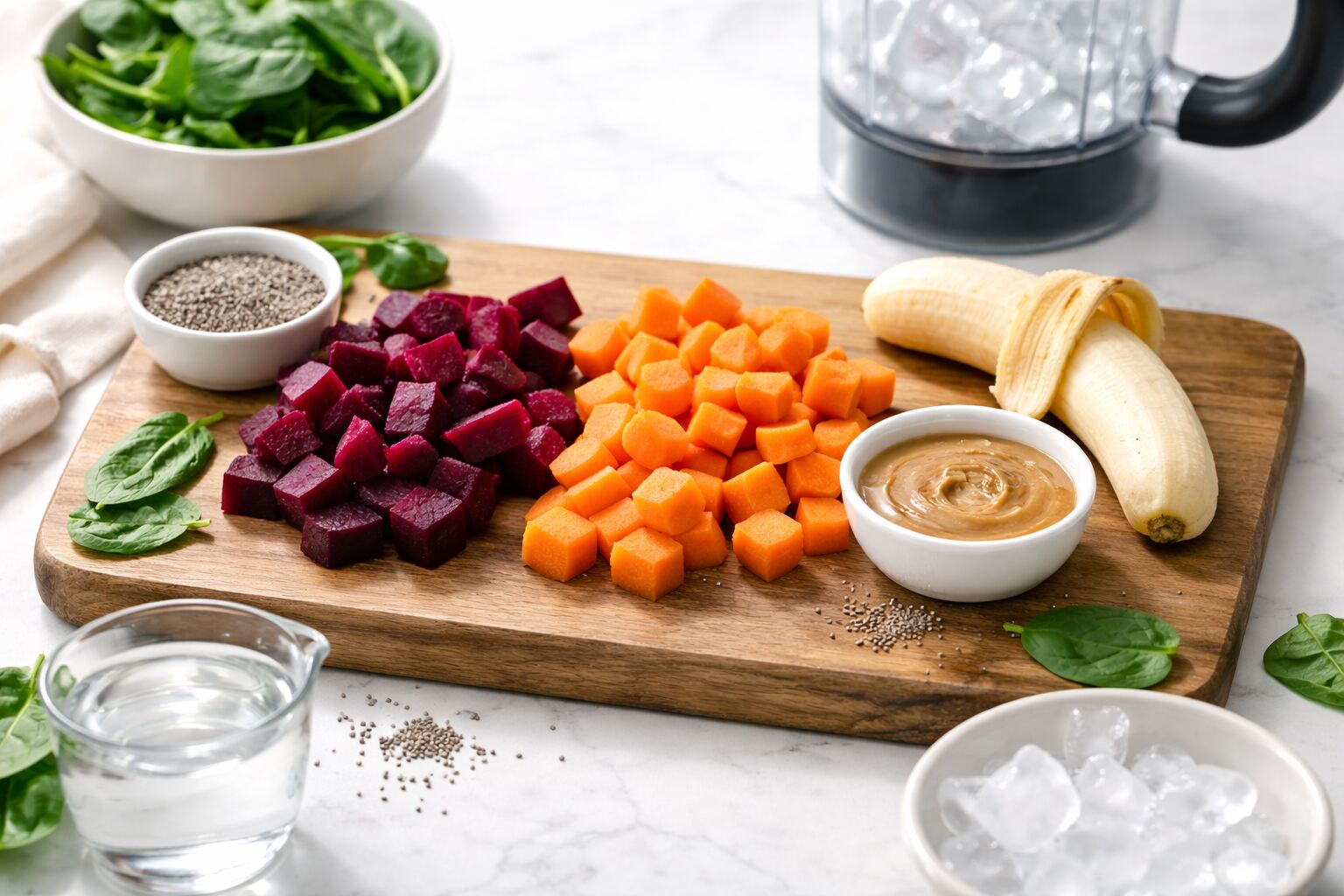
Rather than choosing one over the other, strategic athletes incorporate both vegetables for comprehensive nutrition. Beetroot’s mineral density and performance-enhancing nitrates complement carrot’s antioxidant power and vitamin content.
Practical Integration Tips
For Endurance Training: Prioritize beetroot juice or roasted beetroot in the hours before long runs, cycling sessions, or high-intensity interval training.
For Recovery: Combine both vegetables in post-workout smoothies. The folate and iron from beetroot support red blood cell production, while carrot’s vitamin A aids immune recovery.
For Weight Management: Both vegetables are low in calories (41-43 kcal per 100g) and high in fiber (2.8g), promoting satiety. Carrot has slightly less sugar (4.74g vs 6.76g), making it marginally better for strict calorie-cutting phases.
For Bone Health: Carrot’s superior calcium (33mg vs 16mg) and vitamin K content make it the better choice for athletes in weight-bearing sports concerned with bone density.
Sample Power Combinations
Blend 200g cooked beetroot, 100g raw carrot, 1 banana, and 1 tablespoon almond butter for a pre-workout smoothie that delivers both immediate and sustained energy. Alternatively, roast both vegetables with olive oil and pair with lean protein for a complete post-training meal.
The Bottom Line
Your choice between beetroot and carrot should align with your specific training goals. Endurance athletes, those focused on cardiovascular performance, or anyone looking to boost workout intensity will benefit most from beetroot’s nitrate content and mineral profile. Meanwhile, athletes prioritizing immune health, vision, antioxidant protection, or managing blood sugar should emphasize carrot consumption.
The ideal approach? Include both in your weekly nutrition plan. Beetroot offers unmatched performance benefits through improved oxygen delivery and mineral density, while carrot provides essential vitamins that support overall health, recovery, and cellular function. Together, they create a nutritional synergy that supports every aspect of your fitness journey.
Disclaimer: This article is for informational purposes only and does not constitute medical or nutritional advice. Individual nutritional needs vary based on training intensity, body composition, health status, and fitness goals. Consult with a registered dietitian or healthcare provider before making significant dietary changes, especially if you have existing health conditions or take medications that may interact with high-nitrate foods like beetroot.
References:
- USDA FoodData Central: Nutritional database for beets and carrots
- Journal of Applied Physiology: Studies on beetroot nitrate and exercise performance
- Nutrients: Research on dietary nitrates and athletic performance
- American Journal of Clinical Nutrition: Beta-carotene absorption and health benefits