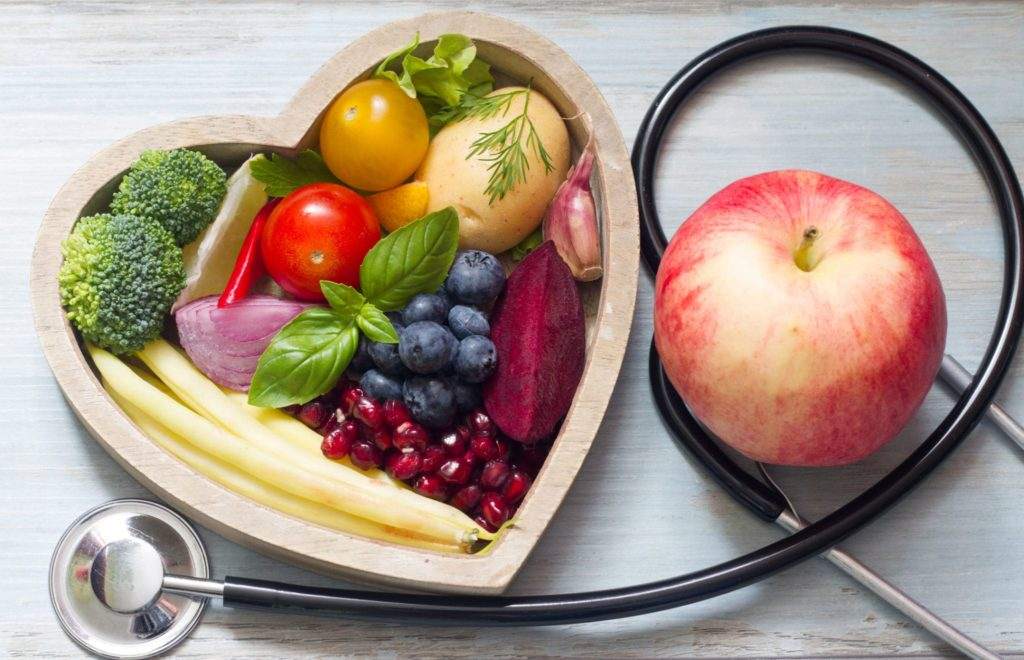
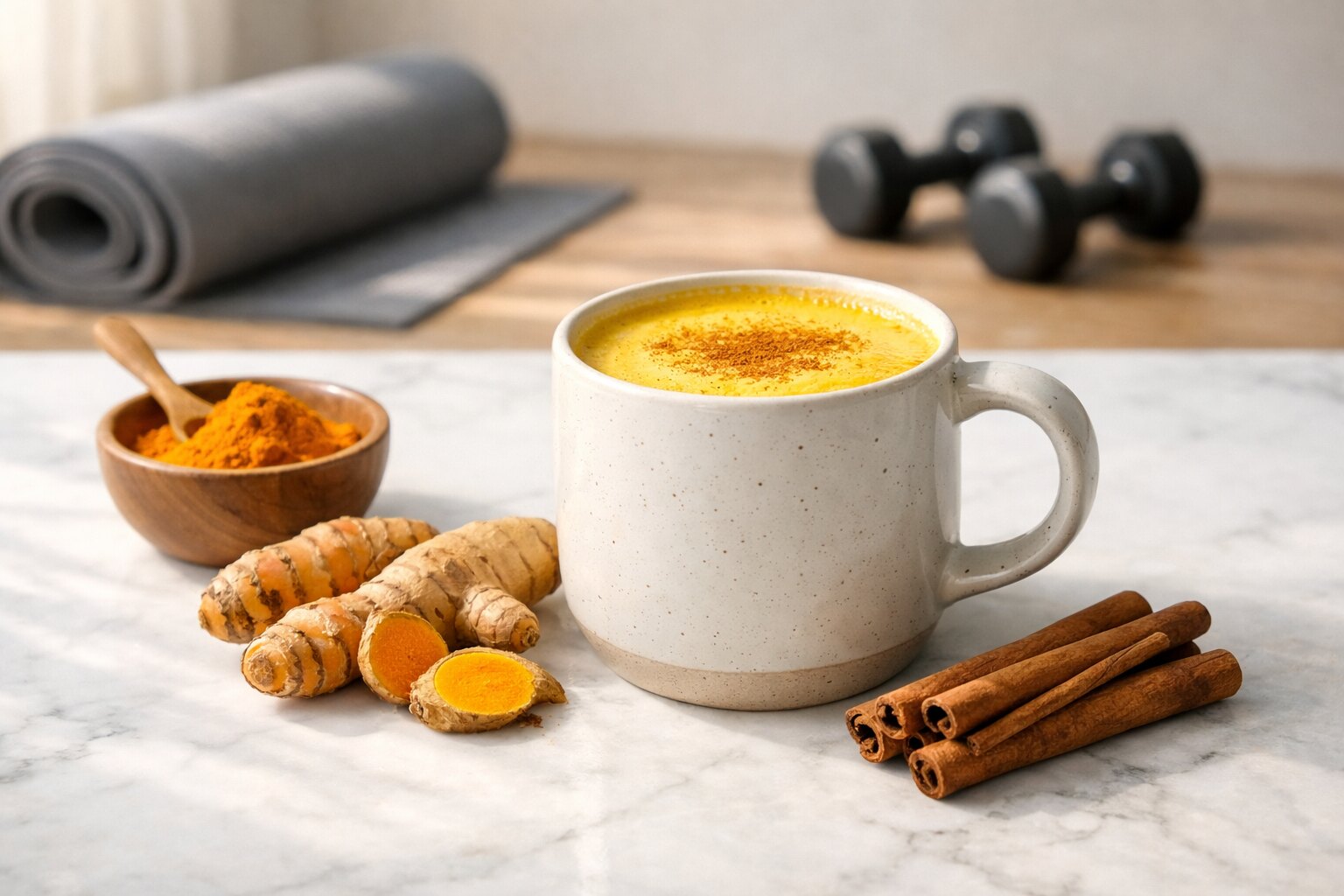
If you’re juggling fitness goals while trying to stay healthy, you’re not alone. In today’s health-conscious world, finding foods that simultaneously support weight management and immune function is a game-changer for active individuals. The good news? Your kitchen likely already contains powerful ingredients that can help you achieve both goals.
Research published in Nutrients demonstrates that certain bioactive compounds in everyday foods can enhance immune response while supporting metabolic health. Let’s explore five evidence-based nutritional strategies that can help you optimize your body composition and build a more resilient immune system.
1. Cold-Pressed Virgin Coconut Oil: Your Metabolism-Boosting Ally
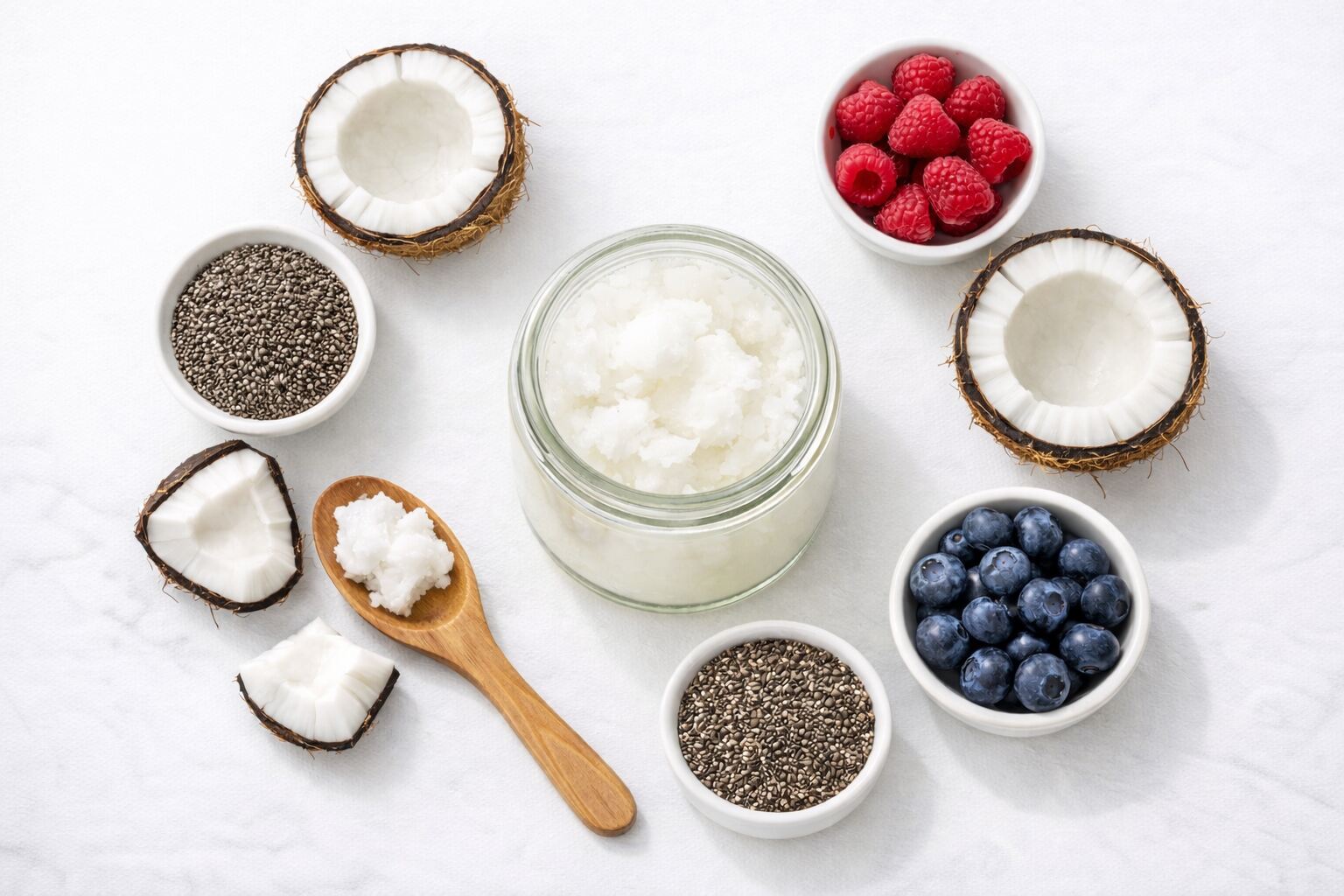
Virgin coconut oil contains medium-chain triglycerides (MCTs), which your body metabolizes differently than other fats. According to research in the Journal of the Academy of Nutrition and Dietetics, MCTs can increase energy expenditure and promote satiety, making them valuable for weight management.
How to Use It:
- Add 1-2 tablespoons to your morning smoothie or coffee
- Use for light sautéing at temperatures below 350°F
- Drizzle over salad bowls or roasted vegetables
- Incorporate into pre-workout snacks for sustained energy
Pro Tip: Start with one teaspoon daily and gradually increase to allow your digestive system to adapt. The lauric acid in coconut oil has antimicrobial properties that support immune function, as noted in studies published in Lipids.
2. Garlic: The Antimicrobial Powerhouse
Fresh garlic contains allicin, a sulfur compound with potent immune-enhancing and antimicrobial properties. A study in The Journal of Nutrition found that aged garlic extract supplementation enhanced immune cell function and reduced the severity of cold and flu symptoms.
How to Use It:
- Crush or mince fresh garlic and let it sit for 10 minutes before cooking to maximize allicin formation
- Add to homemade chutneys, salsas, and dips
- Incorporate into post-workout meals with lean proteins
- Mix with Greek yogurt and herbs for a high-protein, immune-supporting dip
Optimal Dosage: Aim for 1-2 fresh cloves daily. Raw or lightly cooked garlic retains more beneficial compounds than heavily processed forms.
3. Apple Cider Vinegar: The Pre-Meal Metabolic Primer

Apple cider vinegar (ACV) has gained attention for its potential effects on blood sugar regulation and satiety. Research in the Journal of Functional Foods suggests that acetic acid, the main component in ACV, may improve insulin sensitivity and reduce post-meal blood sugar spikes.
How to Use It:
- Mix 1-2 tablespoons with 8-10 ounces of water
- Consume 15-20 minutes before meals
- Add to homemade salad dressings with olive oil and herbs
- Blend into pre-workout drinks with lemon and a touch of honey
Important Caution: Always dilute ACV to protect tooth enamel and esophageal lining. If you have gastroparesis or acid reflux, consult your healthcare provider before regular use.
4. Cinnamon: The Blood Sugar Stabilizer
This aromatic spice does more than add flavor. According to a meta-analysis published in Diabetes Care, cinnamon supplementation can improve fasting blood glucose and lipid parameters. Ceylon cinnamon (true cinnamon) is preferred over Cassia cinnamon for regular consumption due to lower coumarin content.
How to Use It:
- Sprinkle ½ teaspoon over Greek yogurt or cottage cheese
- Add to protein smoothies and oatmeal
- Mix into pre-workout coffee or green tea
- Use in homemade energy balls with dates and nuts
Performance Benefit: By helping stabilize blood sugar levels, cinnamon can support sustained energy during workouts and prevent the crashes that derail your training and nutrition goals.
5. Golden Milk: The Recovery Elixir
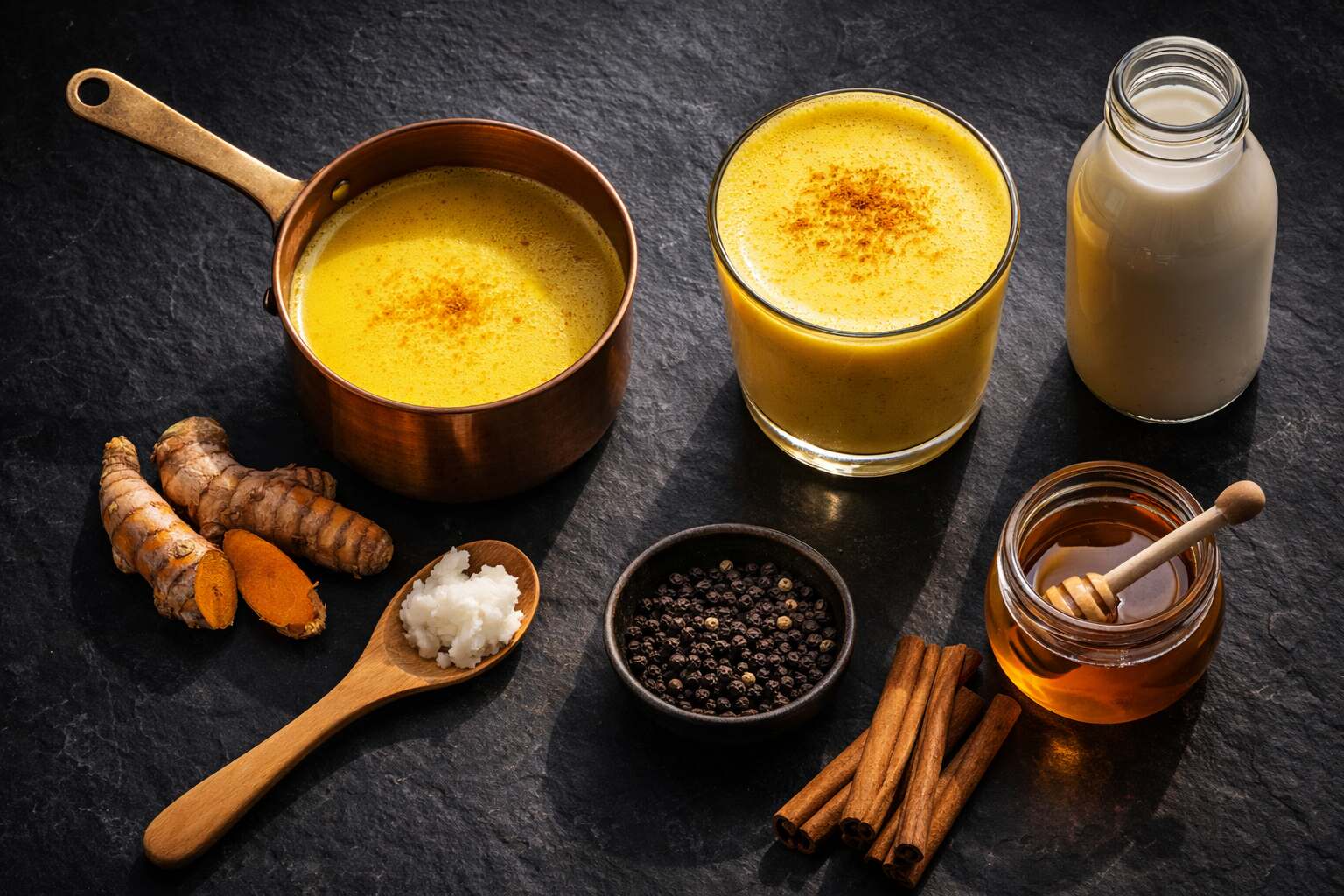
Turmeric contains curcumin, a powerful anti-inflammatory compound extensively studied for its health benefits. Research in Phytotherapy Research indicates that curcumin supplementation may reduce exercise-induced muscle damage and improve recovery in active individuals.
How to Make It:
- Warm 1 cup of milk (dairy or plant-based)
- Add ½ teaspoon turmeric powder
- Include a pinch of black pepper (enhances curcumin absorption by 2000%)
- Mix in ¼ teaspoon cinnamon and a touch of honey
Best Timing: Consume golden milk in the evening post-workout to support recovery, or before bed to promote restful sleep and overnight muscle repair.
The Bottom Line
These five food hacks aren’t magic bullets, but when combined with consistent training and a balanced diet, they can support your fitness journey and immune health. The key is consistency and proper integration into your existing nutrition plan.
Remember that individual responses vary, and what works for one person may differ for another. Track how these additions affect your energy levels, recovery, and overall well-being.
Disclaimer: This article is for informational purposes only and does not constitute medical advice. Consult with a healthcare provider or registered dietitian before making significant dietary changes, especially if you have existing health conditions or take medications.