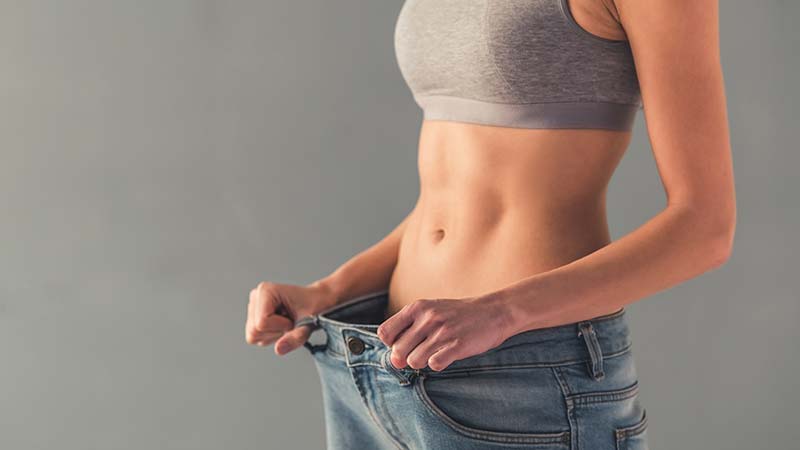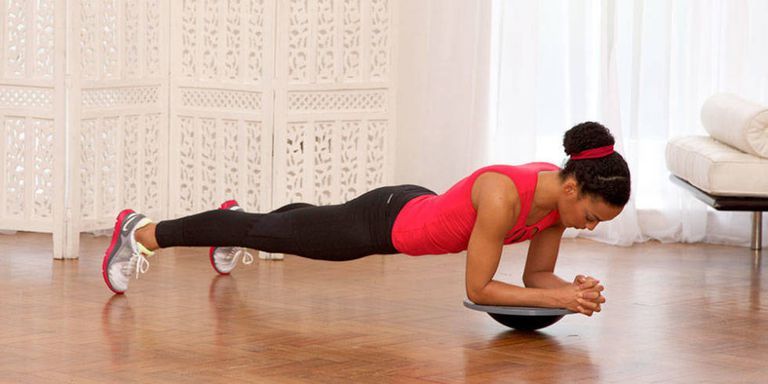
Antrenmanlarda enerjinizde bir düşüş, yavaş iyileşme süreleri veya düzenli antrenmanlara rağmen kas oluşturmakta zorlanıyorsanız, testosteron seviyeniz bunun suçlu olabileceği anlamına geliyor. Testosteronun 20’li yaşların başında zirveye ulaştığı ve 30 yaştan sonra düştüğü yaygın olarak kabul edilse de, araştırmalar Journal of Clinical Endocrinology & Metabolism modern yaşam tarzı faktörlerinin—kronik stres, kötü uyku ve beslenme eksiklikleri—bu kritik hormonun erken düşüşlerine neden olduğunu ortaya koyuyor.
Sporcular ve fitness tutkunları için optimal testosteron seviyelerini korumak sadece erkeklikle ilgili değildir; Performansı, toparlanmayı ve vücut kompozisyonunu maksimize etmekle ilgili. Doğal testosteron optimizasyonu hakkında bilmeniz gerekenler.
Testosteronun Eğitiminiz İçin Neden Önemli Olduğunu
Testosteron, kas protein sentezi, kemik yoğunluğu koruma, kırmızı kan hücresi üretimi ve egzersiz kaynaklı stresten iyileşme sağlayan birincil androjenik hormondur. Araştırmaya göre Sports Medicine, testosteron seviyeleri optimal aralıkta (300-1000 ng/dL) olan erkekler şunları yaşar:
- Enhanced muscle mass development and strength gains
- Improved workout recovery and reduced muscle soreness
- Better body composition and fat metabolism
- Increased energy, stamina, and mental focus during training
- Higher bone mineral density, reducing injury risk
Seviyeler bu aralığın altına düştüğünde, performansın azaldığını, daha uzun toparlanma sürelerini, motivasyonun azaldığını ve kas kütlesini korumada zorluk fark edebilirsiniz—düzenli antrenman yapsanız bile.
Kanıta Dayalı Doğal Testosteron Güçlendiricileri
Ashwagandha (Withania somnifera)
Bu adaptojenik bitki, spor beslenme araştırmalarında önemli bir ilgi görmüştür. Yayınlanan bir çalışma Journal of the International Society of Sports Nutrition Ashwagandha takviyesi yapan sporcularda sekiz hafta boyunca testosteron seviyelerinde %15 artış, kas gücü ve iyileşme artışı yaşandı.
Ashwagandha, testosteron üretimini engelleyen stres hormonu olan kortizolü düşürerek çalışır ve genel hormonal dengeyi destekler. Sporcular için bu, daha iyi stres yönetimi, uyku kalitesi ve gelişmiş antrenman uyumları anlamına gelir.
Dozaj: Günde iki kez 300-500 mg standart ekstrakt (%5 withanolid içerir) öğünlerle birlikte.
Profesyonel İpucu: Akşam dozunuzu yatmadan 1-2 saat önce alın, stres azaltıcı ve uyku destekleyici faydalarını en üst düzeye çıkarabilirsiniz.
Selenyum ve Brezilya Fıstığı
Bu iz mineral, testosteron sentezi ve sperm kalitesinde hayati rol oynar. Araştırma Biological Trace Element Research Selenyum takviyesinin, eksiklikleri olan erkeklerde testosteron seviyelerini iyileştirebileceğini ve aynı zamanda tiroid fonksiyonunu desteklediğini gösterir — bu da metabolik sağlık ve performansta önemli bir diğer faktördür.
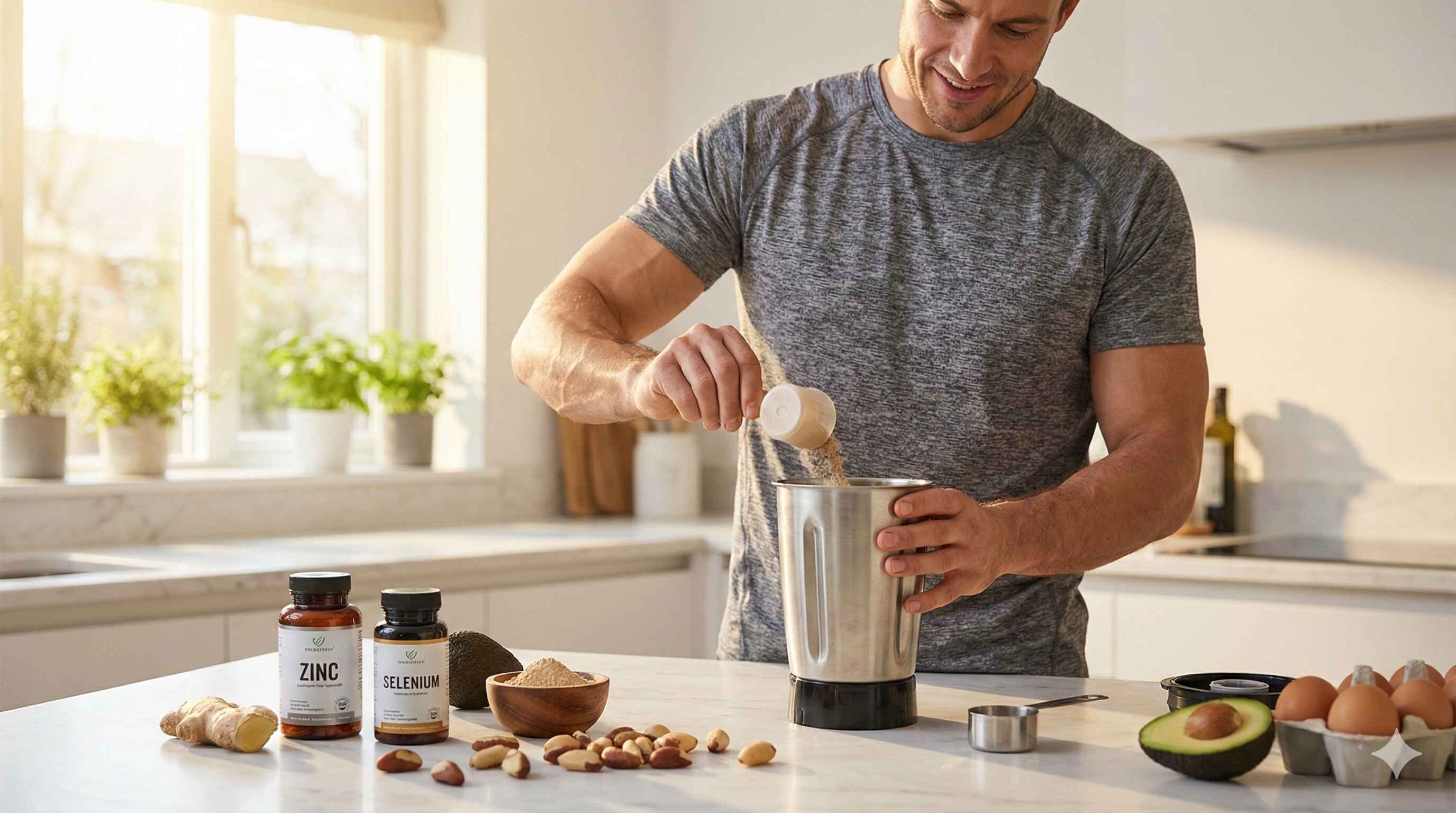
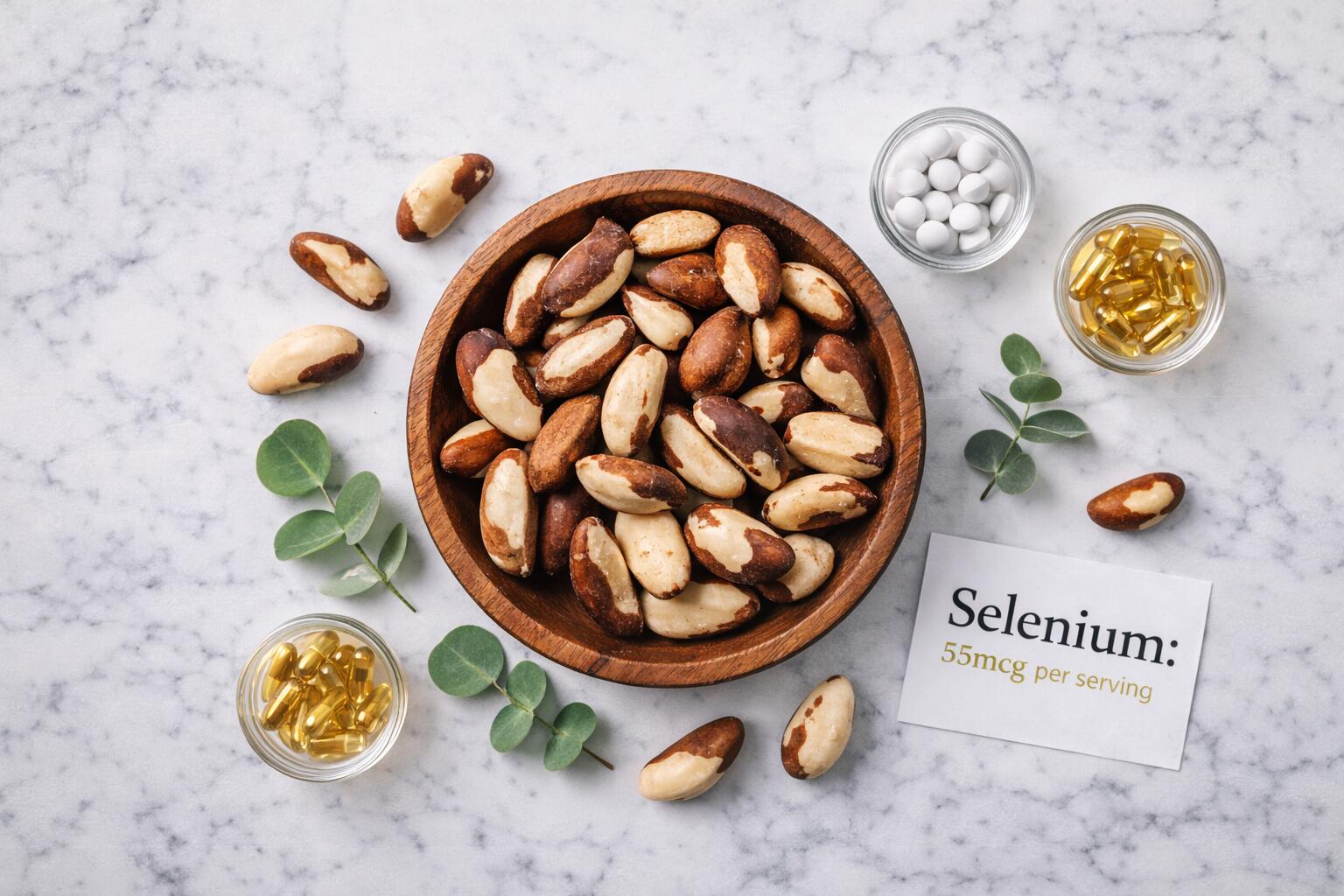
Brezilya fıstığı en zengin besin kaynağıdır; günlük ihtiyacınızı sadece 4-5 kuruyemez (55 mcg) karşılar. Ayrıca boru içerirler; araştırmalar bunun serbest testosteronu artırırken östrojeni azaltabileceğini gösteriyor.
Dozaj: Yetişkinler için günde 55 mcg (yaklaşık 4-5 Brezilya fıstığı).
Dikkat: Günlük 400 mcg’yi aşmayın, çünkü aşırı tüketimde selenyum toksisitesi oluşabilir.
Mucuna Pruriens (Kadife Fasulye)
Bu Ayurvedik bitki, dopaminin öncüsü olan L-DOPA açısından zengindir. Çalışmalar Fertility and Sterility Mucuna pruriens takviyesinin erkeklerde testosteron seviyelerini, sperm kalitesini ve psikolojik iyiliği iyileştirebileceğini göstermiştir. Sporcular için, dopaminin motivasyon ve ödül yollarındaki rolü, bu takviyeyi antrenman tutarlılığını ve yoğunluğunu korumak için özellikle değerli kılar.
Dozaj: Günlük 500-1000 mg standart tohum ekstraktı.
En İyi Zamanlama: Dopaminin motivasyon etkilerinden faydalanmak için sabah veya antrenman öncesi.
Çinko
Araştırmaya göre Nutrition, çinko eksikliği düşük testosteron seviyeleriyle doğrudan ilişkilidir. Bu temel mineral, yoğun antrenman sırasında ter yoluyla kaybolur ve sporcular özellikle eksikliğe karşı savunmasız hale gelir. Çinko takviyesinin, eksik bireylerde testosteron seviyelerini geri kazandığı ve ağır antrenman dönemlerinde bağışıklık fonksiyonunu desteklediği gösterilmiştir.
Gıda kaynakları arasında istiridye (en zengin kaynak), kırmızı et, kümes hayvanları, balkabağı çekirdeği ve baklagiller bulunur.
Dozaj: Erkekler için günde 11 mg (sporcular yoğun antrenman aşamalarında 15-20 mg’a kadar ihtiyaç duyabilir).
Profesyonel İpucu: Mide rahatsızlığını azaltmak için çinkoyu yiyeceklerle birlikte alın ve kalsiyum veya demir takviyeleriyle birlikte alın, çünkü bu takviyeler emilimi engelleyebilir.
Önemli Yaşam Tarzı Faktörleri
Sadece takviyeler testosteronunuzu optimize edemez. Araştırma Endocrine Reviews Bu temel uygulamaları vurgular:
Uyu: Her gece 7-9 saat hedefle. Bir çalışma Journal of the American Medical Association 5 saatten az uyuyan erkeklerin testosteron seviyelerinin %10-15 daha düşük olduğunu buldu.
Protein Alımı: Kas sentezini ve hormonal dengeyi desteklemek için günlük 1,6-2,2 g/kg vücut ağırlığı tüketin.
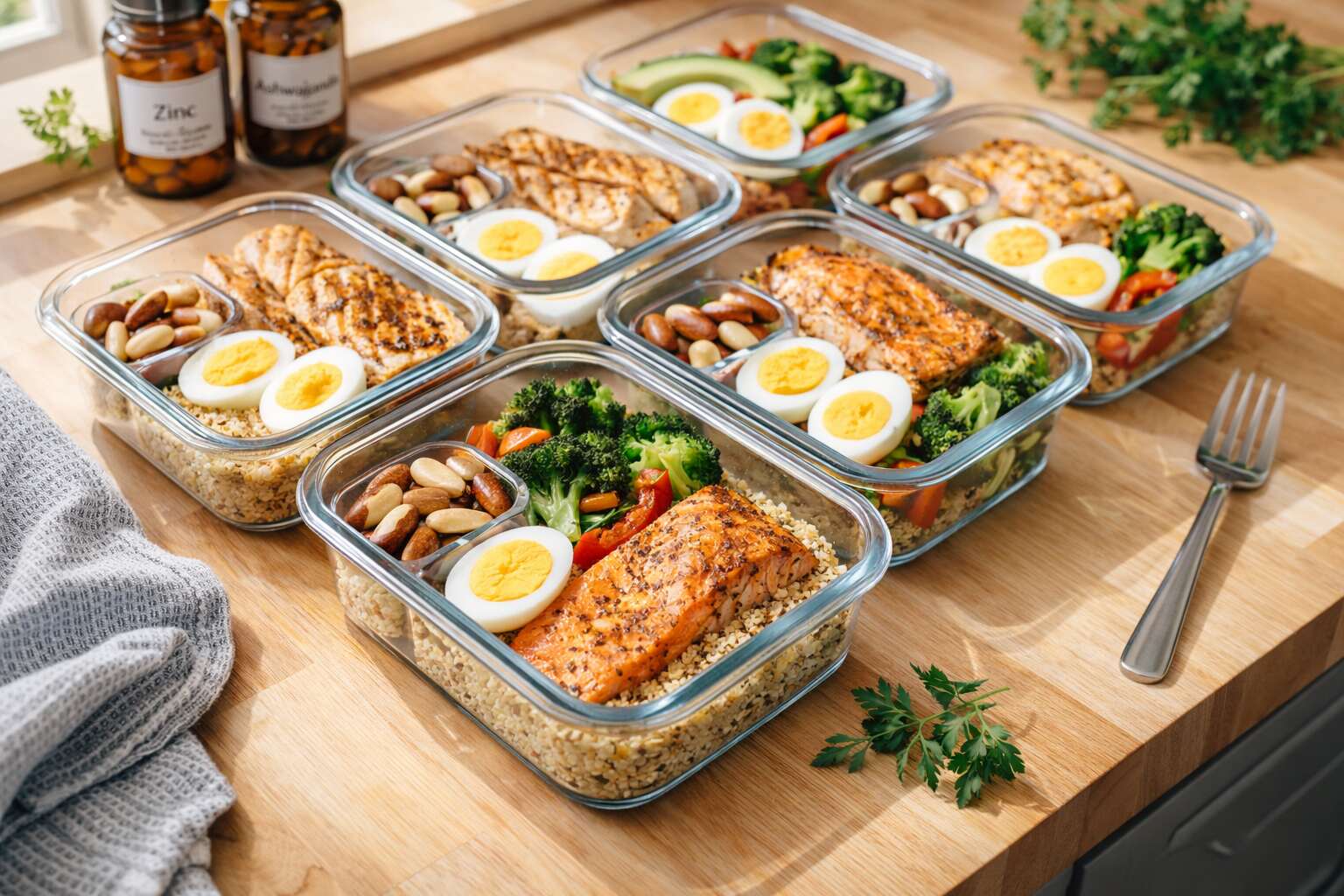
Sağlıklı Yağlar: Diyet kolesterolünden ve doymuş yağlardan korkmayın—bunlar testosteron üretiminin öncüsüdür. Yumurta, avokado, kuruyemiş ve yağlı balık gibi kaynakları dahil edin.
Stres Yönetimi: Kronik kortizol yükselmesi testosteronu baskılar. Meditasyon, yoga veya diğer stres azaltma uygulamalarını dahil edin.
Limit Sugar: Aşırı şeker tüketimi, testosteron üretimini olumsuz etkileyen insülin artışlarına neden olabilir.
Sonuç
Doğal testosteron optimizasyonu, hedefe yönelik takviyeleri yaşam tarzı faktörleriyle birleştiren çok yönlü bir yaklaşımdır. Bu kanıta dayalı güçlendiriciler sağlıklı hormon seviyelerini desteklese de, kapsamlı bir eğitim, beslenme ve iyileşme programına entegre edildiklerinde en iyi şekilde çalışırlar.
Eğer klinik olarak düşük testosteron şüpheleriniz varsa (kalıcı yorgunluk, kas yapamama, düşük libido), test ve uygun tedavi için bir sağlık uzmanına danışın.
Feragatname: Bu makale yalnızca bilgilendirme amaçlıdır ve tıbbi tavsiye teşkil etmez. Herhangi bir takviye rejimine başlamadan önce, özellikle önceden var olan sağlık sorunlarınız varsa veya ilaç kullanıyorsanız bir sağlık profesyoneline danışın. Bireysel sonuçlar değişebilir.