
Your fitness routine tracks your sleep, calories, and recovery — but what about your sexual health? For active individuals and couples, libido is a direct reflection of hormonal balance, stress load, and overall wellness. Understanding what’s “normal” can reduce unnecessary pressure and help you build a healthier relationship alongside your healthy body.
Волшебного числа не существует
Один из самых востребованных вопросов в области здоровья отношений — это:“How much sex should married couples be having?”Краткий ответ:Универсального эталонного стандарта нет.
Исследования, опубликованные вArchives of Sexual Behavior(2017) проанализировали данные более 26 000 американцев и обнаружили, что пары, занимавшиеся сексом один раз в неделю, отмечали наивысшее удовлетворение отношениями — но более частый секс не значительно повышал счастье сверх этого порога.
Что важнее частоты:
- Mutual satisfaction — both partners feel fulfilled
- Consistency — regular intimacy, even if infrequent
- Communication — open dialogue about needs and expectations
Whether that means twice a week or twice a month, the “right” amount is what works for yourОтношения — не друга.
Связь между фитнесом и либидо
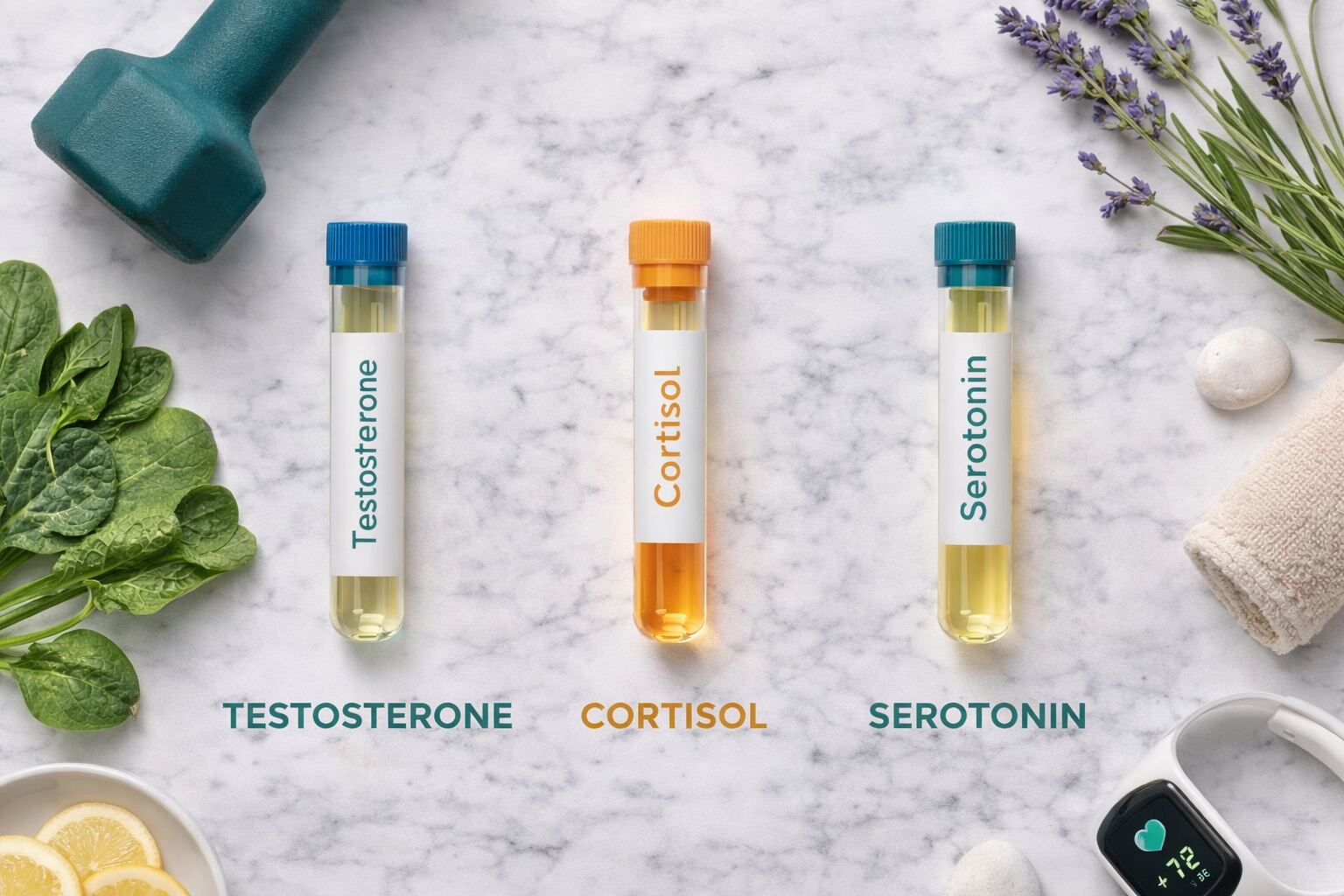
Как человек, который ставит физическое здоровье на первое место, у вас уже есть преимущество. Физические упражнения существенно влияют на либидо благодаря их воздействию на ключевые гормоны:
- Testosterone: Resistance training elevates testosterone in both men and women, directly supporting sex drive (Journal of Clinical Endocrinology & Metabolism, 2012)
- Cortisol: Chronic stress and overtraining suppress libido; recovery is as important as the workout
- Dopamine & Serotonin: Aerobic exercise boosts mood-regulating neurotransmitters, which improve desire and intimacy
Pro Tip: If your libido has dropped, check your training load. Overtraining syndrome is a documented libido suppressor — rest and recovery matter.
Понимание несоответствия желаний

Распространённая проблема в долгосрочных отношениях — это несоответствие либидо — так секс-терапевты называютНесоответствие желаний. Один партнёр хочет больше близости; другой доволен меньшим. Это не признак неудачи — это абсолютно нормально.
Ранняя фаза отношений вызывает нейрохимические изменения (повышенный дофамин и норадренал), которые временно усиливают желание. Со временем, по мере взросления отношений, эти уровни нормализуются.
Стратегии управления разницами в желаниях:
- Scheduled intimacy — just as you schedule workouts, schedule time for connection; research supports that anticipated intimacy can increase desire (Sexual and Relationship Therapy, 2019)
- Broaden the definition — physical closeness, massage, or non-sexual touch maintains bonding hormones like oxytocin
- Address root causes — fatigue, low testosterone, or poor sleep are addressable health issues, not permanent states
Практическое время и оптимизация
Время имеет значение — как в тренировках, так и в интимности. Большинство пар совершают ошибку, оставляя секс перед сном, когда уровень энергии и тестостерона на самом низком уровне.
Лучшие варианты тайминга:
- Morning — testosterone peaks in the early hours for most adults
- Post-workout (not immediately after) — exercise elevates mood and body confidence; allow 30–60 minutes for cortisol to normalize
- Weekends or rest days — when physical recovery is higher and cognitive stress is lower
Когда обращаться за поддержкой
Низкое либидо — это не личный недостаток, а часто симптом. Если расхождение в желаниях или низкое желание сохраняется, рассмотрите возможность оценки:
- Hormonal panels (testosterone, estradiol, thyroid)
- Sleep quality (poor sleep reduces testosterone by up to 15%, per JAMA, 2011)
- Mental health — anxiety and depression are among the leading causes of reduced libido
- Couples therapy or sex therapy — evidence-based interventions with strong outcomes
Ключевые выводы
- Frequency is personal — aim for mutual satisfaction, not a societal benchmark
- Exercise supports libido — but overtraining can harm it
- Schedule intimacy — it’s not unromantic; it’s intentional
- Desire discrepancy is common — address it with communication, not shame
- Low libido has treatable causes — hormones, sleep, and stress are all optimizable
Disclaimer: This article is for informational and educational purposes only. It does not constitute medical or therapeutic advice. If you are experiencing persistent changes in libido or relationship concerns, please consult a licensed healthcare provider or certified sex therapist.
Источники:
- Muise, A. et al. (2017). Archives of Sexual Behavior — Sexual frequency and relationship well-being
- Vingren, J.L. et al. (2012). Journal of Clinical Endocrinology & Metabolism — Testosterone and resistance training
- Leproult, R. & Van Cauter, E. (2011). JAMA — Sleep and testosterone levels
- McCarthy, B. & Wald, L.M. (2019). Sexual and Relationship Therapy — Desire discrepancy interventions