
Your fitness routine tracks your sleep, calories, and recovery — but what about your sexual health? For active individuals and couples, libido is a direct reflection of hormonal balance, stress load, and overall wellness. Understanding what’s “normal” can reduce unnecessary pressure and help you build a healthier relationship alongside your healthy body.
Não existe número mágico
Uma das perguntas mais pesquisadas em bem-estar em relacionamentos é:“How much sex should married couples be having?”A resposta curta:Não existe um parâmetro universal.
Pesquisa publicada noArchives of Sexual Behavior(2017) analisou dados de mais de 26.000 americanos e descobriu que casais que faziam sexo uma vez por semana relatavam a maior satisfação no relacionamento — mas sexo mais frequente não aumentava significativamente a felicidade além desse limite.
O que importa mais do que a frequência:
- Mutual satisfaction — both partners feel fulfilled
- Consistency — regular intimacy, even if infrequent
- Communication — open dialogue about needs and expectations
Whether that means twice a week or twice a month, the “right” amount is what works for yourrelacionamento — não do seu amigo.
A Conexão Fitness-Libido
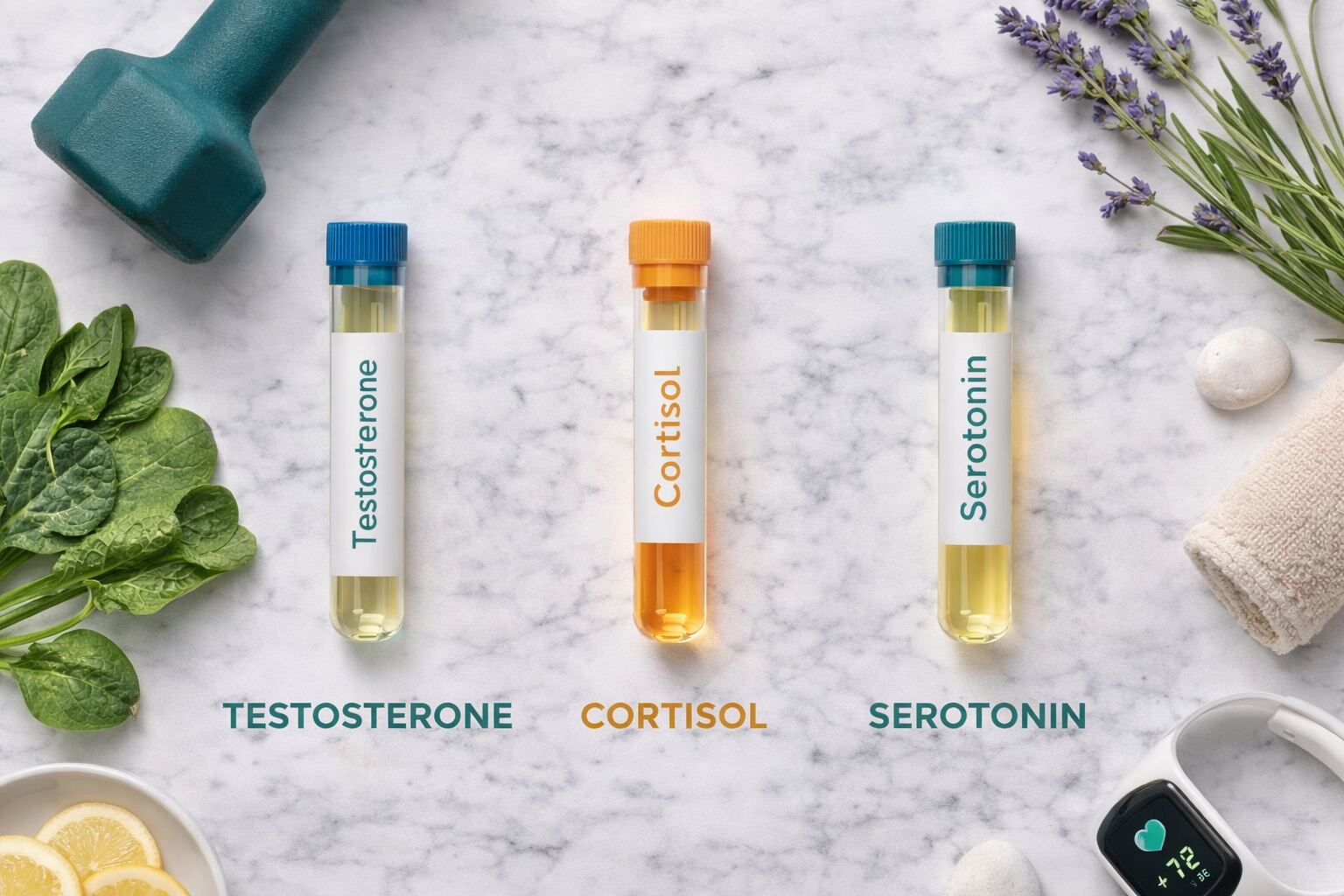
Como alguém que prioriza a saúde física, você já tem uma vantagem. O exercício impacta significativamente a libido por meio de seu efeito sobre hormônios essenciais:
- Testosterone: Resistance training elevates testosterone in both men and women, directly supporting sex drive (Journal of Clinical Endocrinology & Metabolism, 2012)
- Cortisol: Chronic stress and overtraining suppress libido; recovery is as important as the workout
- Dopamine & Serotonin: Aerobic exercise boosts mood-regulating neurotransmitters, which improve desire and intimacy
Pro Tip: If your libido has dropped, check your training load. Overtraining syndrome is a documented libido suppressor — rest and recovery matter.
Compreendendo a Discrepância do Desejo

Um desafio comum em relacionamentos de longo prazo é a libido desajustada — como os terapeutas sexuais chamamDiscrepância de desejo. Um parceiro quer mais intimidade; o outro se contenta com menos. Isso não é sinal de fracasso — é profundamente normal.
A fase inicial de um relacionamento desencadeia mudanças neuroquímicas (dopamina e noradrenalina elevadas) que aumentam temporariamente o desejo. Com o tempo, à medida que o relacionamento amadurece, esses níveis se normalizam.
Estratégias para lidar com a diferença de desejo:
- Scheduled intimacy — just as you schedule workouts, schedule time for connection; research supports that anticipated intimacy can increase desire (Sexual and Relationship Therapy, 2019)
- Broaden the definition — physical closeness, massage, or non-sexual touch maintains bonding hormones like oxytocin
- Address root causes — fatigue, low testosterone, or poor sleep are addressable health issues, not permanent states
Temporização Prática e Otimização
O timing importa — tanto no treinamento quanto na intimidade. A maioria dos casais comete o erro de deixar o sexo para dormir, quando os níveis de energia e testosterona estão no mínimo.
Melhores opções de timing:
- Morning — testosterone peaks in the early hours for most adults
- Post-workout (not immediately after) — exercise elevates mood and body confidence; allow 30–60 minutes for cortisol to normalize
- Weekends or rest days — when physical recovery is higher and cognitive stress is lower
Quando buscar apoio
Baixa libido não é uma falha pessoal — muitas vezes é um sintoma. Se a discrepância de desejo ou a baixa motivação persistir, considere avaliar:
- Hormonal panels (testosterone, estradiol, thyroid)
- Sleep quality (poor sleep reduces testosterone by up to 15%, per JAMA, 2011)
- Mental health — anxiety and depression are among the leading causes of reduced libido
- Couples therapy or sex therapy — evidence-based interventions with strong outcomes
Principais Pontos
- Frequency is personal — aim for mutual satisfaction, not a societal benchmark
- Exercise supports libido — but overtraining can harm it
- Schedule intimacy — it’s not unromantic; it’s intentional
- Desire discrepancy is common — address it with communication, not shame
- Low libido has treatable causes — hormones, sleep, and stress are all optimizable
Disclaimer: This article is for informational and educational purposes only. It does not constitute medical or therapeutic advice. If you are experiencing persistent changes in libido or relationship concerns, please consult a licensed healthcare provider or certified sex therapist.
Fontes:
- Muise, A. et al. (2017). Archives of Sexual Behavior — Sexual frequency and relationship well-being
- Vingren, J.L. et al. (2012). Journal of Clinical Endocrinology & Metabolism — Testosterone and resistance training
- Leproult, R. & Van Cauter, E. (2011). JAMA — Sleep and testosterone levels
- McCarthy, B. & Wald, L.M. (2019). Sexual and Relationship Therapy — Desire discrepancy interventions