
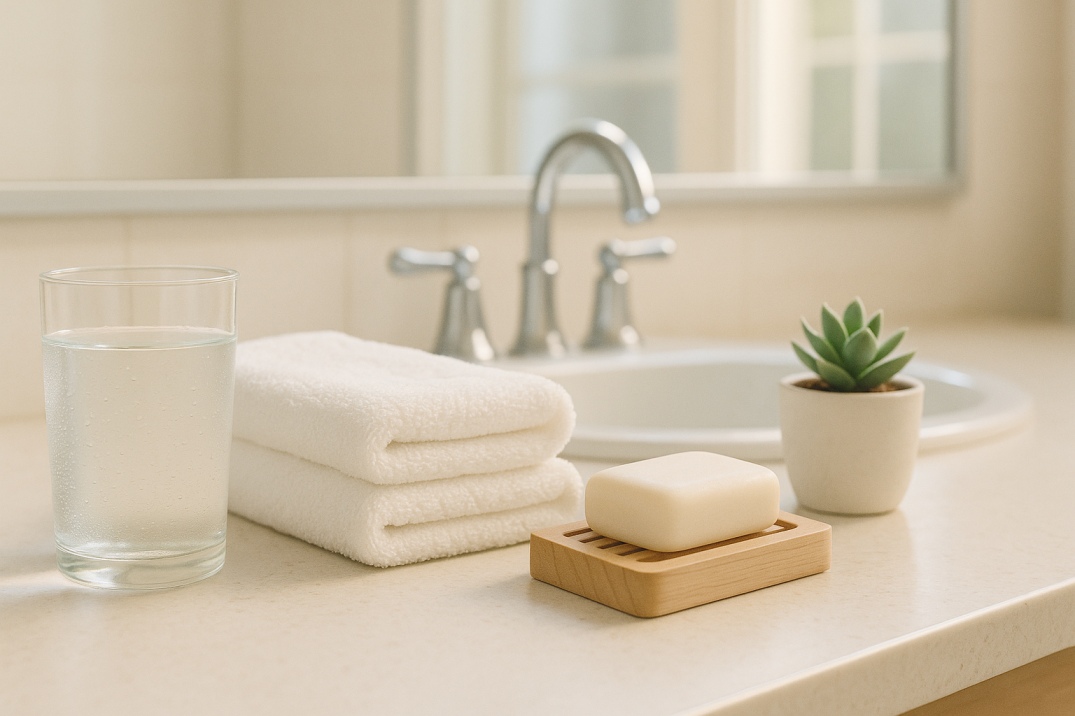
Sexual wellness is an important part of your overall health and fitness journey. Just as you take care of your body before and after workouts, proper hygiene after intimacy helps prevent infections and maintains your well-being. Here’s your comprehensive guide to post-sex care.
Why Post-Sex Hygiene Matters
Your body is more vulnerable to bacterial infections immediately after sexual activity. The urinary tract, in particular, becomes susceptible to unwanted bacteria that can lead to uncomfortable infections. According to research published in the Journal of Infectious Diseases, up to 80% of urinary tract infections (UTIs) in sexually active women are linked to sexual activity.
Essential Do’s After Sex
1. Urinate Within 30 Minutes
Why it’s crucial: During intercourse, bacteria can enter the urethra. Urinating helps flush out these bacteria before they multiply and cause infections.
The science: A study in the American Journal of Obstetrics and Gynecology found that urinating after sex significantly reduces UTI risk by clearing bacteria from the urinary tract.
How to do it:
- Don’t rush immediately, but aim to use the bathroom within 30 minutes
- Take your time and empty your bladder completely
- Women should wipe from front to back to prevent bacterial spread
2. Stay Hydrated
Drinking water after sex serves a dual purpose: it helps you produce urine to flush out bacteria and keeps your body functioning optimally.
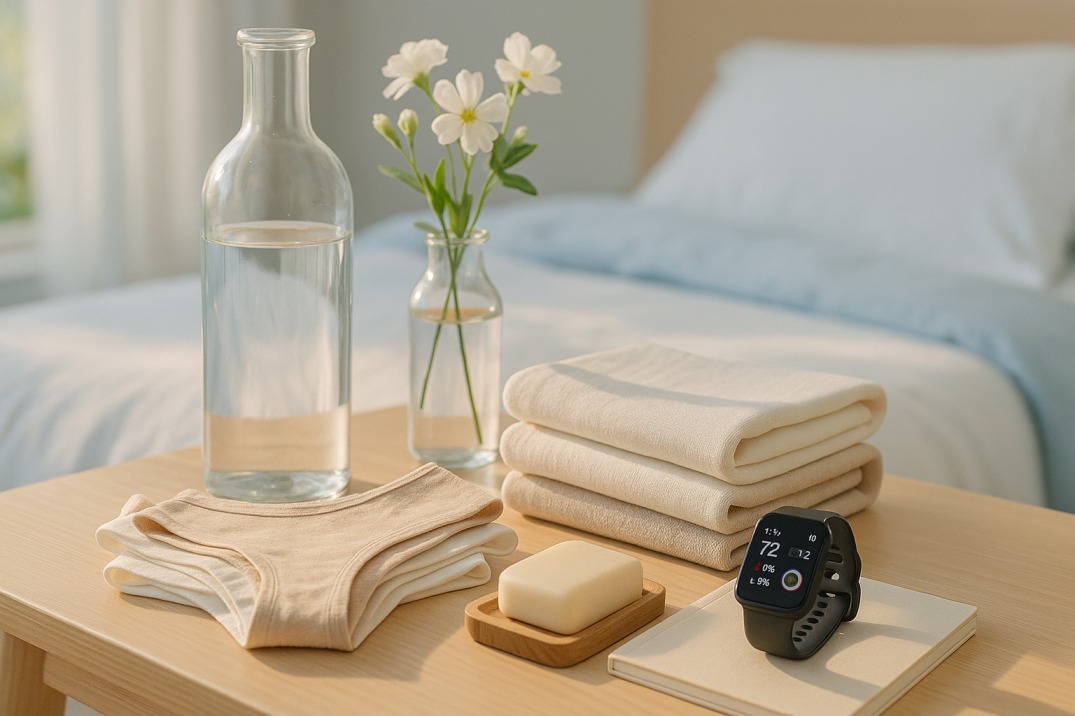
Pro tip for Fitolympia users: Keep a water bottle by your bedside, just like you do for your workouts. Aim for at least 8-16 ounces of water post-intimacy.
3. Gentle External Cleansing
What to do:
- Use plain warm water to clean the external genital area
- Use a mild, unscented soap if desired (test for sensitivity first)
- Men with foreskin should gently retract and clean underneath
- Pat dry with a clean towel
What the experts say: The American College of Obstetricians and Gynecologists (ACOG) recommends gentle external washing only, avoiding harsh soaps that can disrupt natural pH balance.
4. Wash Your Hands Thoroughly
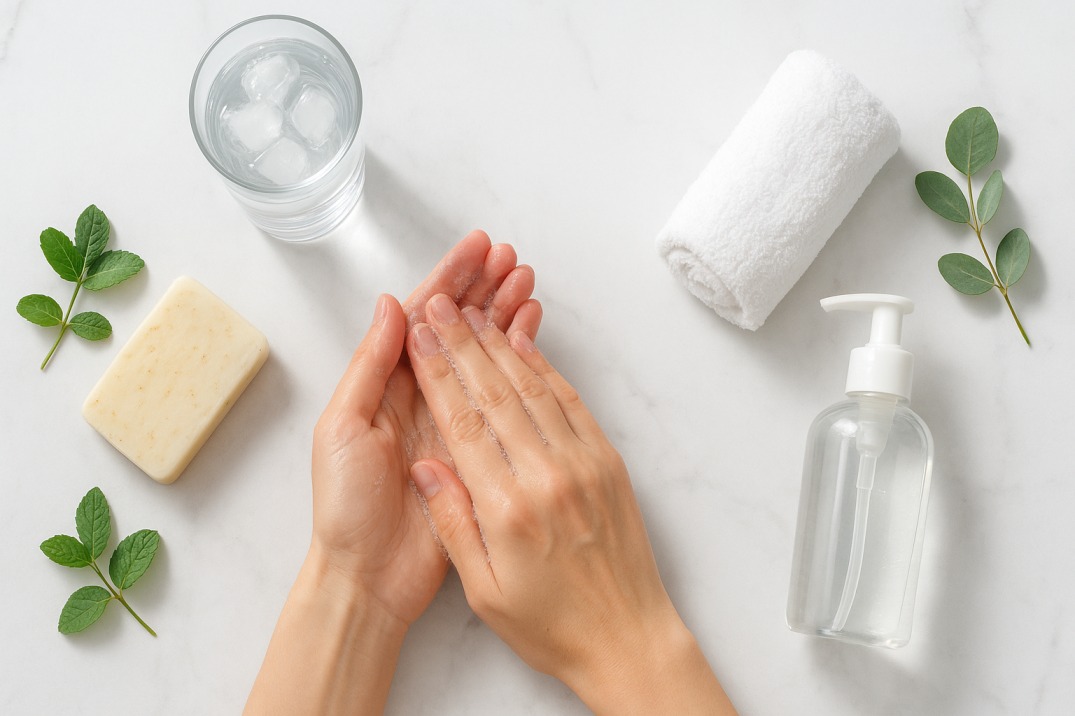
This simple step prevents the spread of bacteria and reduces infection risk for both partners. Wash with soap and water for at least 20 seconds—the same technique you use after gym sessions.
5. Choose Breathable Clothing
After intimacy, opt for loose-fitting, breathable fabrics—especially cotton underwear. This prevents moisture buildup that creates breeding grounds for bacteria and yeast.
Fitolympia tip: Think of it like your post-workout clothing choice. Just as you change out of sweaty gym clothes, prioritize breathable fabrics after sex to keep your intimate areas healthy.
Critical Don’ts After Sex
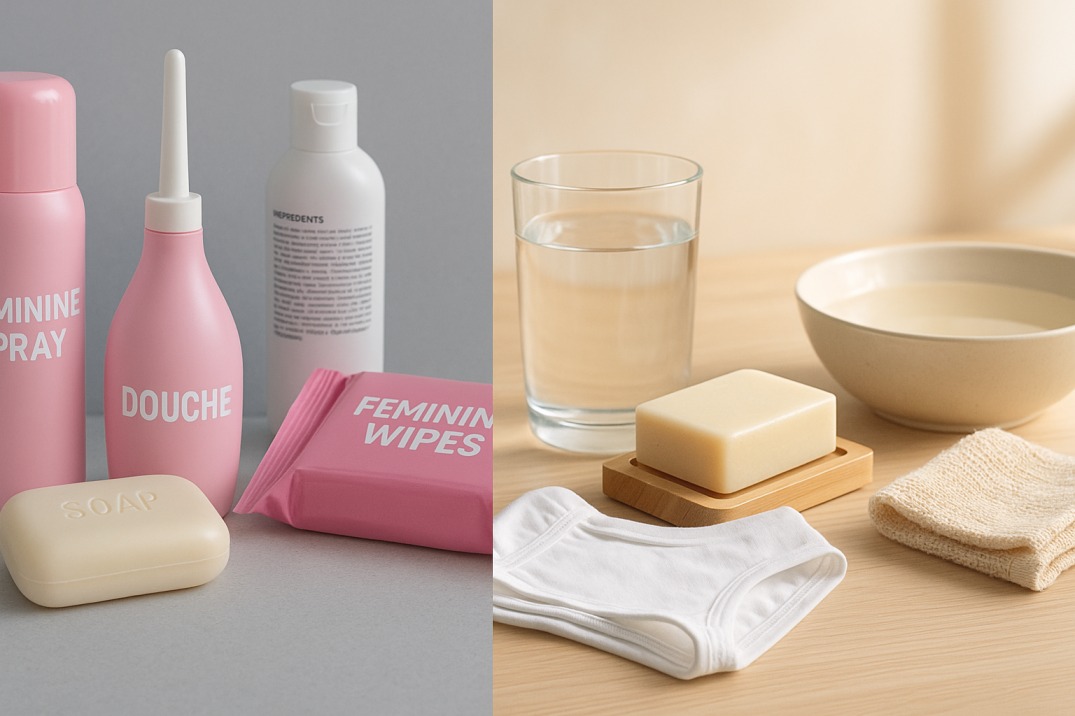
1. Don’t Douche
Why it’s harmful: Douching disrupts the vagina’s natural pH balance and protective bacteria, increasing infection risk by up to 73%, according to research in Epidemiologic Reviews.
The facts: Your vagina is self-cleaning. It maintains its own healthy bacterial balance (lactobacilli) that protects against infections. Douching removes these beneficial bacteria.
2. Avoid “Feminine Hygiene” Products
Skip the scented wipes, sprays, powders, and perfumed products marketed for intimate areas. These often contain:
- Harsh detergents
- Artificial fragrances
- Chemicals that irritate sensitive skin
- Ingredients that disrupt natural pH
What experts recommend: The Mayo Clinic advises against these products, noting they can cause irritation, allergic reactions, and increase infection susceptibility.
3. Don’t Ignore Unusual Symptoms
Watch for signs of infection:
- Burning or pain during urination
- Unusual discharge (thick, white, or foul-smelling)
- Itching or irritation
- Redness or swelling
- Blisters, sores, or unusual bumps
If you notice any of these symptoms, consult a healthcare provider promptly.
Special Considerations
For Toy Users
Sex toys require proper care to prevent infection transmission:
- Clean after every use following manufacturer instructions
- Use toy-specific cleaners or mild soap and water
- Don’t share toys unless covered with a fresh condom each time
- Store in a clean, dry place
Research in Sexual Medicine Reviews confirms that proper toy hygiene significantly reduces STI and infection transmission.
During Pregnancy
Pregnant individuals have heightened UTI susceptibility due to hormonal and anatomical changes. The same hygiene practices apply, but they’re even more critical:
- Urinate after sex without exception
- Stay well-hydrated throughout the day
- Wash gently and regularly
- Report any symptoms to your healthcare provider immediately
Regular STI Testing
Sexual wellness includes regular testing, especially when:
- You have a new partner
- You or your partner have multiple partners
- You notice any unusual symptoms
Many STIs are asymptomatic, making regular screening essential. The CDC recommends annual testing for sexually active individuals.
Your Post-Sex Hygiene Checklist
✅ Urinate within 30 minutes
✅ Drink 8-16 oz of water
✅ Wash external areas with warm water
✅ Wash hands thoroughly
✅ Put on breathable cotton underwear
✅ Clean any toys used
✅ Monitor for unusual symptoms
❌ Don’t douche or use internal cleansers
❌ Don’t use scented feminine products
❌ Don’t wear tight, synthetic clothing
❌ Don’t ignore signs of infection
The Bottom Line
Sexual health is an integral part of your overall wellness journey at Fitolympia. Just as you prioritize proper form during workouts and recovery afterward, maintaining good hygiene after intimacy protects your health and enhances your quality of life.
Remember: These practices benefit everyone, regardless of gender. Make them part of your routine, and encourage your partner to do the same.
Sources
- American College of Obstetricians and Gynecologists (ACOG). “Vulvovaginal Health.” Clinical Practice Guidelines, 2020.
- Foxman, B. “Urinary Tract Infection Syndromes: Occurrence, Recurrence, Bacteriology, Risk Factors, and Disease Burden.” Infectious Disease Clinics of North America, 2014.
- Centers for Disease Control and Prevention. “STI Treatment Guidelines.” CDC Guidelines, 2021.
- Cottrell, B.H. “An Updated Review of Evidence to Discourage Douching.” MCN: The American Journal of Maternal/Child Nursing, 2010.
- Mayo Clinic. “Vaginal Health: What’s Normal, What’s Not.” Patient Care & Health Information, 2022.
Disclaimer: This article provides general health information and should not replace professional medical advice. Consult healthcare providers for personalized guidance.