
If you’re serious about optimizing your fitness results, you might be overlooking one of the most natural performance enhancers available: regular sexual activity. Beyond its obvious reproductive and relational benefits, maintaining an active intimate life can significantly impact your training recovery, cardiovascular health, and overall athletic performance.
Research published in the Journal of Sexual Medicine demonstrates that sexual activity functions as moderate-intensity physical activity, with implications for heart health, hormonal balance, and stress management—all critical factors for anyone pursuing fitness goals.
The Physiology of Intimacy: What Happens to Your Body
Sexual activity triggers a cascade of physiological responses that benefit active individuals. During intimacy, your body releases endorphins and oxytocin—hormones that reduce cortisol levels and promote recovery. According to research from the American Journal of Cardiology, regular sexual activity correlates with improved cardiovascular function, which directly translates to better endurance during workouts.
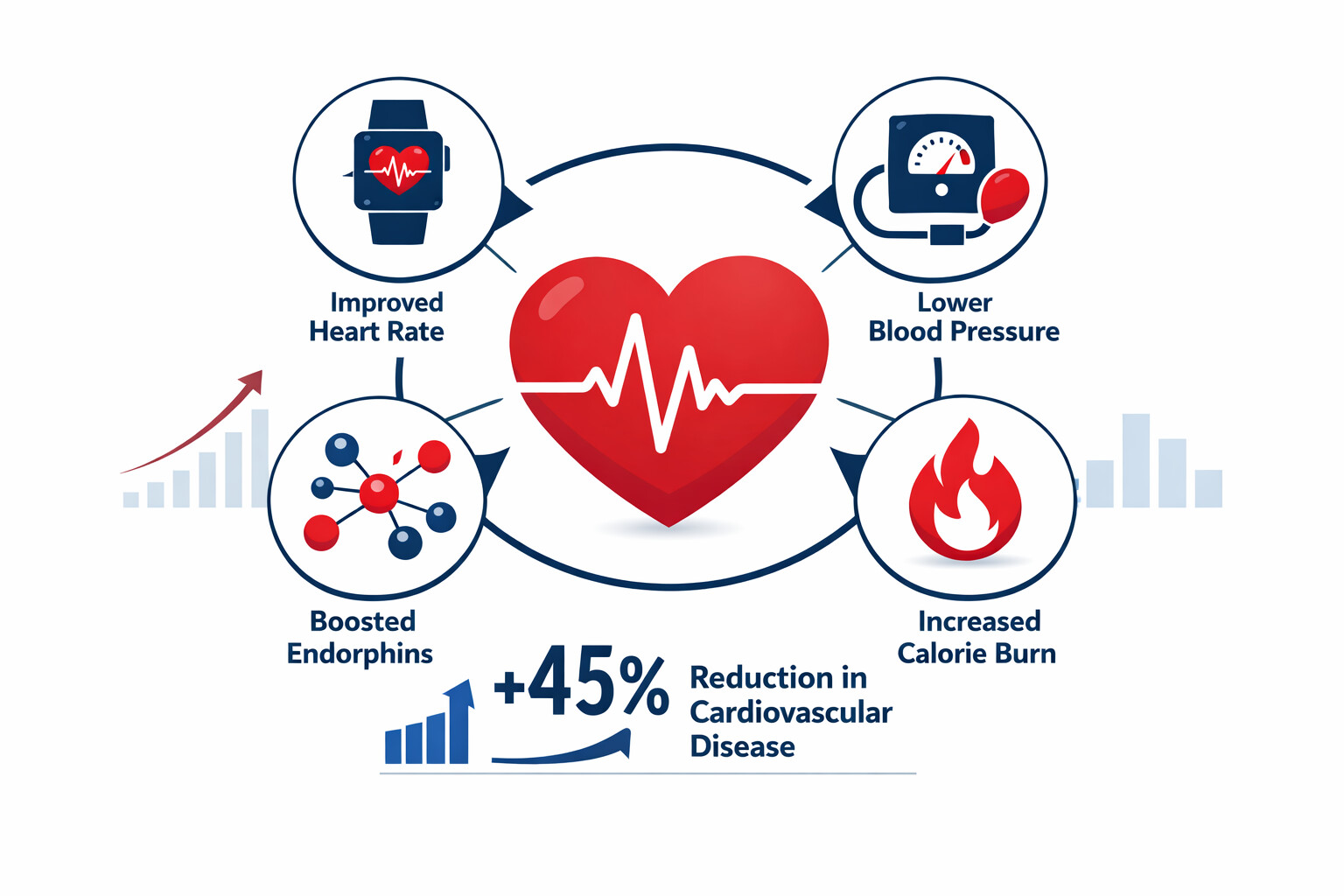
Here’s what the science shows:
Your heart rate elevates to levels comparable to moderate exercise, strengthening cardiovascular capacity. Blood flow improves throughout the body, enhancing nutrient delivery to muscles. Stress hormones decrease, creating an optimal environment for recovery and muscle growth. Caloric expenditure increases, with studies estimating approximately 85-100 calories burned per 25-minute session.
Performance Benefits for Athletes and Fitness Enthusiasts
Enhanced Recovery and Sleep Quality
Quality sleep is non-negotiable for muscle recovery and performance gains. The oxytocin and endorphin release during sexual activity promotes deeper, more restorative sleep patterns. Research in Frontiers in Public Health indicates that individuals who report regular sexual activity experience improved sleep quality, which correlates with:
Better muscle protein synthesis and recovery. Enhanced immune function to prevent training setbacks. Improved cognitive function for mind-muscle connection. Sustained energy levels for consistent training performance.
Optimal timing: Evening intimacy approximately 1-2 hours before sleep maximizes recovery benefits.
Stress Reduction and Cortisol Management
Chronic stress elevates cortisol, the hormone that breaks down muscle tissue and promotes fat storage—your fitness goals’ worst enemy. Sexual activity provides a natural cortisol-reducing mechanism. A study in Biological Psychology found that regular intimacy significantly lowered stress responses and blood pressure levels.
For athletes under high training loads, this stress-buffering effect can prevent overtraining syndrome and support consistent progress toward body composition goals.
Cardiovascular Conditioning
Think of intimacy as supplemental cardio training. Research published in the American Journal of Cardiology demonstrates that men who engage in sexual activity at least twice weekly show a 45% reduction in cardiovascular disease risk compared to those with less frequent activity.

The cardiovascular benefits include reduced blood pressure, improved endothelial function (critical for blood flow during exercise), and enhanced heart rate variability—a key marker of cardiovascular fitness and recovery capacity.
Natural Calorie Expenditure
While sexual activity shouldn’t replace your structured training, it contributes to your total daily energy expenditure. University of Montreal researchers found that men burn approximately 101 calories during an average 25-minute session, while women burn around 69 calories. The actual expenditure varies based on duration, intensity, and positions—much like any physical activity.
Hormonal Optimization and Body Composition
Regular sexual activity supports hormonal balance crucial for fitness progress. For men, frequent ejaculation (2-3 times weekly) has been associated with reduced prostate cancer risk in studies published in European Urology. The hormonal cascade also supports testosterone maintenance when balanced with adequate recovery.
For women, the hormonal release can help manage menstrual discomfort and regulate cycle-related symptoms that might otherwise interfere with training consistency.
Immune Function and Training Consistency
Consistent training requires staying healthy. Research from Psychological Reports indicates that individuals engaging in sexual activity 1-2 times weekly show elevated immunoglobulin A (IgA) levels—an antibody critical for immune defense. This immune boost helps you avoid the training interruptions that derail progress.
Practical Integration for Active Individuals
Timing considerations: Morning sessions may energize you for training, while evening activity promotes recovery and sleep. Avoid immediately before high-intensity training or competition to preserve glycogen and focus.
Frequency recommendations: Research suggests 2-3 times weekly provides cardiovascular and immune benefits without interfering with training recovery. Listen to your body—excessive activity may impact training performance.

Nutrition support: Adequate protein (0.8-1g per pound bodyweight), healthy fats from sources like avocados, nuts, and dark chocolate, and hydration optimize both sexual function and athletic performance.
Recovery balance: Treat intimacy as you would any physical activity—factor it into your overall recovery equation, especially during high-volume training phases.
The Bottom Line
Regular intimate activity offers legitimate physiological benefits that complement your fitness journey: improved cardiovascular health, enhanced recovery through better sleep, natural stress management, and hormonal balance. While it’s not a replacement for structured training and proper nutrition, it’s a evidence-backed component of overall wellness.
The key is balance. Prioritize communication with your partner, maintain consistency in your training program, and view intimacy as part of your holistic approach to health and performance.
Disclaimer: This article is for informational purposes only and does not constitute medical advice. Individuals with cardiovascular conditions, hormonal imbalances, or other health concerns should consult healthcare providers before making changes to physical activity levels. The benefits described are based on current research but individual results vary. Always prioritize safe practices and open communication with partners.