

Headaches don’t just disrupt your day — they can derail your training, tank your focus, and leave you flat when you need to perform. Before you reach for the medicine cabinet, consider these science-supported, natural strategies that work with your body rather than against it.
Why Athletes Are More Prone to Headaches
Physical exertion, dehydration, poor posture during lifts, and muscular tension are among the most common headache triggers for active individuals. Research published in Cephalalgia confirms that tension-type headaches — the most prevalent form — are frequently linked to postural imbalances and sustained muscle contraction, both of which are occupational hazards in the gym.
Diet also plays a measurable role. Foods rich in vasoactive amines — think aged cheese, chocolate, and caffeine — can affect cerebral blood flow and trigger migraines in susceptible individuals. Tracking your food intake alongside headache episodes in a journal is one of the most effective self-diagnostic tools available.
Posture & Stress: The Hidden Triggers
Fix Your Form, Fix Your Head
Poor posture — whether at a desk or under a barbell — creates chronic tension in the cervical and trapezius muscles. When standing, keep shoulders retracted, spine neutral, and chin tucked. During seated work, align thighs parallel to the floor and avoid forward head posture, which adds up to 10 lbs of stress per inch of forward displacement (according to research in Surgical Technology International).
Manage Stress Proactively
Cortisol spikes increase muscular tension and vascular reactivity — a recipe for headaches. Structure your day to include built-in decompression: even 10 minutes of diaphragmatic breathing has been shown in Frontiers in Psychology to meaningfully reduce perceived stress and tension headache frequency.
Natural Remedies That Actually Work
1. Ginger — Anti-Inflammatory Powerhouse
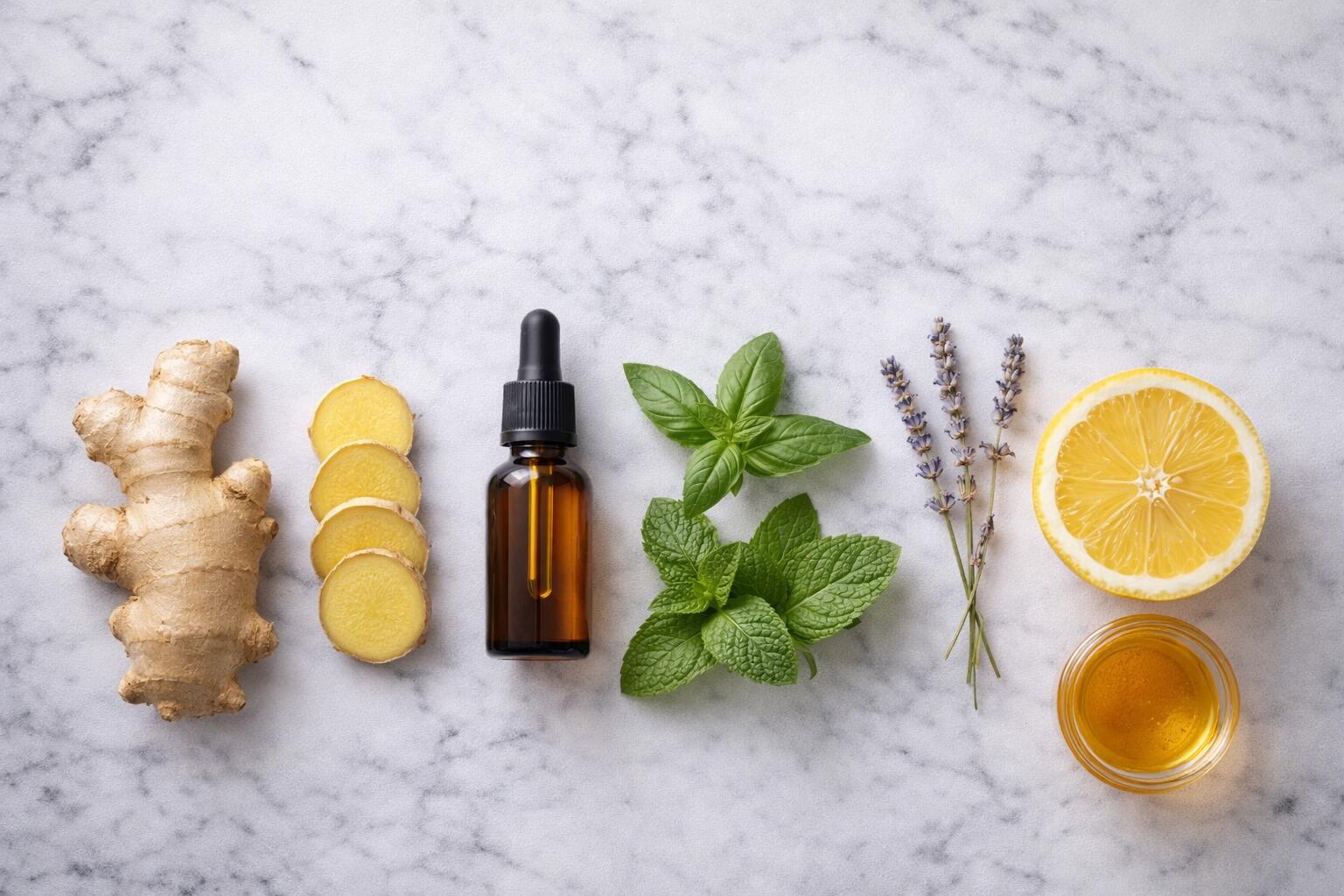
Ginger (Zingiber officinale) contains gingerols and shogaols that inhibit prostaglandin synthesis and reduce neurogenic inflammation. A 2014 study in Phytotherapy Research found ginger powder (250 mg) was as effective as sumatriptan for migraine relief with fewer side effects.
How to use: Mix equal parts fresh ginger juice and lemon juice and consume once daily. Alternatively, steep 1 tsp of dried ginger powder in hot water for 10 minutes and drink before or after training.
2. Peppermint Oil — Topical Tension Relief
Menthol, the active compound in peppermint, stimulates cold receptors and inhibits serotonin receptors, producing analgesic and vasodilatory effects. A double-blind trial in Cephalalgia demonstrated that topical peppermint oil applied to the forehead was as effective as 1,000 mg of acetaminophen in reducing tension headache pain over 60 minutes.
How to use: Dilute 3 drops of peppermint essential oil in 1 tbsp of carrier oil (almond or olive). Massage gently into the forehead, temples, and base of the skull. Do not apply near eyes.

3. Lavender Oil — Migraine Management
Inhalation of lavender essential oil has demonstrated efficacy in reducing migraine severity. A randomized controlled trial in European Neurology (2012) found that 47 of 92 migraine cases responded positively to 15 minutes of lavender oil inhalation, compared to just 32% in the control group.
How to use: Add 4–5 drops to a diffuser or apply 2 drops to a warm compress placed on the forehead for 10–15 minutes. Do not ingest.
4. Basil & Mint — Herbal Muscle Relaxants
Basil contains eugenol, a natural COX-2 inhibitor with analgesic properties comparable to aspirin at equivalent doses. Menthol from mint leaves complements this by acting as a mild topical anesthetic.
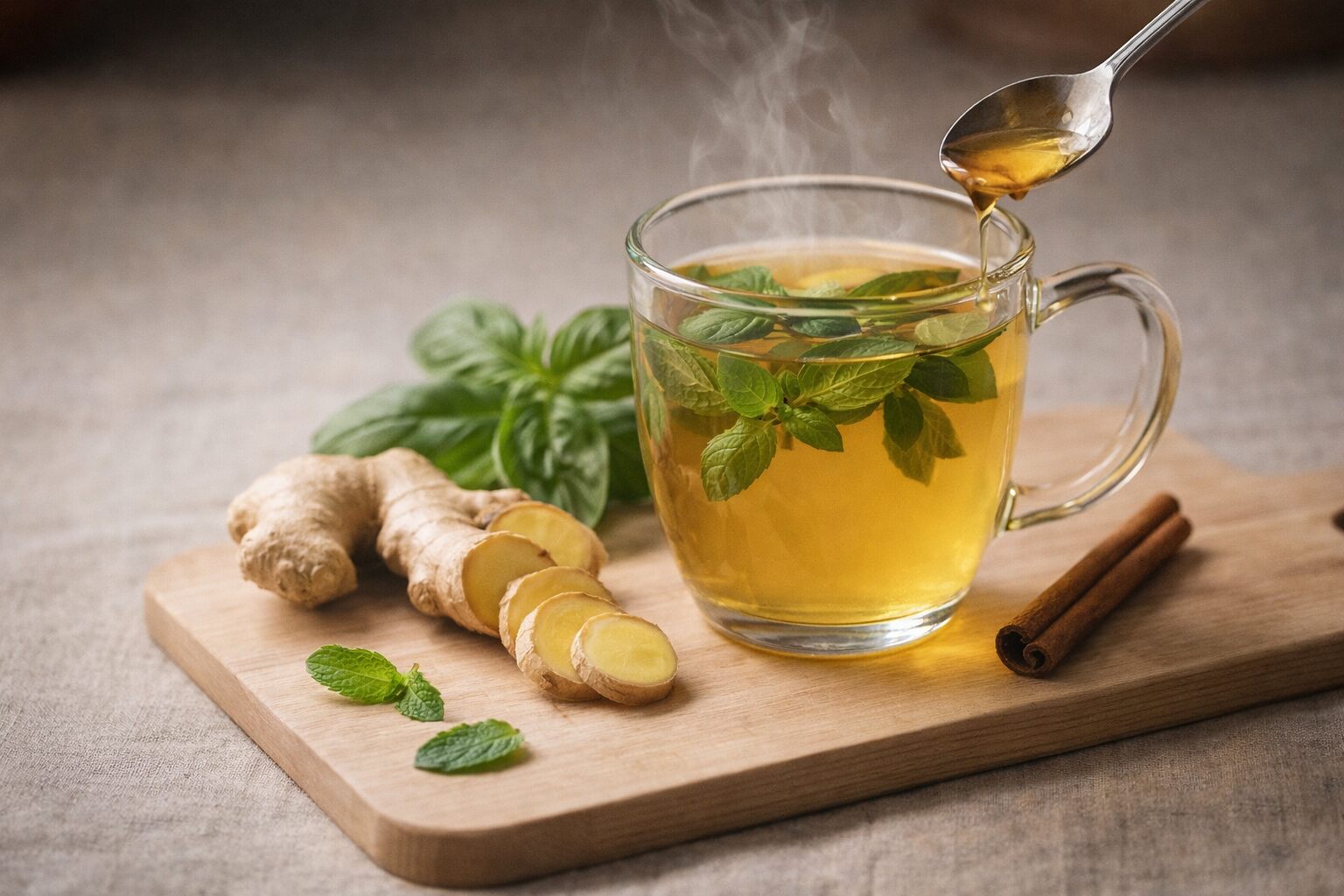
How to use: Steep 3–4 fresh basil leaves and a handful of mint in boiling water for 5 minutes. Add raw honey to taste. Drink slowly during or after training as a recovery tea.
Hot vs. Cold Therapy
Apply heat (heating pad set to low, 15–20 minutes) to the neck and shoulders for tension headaches. Switch to cold packs (wrapped in cloth to protect skin) over the forehead and temples for migraine or sinus-related pain. Both approaches work by modulating blood flow and nerve signal transmission in affected tissue.
Key Takeaways for Active Individuals
- Identify your dietary triggers by logging meals alongside headache episodes
- Correct posture during lifts and seated work to reduce cervical muscle tension
- Use peppermint oil topically or lavender aromatherapy for fast, drug-free relief
- Brew ginger-basil tea as a post-workout anti-inflammatory ritual
- Stay adequately hydrated — dehydration alone accounts for a significant proportion of exertion headaches
Disclaimer: This article is for informational purposes only and does not constitute medical advice. Persistent, severe, or sudden-onset headaches may indicate an underlying condition and should be evaluated by a qualified healthcare professional. Always consult your physician before starting any new supplement or remedy.