As a fitness enthusiast, you know that sweat, gym environments, and athletic gear can wreak havoc on your skin. Blackheads—those stubborn dark spots on your nose, chin, and forehead—are a common concern for active individuals. But here’s the good news: with the right approach, you can prevent and treat them effectively while maintaining your workout routine.
Understanding Blackheads: What Active People Need to Know
Blackheads (open comedones) form when your pores become clogged with a combination of:
- Dead skin cells
- Excess sebum (natural skin oil)
- Sweat residue
- Environmental pollutants
- Makeup or skincare products
According to the Journal of the American Academy of Dermatology, blackheads are a mild form of acne affecting approximately 50 million Americans annually. The dark appearance isn’t dirt—it’s oxidized melanin and sebum exposed to air.
Why Fitness Enthusiasts Are More Prone
If you’re hitting the gym regularly, you face unique challenges:
Increased sebum production: Exercise raises your body temperature, triggering oil glands to produce more sebum
Sweat accumulation: Dried sweat mixed with oils creates the perfect environment for clogged pores
Equipment contact: Gym equipment, yoga mats, and helmets transfer bacteria and oils to your skin
Friction from gear: Headbands, caps, and tight athletic wear can trap sweat and oils against your skin
Research published in Dermatology and Therapy confirms that athletes have a 20-30% higher incidence of acne mechanica (friction-induced acne) compared to sedentary individuals.
What NOT to Do: The Golden Rule
NEVER squeeze, pick, or extract blackheads yourself. This is critical.
Here’s what happens when you do:
- Bacteria from your fingers transfer into pores
- You risk permanent scarring and hyperpigmentation
- Inflammation worsens, potentially causing cysts
- The pore stretches, making it more visible long-term
A study in JAMA Dermatology found that manual extraction without proper technique increases the risk of post-inflammatory hyperpigmentation by 60%, particularly in darker skin tones.
Proven Treatment Methods for Active Lifestyles
1. Salicylic Acid: The MVP for Blackhead Treatment
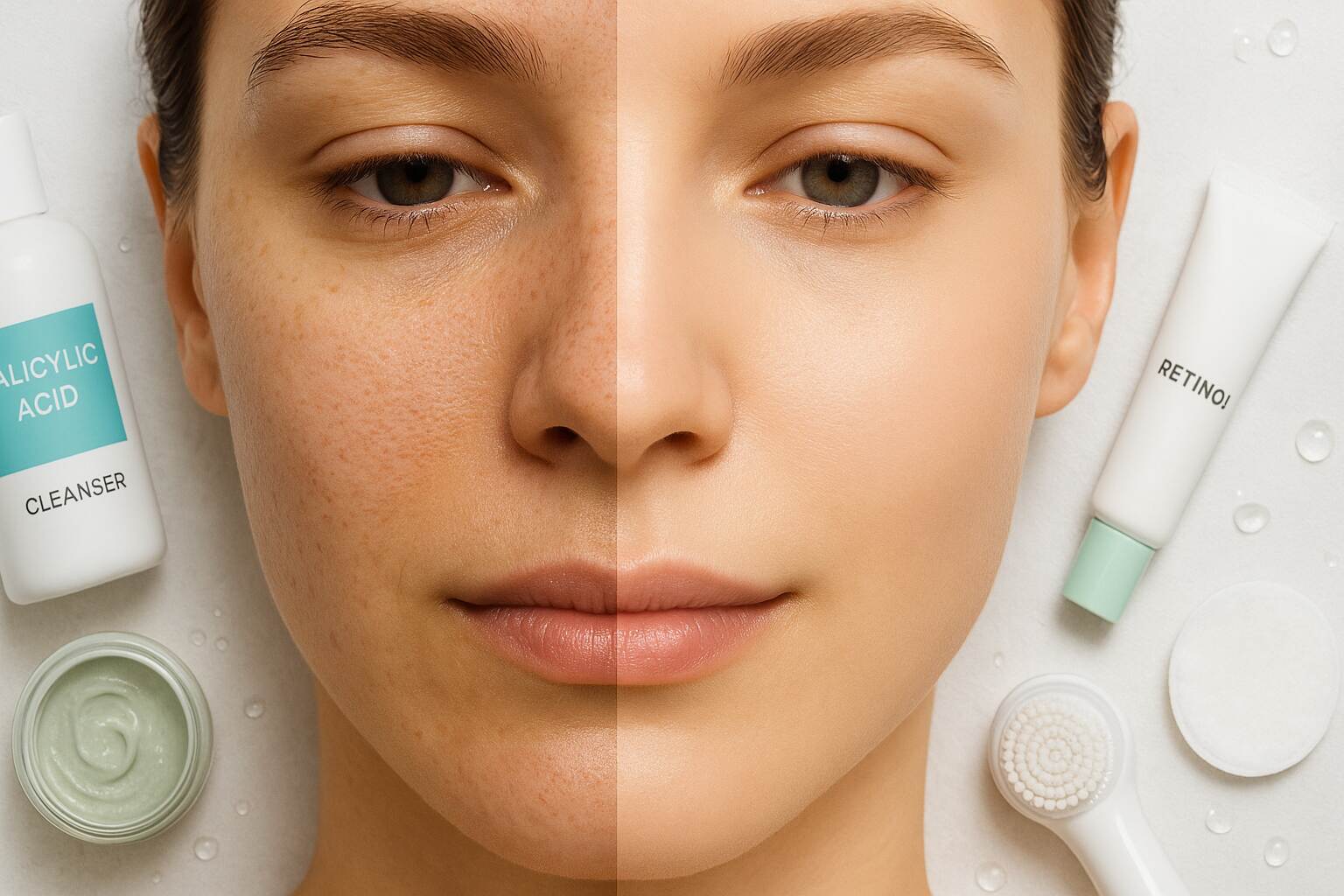
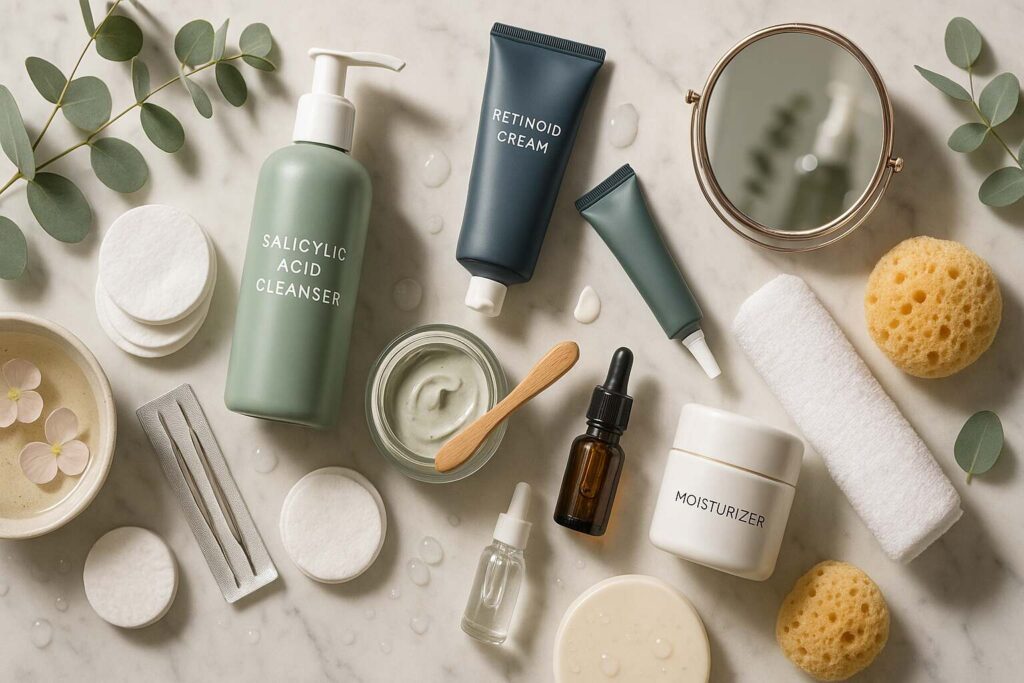
What it does: Salicylic acid is a beta-hydroxy acid (BHA) that penetrates oil-filled pores, dissolving the debris that causes blackheads.
The science: Research in Dermatologic Surgery shows that 2% salicylic acid reduces comedones (blackheads and whiteheads) by 40-60% within 12 weeks of consistent use.
How to use it:
- Start with 0.5-2% concentration for sensitive skin
- Use 2% for normal skin
- Consider up to 5% for stubborn cases (with dermatologist approval)
- Apply after cleansing, before moisturizer
- Begin with every-other-day application to assess tolerance
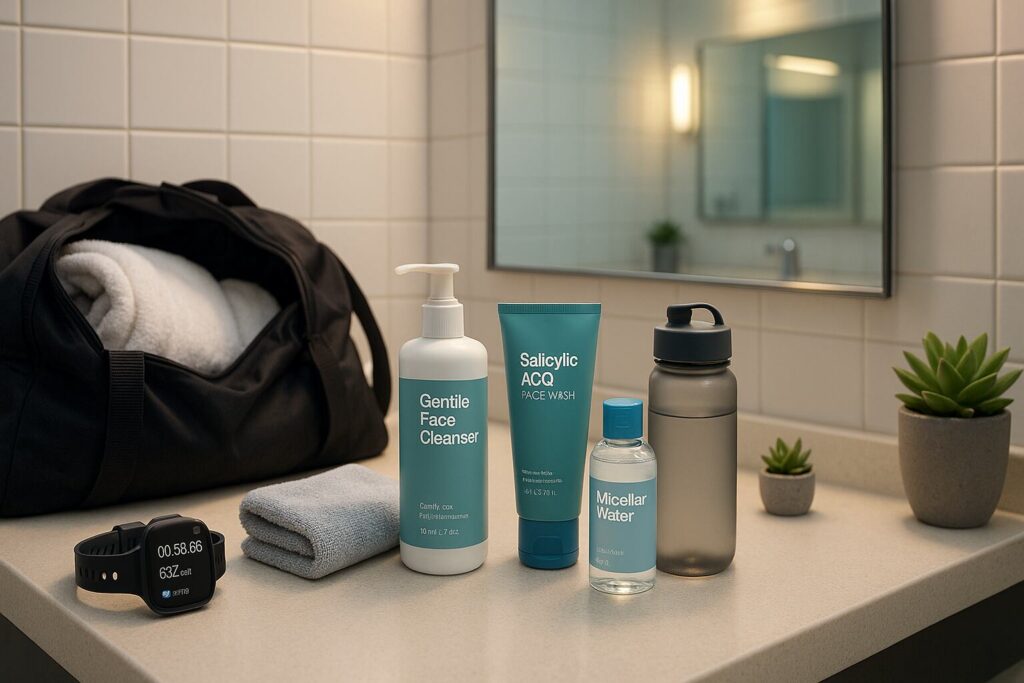
Fitolympia tip: Use salicylic acid cleansers immediately after workouts to prevent sweat and oils from settling into pores. Keep travel-sized versions in your gym bag.
Important note: Salicylic acid is oil-soluble, making it perfect for blackheads. Benzoyl peroxide (water-soluble) targets bacteria and works better for inflammatory acne, not blackheads.
2. Retinoids: The Long-Term Solution
What they do: Retinoids (vitamin A derivatives) increase cell turnover, preventing dead skin cells from accumulating in pores while unclogging existing blockages.
The evidence: A meta-analysis in The Journal of Clinical and Aesthetic Dermatology found that retinoids reduce non-inflammatory acne lesions (including blackheads) by 50-70% over 12-16 weeks.
Types available:
Over-the-counter options:
- Adapalene (Differin) 0.1% – FDA-approved, well-tolerated
- Retinol (various concentrations) – gentler, slower results
Prescription-strength:
- Tretinoin (Retin-A) – gold standard, most effective
- Tazarotene – powerful but can irritate
- Adapalene 0.3% – stronger prescription version
How to use:
- Apply at night only (retinoids break down in sunlight)
- Start with pea-sized amount for entire face, 2-3x per week
- Gradually increase to nightly as tolerated
- Always use SPF 30+ during the day
Side effects: Initial “purging” period (2-6 weeks), dryness, redness, and increased sun sensitivity are common and temporary.
Fitness consideration: Apply post-evening workout and shower for best absorption. Never apply before morning outdoor activities.
3. Professional Extraction: When to See a Dermatologist
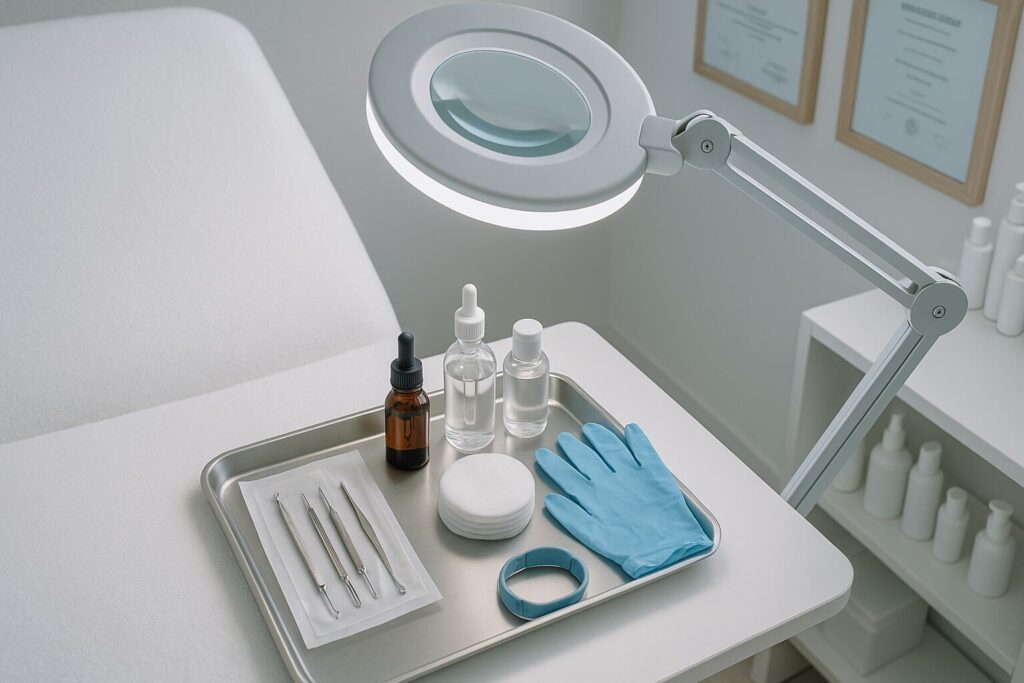
What it is: Professional extraction uses sterile tools and proper technique to manually remove blackheads without damaging surrounding tissue.
When to consider:
- Persistent blackheads resistant to topical treatments
- Large, visible blackheads affecting confidence
- Before special events or competitions
What to expect:
- Estheticians or dermatologists perform extractions
- Skin is steamed to soften pores
- Specialized tools apply controlled pressure
- Procedure typically takes 30-60 minutes
- Minor redness resolves within 24 hours
Cost: $75-150 per session, not typically covered by insurance
The American Academy of Dermatology emphasizes that professional extraction is safe and effective, while DIY attempts frequently cause complications.
4. Chemical Peels: Advanced Treatment Option
What they do: Chemical peels use acids to remove the top layer of dead skin cells, deeply unclogging pores and promoting fresh skin growth.
Common ingredients:
- Salicylic acid peels (20-30%): Best for oily, acne-prone skin
- Glycolic acid peels (20-70%): Good for combination skin, addresses texture
- Mandelic acid peels (25-40%): Gentler option for sensitive or darker skin tones
The research: A study in Dermatologic Therapy showed that monthly salicylic acid peels (20-30%) reduced blackheads by 55% after three treatments.
What to expect:
- Performed in dermatologist’s office
- Mild tingling or burning sensation
- Temporary redness and peeling (3-7 days)
- Visible results after 3-6 treatments
- Cost: $150-300 per session
Important timing: Avoid chemical peels 1-2 weeks before major competitions or events due to potential peeling and redness.
Post-peel care for athletes:
- Skip intense workouts for 48 hours
- Avoid swimming pools (chlorine irritates)
- Double up on SPF protection
- Keep skin hydrated
5. Facial Cleansing Brushes: Daily Maintenance
What they do: Mechanical cleansing devices use sonic vibrations or rotating bristles to deeply cleanse pores and remove surface debris.
The science: Research in The Journal of Clinical and Aesthetic Dermatology found that sonic cleansing devices remove 6x more makeup and debris than manual cleansing alone.
Popular options:
- Sonic devices (Clarisonic, Foreo): Gentler, use vibrations
- Rotating brushes (Olay, Neutrogena): More aggressive exfoliation
How to use correctly:
- Use 1-2 times daily maximum
- Replace brush heads every 3 months
- Gentle pressure only—don’t scrub
- Follow with treatment products and moisturizer
Warning: Overuse causes micro-tears in skin, worsening acne. The British Journal of Dermatology cautions that excessive mechanical exfoliation can compromise the skin barrier.
Fitolympia protocol: Use your cleansing brush in your post-workout shower to prevent clogged pores from sweat and oils.
6. Clay Masks: Weekly Deep Clean
What they do: Clay masks (particularly kaolin and bentonite) absorb excess oil and draw out impurities from pores.
The evidence: A study in International Journal of Cosmetic Science demonstrated that bentonite clay reduces sebum levels by 28% and improves skin clarity.
How to use:
- Apply 1-2 times per week
- Leave on for 10-15 minutes (don’t let it crack/over-dry)
- Focus on T-zone where blackheads concentrate
- Remove with lukewarm water
Best ingredients to look for:
- Bentonite or kaolin clay (oil absorption)
- Charcoal (detoxification)
- Salicylic acid (pore penetration)
- Niacinamide (pore tightening)
Perfect timing: Apply clay masks on rest days or after low-intensity workouts when skin isn’t irritated from sweat.
Prevention Strategies for Active Individuals
Cleansing Protocol for Fitness Enthusiasts
Pre-workout:
- Remove makeup completely
- Apply lightweight, non-comedogenic moisturizer
- Skip heavy products that will slide off with sweat
During workout:
- Keep a clean towel to pat (not wipe) sweat
- Avoid touching your face
- Tie hair back to prevent oil transfer
Post-workout (CRITICAL):
- Cleanse within 30 minutes of finishing exercise
- Use lukewarm water (hot water strips natural oils)
- Apply gentle, pH-balanced cleanser
- Pat dry with clean towel
- Apply treatment products and moisturizer
The American Academy of Dermatology emphasizes that post-workout cleansing is the single most important factor in preventing exercise-induced acne.
Product Selection: What to Use
Choose non-comedogenic products:
- “Non-comedogenic” = won’t clog pores
- Look for this label on ALL face products
- Includes cleansers, moisturizers, sunscreens, and makeup
Avoid these ingredients if acne-prone:
- Coconut oil (highly comedogenic)
- Cocoa butter
- Isopropyl myristate
- Sodium lauryl sulfate (irritating)
- Heavy silicones (dimethicone in high concentrations)
Skin-friendly ingredients:
- Hyaluronic acid (hydration)
- Niacinamide (pore-tightening, oil control)
- Ceramides (barrier repair)
- Squalane (lightweight moisture)
Equipment Hygiene
Your gym habits affect your skin more than you think:
Clean regularly:
- Yoga mats (after every use)
- Phone screen (wipes down 2x daily)
- Headphones/earbuds (weekly)
- Gym bag interior (monthly)
- Reusable water bottles (daily)
Barrier protection:
- Place towel on gym equipment before use
- Use your own yoga mat
- Avoid face-down positions on shared surfaces
- Consider antimicrobial gym towels
Lifestyle Factors
Sleep hygiene:
- Change pillowcases 2-3 times per week
- Use silk or satin pillowcases (less friction, less oil absorption)
- Wash bedding in hot water weekly
Hair care:
- Shampoo regularly, especially if hair is oily
- Keep hair off face during workouts and sleep
- Rinse conditioner thoroughly (it can run onto face)
- Avoid heavy hair products near hairline
Hydration:
- Drink 3-4 liters water daily (more when training)
- Proper hydration regulates sebum production
- Dehydration triggers compensatory oil production
Diet considerations:
Emerging research in JAMA Dermatology suggests certain foods may influence acne:
Potentially problematic:
- High-glycemic foods (white bread, chips, sugary snacks)
- Skim milk and dairy (hormones may trigger oil production)
- Whey protein supplements (linked to acne in some athletes)
Potentially beneficial:
- Omega-3 fatty acids (salmon, walnuts, flaxseed)
- Zinc-rich foods (pumpkin seeds, chickpeas, turkey)
- Probiotic foods (yogurt with live cultures, kimchi, kombucha)
- Antioxidant-rich vegetables (berries, leafy greens)
Note: Diet’s effect varies individually. Track your skin’s response to different foods.

Building Your Blackhead-Fighting Routine
Morning Routine (5 minutes)
- Rinse face with lukewarm water
- Apply vitamin C serum (optional)
- Apply lightweight, non-comedogenic moisturizer
- Apply SPF 30+ sunscreen (ESSENTIAL if using retinoids)
Evening Routine (10 minutes)
- Remove makeup/sunscreen with cleansing oil or micellar water
- Cleanse with salicylic acid or gentle pH-balanced cleanser
- Apply treatment (retinoid or BHA serum)
- Wait 20 minutes for absorption
- Apply non-comedogenic moisturizer
Weekly Additions
- Clay mask (1-2x per week)
- Gentle exfoliation with chemical exfoliant
- Deep conditioning treatment for hair (prevent oils from transferring)
When to See a Dermatologist
Schedule an appointment if:
- Over-the-counter treatments haven’t worked after 12 weeks
- Blackheads worsen despite consistent routine
- You develop painful, inflamed acne alongside blackheads
- Scarring or hyperpigmentation appears
- Your skin condition affects your confidence or mental health
A board-certified dermatologist can:
- Prescribe stronger retinoids or medications
- Perform professional extractions safely
- Recommend in-office treatments (chemical peels, lasers)
- Create a customized treatment plan for your skin type
Treatments to Avoid
Oil-based cleansers (for oily skin): While oil cleansing works for some, it can worsen blackheads in oily-skinned individuals. However, oil cleansers followed by water-based cleansers (double cleansing) can be effective.
Harsh physical scrubs: Products with walnut shells, apricot kernels, or rough beads cause micro-tears in skin. The Journal of Cosmetic Dermatology warns these worsen acne and inflammation.
Alcohol-based products: High-alcohol content (SD alcohol, denatured alcohol) strips skin, triggering rebound oil production. Fatty alcohols (cetyl, stearyl) are fine.
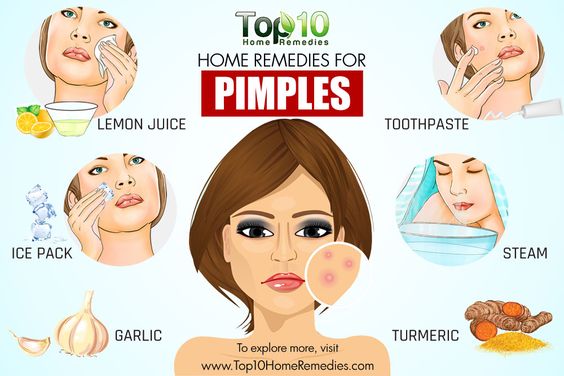
Toothpaste, lemon juice, baking soda: Despite internet claims, these home remedies disrupt skin pH, cause chemical burns, and worsen blackheads. Stick to proven, research-backed treatments.
Pore strips: While satisfying, pore strips only remove the surface portion of blackheads. They return quickly and strips can irritate skin. They’re a temporary fix, not a solution.
The Bottom Line
Clear skin and active lifestyles can coexist with the right approach. Blackhead treatment requires patience—most effective ingredients take 8-12 weeks to show results. Consistency matters more than intensity.
Key takeaways:
- Cleanse immediately after every workout
- Use proven treatments (salicylic acid, retinoids)
- Never extract blackheads yourself
- Choose non-comedogenic products
- Be patient with results
- Maintain equipment hygiene
Your skin is your body’s largest organ. Treat it with the same dedication you bring to your fitness routine, and you’ll see results.
Sources
- Zaenglein, A.L., et al. “Guidelines of Care for the Management of Acne Vulgaris.” Journal of the American Academy of Dermatology, 2016.
- Zeichner, J.A., et al. “Emerging Issues in Adult Female Acne.” Journal of Clinical and Aesthetic Dermatology, 2017.
- Thiboutot, D., et al. “New Insights into the Management of Acne: An Update from the Global Alliance to Improve Outcomes in Acne.” Journal of the American Academy of Dermatology, 2009.
- Kligman, A.M. “The Uses of Sebum: Excess Secretion, Depletion, and Therapeutic Use.” Dermatologic Clinics, 1996.
- American Academy of Dermatology. “Acne: Tips for Managing.” Patient Education Resources, 2023.
- Del Rosso, J.Q. “What is the Role of Benzoyl Peroxide Cleansers in Acne Management?” Journal of Clinical and Aesthetic Dermatology, 2008.
Disclaimer: This article provides general skincare information and should not replace professional dermatological advice. Consult healthcare providers or dermatologists for personalized treatment plans.