

Starting Fresh: Why Your Body Needs a Strategic Reset
As you push toward your fitness goals in 2026, you might notice your progress plateauing or your energy levels dipping. Before you blame your training program, consider this: your body might be crying out for a strategic reset. A well-designed 7-day reset protocol can recalibrate your metabolism, reduce systemic inflammation, and prime your physiology for optimal performance. This isn’t about restrictive detoxes or unproven cleanses—it’s about implementing evidence-based strategies that give your body the conditions it needs to function at its peak.
Understanding the Science Behind a Performance Reset
Your body operates through interconnected systems that can become compromised by chronic stress, inadequate recovery, processed foods, and accumulated training fatigue. Research published in the Journal of the International Society of Sports Nutrition demonstrates that strategic nutritional interventions combined with recovery protocols can significantly enhance athletic performance markers within just one week.
The concept centers on three pillars: reducing inflammatory load, optimizing nutrient density, and supporting natural detoxification pathways. Your liver processes over 500 metabolic functions daily, and when overburdened, it can impact everything from energy production to fat metabolism. A structured reset gives these systems the bandwidth to catch up and recalibrate.
Your 7-Day Reset Protocol
Days 1-2: Foundation Phase
Begin by eliminating common inflammatory triggers: processed sugars, refined grains, alcohol, and excess caffeine. Replace your morning coffee ritual with green tea, which provides L-theanine for sustained focus without the cortisol spike. According to research in Nutrients, green tea catechins can enhance fat oxidation during exercise by up to 17%.
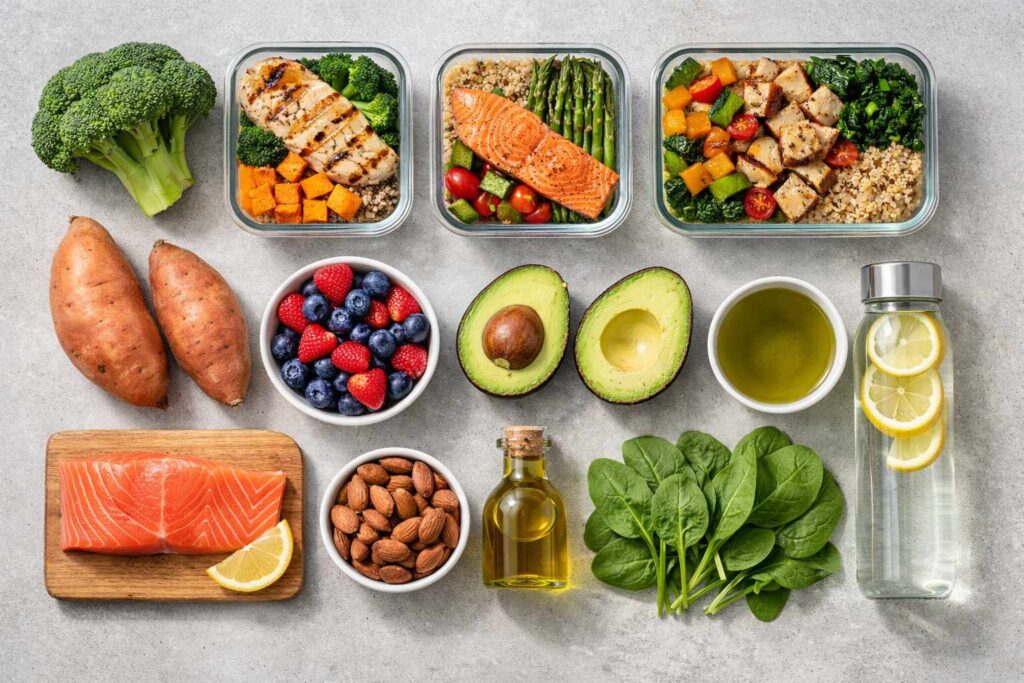
Focus on hydration with a target of 0.5-1 ounce of water per pound of body weight. Add a pinch of sea salt and lemon to morning water for natural electrolyte support. Your meals should center on lean proteins (aim for 0.8-1g per pound of body weight), colorful vegetables, and healthy fats from sources like avocados, nuts, and olive oil.
Days 3-4: Optimization Phase
Introduce strategic fasting windows of 12-14 hours overnight. Research from the Cell Metabolism journal shows that time-restricted eating can improve insulin sensitivity and increase human growth hormone production—both crucial for muscle recovery and body composition. If you finish dinner by 7 PM, don’t eat breakfast until 7-9 AM.

Add cruciferous vegetables daily—broccoli, cauliflower, Brussels sprouts—which contain sulforaphane, a compound that supports your body’s natural detoxification enzymes. The Journal of Nutritional Biochemistry reports that sulforaphane can enhance antioxidant capacity by activating the Nrf2 pathway.
During this phase, keep training intensity moderate. Replace one high-intensity workout with active recovery like yoga, swimming, or a nature walk. Your body needs resources for internal optimization, not just external performance.
Days 5-7: Peak Performance Phase
By now, you should notice improved energy and mental clarity. Double down on anti-inflammatory foods: wild-caught salmon rich in omega-3s (aim for 2-3g EPA/DHA daily), berries packed with anthocyanins, and turmeric with black pepper for enhanced curcumin absorption. A study in the European Journal of Applied Physiology found that omega-3 supplementation reduced exercise-induced muscle damage and accelerated recovery.
Prioritize sleep hygiene with an 8-9 hour target. According to the Journal of Science and Medicine in Sport, athletes who sleep less than 8 hours show decreased sprint times, reduced accuracy, and increased injury risk. Create a wind-down routine: dim lights 90 minutes before bed, keep your room at 65-68°F, and consider magnesium glycinate (300-400mg) to support deep sleep phases.

Pro Tips for Maximum Impact
Timing Matters: Schedule your reset during a deload week when training volume is reduced. This allows adaptation without compromising workout quality.
Supplement Strategically: Consider adding digestive enzymes with meals, vitamin D3 (2000-5000 IU if deficient), and a quality probiotic with at least 10 billion CFUs to support gut health—your body’s foundation for nutrient absorption and immune function.
Track Your Biomarkers: Take baseline measurements on day 1: morning weight, resting heart rate, and subjective energy levels (1-10 scale). Reassess on day 8 to quantify improvements.
Stay Flexible: If you have demanding training or competitions, adjust the protocol. The goal is enhancement, not additional stress.
What to Expect: Your Reset Results
Most people report noticeable improvements by day 4-5: increased energy, reduced bloating, better sleep quality, and improved workout performance. You might lose 2-5 pounds, primarily from reduced inflammation and water retention rather than fat loss. More importantly, you’re setting the stage for consistent progress throughout 2026.
Research from Sports Medicine indicates that athletes who implement regular reset protocols show better long-term performance trends and reduced injury rates compared to those who train continuously at high intensity without strategic recovery phases.
Moving Forward: Making It Sustainable
After your 7-day reset, don’t immediately return to old habits. Gradually reintroduce foods you eliminated, noticing how your body responds. Many find that maintaining 80% of their reset principles—whole foods, adequate hydration, quality sleep—becomes their new baseline for sustained performance.
Consider implementing quarterly resets, ideally aligned with training cycles. Think of it as preventive maintenance for your body’s operating system.
Disclaimer: This article provides general information and is not intended as medical advice. Consult with a healthcare provider or registered dietitian before making significant dietary changes, especially if you have underlying health conditions, take medications, or are pregnant or nursing. Individual results may vary based on genetics, training status, and adherence to the protocol.