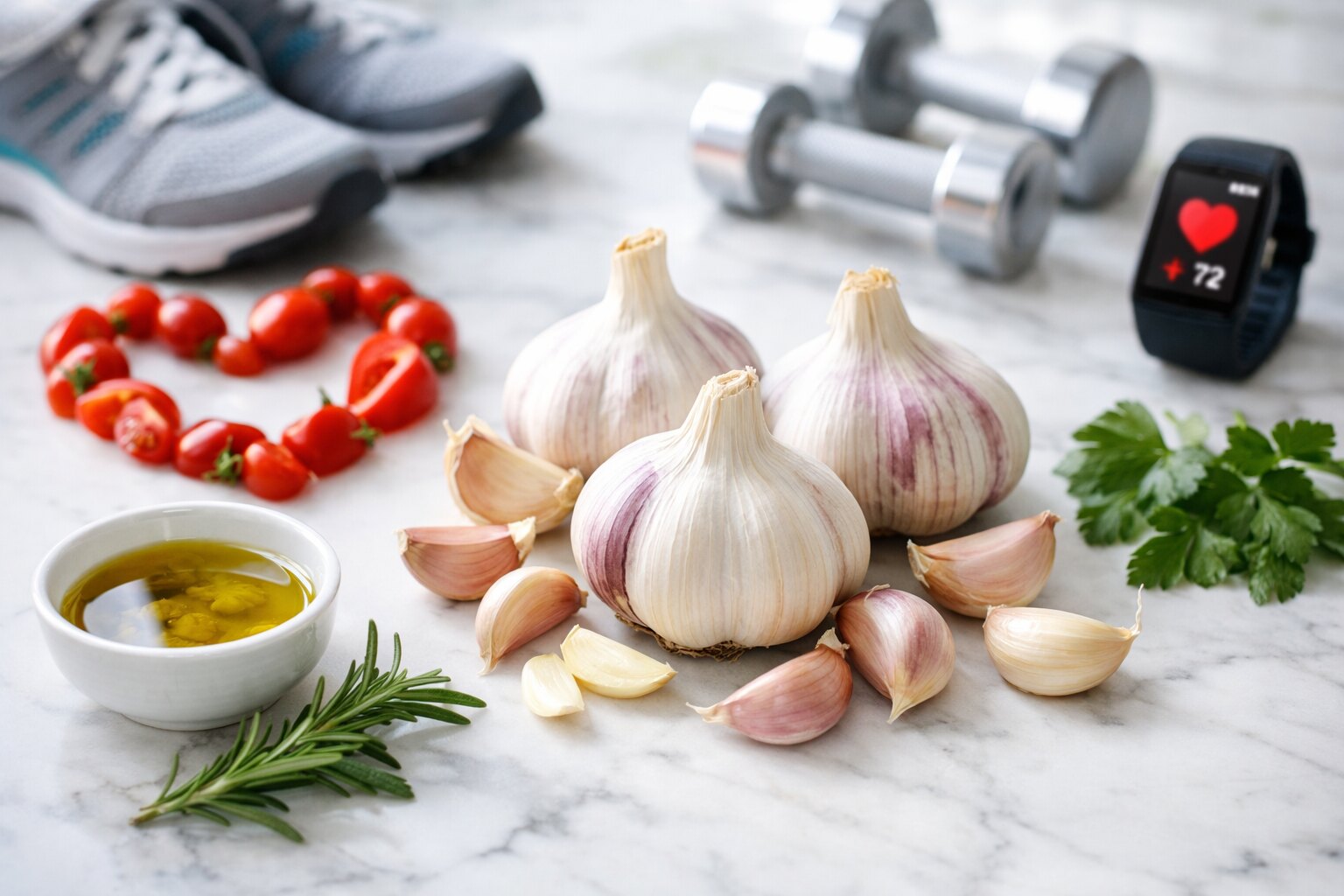
If you’re serious about fitness and performance, you already know that heart health matters. Strong cardiovascular function means better endurance, faster recovery, and improved oxygen delivery to working muscles. That’s why cholesterol management isn’t just for older adults—it’s relevant for anyone optimizing their athletic performance and long-term health.
Garlic has been used medicinally for thousands of years, praised for its antimicrobial, anti-inflammatory, and antioxidant properties. But can this pungent bulb actually help lower your cholesterol levels? Athletes and fitness enthusiasts looking for natural ways to support cardiovascular health often turn to garlic supplements, but does the science back up the hype?
Let’s examine what research actually shows about garlic and cholesterol management.
What the Research Shows: Garlic’s Impact on Cholesterol
Total Cholesterol and LDL (Bad Cholesterol) Reduction
Multiple studies have examined garlic’s effects on blood lipid profiles, with promising but varied results. Here’s what the research reveals:
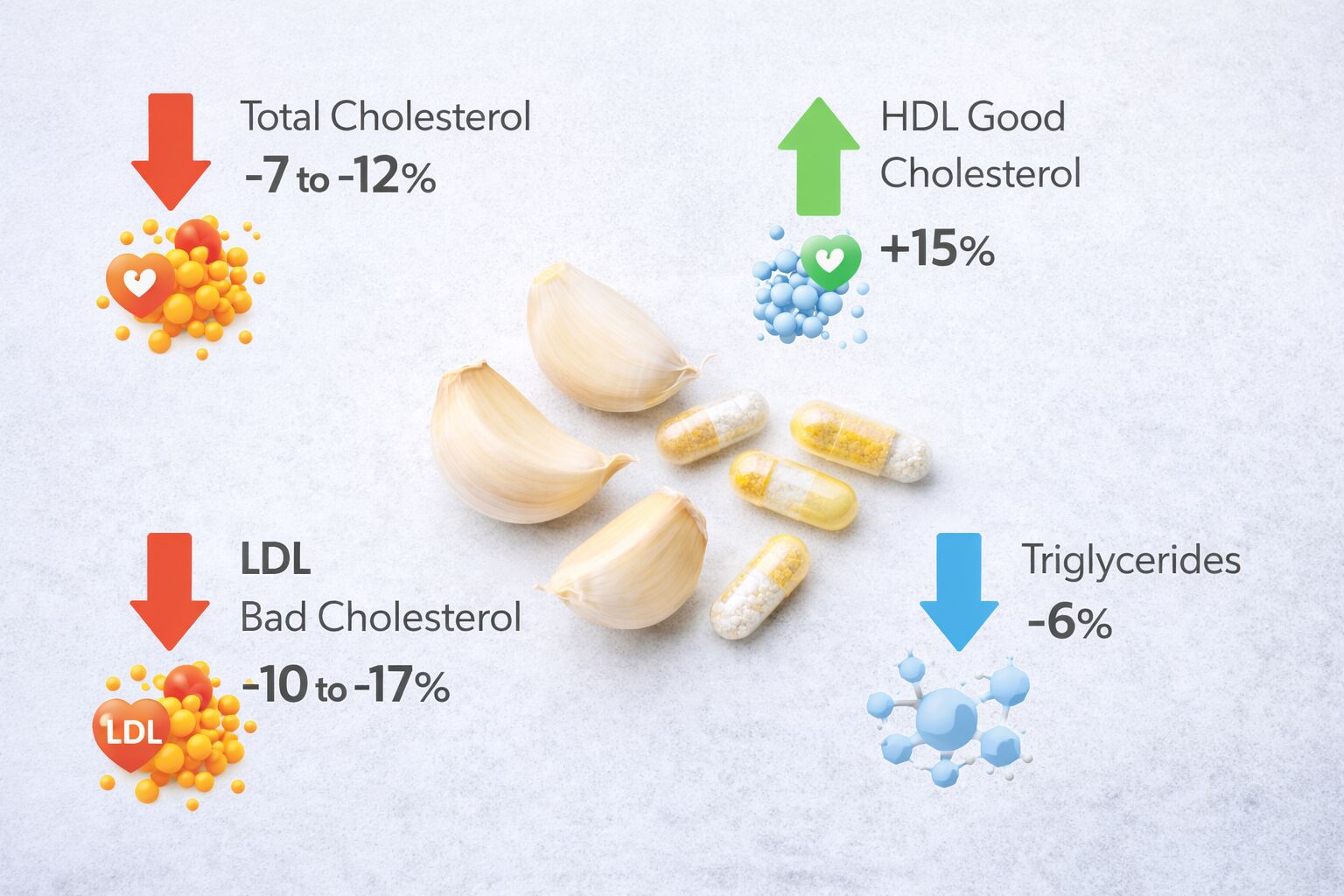
A study published in The Journal of Nutrition found that aged garlic extract (AGE) supplementation helped reduce total cholesterol by up to 7 percent. When men with hypercholesterolemia (high cholesterol) took this extract, their low-density lipoprotein (LDL) cholesterol—the “bad” cholesterol that contributes to arterial plaque buildup—decreased by 10 percent.
Another clinical trial examined participants taking garlic powder tablets equivalent to 400 mg of garlic containing 1 mg of allicin (garlic’s active compound) twice daily for 6 weeks. The results were notable: total cholesterol dropped by 12 percent, LDL cholesterol decreased by 17 percent, and triglyceride levels reduced by 6 percent.
Research published in Atherosclerosis demonstrated that consuming half to one clove of garlic daily (or its equivalent in supplement form) reduced total cholesterol levels by approximately 9 percent in individuals with cholesterol levels above 200 mg/dL (5.17 mmol/L).
Animal studies have corroborated these findings, showing that raw aqueous garlic extract reduced total cholesterol, LDL cholesterol, and triglyceride levels in test subjects.
However, it’s important to note that not all studies show such dramatic results. Some meta-analyses suggest more modest effects, estimating total cholesterol reduction at 4-6 percent rather than the higher figures seen in individual studies.
HDL (Good Cholesterol) May Actually Increase
One of garlic’s most attractive features for cardiovascular health is that while it may lower harmful cholesterol types, it appears to preserve or even boost levels of high-density lipoprotein (HDL)—the “good” cholesterol that helps remove LDL from your arteries.
Research shows that 6 weeks of garlic supplementation led to a 15 percent increase in HDL cholesterol in some participants. A smaller study published in Lipids in Health and Disease found that after 4 months of garlic extract supplementation, people with high cholesterol experienced an improved overall lipid profile, with HDL cholesterol levels actually rising while harmful cholesterol decreased.
For athletes, maintaining healthy HDL levels is crucial. HDL cholesterol supports cardiovascular efficiency, reduces inflammation, and may even play a role in muscle recovery by helping manage oxidative stress from intense training.
Triglyceride Reduction
Elevated triglycerides can impair athletic performance by affecting energy metabolism and increasing cardiovascular strain. The same studies showing LDL reductions also demonstrated triglyceride decreases of approximately 6 percent with regular garlic consumption.
While 6 percent might seem modest, for athletes with borderline-high triglycerides, this reduction combined with proper nutrition and training could move levels into the optimal range for performance.
The Catch: Effects May Be Temporary
Here’s where the research gets more complicated. While garlic shows clear short-term benefits for cholesterol management, these effects may not last indefinitely without continued supplementation.
A study in the Journal of the Royal College of Physicians found significant reductions in both total and LDL cholesterol at the 8-week and 12-week marks when participants used standardized dried garlic powder. However, when researchers followed up at 6 months, the cholesterol-lowering effects were no longer maintained.
This suggests that garlic works more like an active intervention rather than a one-time fix. To maintain benefits, you need consistent intake—much like training itself. You can’t work out for 12 weeks, stop, and expect to maintain all your gains.
Your Starting Cholesterol Matters
Research indicates that garlic’s effectiveness may depend on your baseline cholesterol levels. A study published in European Journal of Clinical Nutrition examined people with cholesterol above 200 mg/dL and found that garlic powder tablets (800 mg containing 1.3% alliin) showed the strongest cholesterol-lowering effects in those with initial total cholesterol between 250-300 mg/dL.
If your cholesterol is only slightly elevated or already well-controlled, garlic supplementation may produce less dramatic results. Conversely, those with moderately high cholesterol appear to benefit most.
This individualized response makes sense from a physiological standpoint—the greater the imbalance, the more room for improvement through dietary and supplemental interventions.
Practical Guidelines for Athletes
How Much Garlic Should You Take?
Based on the research, effective doses include:
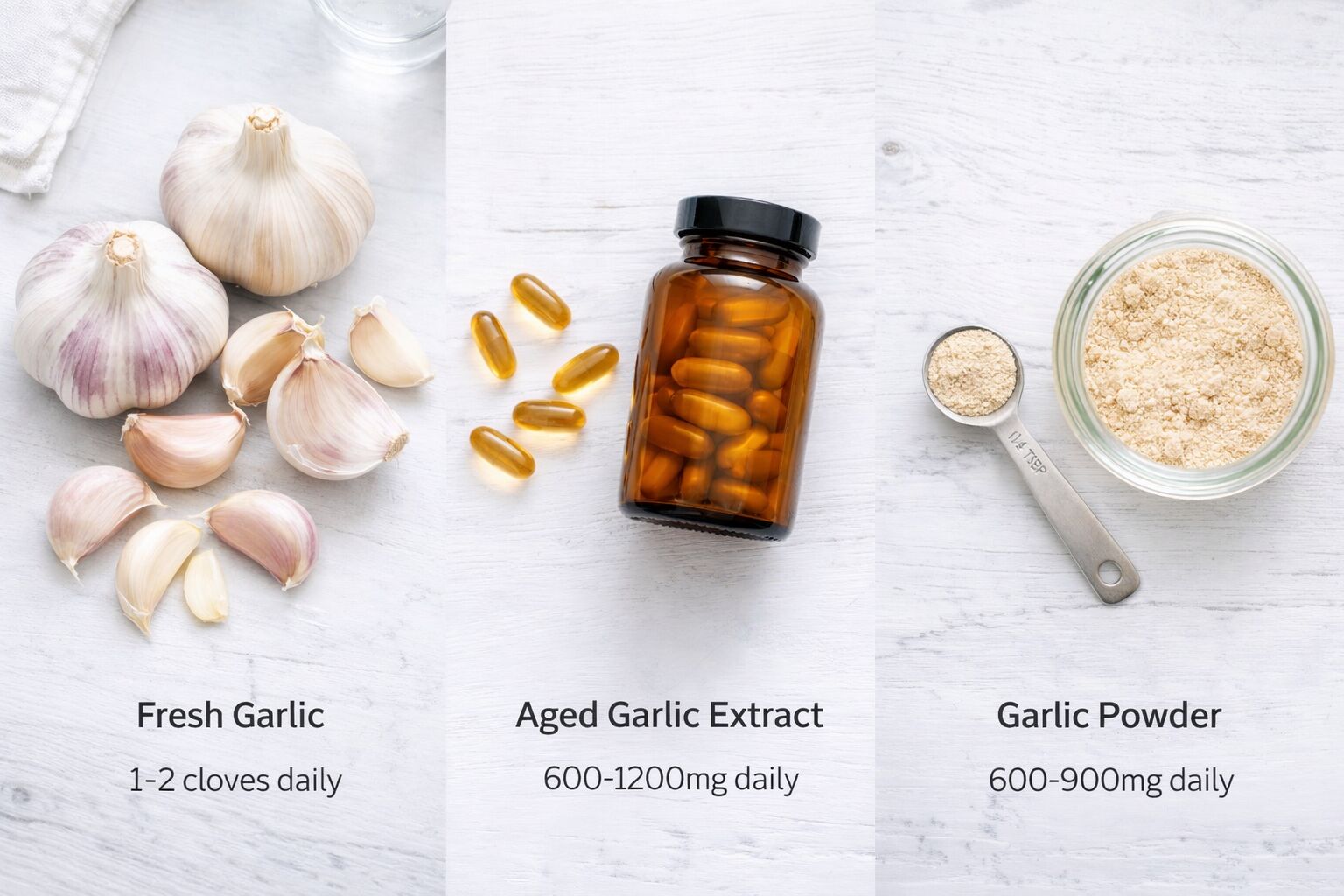
- Fresh garlic: 1/2 to 1 clove daily
- Aged garlic extract: 600-1,200 mg daily
- Garlic powder: 600-900 mg daily (standardized to 1.3% alliin or providing at least 1 mg allicin)
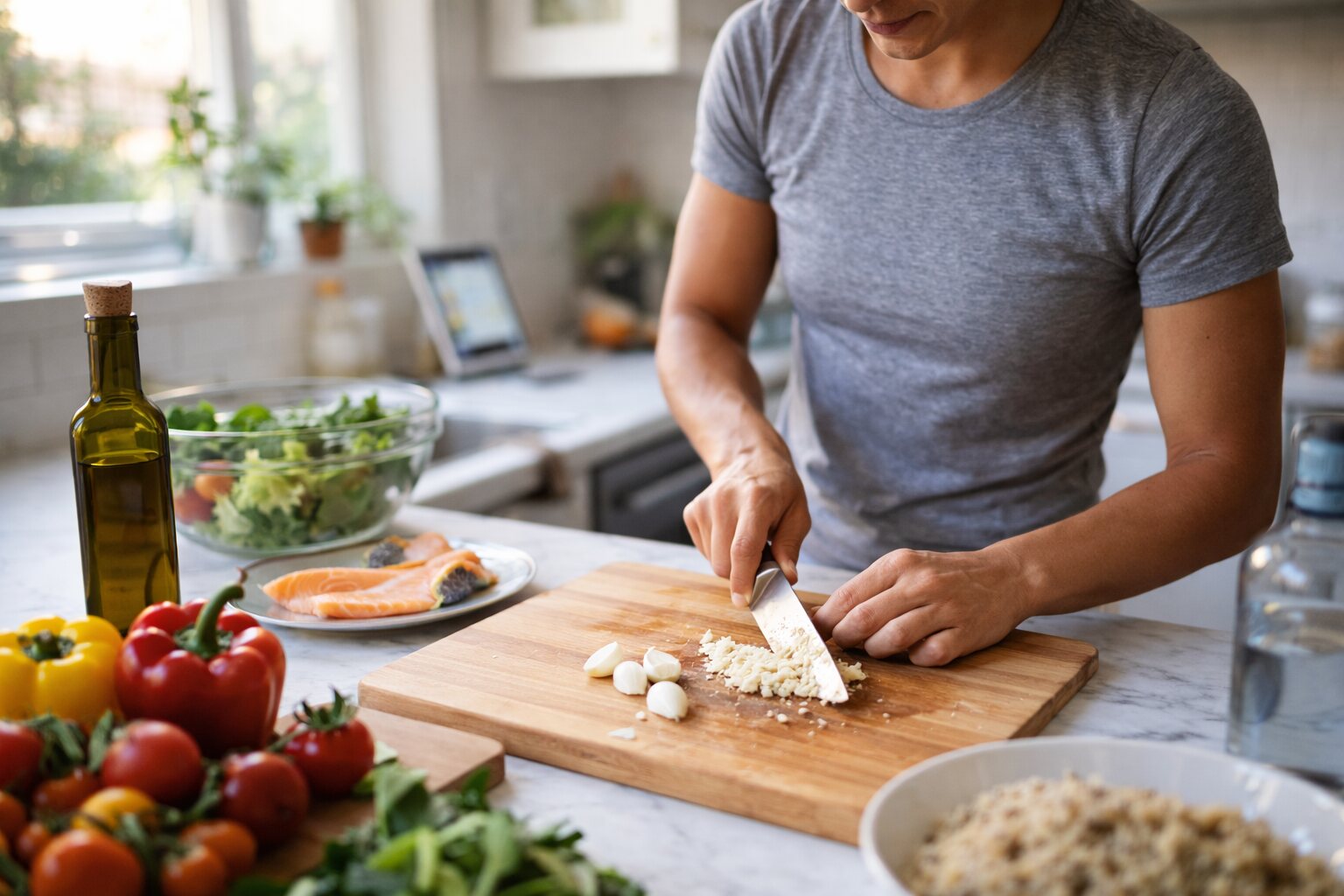
For athletes incorporating garlic into their nutrition plan, fresh garlic in meals is the simplest approach. One to two cloves daily in cooking provides beneficial compounds while enhancing flavor without requiring supplementation.
Timing and Form
While fresh garlic contains the most bioactive compounds, many people prefer supplements to avoid garlic breath and digestive discomfort. Aged garlic extract (AGE) is particularly well-studied and may cause fewer side effects than raw garlic or garlic powder.
Taking garlic with meals can reduce potential gastric irritation. For athletes, this means incorporating garlic into post-workout meals or daily nutrition rather than taking it on an empty stomach.
Important Considerations and Side Effects
While garlic is generally safe for most people, there are important caveats:
Common mild side effects:
- Garlic breath (the most frequent complaint)
- Heartburn or acid reflux
- Flatulence and digestive discomfort
- Body odor
For most people, one to two cloves as part of a normal diet causes minimal issues beyond temporary breath concerns.
Serious considerations for athletes:
Garlic inhibits platelet aggregation, meaning it has a mild blood-thinning effect. While this can be beneficial for cardiovascular health, it poses risks for:
- Athletes on anti-inflammatory medications: NSAIDs like ibuprofen combined with garlic could increase bleeding risk
- Those taking anticoagulants: Medications like warfarin or newer blood thinners could have amplified effects when combined with garlic supplements
- Pre-surgical situations: If you’re scheduled for surgery (even minor procedures), you should discontinue garlic supplements at least 7-10 days prior due to bleeding risk
- Contact sports athletes: Those in combat sports or activities with bleeding risk should be cautious with high-dose garlic supplementation
Always consult with a healthcare provider before starting garlic supplementation, especially if you’re taking any medications or have existing health conditions.
Beyond Cholesterol: Garlic’s Anti-Inflammatory Benefits
Recent research suggests that the cholesterol-heart disease relationship is more complex than once thought. What’s emerging as increasingly important is chronic inflammation—a key factor in both cardiovascular disease and athletic performance.
Chronic inflammation can result from:
- Processed and refined foods
- Inadequate recovery between training sessions
- High training volume without proper nutrition
- Psychological stress
- Poor sleep quality
Research published in Phytotherapy Research demonstrates that garlic possesses significant anti-inflammatory properties. For athletes dealing with exercise-induced inflammation, garlic’s antioxidant compounds may support recovery and reduce systemic inflammation that impairs performance.
Interestingly, one hypothesis suggests that chronic inflammation triggers increased cholesterol production as a protective mechanism. High cholesterol is also linked to increased inflammation, creating a problematic cycle. Garlic may help interrupt this cycle through its dual action on both cholesterol and inflammation.
The Bottom Line for Athletes
Garlic shows genuine promise for supporting healthy cholesterol levels based on multiple research studies. However, it’s not a magic bullet or a substitute for proper cardiovascular health management.
What garlic CAN do:
- Reduce total cholesterol by 4-12% depending on individual factors
- Lower LDL cholesterol by 10-17% in some studies
- Decrease triglycerides by approximately 6%
- Maintain or increase beneficial HDL cholesterol
- Provide anti-inflammatory and antioxidant support
- Support overall cardiovascular health as part of a comprehensive approach
What garlic CANNOT do:
- Replace prescribed cholesterol medications
- Provide permanent cholesterol reduction without continued use
- Work equally well for everyone regardless of baseline levels
- Substitute for proper nutrition, training, and lifestyle factors
The athlete’s approach:
Incorporate garlic as part of a holistic cardiovascular health strategy that includes:
- Regular aerobic exercise for heart health
- Whole-food, anti-inflammatory nutrition
- Adequate sleep and stress management
- Regular health monitoring (including lipid panels)
- Professional medical guidance for cholesterol management
For fitness enthusiasts, adding one to two cloves of fresh garlic to your daily nutrition is a simple, evidence-based strategy that may support both cardiovascular health and performance. Whether through fresh garlic in meals or a quality aged garlic extract supplement, this ancient remedy offers modern athletes a natural tool for optimizing health.
Just remember: garlic enhances your health strategy; it doesn’t replace it. Continue monitoring your cholesterol levels with your healthcare provider, maintain your training and nutrition protocols, and view garlic as one beneficial component of your overall performance and longevity plan.
Disclaimer: This article is for informational and educational purposes only and does not constitute medical advice. Cholesterol management should be supervised by a qualified healthcare provider. Do not discontinue any prescribed medications without consulting your doctor. Garlic supplements can interact with various medications, particularly anticoagulants and anti-inflammatory drugs. Individual results may vary. Always consult with your physician before adding supplements to your regimen, especially if you have existing cardiovascular conditions, are taking medications, or are scheduled for surgery.