Your post-workout glow is real, but what about the skin damage that comes with intense training? Between UV exposure during outdoor runs, inflammation from heavy lifting, and oxidative stress from endurance sessions, your skin takes a beating. Enter turmeric—a golden-hued spice that’s been used in traditional medicine for centuries and is now gaining traction in the fitness community for its remarkable skin-protective properties.
If you’re serious about recovery and overall wellness, your skincare routine deserves the same attention as your training plan. Here’s what science says about turmeric and why it might be the missing piece in your fitness recovery protocol.
What Makes Turmeric Effective?
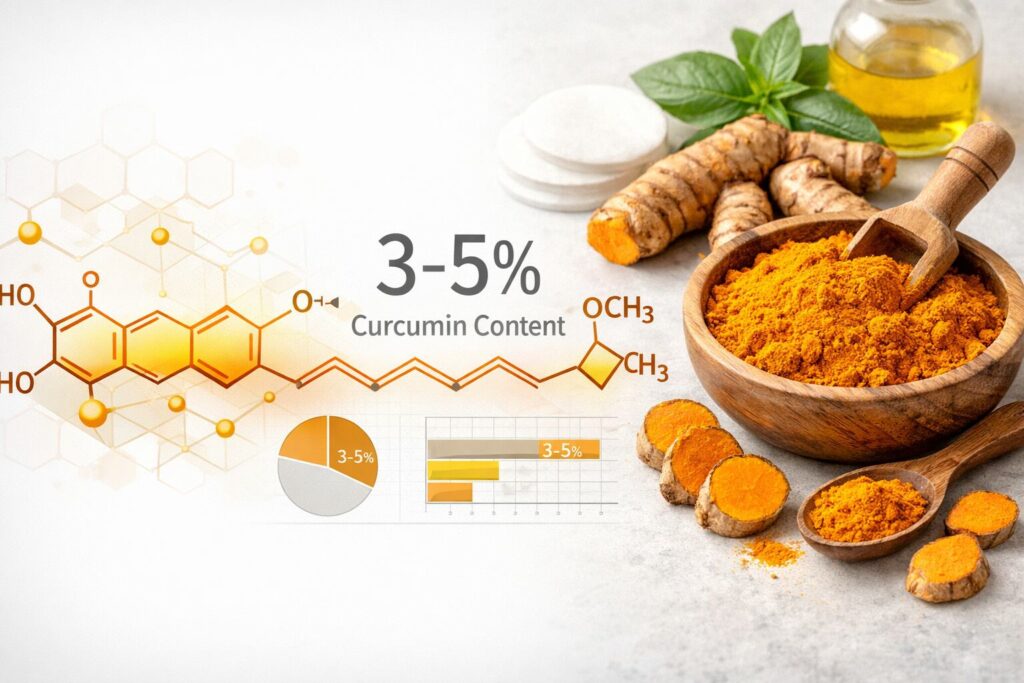
Turmeric’s superpower lies in curcumin, a bioactive compound that accounts for approximately 3-5% of turmeric’s weight. According to research published in the Journal of Clinical and Aesthetic Dermatology, curcumin exhibits potent anti-inflammatory and antioxidant properties that can benefit skin health at the cellular level.
The compound works by inhibiting inflammatory pathways and neutralizing free radicals—unstable molecules that damage cells and accelerate aging. For athletes who generate higher levels of oxidative stress through intense physical activity, this protection becomes particularly valuable.
5 Evidence-Based Skin Benefits
1. Manages Inflammatory Skin Conditions
If you struggle with eczema, psoriasis, or seborrheic dermatitis, turmeric’s anti-inflammatory action may provide relief. A study in Phytotherapy Research found that curcumin can modulate immune responses and reduce inflammatory markers in skin tissue. For athletes dealing with skin irritation from tight workout gear or excessive sweating, topical turmeric applications may help calm reactive skin.
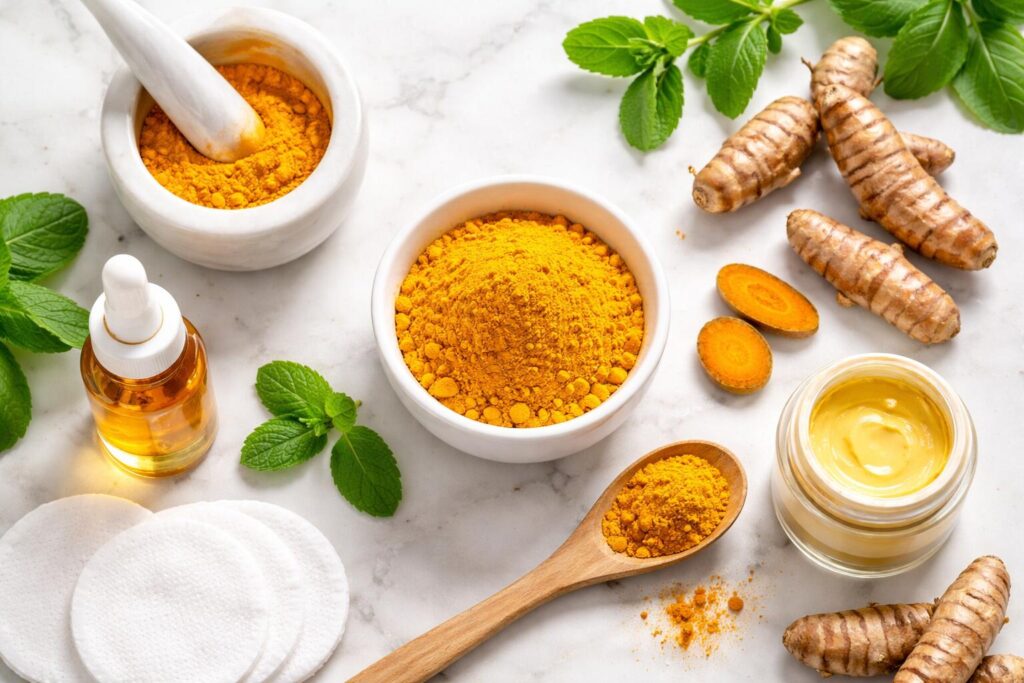
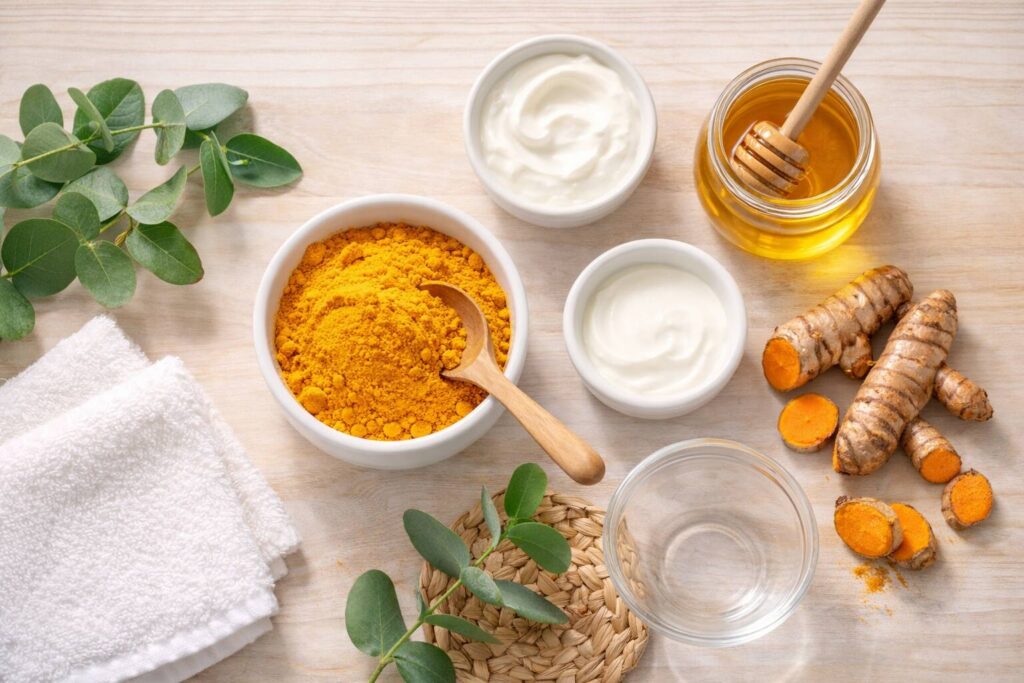
Application tip: Mix 1 teaspoon of turmeric powder with 2 tablespoons of plain yogurt and apply to affected areas for 10-15 minutes, then rinse thoroughly.
2. Supports Collagen Production and Reduces Fine Lines
Your skin’s elasticity depends on collagen, a protein that naturally declines with age and oxidative stress. Research in the Journal of Cosmetic Dermatology suggests that curcumin can help maintain collagen integrity by protecting fibroblasts—the cells responsible for collagen production—from damage.
Additionally, turmeric’s ability to combat free radicals means fewer premature signs of aging. For athletes exposed to environmental stressors, this translates to healthier, more resilient skin over time.
3. Protects Against UV-Induced Damage

Outdoor training exposes your skin to harmful ultraviolet radiation, which can cause DNA damage, inflammation, and accelerated aging. While turmeric is not a replacement for sunscreen, studies published in Photochemistry and Photobiology indicate that curcumin possesses photoprotective properties that may reduce UV-induced oxidative stress.
The compound works by absorbing UV radiation and neutralizing reactive oxygen species generated by sun exposure. Think of it as an additional layer of defense for your post-workout skincare routine.
Pro tip: Apply turmeric-based products after your morning workout, but always use broad-spectrum SPF 30+ sunscreen for outdoor activities.
4. Enhances Skin Radiance and Even Tone
Dull skin can result from inflammation, poor circulation, or cellular damage—all factors that active individuals face. Turmeric addresses these issues by improving microcirculation and promoting cellular turnover. According to the International Journal of Molecular Sciences, curcumin can inhibit melanin production, which helps fade hyperpigmentation and create a more even complexion.
For fitness enthusiasts, this means better-looking skin that reflects your healthy lifestyle. The improved blood flow also supports nutrient delivery to skin cells, enhancing that natural post-workout glow.
5. Targets Acne and Post-Inflammatory Hyperpigmentation
Acne and dark spots can plague athletes due to increased sebum production, bacteria exposure in gym environments, and inflammation. Research in Dermatologic Therapy shows that curcumin has antimicrobial properties effective against Propionibacterium acnes, the bacteria responsible for acne breakouts.
Furthermore, curcumin inhibits tyrosinase, the enzyme involved in melanin synthesis. This dual action helps clear existing blemishes while preventing the dark marks that often follow breakouts.
DIY spot treatment: Combine 1/2 teaspoon turmeric with 1 teaspoon raw honey and apply directly to problem areas for 15 minutes, 2-3 times weekly.
How to Incorporate Turmeric Into Your Skincare Routine
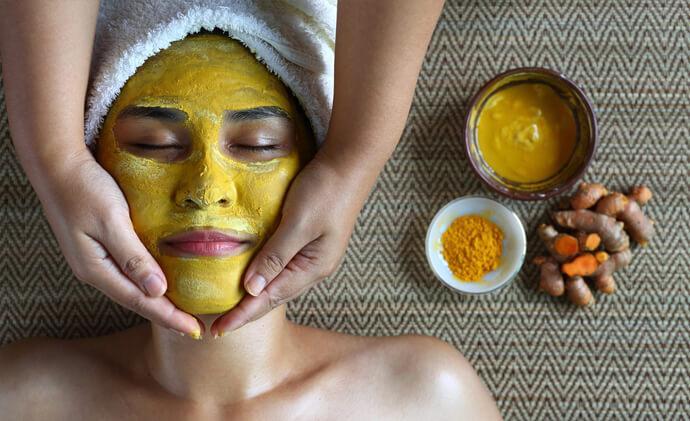
Topical applications are most effective for targeted skin benefits. However, be aware that turmeric can temporarily stain skin with a yellow tint—this washes off easily but may require gentle cleansing. Look for formulations that include kasturi turmeric (wild turmeric), which provides benefits without staining.
Oral supplementation with curcumin (typically 500-1000mg daily) can support systemic anti-inflammatory effects, though topical application offers more direct skin benefits. Always choose supplements with black pepper extract (piperine) to enhance absorption by up to 2000%, according to research in Planta Medica.
Best timing: Apply turmeric masks post-workout when pores are open from increased circulation, allowing better absorption of active compounds.
Considerations and Cautions
While turmeric is generally safe for most people, those with sensitive skin should perform a patch test before full application. If you’re taking blood-thinning medications, consult your healthcare provider before using turmeric supplements, as curcumin has mild anticoagulant properties.
Pregnant or nursing women should also seek medical advice before incorporating concentrated turmeric products into their routine.
The Bottom Line
Turmeric offers legitimate, science-supported benefits for skin health, making it a worthy addition to any fitness enthusiast’s recovery toolkit. From managing inflammation to protecting against environmental damage, this ancient spice provides modern solutions for active individuals who demand both performance and appearance.
Remember that skincare, like fitness, requires consistency. Give turmeric-based treatments at least 4-6 weeks of regular use to see noticeable results.
Disclaimer: This article is for informational purposes only and does not constitute medical advice. Consult with a dermatologist or healthcare provider before starting any new skincare regimen, especially if you have existing skin conditions or allergies.