The countdown to 2026 has begun. If you’re planning to launch into a new workout routine come January 1st, here’s something you can do right now to get ahead of the game.
Your metabolism is the engine that drives every workout, every rep, and every mile you’ll log in the new year. The good news? You can start optimizing that engine today with five scientifically-proven foods that enhance metabolic function.
These aren’t magic bullets—they’re evidence-backed nutritional strategies that prepare your body for peak performance when your training begins.
Why This Matters for Your Goals
Your basal metabolic rate accounts for 60-75% of your total daily energy expenditure. When you boost your metabolism, you’re essentially upgrading your body’s ability to:
- Burn calories at rest
- Convert food into usable energy more efficiently
- Recover faster from workouts
Think of these five foods as your pre-workout plan for your workout plan.
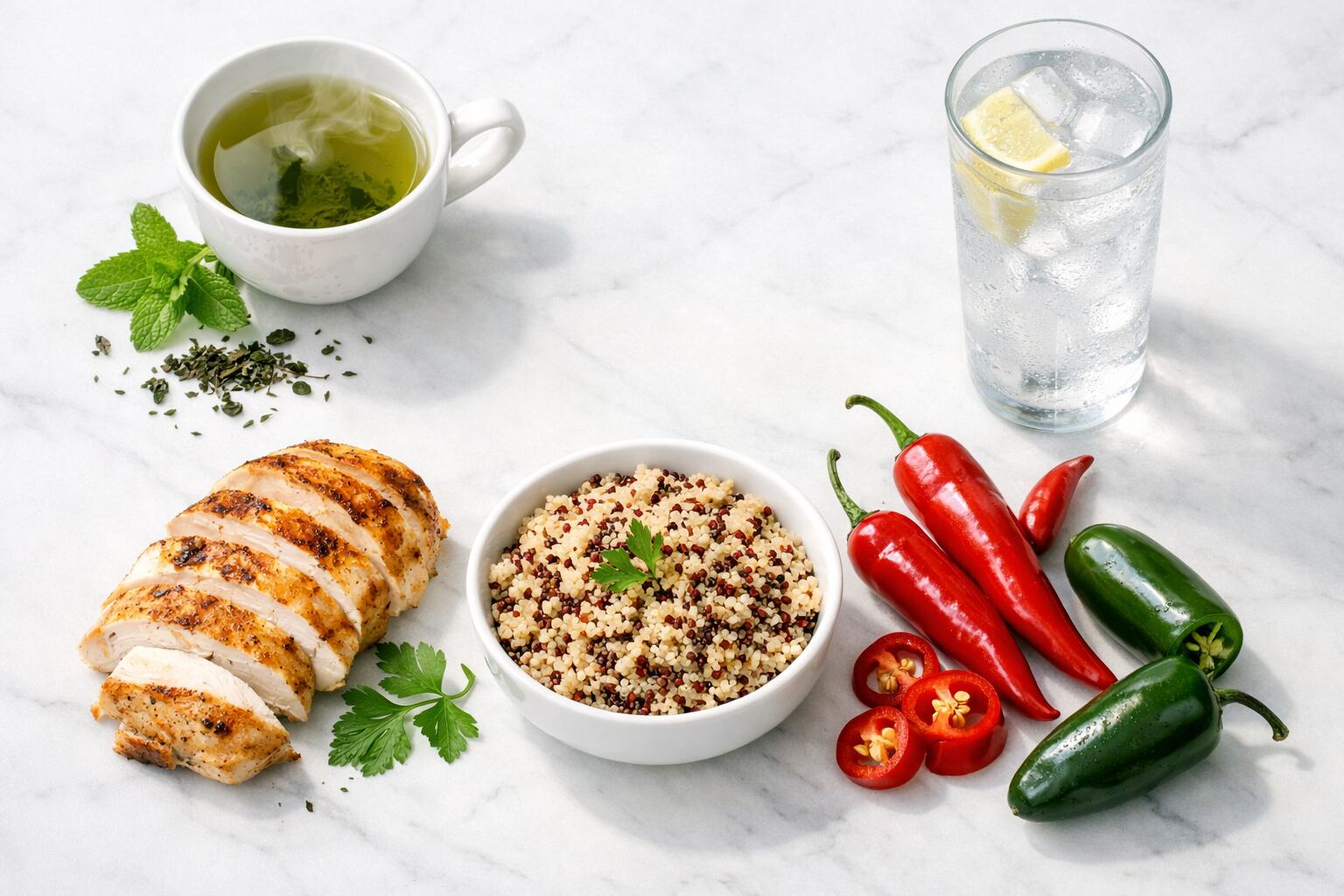
1. Green Tea: Your Fat-Burning Catalyst

Green tea isn’t just trendy—it’s a metabolic powerhouse. The secret lies in its combination of caffeine and catechins, particularly EGCG.
The science: Research shows green tea catechins can increase energy expenditure by 4-5% and fat oxidation by 10-16%.
How It Works
EGCG enhances thermogenesis—the process where your body burns calories to produce heat. The modest caffeine content (25-50mg per cup) provides a gentle energy boost that works synergistically with catechins.
How to Use It
- Drink 2-3 cups daily between meals
- Steep for 3-5 minutes to maximize benefits
- Skip the sugar
- Best timing: morning and early afternoon
Pro tip: Sensitive to caffeine? Decaf green tea still gives you 80% of the metabolic benefits.
2. Lean Protein: The Calorie-Burning Champion
Your body burns calories just digesting food. Protein has the highest thermic effect of all nutrients, requiring 20-30% of its calories for digestion compared to 5-10% for carbs and 0-3% for fats.
Bonus: Muscle tissue burns 6 calories per pound daily at rest, compared to fat’s 2 calories per pound. More protein = more muscle = higher metabolism.
Best Sources for Athletes
- Chicken breast: 31g protein per 100g
- Wild salmon: 25g protein + omega-3s
- Greek yogurt: 10g protein + probiotics
- Eggs: 6g protein + complete amino acids
- Lean beef: 26g protein + bioavailable iron
How Much You Need
Aim for 1.6-2.2 grams per kilogram of body weight daily if you’re planning moderate to intense training. Spread this across 4-5 meals for maximum benefit.
3. Chili Peppers: Nature’s Heat Generator

If you can handle the heat, capsaicin—the compound that makes chilis spicy—can literally raise your body temperature and metabolic rate.
The numbers: Studies show capsaicin increases energy expenditure by approximately 50 calories per day. That’s 5 pounds of fat loss annually without any other changes.
How It Works
Capsaicin activates specific receptors that trigger increased fat oxidation, reduced appetite, and enhanced energy expenditure.
Easy Ways to Add It
- Sprinkle cayenne pepper on morning eggs (start with 1/4 teaspoon)
- Add jalapeños to lunch or dinner
- Use red pepper flakes on proteins or vegetables
- Try hot sauce with minimal added sugars
Caution: If you have stomach sensitivity, GERD, or take blood thinners, check with your doctor first.
4. Whole Grains: Your Sustained Energy Source
Complex carbs from whole grains require more energy to digest than refined versions, plus they provide the sustained fuel your muscles need for high-intensity training.
Why they work: Rich in fiber, whole grains slow digestion and create stable blood glucose. This prevents insulin spikes that promote fat storage and maintains steady energy during workouts.
Top Choices
- Oats: 4g fiber per cup cooked
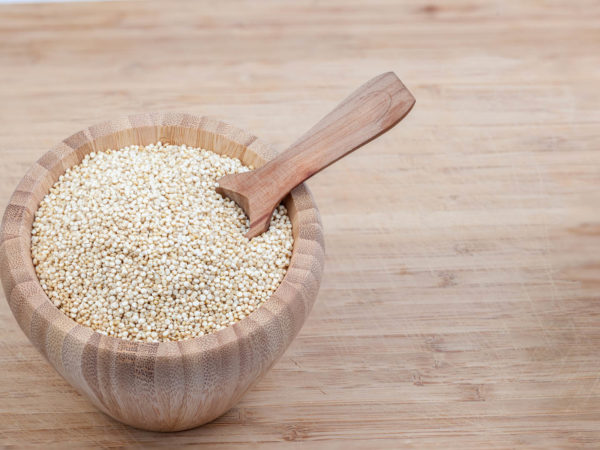
- Quinoa: Complete protein with all 9 essential amino acids
- Brown rice: 45g carbs per cup (excellent pre-workout fuel)
- Steel-cut oats: Lower glycemic index than rolled oats
Best Timing
Eat whole grains 2-3 hours before workouts for optimal glycogen loading. Post-workout, they help replenish depleted energy stores when paired with protein.
5. Cold Water: The Zero-Calorie Booster

While not technically a food, cold water is one of the most accessible metabolism enhancers available.
The research: Drinking 500ml of water increased metabolic rate by 30% in healthy subjects, lasting 30-40 minutes.
The Cold Factor
When you drink cold water (around 3°C), your body must expend energy to warm it to core temperature. Drinking 2 liters of cold water daily could burn an extra 70-100 calories.
Performance boost: Even 2% dehydration can impair strength, power, and endurance by 10-20%.
Your Hydration Protocol
- Drink 500ml cold water upon waking
- Consume 7-10ml per kg body weight 2-3 hours before training
- Aim for pale yellow urine
- Add lemon or cucumber for flavor without calories
Your 7-Day Action Plan
Don’t wait until January 1st. Start building your metabolic foundation this week.
Days 1-2
Add green tea to your morning routine and increase lean protein at each meal.
Days 3-4
Experiment with adding chili peppers or hot sauce to one meal daily.
Days 5-7
Replace refined grains with whole grain alternatives and track your water intake.
By the time 2026 arrives, your metabolism will be primed and ready. You’ll have established eating patterns that complement your workout routine rather than scrambling to figure out nutrition while adapting to new exercise stress.
The Bottom Line
These five metabolism-boosting foods work through distinct biological mechanisms—from thermogenesis and protein synthesis to improved insulin sensitivity and enhanced fat oxidation.
The research is clear: what you eat before starting a new training program directly impacts your success. By incorporating these evidence-backed foods now, you’re not just preparing for a New Year workout plan—you’re investing in sustainable, long-term metabolic health.
Fitness transformations aren’t built on January 1st. They’re built on the small, consistent choices you make every single day leading up to that moment.
Start now. Your future self will thank you.
Disclaimer
This article is for informational purposes only and does not constitute medical advice. Individual nutritional needs vary based on age, sex, activity level, health status, and fitness goals. Before making significant dietary changes or starting a new exercise program, consult with a registered dietitian or healthcare provider, especially if you have pre-existing health conditions or take medications.
References
- Hursel, R., et al. (2009). International Journal of Obesity – Green tea effects on weight loss
- Westerterp, K.R. (2004). Nutrition & Metabolism – Diet-induced thermogenesis
- Whiting, S., et al. (2012). PLOS ONE – Capsaicin and weight management
- Boschmann, M., et al. (2003). Journal of Clinical Endocrinology & Metabolism – Water-induced thermogenesis
- American College of Sports Medicine (2007). Medicine & Science in Sports & Exercise – Exercise and fluid replacement