
Your fitness routine tracks your sleep, calories, and recovery — but what about your sexual health? For active individuals and couples, libido is a direct reflection of hormonal balance, stress load, and overall wellness. Understanding what’s “normal” can reduce unnecessary pressure and help you build a healthier relationship alongside your healthy body.
Non esiste un numero magico
Una delle domande più richieste nel benessere relazionale è:“How much sex should married couples be having?”La risposta breve:Non esiste un parametro universale.
Ricerche pubblicate nelArchives of Sexual Behavior(2017) analizzato dati provenienti da oltre 26.000 americani e ha scoperto che le coppie che facevano sesso una volta a settimana riportavano la più alta soddisfazione nelle relazioni — ma sesso più frequente non aumentava significativamente la felicità oltre quella soglia.
Ciò che conta più della frequenza:
- Mutual satisfaction — both partners feel fulfilled
- Consistency — regular intimacy, even if infrequent
- Communication — open dialogue about needs and expectations
Whether that means twice a week or twice a month, the “right” amount is what works for yourrelazione — non quella del tuo amano.
La connessione tra fitness e libido
Come persona che dà priorità alla salute fisica, hai già un vantaggio. L’esercizio fisico influisce significativamente sulla libido attraverso il suo effetto sugli ormoni chiave:
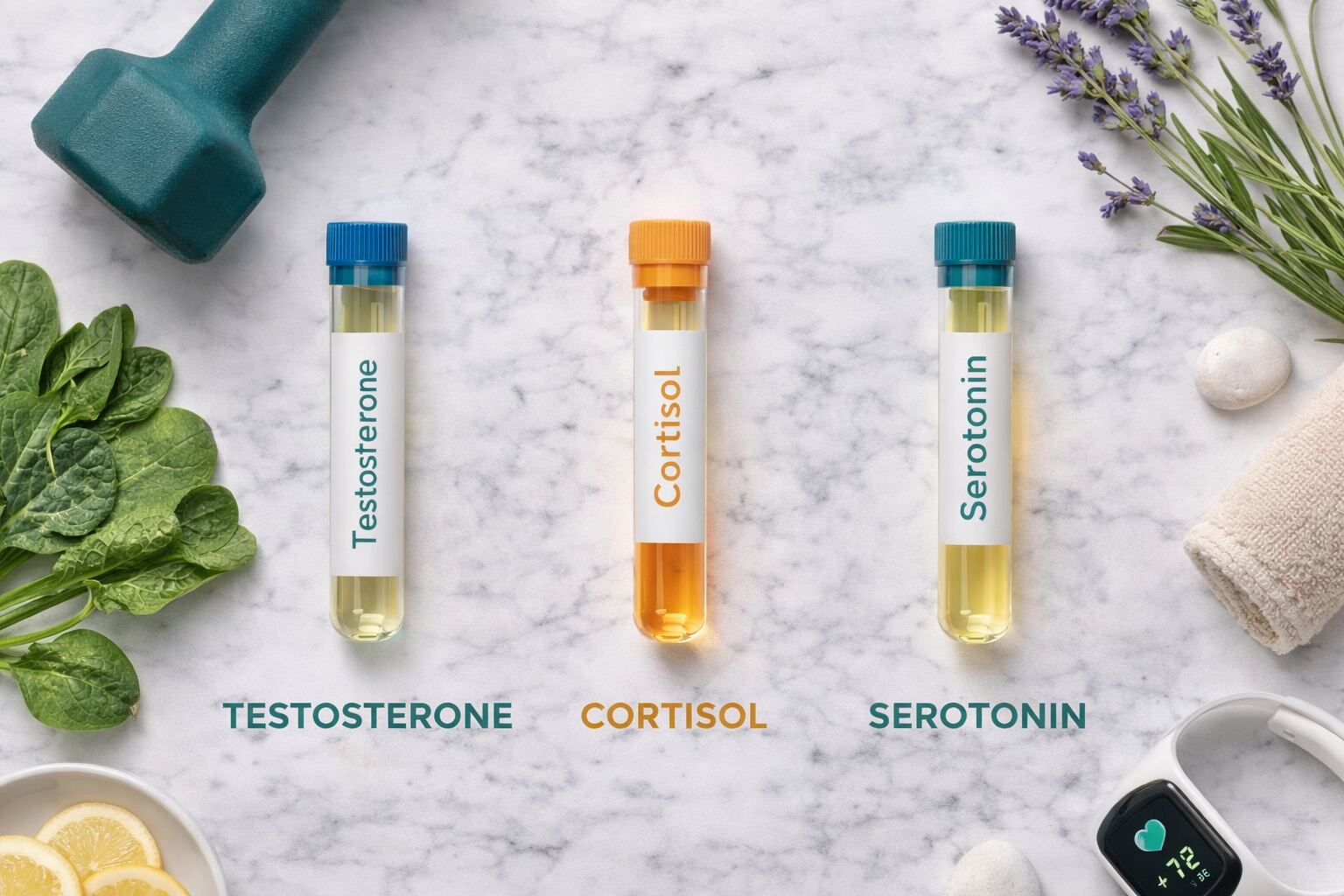
- Testosterone: Resistance training elevates testosterone in both men and women, directly supporting sex drive (Journal of Clinical Endocrinology & Metabolism, 2012)
- Cortisol: Chronic stress and overtraining suppress libido; recovery is as important as the workout
- Dopamine & Serotonin: Aerobic exercise boosts mood-regulating neurotransmitters, which improve desire and intimacy
Pro Tip: If your libido has dropped, check your training load. Overtraining syndrome is a documented libido suppressor — rest and recovery matter.
Comprendere la discrepanza del desiderio

Una sfida comune nelle relazioni a lungo termine è la libido disadatta — come chiamano i sessuoterapeutiDiscrepanza del desiderio. Un partner desidera più intimità; l’altro si accontenta di meno. Questo non è un segno di fallimento — è profondamente normale.
La fase iniziale di una relazione innesca cambiamenti neurochimici (aumento della dopamina e della noradrenalina) che aumentano temporaneamente il desiderio. Col tempo, man mano che la relazione matura, questi livelli si normalizzano.
Strategie per gestire la discrepanza del desiderio:
- Scheduled intimacy — just as you schedule workouts, schedule time for connection; research supports that anticipated intimacy can increase desire (Sexual and Relationship Therapy, 2019)
- Broaden the definition — physical closeness, massage, or non-sexual touch maintains bonding hormones like oxytocin
- Address root causes — fatigue, low testosterone, or poor sleep are addressable health issues, not permanent states
Tempismo pratico e ottimizzazione
Il tempismo conta — sia nell’allenamento che nell’intimità. La maggior parte delle coppie commette l’errore di lasciare il sesso per andare a dormire, quando i livelli di energia e testosterone sono al minimo.

Opzioni di tempismo migliori:
- Morning — testosterone peaks in the early hours for most adults
- Post-workout (not immediately after) — exercise elevates mood and body confidence; allow 30–60 minutes for cortisol to normalize
- Weekends or rest days — when physical recovery is higher and cognitive stress is lower
Quando cercare supporto
La bassa libido non è un fallimento personale — spesso è un sintomo. Se la discrepanza del desiderio o la bassa libido persistono, valuta:
- Hormonal panels (testosterone, estradiol, thyroid)
- Sleep quality (poor sleep reduces testosterone by up to 15%, per JAMA, 2011)
- Mental health — anxiety and depression are among the leading causes of reduced libido
- Couples therapy or sex therapy — evidence-based interventions with strong outcomes
Punti chiave
- Frequency is personal — aim for mutual satisfaction, not a societal benchmark
- Exercise supports libido — but overtraining can harm it
- Schedule intimacy — it’s not unromantic; it’s intentional
- Desire discrepancy is common — address it with communication, not shame
- Low libido has treatable causes — hormones, sleep, and stress are all optimizable
Disclaimer: This article is for informational and educational purposes only. It does not constitute medical or therapeutic advice. If you are experiencing persistent changes in libido or relationship concerns, please consult a licensed healthcare provider or certified sex therapist.
Fonti:
- Muise, A. et al. (2017). Archives of Sexual Behavior — Sexual frequency and relationship well-being
- Vingren, J.L. et al. (2012). Journal of Clinical Endocrinology & Metabolism — Testosterone and resistance training
- Leproult, R. & Van Cauter, E. (2011). JAMA — Sleep and testosterone levels
- McCarthy, B. & Wald, L.M. (2019). Sexual and Relationship Therapy — Desire discrepancy interventions