If rice is a staple in your meal prep, the variety you choose matters more than you might think. Both brown and white rice supply the carbohydrates your muscles rely on for training fuel and recovery, but they affect your blood sugar, insulin response, and body composition goals in noticeably different ways.
The Core Difference: Fiber and Insulin Response
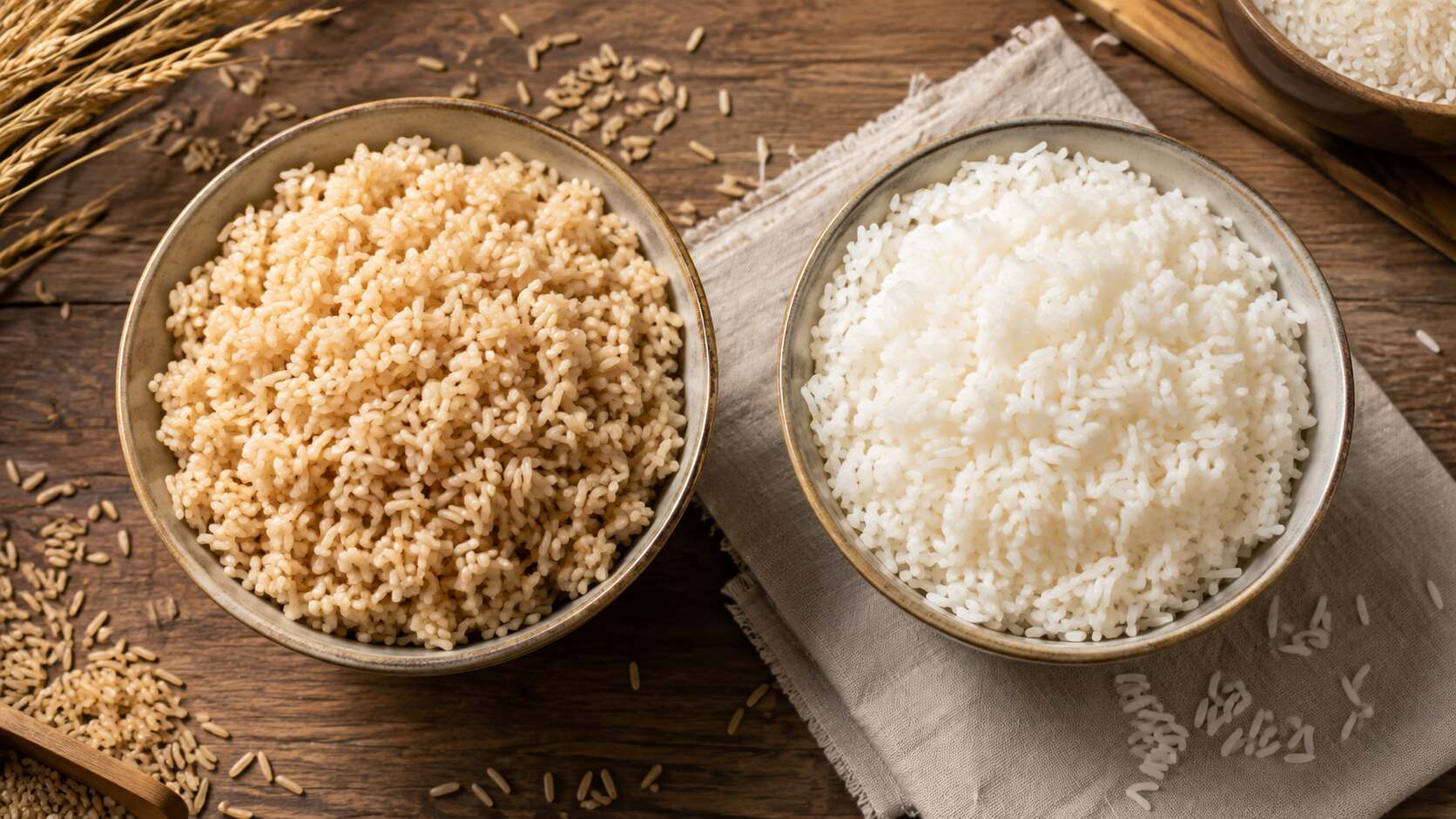
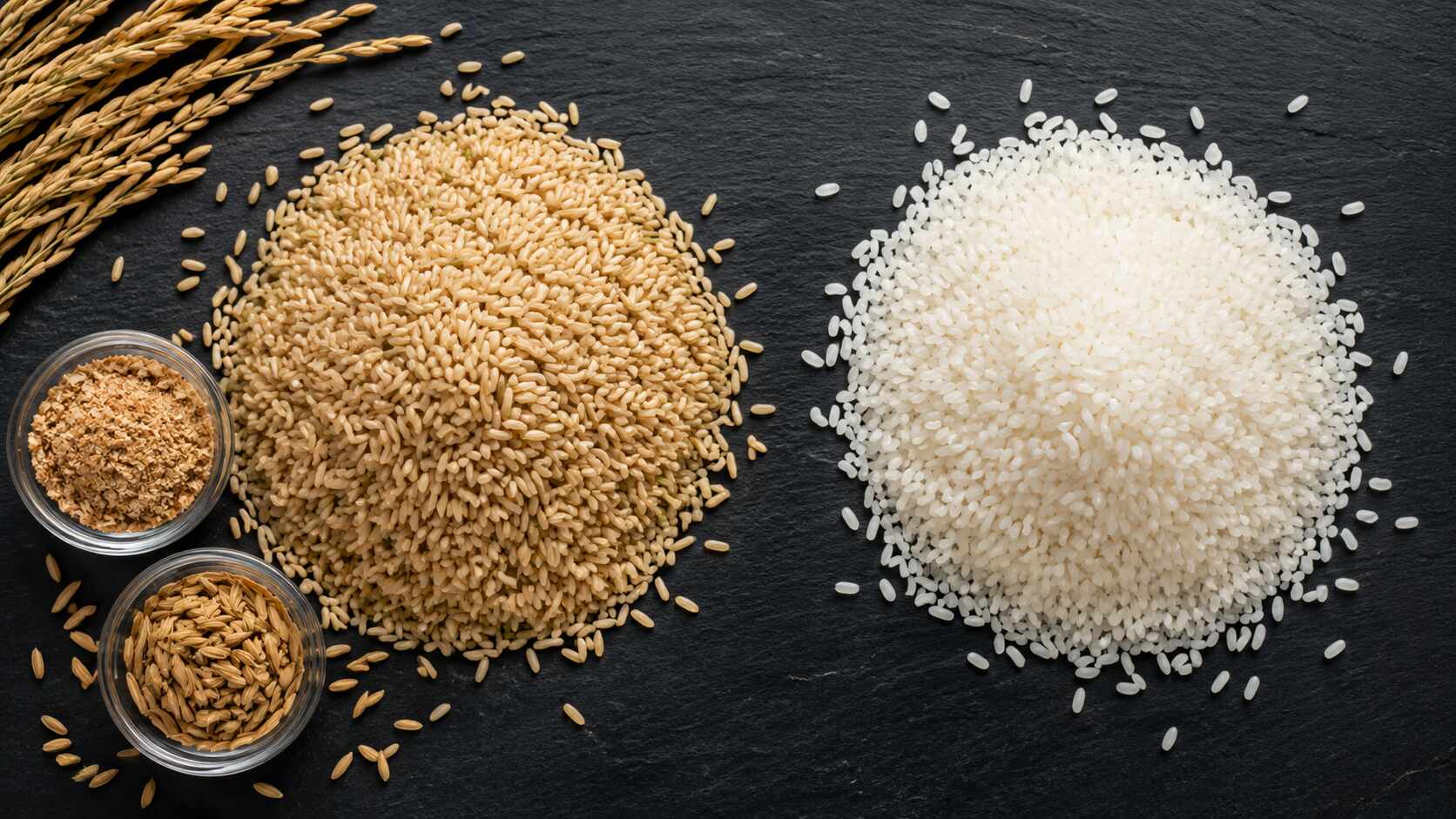
White and brown rice come from the same grain, but processing strips the bran and germ from white rice, removing most of its fiber and healthy fats along the way. According to USDA FoodData Central, a cup of cooked brown rice contains roughly 3.5 grams of fiber, compared to under 1 gram in the same portion of white rice.
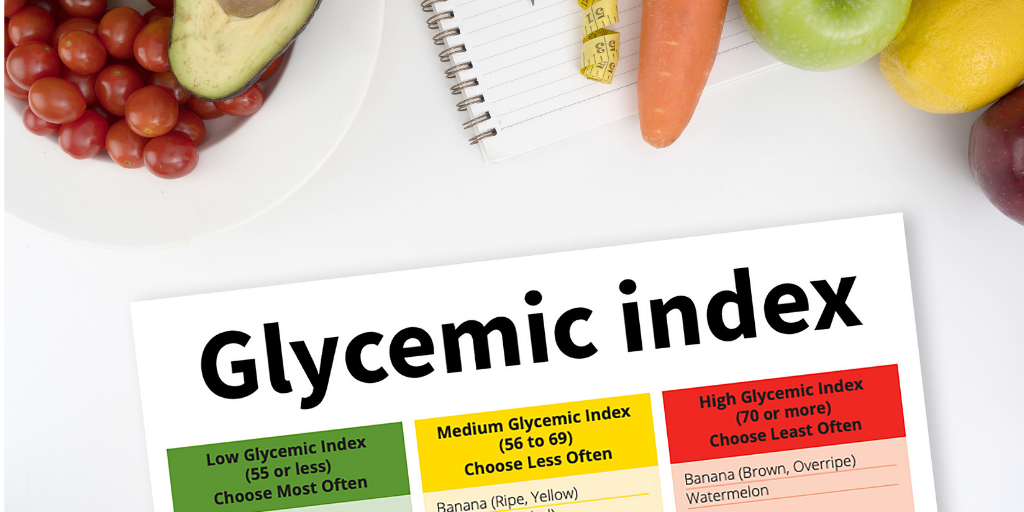
That fiber matters because it slows digestion and blunts the glycemic response. Research on glycemic index published in the American Journal of Clinical Nutrition has consistently shown that fiber-rich, minimally processed carbohydrate sources produce a more gradual rise in blood glucose and insulin than their refined counterparts. Practically, this means the carbohydrates in brown rice are less likely to be shuttled into fat storage during periods when your body doesn’t need an immediate energy surge.
When Brown Rice Is the Better Choice
For most meals throughout the day, especially those eaten away from your training window, brown rice is the smarter default:
- Steadier energy: Slower digestion means fewer blood sugar spikes and crashes
- Better satiety: The added fiber supports fullness, which can help with fat-loss goals
- More micronutrients: Brown rice retains more magnesium, B vitamins, and antioxidants from the bran layer
A reasonable serving for most active individuals is about 1 cup cooked (roughly 45 grams of carbohydrate), adjusted based on total daily energy needs and training volume.
When White Rice Still Has a Place
White rice isn’t off-limits. Its faster digestion can actually be an advantage in the post-workout window, when a quick source of glucose helps replenish muscle glycogen alongside protein. If you prefer white rice at other times of day, pairing it with a viscous fiber supplement, such as glucomannan, taken shortly before the meal may help moderate the insulin response and slow gastric emptying. Some research in the Journal of the American College of Nutrition supports viscous fiber’s role in reducing post-meal blood sugar spikes, though individual responses vary and this strategy works best alongside a broader moderate-carbohydrate approach.

Practical Takeaways
- Default to brown rice for most meals, particularly on rest days or hours away from training
- Reserve white rice for the post-workout window when rapid glycogen replenishment is the priority
- If using white rice at other times, consider a fiber supplement like glucomannan with your doctor’s input, especially if you have any gastrointestinal conditions
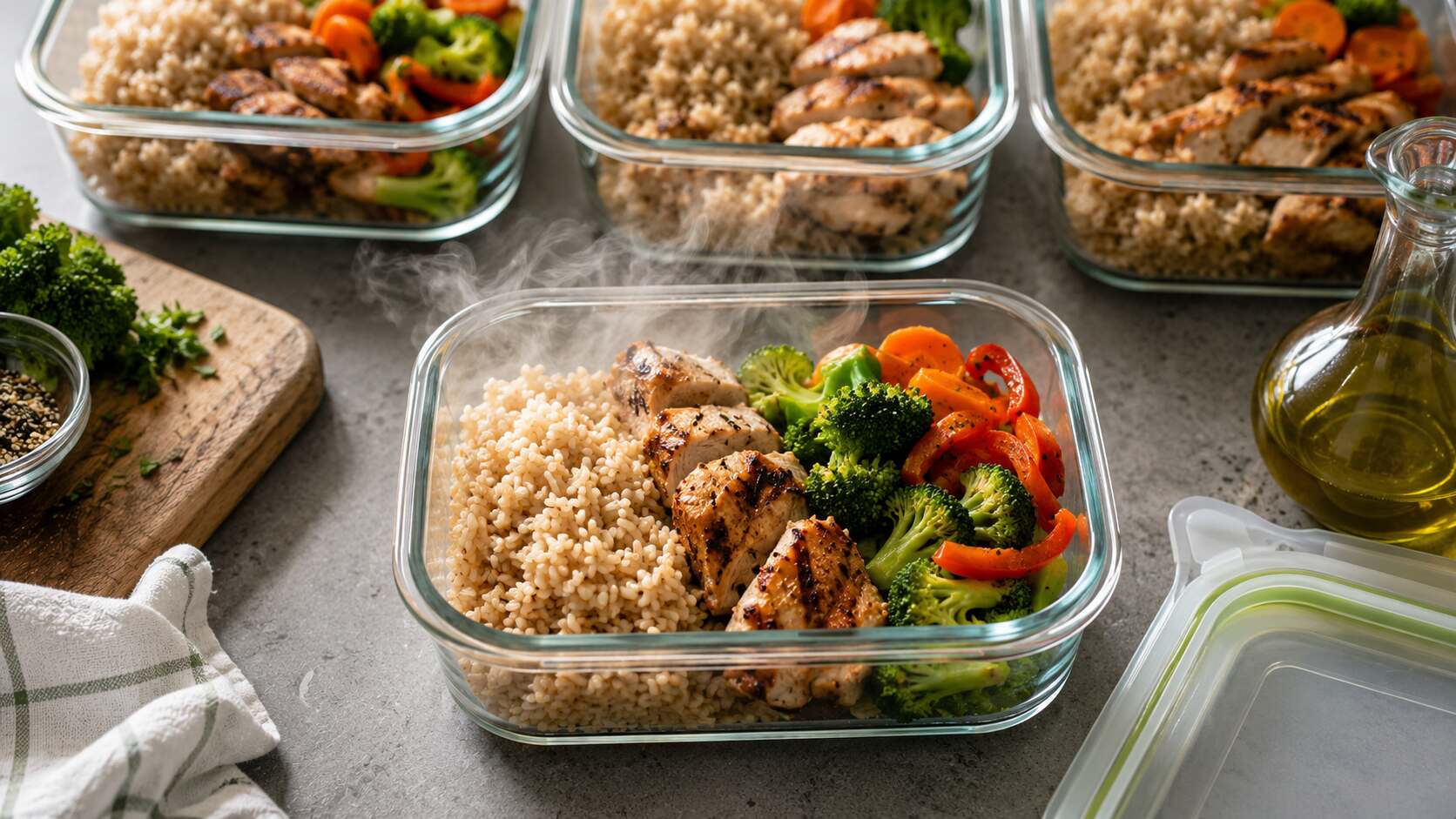
- Pair either rice choice with a lean protein source and vegetables to round out the meal
The Bottom Line
Both rice varieties can fit into an athlete’s diet, but brown rice’s fiber content makes it the more metabolically favorable choice for the majority of your meals. Save white rice for strategic moments, like right after training, when faster digestion works in your favor.
This article is for informational purposes only and is not a substitute for professional medical or nutritional advice. Consult a registered dietitian or physician before making significant changes to your diet or before starting any new supplement, including fiber supplements like glucomannan.