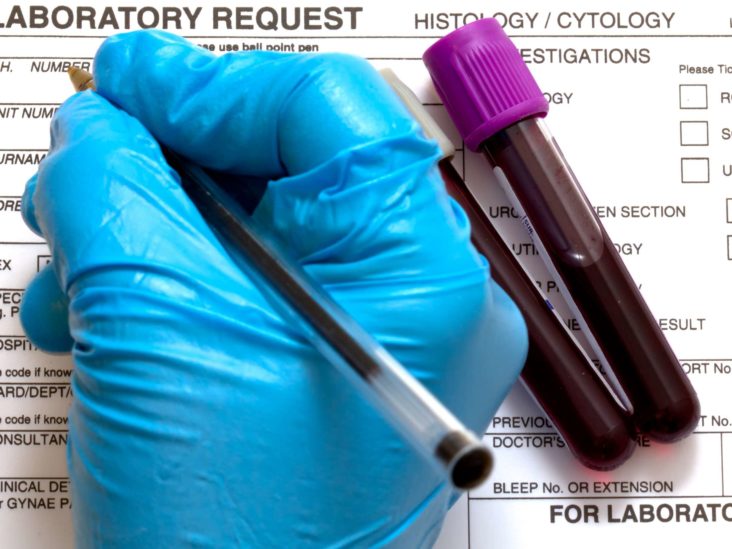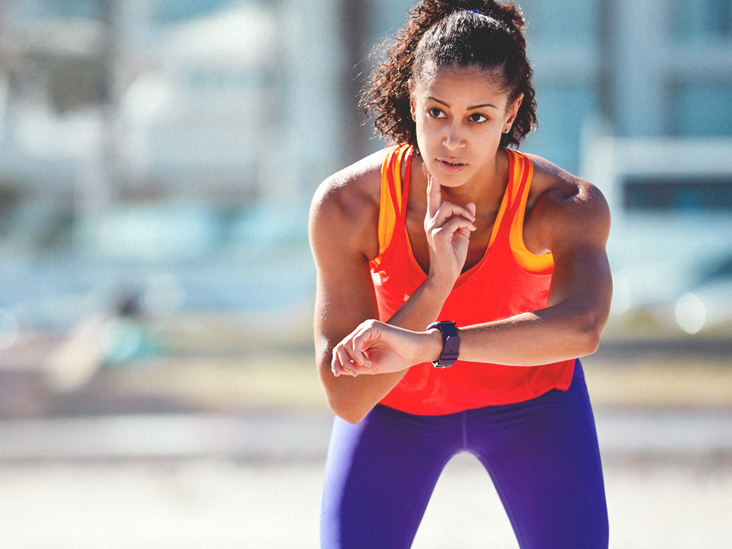

Your fitness routine tracks your sleep, calories, and recovery — but what about your sexual health? For active individuals and couples, libido is a direct reflection of hormonal balance, stress load, and overall wellness. Understanding what’s “normal” can reduce unnecessary pressure and help you build a healthier relationship alongside your healthy body.
لا يوجد رقم سحري
أحد أكثر الأسئلة بحثا في صحة العلاقات هو:“How much sex should married couples be having?”الإجابة المختصرة:لا يوجد معيار عالمي محدد.
أبحاث نشرت فيArchives of Sexual Behavior(2017) حللت بيانات من أكثر من 26,000 أمريكي ووجدت أن الأزواج الذين مارسوا الجنس مرة واحدة في الأسبوع أبلغوا عن أعلى رضا عن العلاقة — لكن الجنس المتكرر لم يزيد السعادة بشكل ملحوظ بعد هذا الحد.
ما يهم أكثر من التردد:
- Mutual satisfaction — both partners feel fulfilled
- Consistency — regular intimacy, even if infrequent
- Communication — open dialogue about needs and expectations
Whether that means twice a week or twice a month, the “right” amount is what works for yourعلاقة — ليست علاقة صديقك.
العلاقة بين اللياقة البدنية والرغبة الجنسية
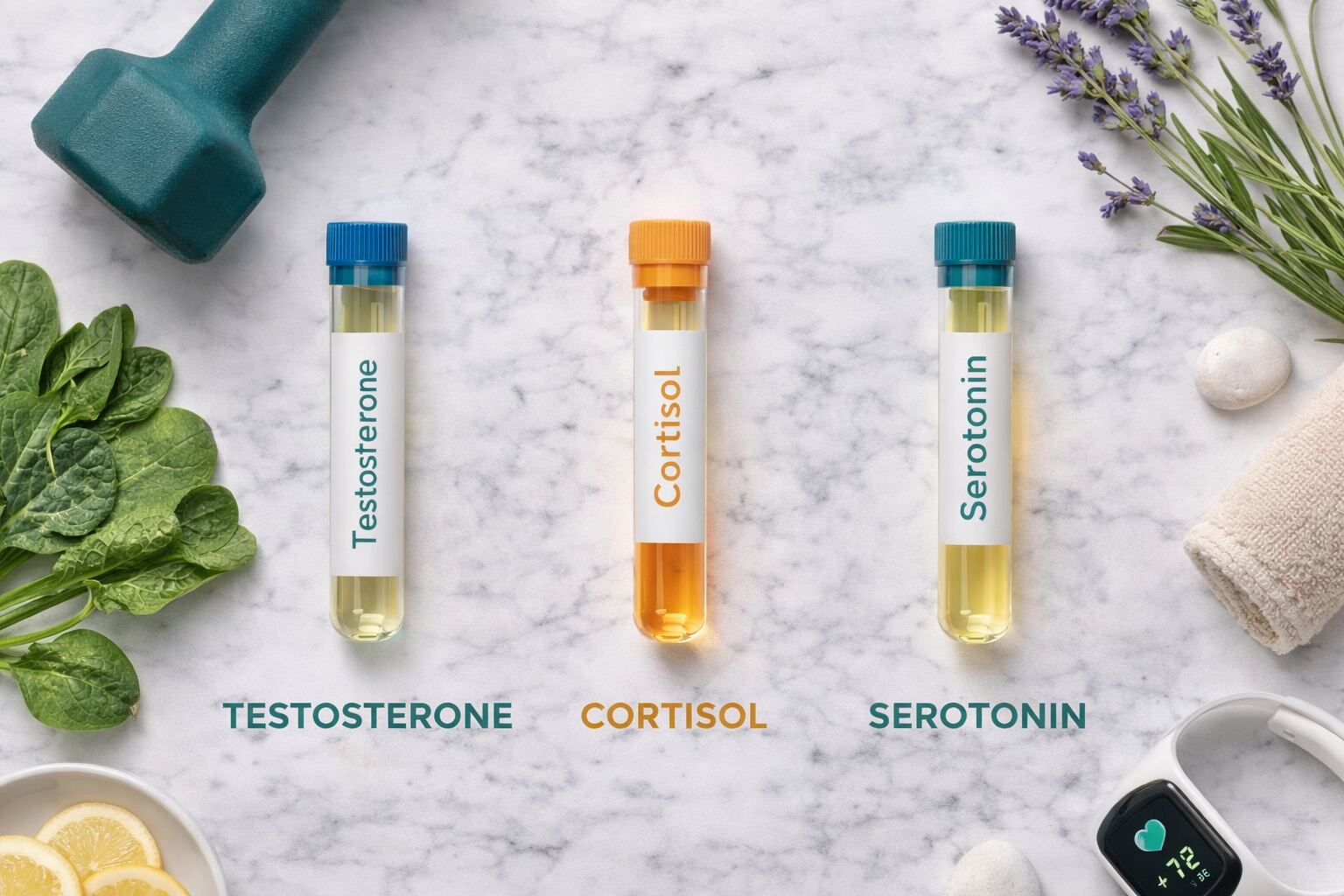
بصفتك شخصا يعطي الأولوية للصحة الجسدية، لديك بالفعل ميزة. التمارين تؤثر بشكل كبير على الرغبة الجنسية من خلال تأثيرها على الهرمونات الرئيسية:
- Testosterone: Resistance training elevates testosterone in both men and women, directly supporting sex drive (Journal of Clinical Endocrinology & Metabolism, 2012)
- Cortisol: Chronic stress and overtraining suppress libido; recovery is as important as the workout
- Dopamine & Serotonin: Aerobic exercise boosts mood-regulating neurotransmitters, which improve desire and intimacy
Pro Tip: If your libido has dropped, check your training load. Overtraining syndrome is a documented libido suppressor — rest and recovery matter.
فهم التفاوت في الرغبة

أحد التحديات الشائعة في العلاقات طويلة الأمد هو عدم تطابق الرغبة الجنسية — ما يسميه المعالجون الجنسيوناختلاف الرغبة. أحد الشريكين يريد المزيد من الحميمية؛ والآخر يكتفي بأقل. هذا ليس علامة على الفشل — بل هو أمر طبيعي للغاية.
المرحلة المبكرة من العلاقة تحفز تغييرات كيميائية عصبية (ارتفاع الدوبامين والنورإبينفرين) تزيد من الرغبة مؤقتا. مع مرور الوقت، ومع نضوج العلاقة، تعود هذه المستويات إلى طبيعتها.
استراتيجيات لإدارة اختلاف الرغبة:
- Scheduled intimacy — just as you schedule workouts, schedule time for connection; research supports that anticipated intimacy can increase desire (Sexual and Relationship Therapy, 2019)
- Broaden the definition — physical closeness, massage, or non-sexual touch maintains bonding hormones like oxytocin
- Address root causes — fatigue, low testosterone, or poor sleep are addressable health issues, not permanent states
التوقيت العملي والتحسين
التوقيت مهم — سواء في التدريب أو في الحميمية. معظم الأزواج يرتكبون خطأ ترك الجنس قبل النوم، عندما تكون مستويات الطاقة والتستوستيرون في أدنى مستوياتها.
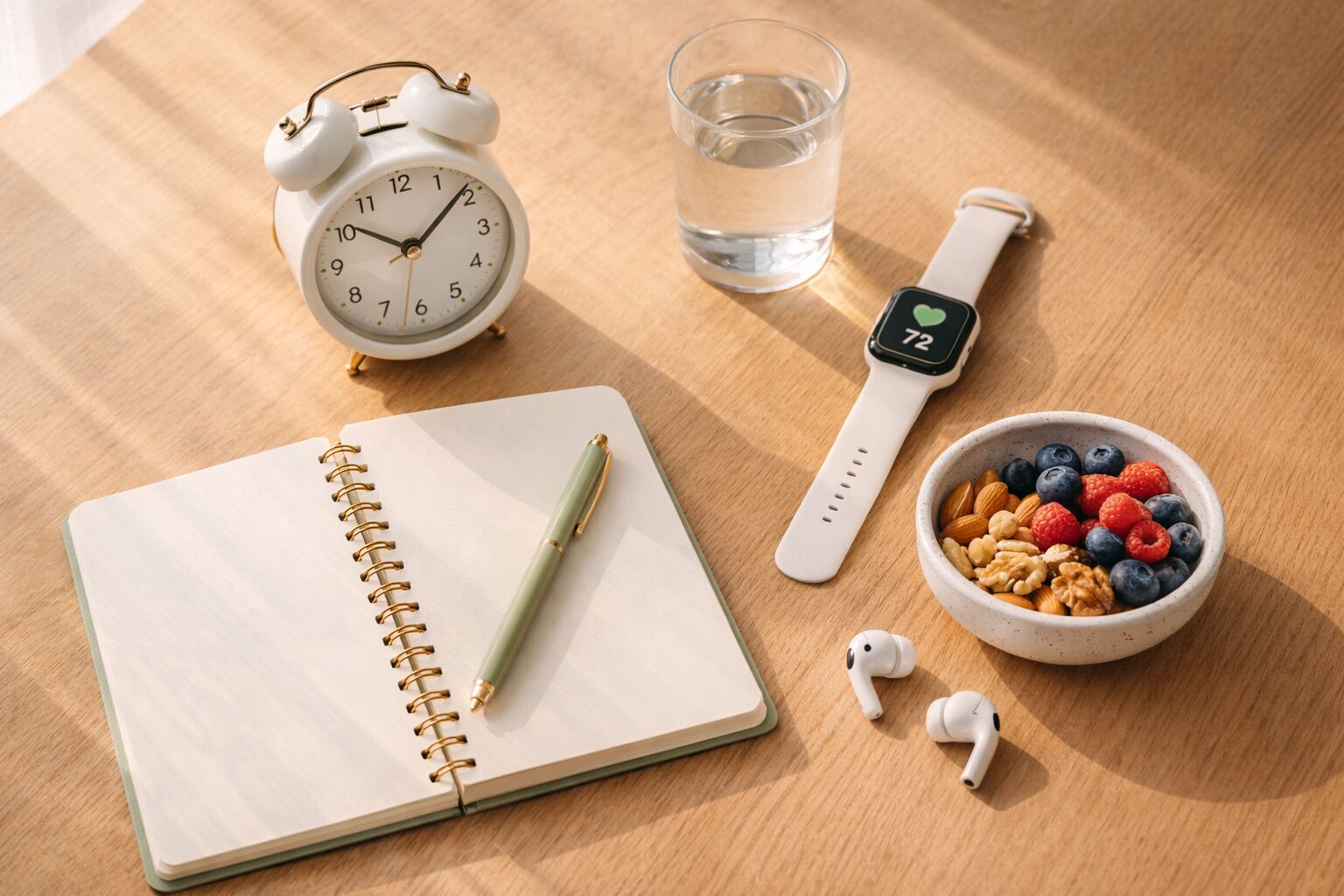
خيارات توقيت أفضل:
- Morning — testosterone peaks in the early hours for most adults
- Post-workout (not immediately after) — exercise elevates mood and body confidence; allow 30–60 minutes for cortisol to normalize
- Weekends or rest days — when physical recovery is higher and cognitive stress is lower
متى يجب طلب الدعم
انخفاض الرغبة الجنسية ليس فشلا شخصيا — غالبا ما يكون عرضا من الأعرض. إذا كان التفاوت في الرغبة أو انخفاض الدافع مستمرا، فكر في تقييم:
- Hormonal panels (testosterone, estradiol, thyroid)
- Sleep quality (poor sleep reduces testosterone by up to 15%, per JAMA, 2011)
- Mental health — anxiety and depression are among the leading causes of reduced libido
- Couples therapy or sex therapy — evidence-based interventions with strong outcomes
النقاط الرئيسية المستخلصة
- Frequency is personal — aim for mutual satisfaction, not a societal benchmark
- Exercise supports libido — but overtraining can harm it
- Schedule intimacy — it’s not unromantic; it’s intentional
- Desire discrepancy is common — address it with communication, not shame
- Low libido has treatable causes — hormones, sleep, and stress are all optimizable
Disclaimer: This article is for informational and educational purposes only. It does not constitute medical or therapeutic advice. If you are experiencing persistent changes in libido or relationship concerns, please consult a licensed healthcare provider or certified sex therapist.
المصادر:
- Muise, A. et al. (2017). Archives of Sexual Behavior — Sexual frequency and relationship well-being
- Vingren, J.L. et al. (2012). Journal of Clinical Endocrinology & Metabolism — Testosterone and resistance training
- Leproult, R. & Van Cauter, E. (2011). JAMA — Sleep and testosterone levels
- McCarthy, B. & Wald, L.M. (2019). Sexual and Relationship Therapy — Desire discrepancy interventions